How to Choose the Right Candle Wick Size (Beginner Guide)
Have you ever poured a candle that looked perfect in the jar, only to watch it burn a narrow tunnel straight down the middle? Or lit one that threw a tall, smoky flame and left black soot on the glass? You’re not alone. Both problems usually come from the same small detail: the wick.
The good news is that you do not need special equipment or years of practice to choose the right candle wick size. You need a ruler, a basic understanding of what affects the burn, and a simple test that shows you exactly what your candle is doing. This guide walks you through all three, so your next batch burns evenly from the first light to the last.
Why Wick Size Matters So Much
The wick is the engine of a candle. It draws melted wax up through its fibers and feeds it to the flame as fuel. A wick that is too small cannot melt enough wax to reach the edges of the container, so it burns down the center and leaves a thick wall of unused wax. A wick that is too large melts more wax than it can burn cleanly, which leads to a tall, flickering flame, soot, and a container that can get dangerously hot.
Even the best fragrance oil will disappoint if the wick is wrong. A candle needs a proper melt pool to release its scent, which is why fixing the wick often solves weak scent throw too. If you have already struggled with sinkholes or tunneling, the guide to candle making mistakes that cause sinkholes and tunneling explains how those problems connect.
What Affects the Wick Size You Need
There is no single correct wick for every candle. Four things decide which one works best, and changing any of them can change the result.
Container Diameter
Diameter is the biggest factor by far. A wider candle needs a wick that can produce a wider melt pool. As a rough guide, one inch of container width needs about one inch of melt pool, so a three-inch jar needs a wick that can melt wax all the way across three inches.
Wax Type
Different waxes melt and flow differently. Soy wax is denser than paraffin and often needs a slightly larger wick in the same container, while beeswax typically needs a larger wick still because of its high melting point. If you are still deciding on a wax, this comparison of soy wax vs paraffin vs beeswax covers how each one behaves.
Fragrance Load and Dye
Fragrance oils and dyes change how wax burns. Heavier fragrance loads can clog a wick or make it burn hotter, so a candle that worked unscented may need a different size once scent is added. Keep your recipe consistent and follow a clear formula, like the one in this guide to calculating fragrance load for soy candles.
Wick Series
Wicks come in series, such as ECO, CD, and LX, and each series burns differently. Within one series, a larger number means a larger wick, but numbers cannot be compared across series. A size 8 in one series is not the same as a size 8 in another.
How to Measure Your Container the Right Way
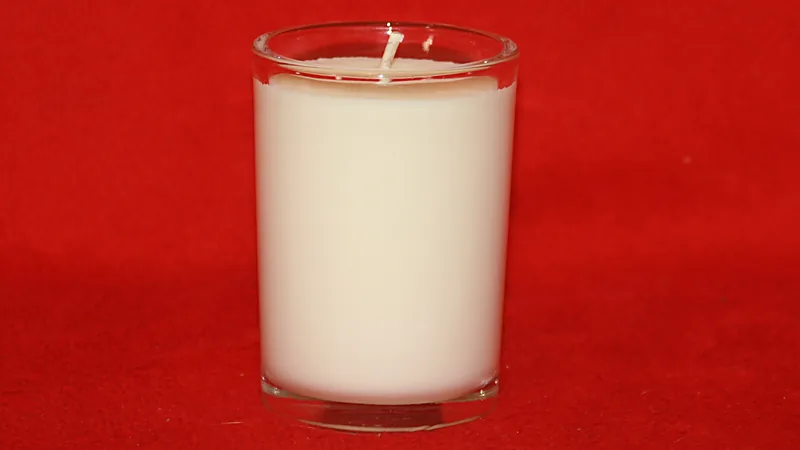
Measure the inside diameter of your container at the point where the wax will sit, not the outside of the glass and not the rim. Some jars taper or bulge, so measure at the widest point the wax will fill. That number is what you use when choosing a starting wick.
Shape matters, too. Tall, narrow jars and short, wide tins can share the same diameter but burn differently, because heat builds up differently inside them. Unusual vessels, like the ones in these creative candle container ideas, almost always need extra testing.
Using a Wick Chart as a Starting Point
Most wick suppliers publish sizing charts that match wick sizes to container diameters and wax types. These charts are useful, but treat them as a starting point rather than a final answer. They are based on the supplier’s own test conditions, and your fragrance, dye, and container may behave differently.
As a general pattern, containers up to about two inches wide use small wicks, two to three inches use medium wicks, and three to four inches use larger wicks. Beyond that, a single wick usually struggles to melt the whole surface. Pick the size the chart suggests for your diameter and wax, then choose one size smaller and one size larger in the same series for testing.
How to Burn Test Your Candle Wick
A burn test is the only way to know for sure. It takes patience, but it saves you from making a whole batch of candles that do not burn well.
Step 1: Make Two or Three Test Candles
Pour identical candles that differ only in wick size, one step apart in the same series. Use the same container, wax, fragrance load, and dye in each, so the wick is the only thing that changes.
Step 2: Let Them Cure
Give the candles time to cure before testing, following your wax supplier’s recommendation. Soy wax in particular often needs several days to a couple of weeks to reach its final burn and scent performance. The steps in this guide on how to make soy candles at home include curing in the process.
Step 3: Trim and Light
Trim each wick to about ¼ inch (6 mm), place the candles on a heat-safe surface away from drafts, and light them at the same time. Never leave burning test candles unattended.
Step 4: Check Every Hour
Watch the flame and melt pool as the candle burns. A good rule is that the candle should reach a full melt pool, all the way to the edge, within about one hour for each inch of diameter. A three-inch candle should be close to edge-to-edge within about three hours, and the melt pool should end up roughly ¼ to ½ inch deep.
Step 5: Test Again Lower Down
Let the candles cool completely, then repeat the test on later burns. A wick that works at the top can behave differently halfway down the jar, where heat builds up. Write down what you see each time so you can compare the sizes fairly.
Reading the Results: Too Small, Too Big, or Just Right
Each test candle will tell you which direction to move:
- Too small: the candle tunnels down the center, the melt pool never reaches the edge, the flame looks small or weak, or it drowns in its own wax. Move up one size.
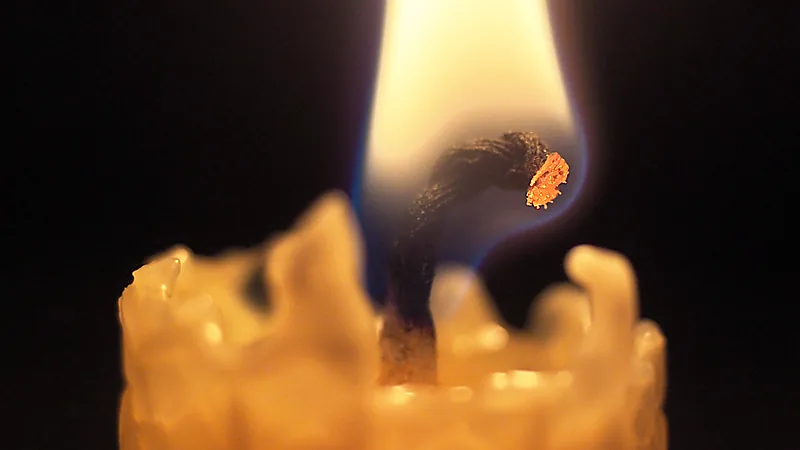
- Too large: the flame is tall and flickers constantly, the melt pool is deeper than about ½ inch, black soot forms on the glass, the wick mushrooms heavily, or the container gets too hot to touch. Move down one size.
- Just right: the flame is steady and calm, the melt pool reaches the edge in a reasonable time, the wax stays clean, and the glass stays warm rather than hot.
Some mushrooming is normal, especially with cotton wicks, but it becomes much worse when the wick is not trimmed. Always trim before each test so you are judging the wick size, not the wick length.
When One Wick Is Not Enough
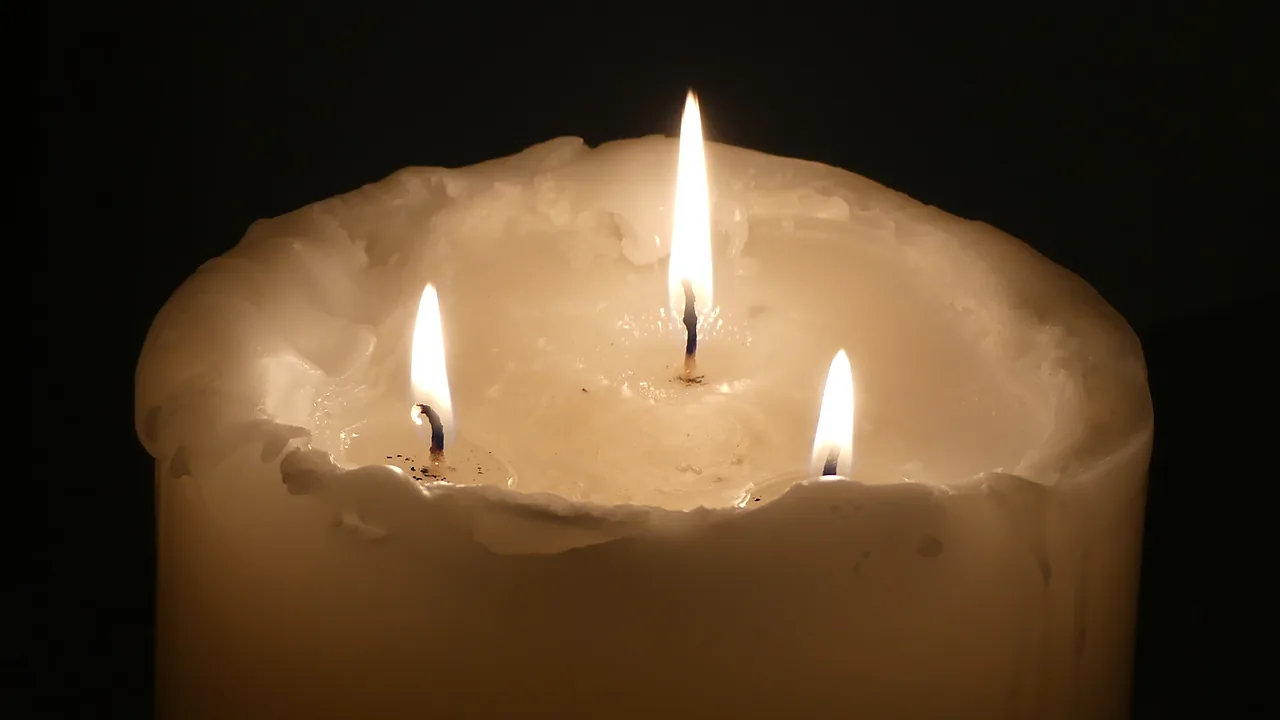
Once a container gets wider than about four inches, a single wick large enough to reach the edges often burns too hot in the center. The usual fix is to use two or three smaller wicks spaced evenly across the surface, so their melt pools meet and cover the whole candle together. The featured photo at the top of this guide shows a wide pillar candle doing exactly that.
When you switch to multiple wicks, test again from scratch. Two wicks in one container create more combined heat than either would alone, so you may need a smaller size than you expect.
Everyday Habits That Keep a Candle Burning Clean
Even a perfectly sized wick needs a little care:
- Trim before every burn. Keep the wick at about ¼ inch to reduce soot and mushrooming.
- Make the first burn count. Let the first burn continue until the melt pool reaches the edge. Wax tends to remember its first melt pool, and a short first burn can start a tunnel.
- Avoid very long sessions. Many candle makers recommend limiting burns to about four hours so the container and wick do not overheat.
- Keep the wick centered. Use a wick holder or centering tool while the wax sets, since an off-center wick burns unevenly.
If you are just getting started, the sets in this guide to the best candle making kits for beginners include pre-sized wicks matched to their containers, which takes some of the guesswork out of your first batch.
Conclusion
Choosing the right candle wick size comes down to matching the wick to your container, wax, and fragrance, then letting a burn test confirm it. Measure the inside diameter, start with a chart suggestion, test one size up and one size down, and read what the flame and melt pool tell you. Once you find the right wick for a recipe, write it down, and every candle you pour in that container will burn evenly and cleanly.
Frequently Asked Questions
How do I know if my candle wick is too small?
A wick that is too small leaves a ring of solid wax around the edge, burns a tunnel down the center, or produces a weak flame that may drown in melted wax. Move up one size in the same wick series and test again.
How do I know if my candle wick is too big?
Signs of an oversized wick include a tall, flickering flame, soot on the container, heavy mushrooming, a melt pool deeper than about ½ inch, and glass that gets very hot. Move down one size and retest.
Does soy wax need a bigger wick than paraffin?
Often, yes. Soy wax is denser and usually needs a slightly larger wick than paraffin in the same container, but fragrance load and container shape also play a role, so a burn test is still the best way to confirm.
How short should a candle wick be before lighting?
Trim the wick to about ¼ inch (6 mm) before every burn. A longer wick creates a bigger flame, more soot, and more mushrooming, even when the wick size itself is correct.
Featured photo: Reinhard Müller / Wikimedia Commons, CC BY-SA 4.0