Dried Flowers vs Faux Flowers: Which Is Worth It?

Should you invest in delicate dried botanicals or opt for realistic faux stems? This debate puzzles many home decorators seeking the perfect floral touch. Both options offer unique advantages that can transform your living spaces beautifully.
Understanding the differences between dried and artificial flowers helps you make smarter purchasing decisions. We explore 15+ creative ideas covering cost, maintenance, and aesthetic appeal. Let’s dive in…
1. Understanding Natural Dried Botanicals

Materials Needed:
- Fresh flowers for drying
- Rubber bands
- String or twine
- Dark, dry hanging space
Dried flowers bring an organic elegance that synthetic options simply cannot replicate. The subtle color variations and natural textures create authentic visual interest in any room. These botanicals carry a romantic, vintage charm.
Air-drying techniques work beautifully for roses, lavender, and eucalyptus stems. Hang them upside down in bundles for two to three weeks until completely dry. The process itself becomes a rewarding fun crafts to make at home experience.
Your dried arrangements will maintain their beauty for approximately one to three years with proper care. Keep them away from direct sunlight and humid environments.
2. Premium Faux Flower Benefits

Materials Needed:
- High-quality silk flowers
- Decorative vase
- Floral foam
- Wire cutters
Artificial flowers have evolved dramatically from the plastic-looking versions of decades past. Modern silk and polyester blooms feature realistic details including natural-looking imperfections. They fool even discerning eyes at first glance.
The initial investment in quality faux stems pays off through unlimited longevity. You never worry about wilting, watering, or seasonal replacement costs. This makes them perfect for busy households.
Allergy sufferers particularly benefit from artificial botanicals since they produce no pollen. Your home stays beautiful without triggering sneezing or respiratory issues.
3. Cost Comparison Analysis
Materials Needed:
- Budget spreadsheet
- Price comparison notes
- Long-term cost calculator
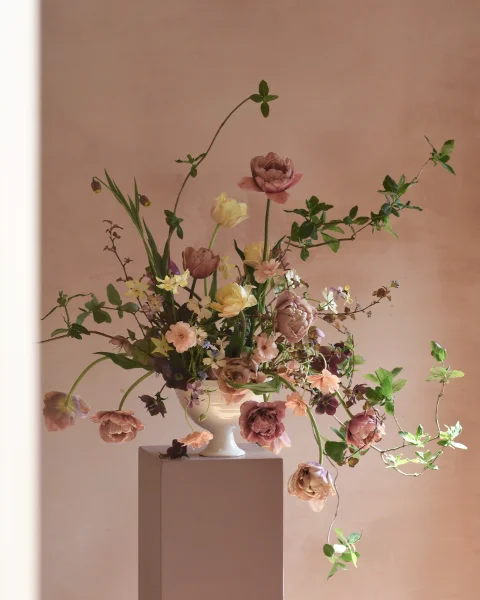
Dried flowers typically cost between fifteen to fifty dollars per bundle depending on variety. Premium preserved roses and peonies command higher prices due to specialized preservation processes. Consider your budget carefully.
Quality artificial arrangements range from twenty to over one hundred dollars for realistic stems. However, cost-per-year calculations often favor faux options since they never need replacement. Your investment stretches further over time.
Budget-conscious decorators can find beautiful options through dollar store crafts ideas that look surprisingly expensive. Mixing affordable stems with premium pieces creates stunning arrangements.
4. Maintenance Requirements
Materials Needed:
- Soft-bristle brush
- Compressed air canister
- Microfiber cloth
- Storage containers
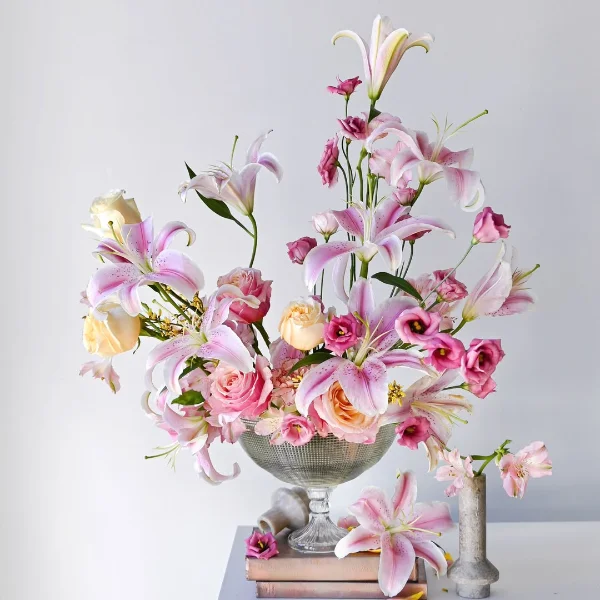
Dried botanicals require gentle handling and minimal intervention to maintain their appearance. Dust them occasionally using a soft brush or low-pressure compressed air. Avoid touching delicate petals frequently.
Artificial flowers tolerate more aggressive cleaning methods without damage concerns. Wipe silk petals with damp cloths or rinse them under lukewarm water periodically. They bounce back beautifully every time.
Consider your lifestyle when choosing between these options. Homes with children or pets benefit from durable faux stems.
5. Aesthetic Versatility
Materials Needed:
- Various vase styles
- Decorative ribbons
- Moss or filler materials
- Display stands
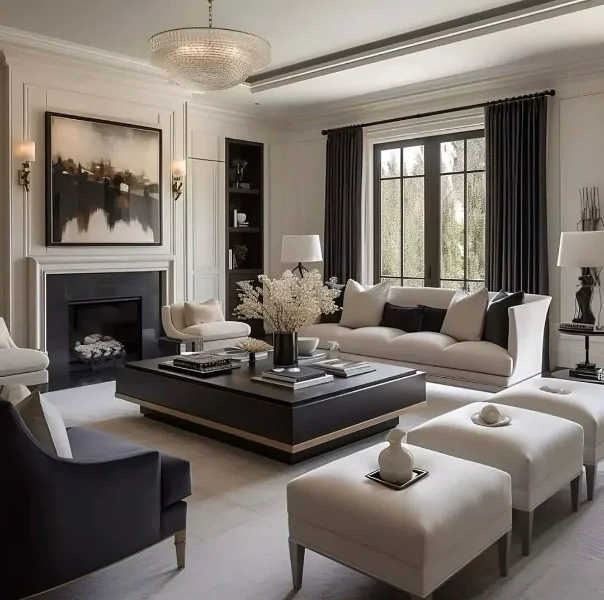
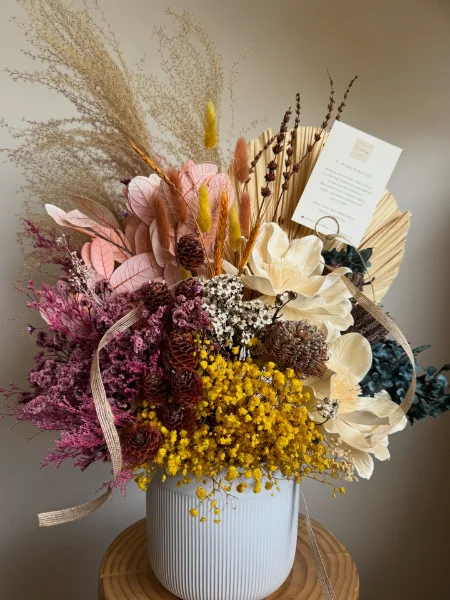
Dried flowers excel in bohemian and rustic aesthetics with their muted, earthy color palettes. Pampas grass, dried palms, and bunny tails create stunning textural contrasts. They complement neutral and warm-toned interiors perfectly.
Faux flowers offer unlimited color options including vibrant hues impossible in dried varieties. You achieve consistent seasonal displays throughout your home. Modern manufacturing captures every detail beautifully.
Mix both types strategically for dynamic, layered arrangements that intrigue the eye.
6. Environmental Considerations
Materials Needed:
- Sustainable flower sources
- Eco-friendly vases
- Biodegradable packaging
Dried flowers represent a more environmentally friendly choice since they eventually biodegrade completely. Support local growers who practice sustainable farming methods. Your purchase supports eco-conscious businesses.
Artificial flowers typically contain plastic and synthetic materials that persist in landfills for centuries. However, their extended lifespan reduces overall consumption compared to fresh cut flowers. Consider the trade-offs thoughtfully.
Repurpose and donate faux arrangements rather than discarding them to minimize environmental impact.
7. Seasonal Styling Ideas

Materials Needed:
- Seasonal accent pieces
- Interchangeable vase fillers
- Ribbon in seasonal colors
- Decorative picks
Autumn arrangements benefit tremendously from dried wheat, preserved fall leaves, and Chinese lantern pods. These natural elements capture the season’s essence beautifully. Warm terracotta and amber tones enhance the aesthetic.
Winter and spring displays often work better with faux flower options since corresponding dried varieties remain scarce. Artificial peonies and hydrangeas bring year-round freshness. Creating DIY handmade gifts with seasonal arrangements delights recipients.
Rotate your displays quarterly to maintain visual interest throughout the year.
8. Living Room Display Techniques

Materials Needed:
- Statement floor vase
- Coffee table arrangement container
- Mantel display accessories
- Bookshelf accent vases
Floor vases create dramatic impact with tall dried pampas grass or artificial cherry blossom branches. Position them near natural light sources to highlight their beauty. Scale matters significantly in living spaces.
Coffee table arrangements work best when kept low and compact to maintain sight lines during conversation. Dried florals in shallow bowls add texture without overwhelming the space. Keep proportions balanced.
Scatter smaller arrangements on shelves and mantels to create cohesive visual flow throughout the room.
9. Bedroom Botanical Accents

Materials Needed:
- Nightstand vases
- Dried lavender bundles
- Wall-mounted bud vases
- Dresser arrangement container
Dried lavender makes exceptional bedroom decor since it releases subtle calming fragrance promoting better sleep. Bundle stems with ribbon and place them near your pillow. The aromatherapy benefits enhance relaxation.
Faux flowers on nightstands and dressers add romantic softness without pollen concerns during sleep. Choose calming colors like soft pinks, whites, and pale blues. These gentle hues support restful atmospheres.
Consider wall-mounted bud vases for small spaces where surface area remains limited.
10. Kitchen And Dining Arrangements

Materials Needed:
- Heat-resistant vases
- Dried herbs
- Artificial greenery
- Ceramic containers
Kitchen environments pose challenges for dried flowers due to humidity and heat exposure. Position arrangements away from stoves and sinks to extend their lifespan. Choose hardy dried varieties like statice.
Faux herbs and greenery work wonderfully in kitchen windowsills without watering requirements. Artificial rosemary and basil add culinary-inspired charm. They brighten cooking spaces year-round.
Exploring home craft projects quick helps personalize kitchen decor.
Dining table centerpieces benefit from low-profile arrangements that facilitate conversation across the table.
11. Bathroom Spa Vibes
Materials Needed:
- Water-resistant containers
- Artificial orchids
- Dried eucalyptus
- Glass terrariums
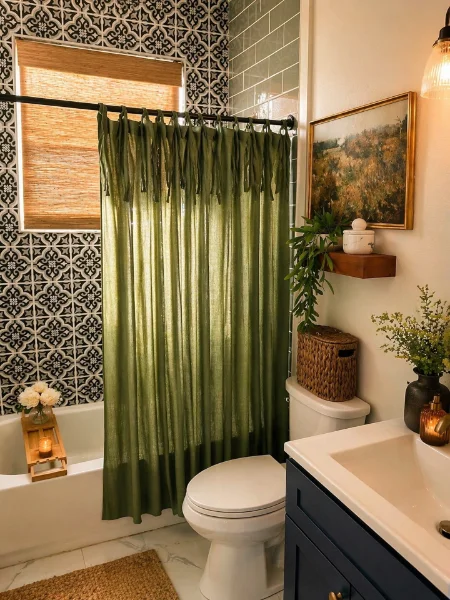
Dried eucalyptus hung in showers releases invigorating essential oils when steam activates them. This simple trick transforms everyday showers into spa experiences. Replace bundles monthly for optimal fragrance.
Bathroom humidity typically damages most dried flowers quickly, making artificial alternatives more practical. Faux orchids and succulents thrive beautifully in moist environments. They maintain pristine appearance indefinitely.
Choose water-resistant containers to prevent damage from splashes and condensation.
12. Creating Stunning Wreaths

Materials Needed:
- Wreath form
- Floral wire
- Hot glue gun
- Ribbon for hanging
- Dried or faux flowers
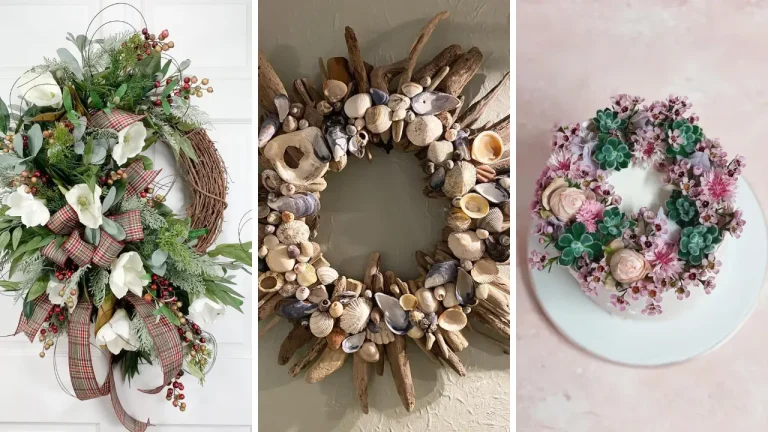
Dried flower wreaths create gorgeous front door statements with rustic, welcoming appeal. Combine dried hydrangeas, roses, and greenery on grapevine bases. These organic creations impress guests immediately.
Faux flower wreaths withstand outdoor weather conditions far better than delicate dried versions. Consider UV-resistant artificial blooms for sun-exposed locations. They maintain vibrant colors through all seasons.
Indoor wreaths above mantels or in hallways work beautifully with either option.
13. Gift-Worthy Arrangements

Materials Needed:
- Gift-appropriate containers
- Decorative tissue paper
- Gift tags
- Cellophane wrapping
Dried flower bouquets make thoughtful gifts since recipients enjoy them for years without any maintenance. Birthday, housewarming, and sympathy occasions all suit these timeless arrangements. They communicate lasting appreciation beautifully.
Faux arrangements packaged in decorative containers become complete home decor gifts requiring zero recipient effort. Include care instructions for maximum enjoyment. Exploring handmade gift craft ideas inspires unique personalized presents.
Consider the recipient’s home aesthetic when selecting colors and styles for gifted arrangements.
14. Budget Mixing Strategies

Materials Needed:
- Affordable dried grasses
- Statement faux blooms
- Budget vases
- Filler materials
Strategic mixing combines affordable dried grasses with splurge-worthy artificial focal flowers. Pampas grass costs little while realistic faux peonies justify higher investment. This approach maximizes visual impact economically.
Layer textures by placing dried elements behind and around prominent faux blooms as supporting players. The combination creates depth and dimension affordably. Neither option dominates the arrangement.
Thrift stores and estate sales often yield beautiful vintage vases perfect for these combined arrangements.
15. Storage And Preservation

Materials Needed:
- Acid-free tissue paper
- Sturdy storage boxes
- Silica gel packets
- Garment bags for large pieces
Dried flowers require careful storage in cool, dark, dry locations when rotating seasonal displays. Wrap delicate pieces loosely in acid-free tissue to prevent crushing. Label boxes clearly for easy retrieval.
Artificial flowers store more easily since they tolerate compression and recover their shape readily. Fluff petals and leaves after removing them from storage containers. A quick steam treatment removes stubborn creases.
Proper storage extends the lifespan of both options significantly, protecting your investment.
16. Making Your Final Decision
Materials Needed:
- Room assessment checklist
- Budget planning worksheet
- Aesthetic preference notes
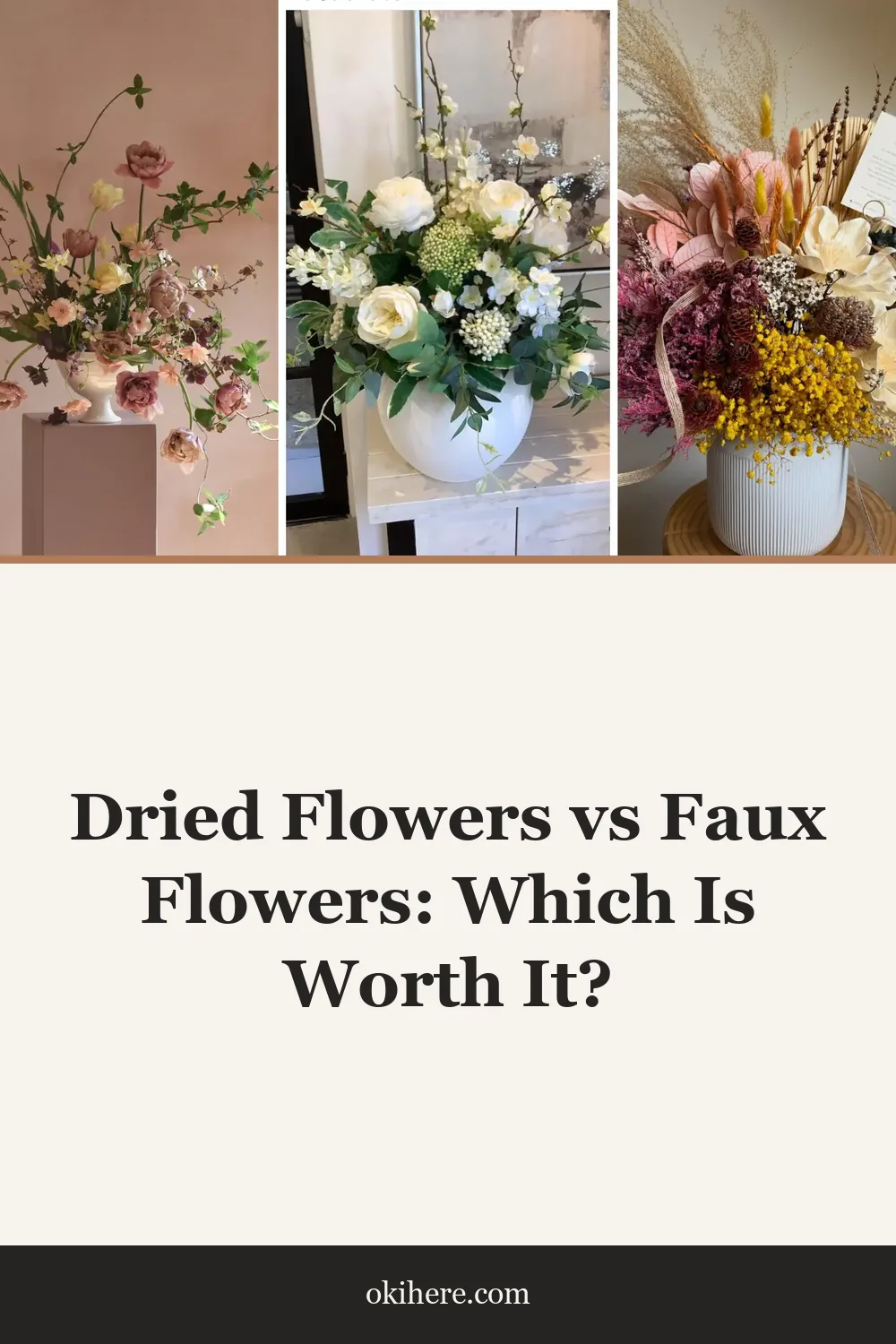
Your lifestyle ultimately determines whether dried or faux flowers serve you better. Consider factors including maintenance time, environmental preferences, and aesthetic goals. Both options bring unique beauty.
Homes with humid climates or active households generally benefit more from durable artificial options. Decorators seeking organic authenticity often prefer dried botanicals despite shorter lifespans. Neither choice is inherently superior.
Many successful decorators maintain collections of both, selecting appropriate options for each specific location and purpose.
Understanding dried flowers vs faux flowers for home decor: which is worth it ultimately depends on your personal priorities and living situation. Both options offer beautiful possibilities for transforming your spaces into stunning botanical showcases. Grab your favorite stems and start creating!
Share your favorite ideas in the comments below. Rate this post!