How to Tell if Thrift Store Furniture Worth Flipping
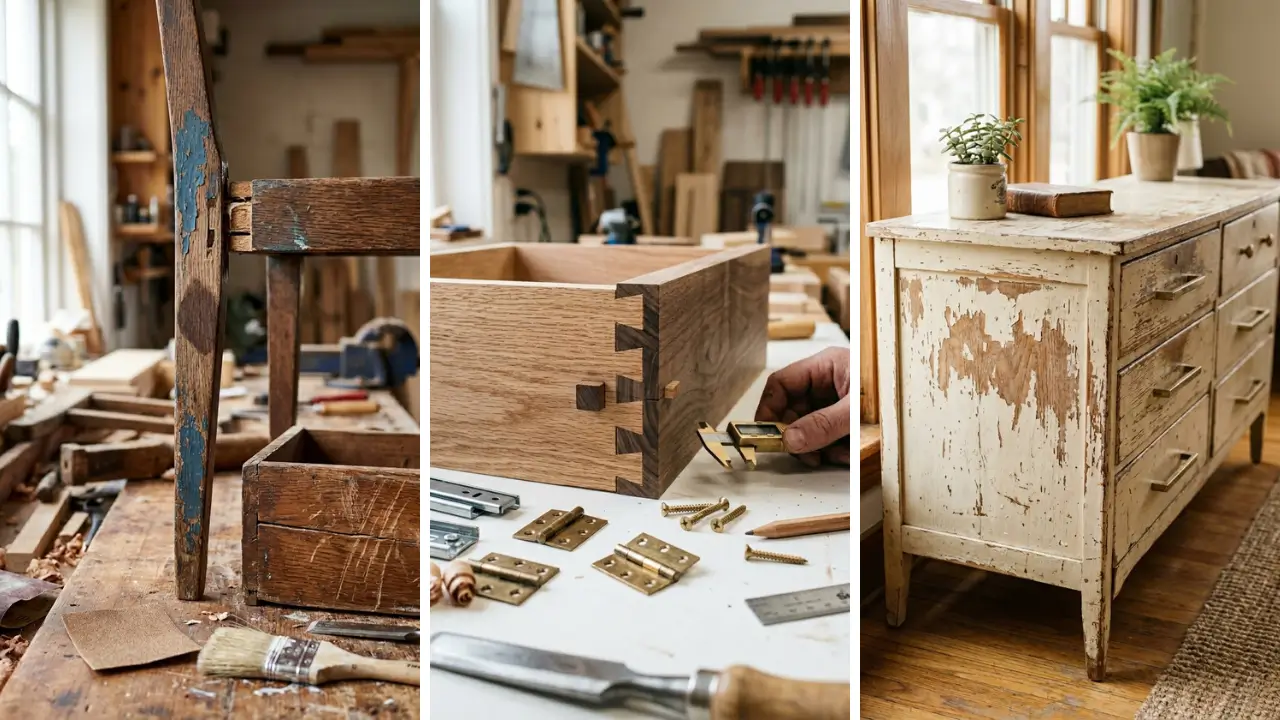
Check three things before you buy: construction, style, and math. Tap the surface, because solid wood rings dense while veneer over particleboard sounds hollow, and look for dovetail joints in the drawers. Apply the Rule of Three: your selling price should be at least three times your total investment. Walk away from structural cracks, warping, pests, or deep odors.
Learning how to tell if thrift store furniture is worth flipping is the secret skill that separates profitable furniture flippers from those who end up with garages full of regrettable purchases. The good news? You don’t need years of experience to spot hidden gems—you just need to know what to look for.
In this comprehensive guide, you’ll discover the exact criteria professional flippers use to evaluate thrift store finds. From assessing construction quality to calculating realistic profit margins, we’ll cover everything you need to make confident buying decisions. Whether you’re looking to earn extra income or simply want to transform pieces for your own home, these strategies will sharpen your treasure-hunting instincts.
Let’s dive into the techniques that will transform your next thrift store visit from a guessing game into a strategic shopping experience.
Understanding the Fundamentals of How to Tell if Thrift Store Furniture is Worth Flipping

Before you even step foot in a thrift store, you need a clear framework for evaluation. Successful furniture flipping isn’t about luck—it’s about systematic assessment. The pieces that generate the highest returns share common characteristics that experienced flippers recognize instantly.
First, consider the bones of the piece. Solid wood construction is your best friend. Press on surfaces, check for wobbling, and examine joints carefully.
Pieces made from particleboard or MDF rarely justify the effort unless they have exceptional design value. Second, evaluate the style potential. Mid-century modern, farmhouse, and bohemian styles consistently perform well in resale markets.
Trends shift, but certain aesthetics have proven staying power. Third, think about your target market. Who would buy this piece after transformation?
If you can’t visualize the end buyer, you might want to pass. This mindset connects beautifully with creating DIY handmade gifts and custom pieces that appeal to specific audiences.
Spotting Quality Construction in Thrift Store Furniture

Quality construction is the non-negotiable foundation of any worthwhile flip. Here’s exactly what to examine when assessing potential purchases.
Checking for Solid Wood vs. Veneer
Tap on surfaces and listen carefully. Solid wood produces a dense, resonant sound, while veneer over particleboard sounds hollow. Look at edges and undersides where veneer might peel or chip, revealing what’s underneath.
Examine drawer bottoms and back panels. Even on higher-quality pieces, manufacturers sometimes use thinner materials here. However, solid wood primary surfaces indicate overall better construction.
Evaluating Joinery and Hardware
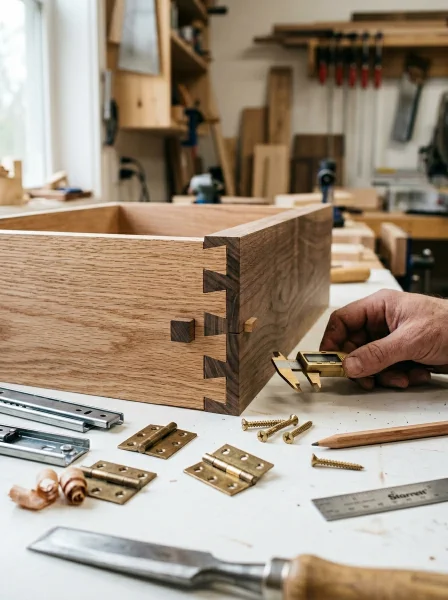
Open drawers and check for dovetail joints—those interlocking zigzag connections at corners. Dovetails indicate handcrafted or premium manufacturing. Pieces with stapled or glued-only joints require more repair work and may not hold up long-term.
Original hardware can add significant value. Brass pulls, ceramic knobs, and unique vintage handles are increasingly difficult to find. Sometimes the hardware alone is worth half your asking price.
Don’t forget to check hinges on doors and lids. Smooth operation suggests the piece has been well-maintained, while squeaky or misaligned hinges indicate potential structural issues.
Calculating Profit Potential Before You Buy

Understanding how to tell if thrift store furniture is worth flipping requires honest math. Emotional decisions lead to cluttered workshops and disappointing returns. Start with the Rule of Three: your final selling price should ideally be at least three times your total investment.
If a dresser costs $40 and needs $30 in supplies, you need to sell it for at least $210 to make it worthwhile—accounting for your time and listing fees. Research comparable pieces on Facebook Marketplace, Craigslist, and local consignment shops before buying. Screenshot listings to understand what similar items actually sell for in your area.
National prices don’t always reflect local markets.
Factor in these often-overlooked costs:
- Paint, primer, and finishing supplies
- New hardware if needed
- Transportation costs
- Platform selling fees (typically 10-15%)
- Your hourly labor rate
Many flippers find that smaller projects, like those involving dollar store crafts ideas, offer better time-to-profit ratios for beginners building their skills.
Identifying Styles That Sell Quickly
Not all furniture styles move at the same pace. Understanding current market preferences helps you flip faster and avoid storing pieces for months.
Timeless Styles with Consistent Demand
Mid-century modern remains incredibly popular. Clean lines, tapered legs, and warm wood tones appeal to buyers across demographics. These pieces often need minimal transformation—just cleaning and minor repairs.
Farmhouse and rustic styles continue performing well, especially in suburban markets. Distressed finishes and neutral colors attract buyers furnishing family homes. Traditional pieces with good bones can be modernized effectively.
That ornate dresser might look dated now, but with updated hardware and a fresh paint color, it becomes a statement piece.
Styles to Approach with Caution
Heavily ornate pieces from the 1980s and 1990s require significant transformation and may not recoup your investment. Dark, bulky entertainment centers have limited appeal in the streaming era. Matching bedroom sets are tricky—they take up storage space and buyers often want individual pieces rather than complete collections.
If a piece requires extensive repair work, consider whether that time might be better spent on home craft projects quick to complete that offer similar profit margins with less risk.
Damage Assessment: What’s Fixable and What’s Not

Every thrift store piece has imperfections. The key is distinguishing between cosmetic issues and structural dealbreakers.
Easily Fixable Problems
Surface scratches and minor water rings usually sand out or disappear under new finishes. These shouldn’t deter you from otherwise solid pieces. Wobbly legs often just need tightening or wood glue reinforcement.
Bring a screwdriver to the thrift store and check if loose screws are the culprit. Missing hardware is easily replaced. In fact, updating hardware is one of the highest-impact, lowest-effort transformations you can make.
Outdated finishes simply require sanding and refinishing. Don’t let ugly paint colors blind you to quality construction underneath.
Once a solid piece is sanded, decoupage is a beginner-friendly way to add pattern, and this guide to decoupage furniture for beginners covers it step by step.
Red Flags to Walk Away From
Structural cracks in weight-bearing components compromise the piece’s integrity. A cracked leg or split tabletop often signals the end of a piece’s useful life. Water damage warping that affects the overall shape is nearly impossible to correct.
Warped drawers that don’t close properly indicate moisture damage throughout. Pest evidence including small holes, sawdust trails, or actual insects means leaving immediately. You don’t want to bring infestations into your workspace or home.
Strong odors from smoke, mildew, or pets penetrate deep into porous materials. These smells rarely eliminate completely and will tank your selling potential.
Practical Tips for Thrift Store Furniture Shopping
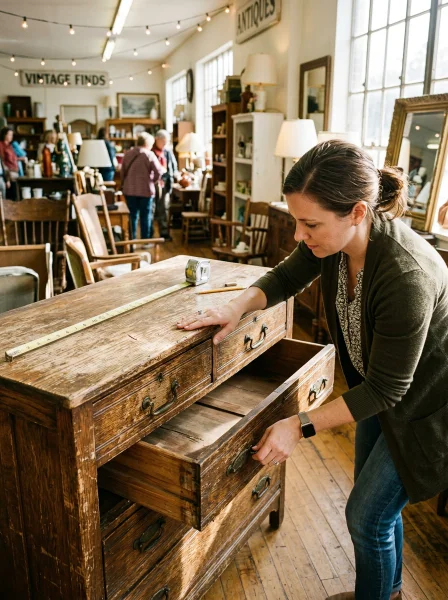
Now that you understand evaluation criteria, let’s discuss strategies for finding the best pieces efficiently. Shop early and often. Inventory changes daily at most thrift stores.
Develop relationships with staff who can alert you to new arrivals or upcoming sales. Bring essential tools: a measuring tape, flashlight for examining dark corners, and smartphone for quick research. Some flippers carry small screwdrivers to test drawer mechanisms.
Look past the obvious. The best deals often hide in cluttered corners or have ugly finishes that deter casual shoppers. Train your eye to see potential rather than current condition.
Don’t forget smaller pieces. End tables, nightstands, and accent chairs often provide better profit margins than large case goods. They’re easier to transport and transform quickly.
This approach mirrors the efficiency of fun crafts to make at home that yield satisfying results without massive time investments. Negotiate respectfully. Many thrift stores have flexibility on pricing, especially for flawed pieces or items that have been sitting awhile.
A polite offer often succeeds.
Building Your Furniture Flipping Skills Over Time
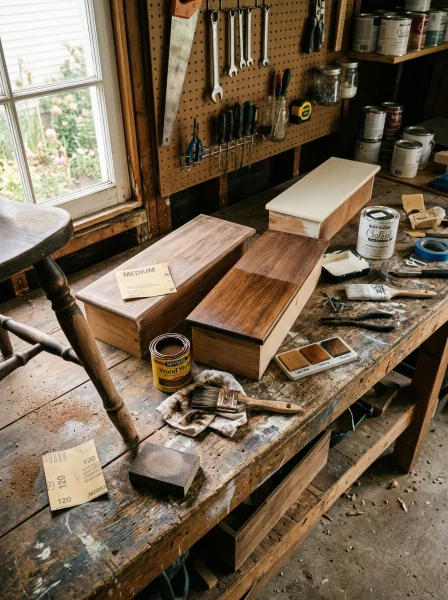
Expertise in knowing how to tell if thrift store furniture is worth flipping develops through practice. Start with lower-risk pieces while you build confidence. Consider beginning with simple refinishing projects before tackling major transformations.
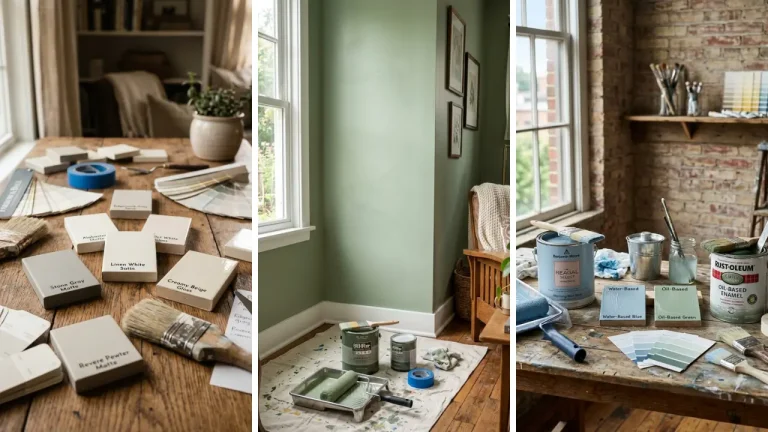
A basic paint update on a solid piece teaches you about prep work, finishing techniques, and local selling dynamics without risking significant investment. Document your projects with before-and-after photos. This portfolio helps with marketing future pieces and allows you to track which styles and transformations perform best in your market.
Connect with local flipping communities on social media. Experienced flippers often share valuable insights about reliable thrift stores, pricing strategies, and buyer preferences in your specific area. The skills you develop also translate beautifully to other creative endeavors like handmade gift craft ideas that combine practical skills with artistic expression.
A weathered outdoor piece can look like a lost cause on the shelf while the joints underneath are still sound. Before passing on one, check the repair steps in how to refinish outdoor wood furniture.
Conclusion: Your Path to Profitable Furniture Flipping
Mastering how to tell if thrift store furniture is worth flipping transforms random shopping into strategic treasure hunting. Remember the essential evaluation points: prioritize solid construction, calculate realistic profit margins, recognize styles with proven demand, and honestly assess damage levels before purchasing. Success in furniture flipping comes from combining knowledge with action.
Start small, learn from each project, and gradually take on more ambitious pieces as your skills develop. The perfect flip might be waiting in your local thrift store right now—you just need the trained eye to recognize it. Every expert flipper started exactly where you are today.
The difference between casual browsers and profitable flippers is simply applying systematic evaluation criteria consistently. Trust the process, refine your instincts with each purchase, and soon you’ll spot worthy pieces before other shoppers even notice them. Ready to find your first flip-worthy piece?
Visit your nearest thrift store this weekend with fresh eyes and a clear evaluation framework. Take photos of potential pieces, run the numbers, and make your move. Your furniture flipping journey starts with a single confident purchase!
Frequently Asked Questions
Q: How much money do I need to start flipping thrift store furniture? A: You can start with as little as $50-100 for your first piece plus basic supplies like sandpaper, primer, and paint. Focus on smaller items initially to minimize financial risk while building skills.
As you gain experience and understand how to tell if thrift store furniture is worth flipping, you can gradually invest in larger pieces. Q: What’s the best day to shop at thrift stores for furniture? A: Many thrift stores receive and price new donations on weekday mornings, making Tuesday through Thursday mornings ideal for first picks.
However, weekend mornings after donation drop-offs can also yield great finds. Building relationships with staff helps you learn specific store patterns. Q: How long does it typically take to flip a piece of furniture?
A: A simple refinishing project might take 4-8 hours spread across several days for proper drying time. More complex transformations can require 15-20 hours. Factor this time into your profit calculations to ensure you’re earning a reasonable hourly rate.
Q: Should I focus on trendy styles or classic pieces when learning how to tell if thrift store furniture is worth flipping? A: Start with classic styles that have consistent demand—mid-century modern, farmhouse, and simple traditional pieces. Trendy items can sell quickly but also become dated fast.
Classic pieces provide more predictable returns while you develop your flipping instincts. Q: How do I price my flipped furniture competitively? A: Research comparable items on local selling platforms, considering size, style, and condition.
Price slightly higher than your minimum acceptable amount to leave negotiation room. Factor in all costs including purchase price, supplies, and your time. Quality transformations command premium prices, so don’t undervalue your work.