Resin Art Safety: Work With Epoxy Without Health Risks
Have you ever cracked open a bottle of epoxy resin, gotten excited about your project, and then suddenly wondered: is this stuff actually safe to breathe in? You’re not alone. Resin art safety: how to work with epoxy without health risks is one of the most searched topics among craft enthusiasts, and for good reason. Epoxy resin is a powerful material that can create stunning, glass-like finishes, but it also contains chemicals that deserve serious respect. In this guide, you’ll learn everything you need to know to protect your health while still enjoying this incredible creative medium. From proper ventilation to the right protective gear, it is all covered from start to finish.
Why Epoxy Resin Can Be Dangerous If Mishandled
Epoxy resin is made of two main components: the resin itself and a hardener. When mixed together, they undergo a chemical reaction called curing. During this process, volatile organic compounds (VOCs) are released into the air, and that’s where the health concerns begin.
Prolonged exposure to uncured epoxy fumes can cause respiratory irritation, skin sensitization, and in some cases, allergic reactions that get worse with repeated exposure. Studies from occupational health research show that epoxy sensitization is cumulative, meaning the more you’re exposed without protection, the more sensitive your body becomes over time.
The hardener component, which often contains amines, is actually more chemically reactive than the resin itself. Direct skin contact with hardeners can cause chemical burns or dermatitis. This isn’t meant to scare you away from the craft. It’s meant to empower you with knowledge so you can enjoy fun crafts to make at home without putting your health at risk.
Essential Protective Equipment for Safe Epoxy Use
The right personal protective equipment (PPE) is your first line of defense when working with epoxy. Don’t skip this step, even for “quick” projects, because the chemical reaction starts the moment you open the containers.
Gloves
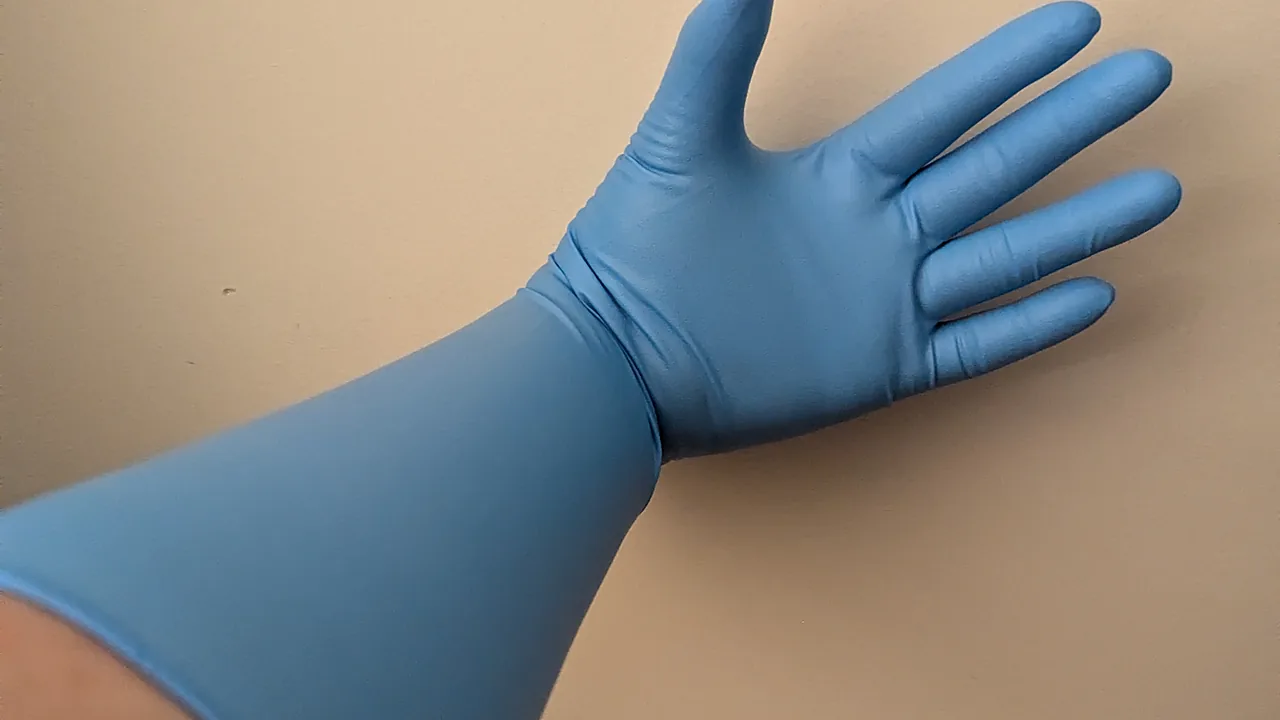
Not all gloves are created equal. Nitrile gloves are the gold standard for resin work, and they provide excellent chemical resistance. Latex gloves are NOT recommended because epoxy can permeate latex quickly. Wear gloves every single time you handle resin, and change them if they tear or get heavily contaminated.
Eye Protection
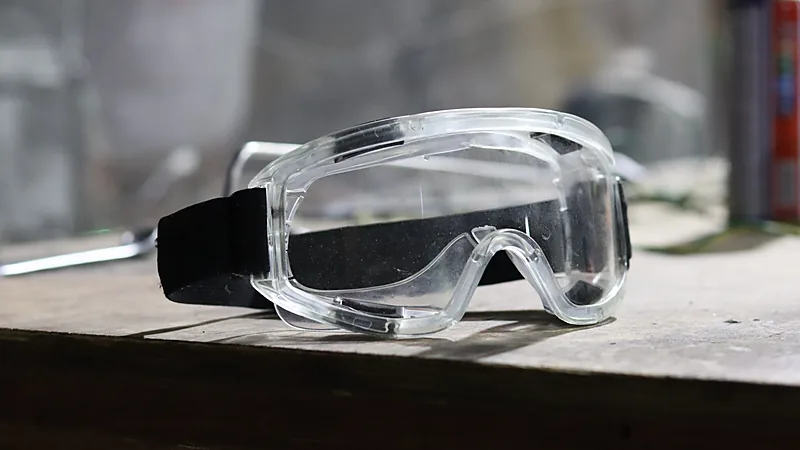
Splash goggles (not just safety glasses) are strongly recommended, especially when pouring or mixing resin. A single droplet in the eye can cause serious irritation. If resin does get in your eyes, flush immediately with water for at least 15 minutes and seek medical attention.
Respiratory Protection
A basic dust mask is not sufficient for epoxy work. You need a respirator with organic vapor cartridges to filter out the chemical fumes effectively. Look for respirators rated for organic vapors (OV). These are widely available at hardware stores and are a worthwhile investment for anyone who works with resin regularly.
How to Work With Epoxy Without Health Risks: Ventilation Is Everything
Even with full PPE, working in a poorly ventilated space is a recipe for trouble. Adequate ventilation is arguably the single most important safety factor when working with epoxy resin. The goal is to keep airborne fume concentrations as low as possible.
Ideally, work outdoors or in a dedicated space with a window fan blowing air out of the room, not just circulating it. Cross-ventilation, one window open for intake and another for exhaust, dramatically reduces fume buildup. Avoid working in basements or closed garages without a proper exhaust system.
If you’re turning resin art into a regular hobby or part of your home craft projects quick rotation, consider investing in a dedicated craft space with a ventilation hood or an air purifier equipped with activated carbon filters. These can capture VOCs that your respirator might miss during longer sessions.
Safe Mixing and Pouring Practices
How you mix and pour your epoxy matters just as much as the gear you wear. Careless technique increases both fume exposure and the risk of spills.
- Always measure accurately: Incorrect resin-to-hardener ratios can leave uncured resin, which is far more hazardous than fully cured material.
- Mix slowly and deliberately: Aggressive stirring introduces air bubbles AND increases heat generation, which speeds up the chemical reaction and boosts fume release.
- Use dedicated tools: Never use kitchen utensils or containers for resin work. Label your mixing cups and stir sticks clearly so they’re never accidentally used for food.
- Work at room temperature: Warmer temperatures accelerate curing and increase fume intensity. Aim for 70 to 75°F (21 to 24°C) for the best balance of workability and safety.
Resin art is actually a wonderful gateway into more complex crafting. Once you’ve mastered the safety side, the creative possibilities are endless, from jewelry to tabletops. If you are still choosing a product, the roundup of the best epoxy resin for beginners covers which formulas are most forgiving, and resin art for beginners walks through a first pour step by step. It pairs beautifully with other handmade gift craft ideas that can impress anyone on your list.
Handling, Storage, and Waste Disposal Safely
Safety doesn’t end when you put the lid back on the bottle. Improper storage and disposal can create long-term risks for you and the environment.
Storage Tips
Store resin and hardener in a cool, dry location away from direct sunlight and heat sources. Keep them in their original, clearly labeled containers and out of reach of children and pets. Most epoxy products have a shelf life of 12 to 24 months, and using expired resin can lead to incomplete curing.
Waste Disposal
Never pour liquid resin down the drain. Uncured resin is classified as hazardous waste in many regions. Instead, mix small amounts of leftover resin completely so it cures, then dispose of the solid material in regular trash. Check your local hazardous waste guidelines for larger quantities.
Used gloves, mixing cups, and paper towels with uncured resin should be placed in a sealed plastic bag before disposal. This prevents fumes from escaping in trash bins and protects waste handlers from exposure.
Skin Contact and What to Do If Exposure Happens
Skin sensitization is one of the most underrated risks in epoxy crafting. Unlike a one-time irritation, epoxy sensitization is a long-term immune response. Once it develops, even tiny amounts of resin can trigger significant reactions.
If resin touches your skin, wash the area immediately with soap and water for at least 5 minutes. Do NOT use solvents like acetone to remove resin from skin, because this actually increases absorption into the skin barrier. If redness, swelling, or itching persists after washing, consult a healthcare professional.
Wearing long sleeves and an apron in addition to gloves gives you an extra layer of protection. Many experienced resin artists also apply a thin barrier cream to exposed skin areas before starting a session.
Choosing Safer Epoxy Products
Not all epoxy resins are formulated the same way. Some newer products are marketed as low-VOC or non-toxic. While these are generally safer than traditional formulas, they still require proper precautions. No epoxy resin is completely risk-free in its uncured state.
Always read the Safety Data Sheet (SDS) before using any new resin product. The SDS lists hazardous ingredients, exposure limits, and first aid procedures. Reputable brands make these documents freely available on their websites. When shopping for resin, especially for beginner-friendly or budget projects, look for products with clear ingredient transparency.
If you love exploring budget-friendly creative options, epoxy resin can even be incorporated into projects sourced from discount stores. You’d be surprised what you can create when you combine smart shopping with the right safety knowledge, similar to how crafters get inspired by dollar store crafts ideas that look far more expensive than they are.
Conclusion: Enjoy Resin Art the Safe Way
Resin art is genuinely one of the most rewarding crafts you can explore. The results are stunning, the techniques are endlessly varied, and the satisfaction of a finished piece is hard to beat. But that creativity should never come at the cost of your health. Understanding resin art safety: how to work with epoxy without health risks isn’t about making the craft complicated. It’s about making it sustainable. Wear your PPE, ventilate your workspace, dispose of materials responsibly, and choose your products wisely.
The good news is that once these safety habits become second nature, they barely slow you down. You’ll actually feel more confident and creative knowing you’re protected. Whether you’re making resin pieces as DIY handmade gifts for loved ones or building a full creative practice, safety is what makes the craft last long-term. Take care of yourself, and you’ll be able to enjoy resin art for years to come.
Ready to dive in safely? Share this guide with a fellow crafter who’s just getting started with epoxy, or drop a comment below with your own resin safety tips.
Frequently Asked Questions
Q: Is epoxy resin safe to use indoors?
A: Epoxy resin can be used indoors, but only with proper ventilation and respiratory protection. Open windows, use a fan to push fumes outward, and always wear a respirator with organic vapor cartridges. Without these precautions, indoor use significantly increases your exposure to harmful VOCs.
Q: What are the biggest health risks of working with epoxy resin without protection?
A: The primary risks include respiratory irritation from VOC fumes, skin sensitization or chemical dermatitis from direct contact, and eye damage from splashes. Long-term unprotected exposure can lead to chronic allergic reactions. Following resin art safety guidelines, including wearing gloves, goggles, and a proper respirator, dramatically reduces these risks.
Q: Can I use epoxy resin if I have asthma or allergies?
A: People with asthma or existing chemical sensitivities should exercise extra caution with epoxy resin. Consult a doctor before starting. If you do proceed, work in well-ventilated outdoor spaces, wear a high-quality respirator, and consider using low-VOC resin formulas. Even then, monitor your symptoms closely and stop immediately if you notice any adverse reaction.
Q: How long do epoxy fumes linger after pouring?
A: Fume intensity is highest during and immediately after mixing and pouring. However, some off-gassing continues throughout the curing process, which can take 24 to 72 hours depending on the product. Keep the area ventilated during the entire curing period, and avoid sleeping in the same room as freshly poured resin.
Q: Are there beginner-friendly resin art safety tips for someone just starting out?
A: Absolutely. Start with small projects using low-VOC resin to minimize fume exposure. Always buy nitrile gloves, splash goggles, and an organic vapor respirator before you even open your first bottle of resin. Work near an open window or outdoors, and read the product’s Safety Data Sheet. Building good habits from day one makes resin art a safe, enjoyable, and long-lasting creative practice.