7 Paper Craft Mistakes That Waste Supplies and How to Avoid Them
Have you ever finished a paper craft project only to realize you wasted half your supplies? You are not alone. Many crafters unknowingly make simple errors that lead to ruined paper, wasted embellishments, and unnecessary frustration.
The good news is that these common mistakes are completely preventable. By understanding what goes wrong and learning proper techniques, you can stretch your supplies further and create stunning results. Let’s dive in…
1. Incorrect Paper Grain Direction

- Cardstock sheets
- Bone folder
- Ruler
- Small water spray bottle
Ignoring paper grain direction is one of the most expensive mistakes crafters make. When you fold against the grain, your paper cracks, splits, and becomes unusable. This simple oversight can ruin entire sheets of premium cardstock.
To identify grain direction, gently bend your paper in both directions without creasing. The direction that bends easier indicates the grain runs parallel to that fold. Always align your folds with this direction for clean, professional results.
Another quick test involves tearing the paper. Paper tears straighter along the grain and jagged against it. Mark your paper’s grain direction immediately after purchase to avoid confusion later.
2. Dull Cutting Tools
- Sharp craft knife
- Self-healing cutting mat
- Replacement blades
- Aluminum foil for sharpening
Using dull blades and scissors causes torn edges, uneven cuts, and wasted paper. You end up cutting the same piece multiple times, destroying your materials in the process. Sharp tools make clean cuts on the first attempt.
Replace craft knife blades after every major project. The cost of new blades is far less than ruined specialty paper. If you are working with DIY handmade gifts, precision cutting makes the difference between amateur and professional results.
For scissors, cut through folded aluminum foil several times to restore sharpness. This quick trick extends the life of your cutting tools significantly.
3. Wrong Adhesive Selection
- Glue stick
- Double-sided tape
- Liquid craft glue
- Foam mounting squares
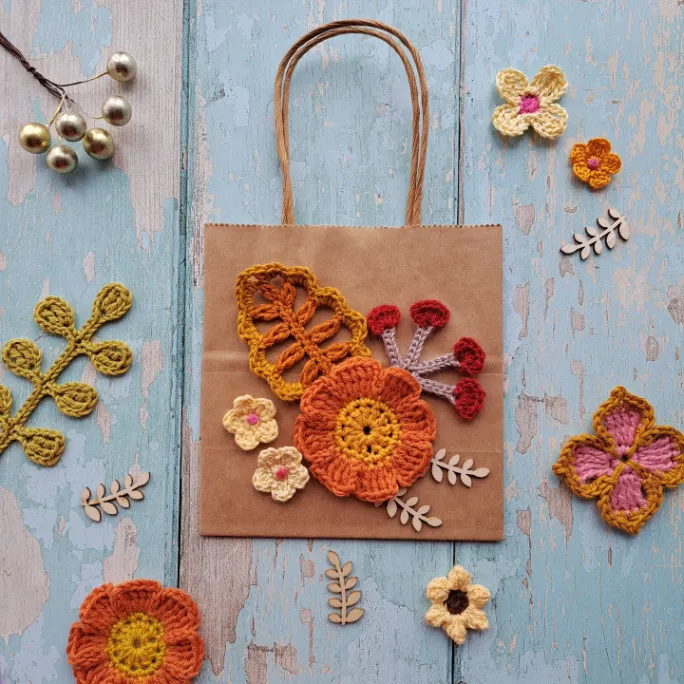
Choosing the wrong adhesive type leads to warped paper, visible glue marks, and failed projects. Liquid glue on thin paper causes buckling. Weak tape on heavy embellishments results in pieces falling off later.
Match your adhesive to both the paper weight and project requirements. Use glue sticks for lightweight papers and double-sided tape for cardstock. Foam squares work best for dimensional elements that need secure attachment.
Test adhesives on scrap paper first, especially when working with new materials. Some papers react poorly to certain glues, causing discoloration or texture changes.
4. Measuring Without Double-Checking
- Clear acrylic ruler
- T-square
- Pencil with eraser
- Cutting mat with grid lines
The carpenter’s rule applies perfectly here: measure twice, cut once. Rushing through measurements is the fastest way to waste premium paper. A quarter-inch error can make pieces unusable for your intended project.
Use a clear ruler so you can see both your marks and the paper beneath. Align measurements with your cutting mat grid lines for additional accuracy verification. This double-check system catches errors before they become costly mistakes.
When creating multiple identical pieces, cut one test piece from scrap paper first. Confirm all measurements work correctly before cutting into your good materials.
5. Improper Scoring Technique
- Scoring board
- Bone folder
- Embossing stylus
- Metal ruler
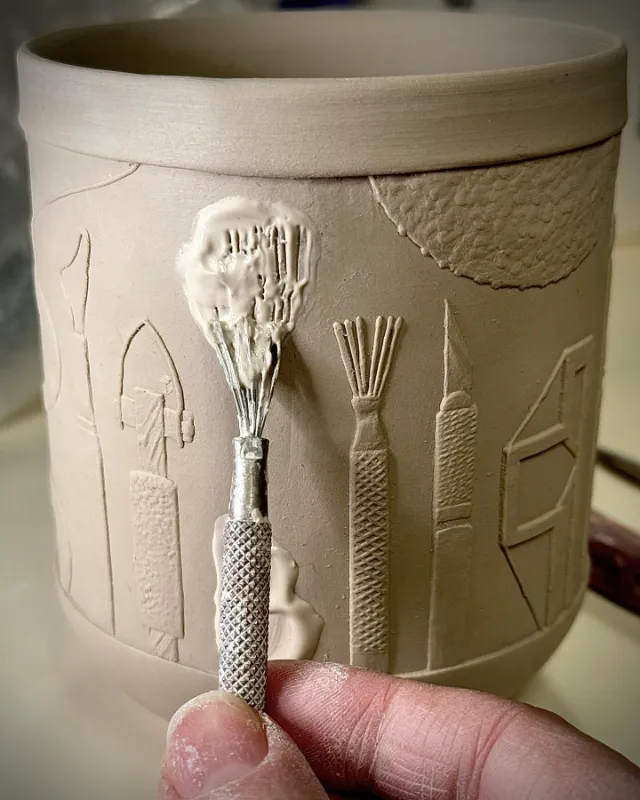
Poor scoring creates weak fold lines that crack or bend unevenly. Many crafters press too hard and cut through the paper. Others score too lightly, resulting in folds that will not hold their shape.
Proper scoring pressure is essential for crisp, clean folds. The goal of scoring is to compress paper fibers, not cut them. Use a bone folder against a ruler with medium pressure.
You should see a slight indentation without breaking through the paper surface. For thicker cardstock, score on the inside of your fold. This means the scored line should face inward when the paper is folded.
This technique prevents the exterior from cracking along the fold line.
6. Cutting Without Templates
- Template plastic or chipboard
- Pencil
- Scissors
- Removable tape
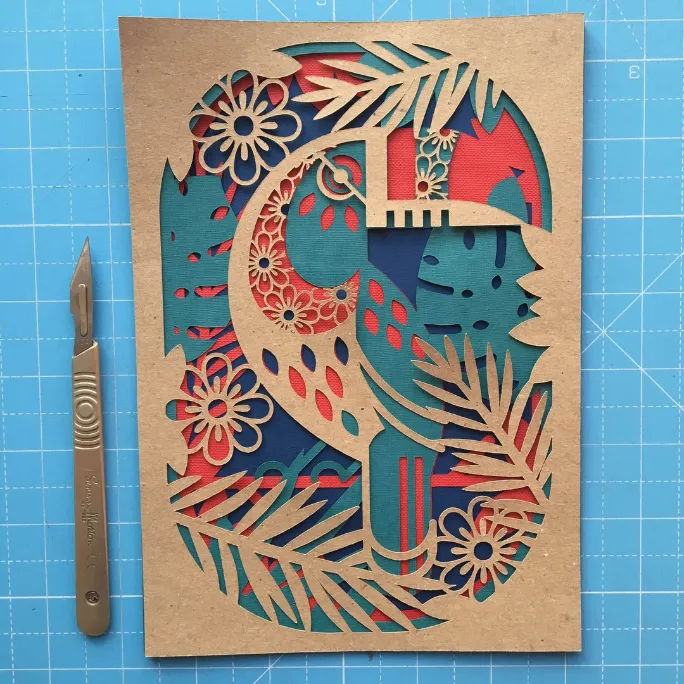
Freehand cutting wastes paper through inconsistent shapes and sizing errors. Without templates, you cannot replicate successful pieces or maintain uniformity across a project. Every miscut requires starting over with fresh materials.
Create reusable templates from cardboard or template plastic for shapes you use frequently. Trace around templates rather than measuring each piece individually. This approach saves time and guarantees consistent results.
If you enjoy fun crafts to make at home, building a template library transforms your efficiency. Store templates in labeled envelopes organized by project type or shape category.
7. Ignoring Paper Weight Compatibility
- Various paper weights
- Paper weight guide chart
- Sample swatches
- Project planning notes
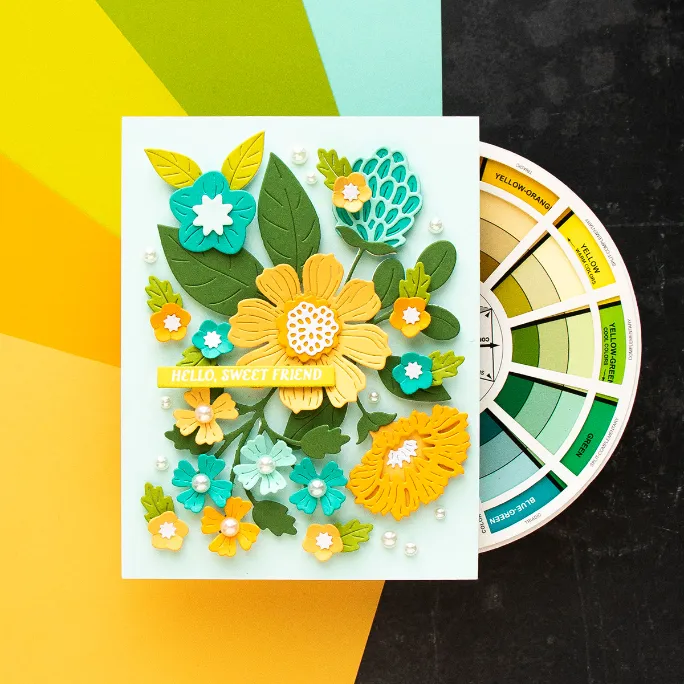
Using paper that is too heavy for your tools or too light for your project guarantees failure. Heavy cardstock jams die-cutting machines. Lightweight paper cannot support three-dimensional structures.
Paper weight selection determines project success before you even begin. Understand the difference between text weight and cover weight papers. Text weight papers work for origami and layered elements.
Cover weight cardstock suits cards, boxes, and structural projects. Matching weight to purpose prevents wasted supplies. When exploring home craft projects quick ideas, check paper weight requirements before purchasing materials.
Most project instructions specify recommended paper weights for good reason.
8. Storing Paper Incorrectly
- Flat storage containers
- Silica gel packets
- Acid-free tissue paper
- Labels for organization
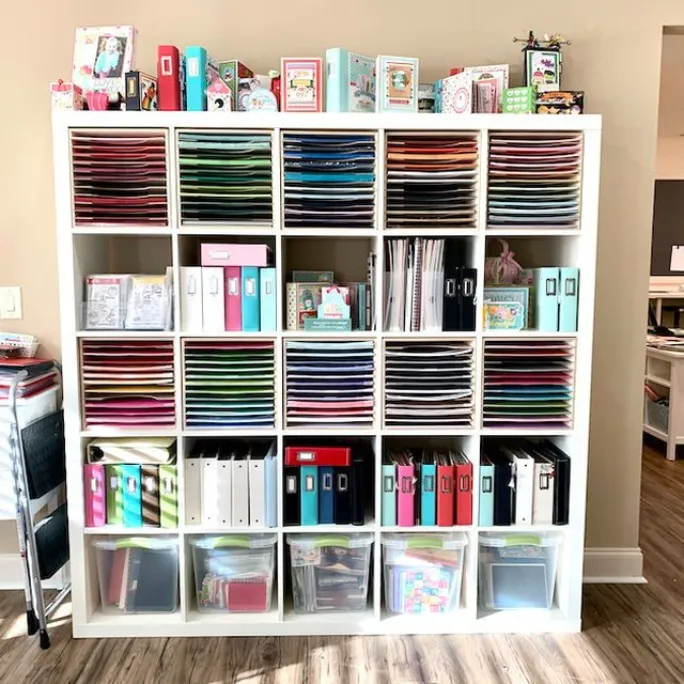
Improper paper storage leads to curling, moisture damage, and fading. Vertical storage causes bending. Humid environments promote mold growth.
Sun exposure bleaches colors. All these issues make paper unusable. Store paper flat in sealed containers away from direct sunlight.
Include silica gel packets to absorb excess moisture. Separate different paper types with acid-free tissue to prevent color transfer between sheets. Organize storage by paper type, color family, or project.
A system you actually use prevents buying duplicate supplies and keeps existing materials in usable condition.
9. Skipping Practice Cuts
- Scrap paper collection
- Practice cutting tools
- Notes for technique adjustments
- Sample piece storage
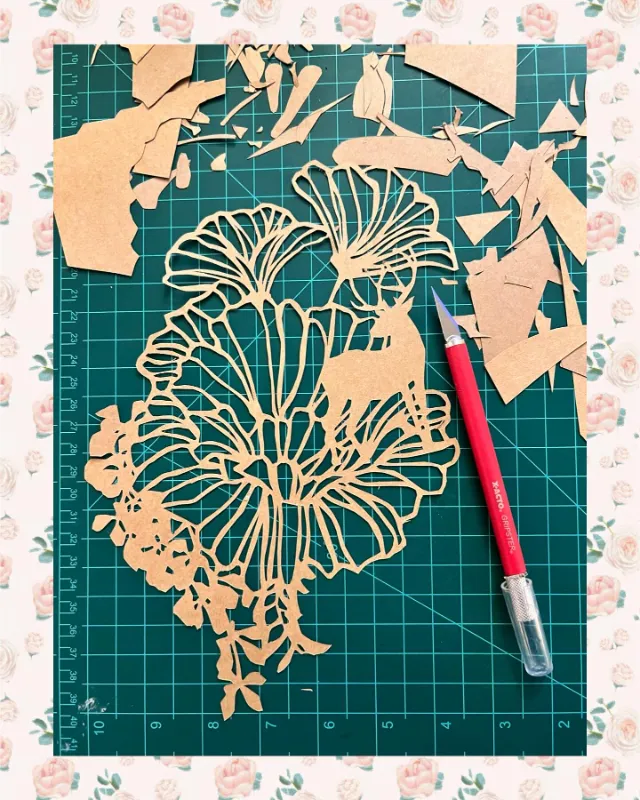
Jumping directly into expensive paper without testing techniques first destroys supplies unnecessarily. Practice cuts on scrap paper reveal tool settings, technique issues, and design flaws before they ruin your good materials. Save paper scraps from every project specifically for practice purposes.
Sort scraps by weight and type so you can match practice material to project material. This habit costs nothing but saves significant money over time. For complex projects like DIY wall art ideas for living room pieces, complete an entire practice version first.
Refine your technique on cheap paper before committing your premium supplies.
10. Overworking Delicate Paper
- Clean work surface
- Lint-free cloth
- Light touch tools
- Protective hand covers
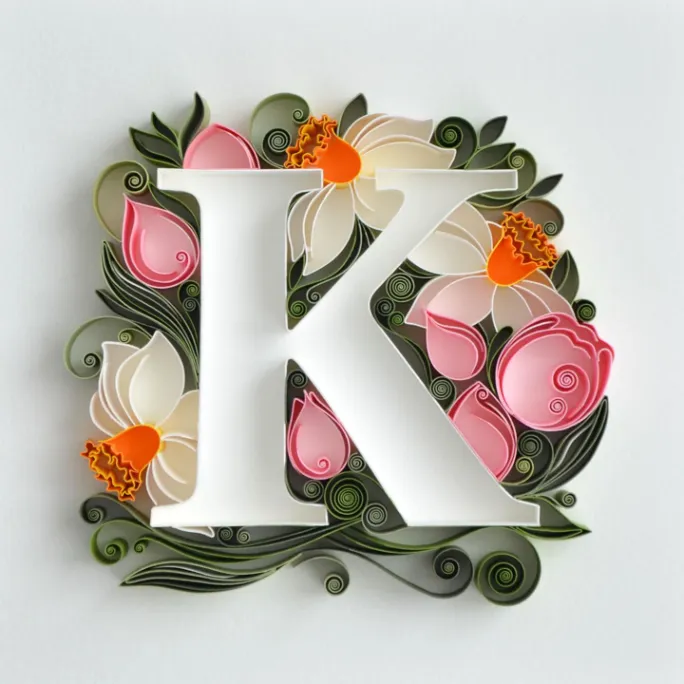
Excessive handling damages paper through finger oils, creasing, and surface wear. The more you touch paper, the more likely it becomes soiled or damaged. Delicate papers like vellum and tissue show every fingerprint and wrinkle.
Plan your project completely before handling materials. Know exactly where each piece goes and how you will attach it. This preparation minimizes the handling required during assembly.
Use clean hands or cotton gloves when working with specialty papers. Keep your work surface clean and free of debris that could scratch or mark delicate paper surfaces.
11. Buying Without Project Plans
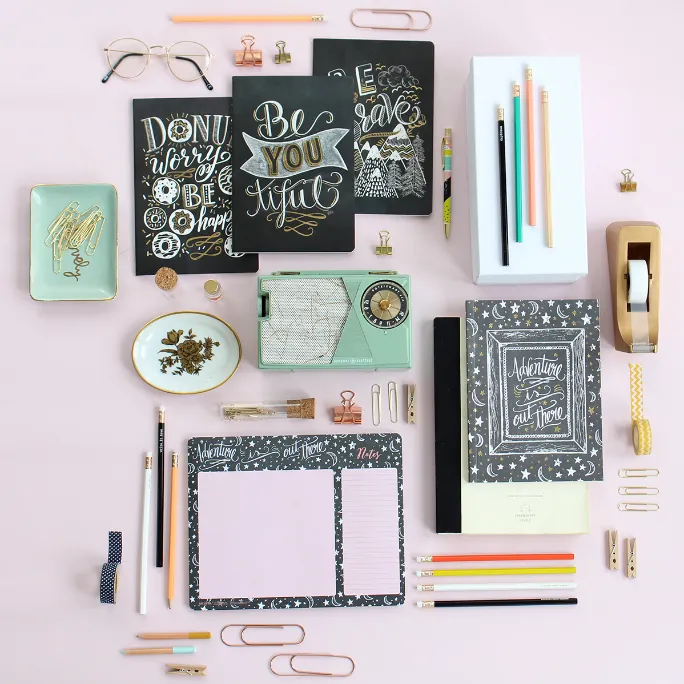
- Project planning notebook
- Supply inventory list
- Shopping list template
- Budget tracking system
Impulse paper purchases lead to overflowing storage and forgotten supplies. Without specific project plans, beautiful paper sits unused until it degrades or gets damaged. This spending pattern wastes money and space.
Before purchasing new paper, identify exactly which project will use it. Calculate how much you actually need. Check existing inventory for similar options that might work instead.
When you find handmade gift craft ideas that inspire you, write complete supply lists before shopping. This habit ensures you buy exactly what projects require without unnecessary extras.
12. Neglecting Tool Maintenance
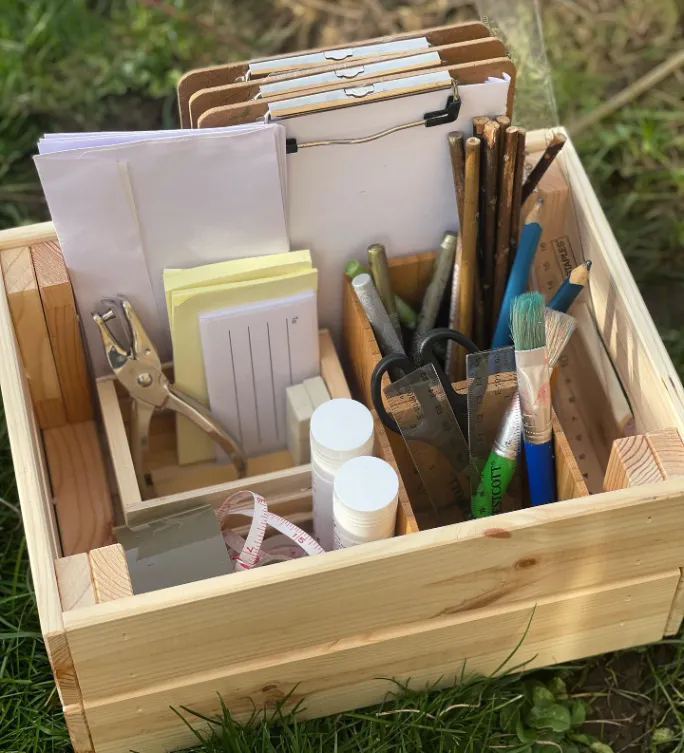
- Cleaning supplies
- Lubricant for mechanical tools
- Storage cases
- Maintenance schedule
Dirty and neglected tools transfer residue onto paper, jam during operation, and produce inferior results. Adhesive buildup on scissors creates drag that tears paper. Dusty punches stick and damage materials.
Clean tools after every crafting session. Remove adhesive residue with appropriate solvents. Lubricate mechanical parts according to manufacturer recommendations.
Store tools properly to prevent damage between uses. Regular maintenance extends tool life and protects your paper supplies. Well-maintained tools consistently produce clean, precise results without material waste.
Conclusion
Now you understand the 7 paper craft mistakes that waste supplies and how to avoid them. From checking grain direction to maintaining sharp tools, these simple adjustments save money and improve results. Each technique builds toward more efficient, enjoyable crafting sessions.
Grab your paper, bone folder, and sharp scissors and start creating with confidence! Share your favorite tips and project results in the comments below. Rate this post to help other crafters discover these supply-saving techniques.