Soy Wax vs Paraffin vs Beeswax: Which is Best for Homemade Candles?

Have you ever stood in a craft store staring at rows of wax blocks, completely unsure which one to grab? You’re not alone. The question of Soy Wax vs Paraffin vs Beeswax: Which is Best for Homemade Candles?
is one of the most common dilemmas for beginner and experienced candle makers alike. Each wax type has its own strengths, quirks, and ideal use cases — and choosing the wrong one can mean poor scent throw, tunneling, or candles that just don’t look right. In this guide, you’ll get a clear, honest breakdown of all three wax types so you can make a confident decision before your next pour.
Whether you’re crafting candles for personal use, as DIY handmade gifts, or to sell at a local market, this comparison has everything you need.
Understanding the Three Main Candle Wax Types
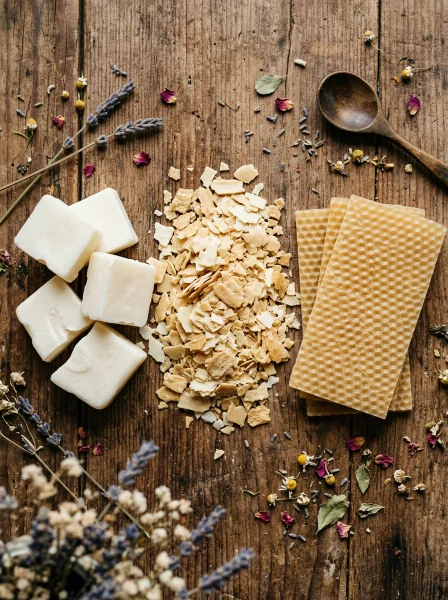
Before diving into the comparison, it helps to understand where each wax comes from and what makes it unique. Soy wax is derived from hydrogenated soybean oil, making it a plant-based, renewable option. Paraffin wax is a petroleum byproduct and has been the industry standard for over a century.
Beeswax is the oldest candle-making material in human history, naturally produced by honeybees. Each wax behaves differently when melted, scented, colored, and burned. Understanding these differences is key to producing high-quality homemade candles that look and perform exactly how you want them to.
Soy Wax: The Eco-Friendly Favorite
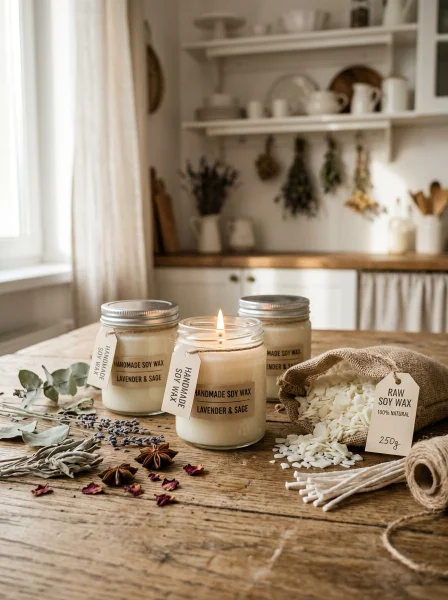
Soy wax has surged in popularity over the last two decades, and for good reason. It burns cleaner and slower than paraffin, which means your candles last longer. It’s also easier to clean up — soy wax is water-soluble, so a little soap and warm water is all you need if you spill.
One of soy wax’s biggest strengths is its ability to hold fragrance well, especially when using fragrance oils. However, it has a lower melting point (around 120–180°F depending on the blend), which means soy candles can soften in warm environments. They also tend to develop a natural frosting effect on the surface — some crafters love this rustic look, others find it less polished.
Pros of Soy Wax
- Renewable and biodegradable
- Burns longer and cleaner
- Great for container candles
- Easy cleanup with soap and water
- Holds fragrance oil well
Cons of Soy Wax
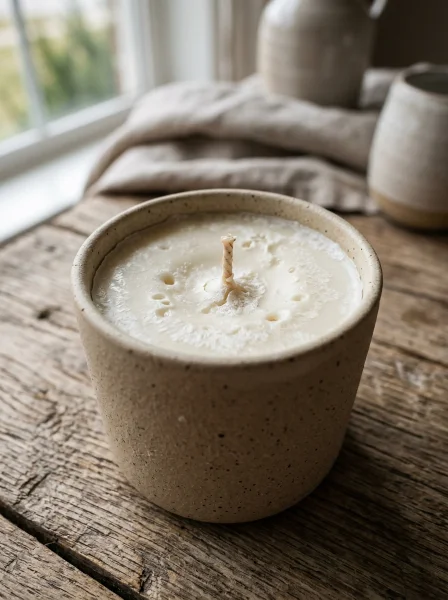
- Can develop frosting over time
- Softer texture — not ideal for pillar candles
- May require additives for a smoother finish
Paraffin Wax: The Classic Candle Maker’s Choice
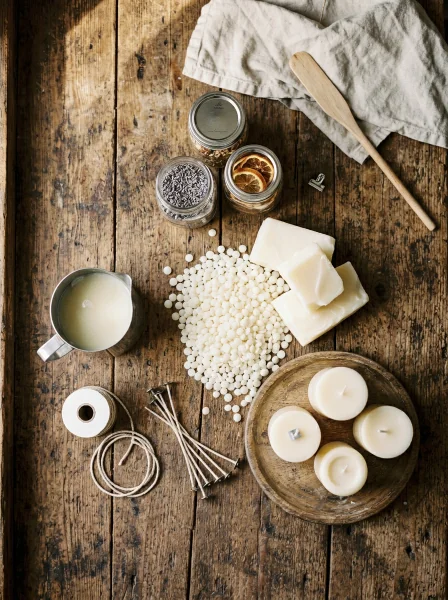
If you’ve ever bought a store-bought candle, chances are it was made with paraffin. This wax has dominated the candle industry for decades because it’s affordable, widely available, and incredibly versatile. Paraffin produces a strong scent throw — both hot and cold — which is why commercial candle brands often rely on it.
Paraffin also holds color vibrantly, making it ideal for decorative candles. It’s firm enough for pillar candles and votives, and it has a high melting point that prevents softening at room temperature. The downside?
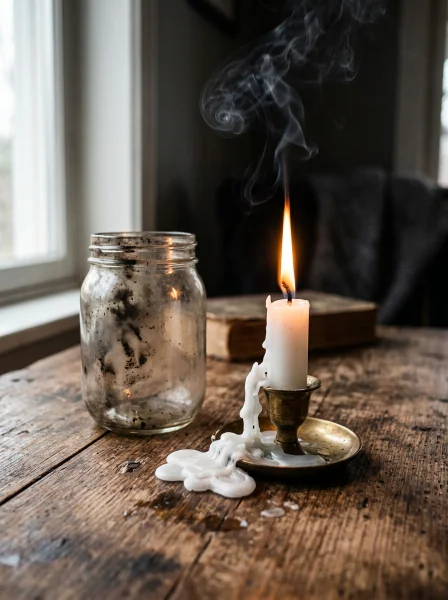
Paraffin is a petroleum-derived product, so it produces more soot when burned and isn’t considered eco-friendly.
Pros of Paraffin Wax
- Excellent scent throw (hot and cold)
- Holds color beautifully
- Firm texture — great for pillars and molded candles
- Very affordable and easy to find
- Versatile across candle types
Cons of Paraffin Wax
- Petroleum-based — not eco-friendly
- Produces more soot when burned
- Not biodegradable
Beeswax: The Natural, Premium Option
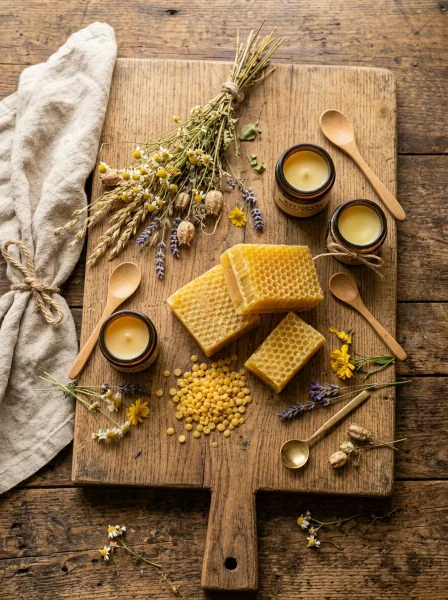
Beeswax is the original candle-making material, and it still holds a special place for crafters who value natural, unprocessed materials. It has a naturally sweet, honey-like scent that many people love without adding any fragrance at all. Beeswax candles also emit a warm golden glow that’s hard to replicate with other waxes.
From a performance standpoint, beeswax burns the longest of the three. It has a high melting point (around 144–147°F), which makes it great for pillar candles and taper candles. The trade-off is cost — beeswax is significantly more expensive than soy or paraffin.
It also doesn’t blend as easily with fragrance oils, which can limit your scent options.
Pros of Beeswax
- 100% natural and non-toxic
- Longest burn time of the three
- Natural honey scent — no fragrance needed
- Hard texture ideal for pillars and tapers
- Emits a beautiful warm glow
Cons of Beeswax
- Most expensive wax type
- Doesn’t hold added fragrance as well
- Harder to work with for beginners
Soy Wax vs Paraffin vs Beeswax: Head-to-Head Comparison
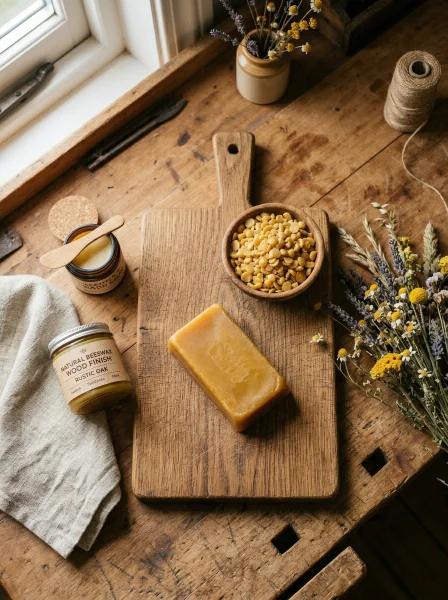
Now that you know the basics, let’s put all three side by side across the most important categories for homemade candle making. Burn Time: Beeswax wins here, followed by soy, then paraffin. If you want candles that last, beeswax is the top pick — but soy is a great runner-up at a lower price point.
Scent Throw: Paraffin delivers the strongest scent throw, both when the candle is lit and unlit. Soy wax performs well with fragrance oils, while beeswax’s natural scent can sometimes compete with added fragrances. Eco-Friendliness: Soy and beeswax are both natural, but soy is more affordable and easier to source sustainably.
Paraffin is the least eco-friendly option since it’s petroleum-derived. Ease of Use: Soy wax is the most beginner-friendly. It’s forgiving, easy to remelt if something goes wrong, and works well in simple container candles.
Paraffin is also fairly easy, especially for pillar and votive molds. Beeswax requires a bit more skill and attention. Cost: Paraffin is the cheapest, followed by soy, with beeswax being the most expensive.
If you’re just starting out with fun crafts to make at home, soy wax offers the best balance of quality and price.
Which Wax Should You Choose for Your Project?
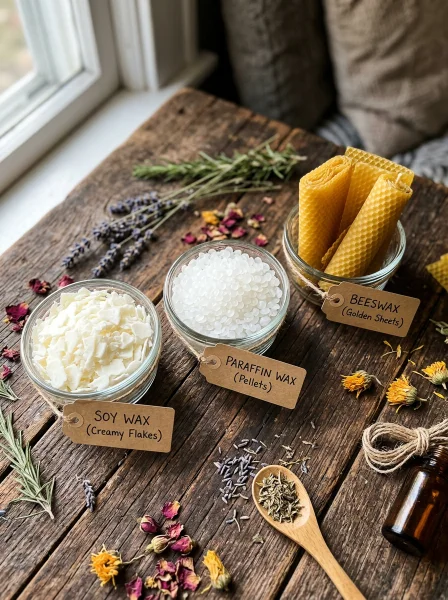
The “best” wax really depends on what you’re trying to achieve. Here’s a quick decision guide:
- For container candles (jars, tins): Soy wax is the top choice. It adheres well to glass and has a beautiful, natural finish.
- For pillar or molded candles: Paraffin or beeswax. Both hold their shape well and produce sharp details in molds.
- For gifting or selling: Soy wax strikes the right balance — it looks premium, burns cleanly, and appeals to eco-conscious buyers. It’s also a popular material for handmade gift craft ideas that feel thoughtful and personal.
- For maximum scent throw: Paraffin, especially for larger rooms or bold fragrance blends.
- For a 100% natural candle: Beeswax, especially if you want to avoid additives entirely.
Many experienced candle makers actually use wax blends — combining soy with a small percentage of paraffin or beeswax to get the best of multiple properties. For example, a 90% soy / 10% beeswax blend gives you better texture, longer burn time, and a cleaner finish than soy alone.
Tips for Getting Started With Homemade Candles
No matter which wax you choose, a few fundamentals will make your candle-making experience much smoother. Always use a proper wick size for your container diameter — an undersized wick causes tunneling, while an oversized one creates excessive soot. Test burn every new candle batch before gifting or selling.
When adding fragrance, stay within the recommended fragrance load for your wax type (typically 6–10% for soy, up to 12% for paraffin). Add fragrance oil at the right temperature — usually around 180°F for soy — to ensure proper binding. And always stir slowly to avoid introducing air bubbles.
Candle making is one of those home craft projects quick to learn but endlessly satisfying to master. With a little practice, you’ll be producing beautiful, professional-quality candles right from your kitchen. If you’re looking for budget-friendly ways to stock up on supplies, you’d be surprised what you can find.
Some crafters have even turned to dollar store crafts ideas to source jars, decorative items, and basic tools that make candle packaging look polished without spending a fortune.
Final Verdict: Soy Wax vs Paraffin vs Beeswax for Homemade Candles
After breaking down every angle of the Soy Wax vs Paraffin vs Beeswax: Which is Best for Homemade Candles? debate, there’s no single winner — because the best wax depends entirely on your goals, budget, and audience. Soy wax is ideal for most beginners and eco-conscious crafters.
Paraffin is still the go-to for strong scent and versatility. Beeswax is worth the investment for premium, all-natural candles with impressive burn time. Think about what matters most to you: Is it fragrance intensity?
Natural ingredients? Budget? Ease of use?
Once you know your priority, the choice becomes clear. Start with soy if you’re unsure — it’s the most forgiving and the most popular among home crafters for good reason. The bottom line: any of these three waxes can produce a stunning, high-quality candle.
The real magic comes from practice, experimentation, and paying attention to the details that make your candles uniquely yours. Ready to start pouring? Grab your wax of choice, set up your workspace, and try making your first batch this weekend.
Share your results in the comments below — we’d love to see what you create! And if you’re looking for more creative project inspiration beyond candles, there’s a whole world of crafting waiting for you.
Frequently Asked Questions
Q: Is soy wax really better than paraffin for homemade candles? A: It depends on your priorities. Soy wax burns cleaner, lasts longer, and is eco-friendly, making it a great choice for home crafters.
Paraffin, however, offers a stronger scent throw and better color retention. For most beginners asking about Soy Wax vs Paraffin vs Beeswax: Which is Best for Homemade Candles?, soy wax is often the recommended starting point because of its ease of use and natural appeal. Q: Can I mix different types of wax together?
A: Yes, wax blending is a popular technique among candle makers. Combining soy wax with a small amount of paraffin or beeswax can improve texture, scent throw, and finish quality. Just make sure to test your blend thoroughly before making a large batch.
Q: Which wax is best for scented candles? A: Paraffin wax typically delivers the strongest scent throw, both when the candle is cold and when it’s burning. Soy wax also performs well with fragrance oils, especially when blended correctly.
Beeswax has a natural honey scent that can compete with added fragrances, making it less ideal for highly scented candles. Q: Is beeswax worth the extra cost for homemade candles? A: If you value 100% natural ingredients, the longest burn time, and a beautiful warm glow, beeswax is absolutely worth the investment.
However, for most DIY candle projects — especially when weighing Soy Wax vs Paraffin vs Beeswax: Which is Best for Homemade Candles? on a budget — soy wax delivers excellent results at a fraction of the cost. Q: What wax is easiest for candle making beginners?
A: Soy wax is widely considered the most beginner-friendly option. It melts easily, adheres well to containers, is forgiving if you make mistakes, and cleans up with just soap and water. Starting with soy wax container candles gives beginners the best chance of success while keeping costs manageable.