Best Frames for DIY Wall Art: How to Choose the Right Size and Style
Have you ever created a stunning piece of DIY wall art, only to struggle with finding the perfect frame to showcase it? You’re not alone. Choosing the best frames for DIY wall art can feel overwhelming with countless options in materials, sizes, and styles available today.
The wrong frame can diminish your artwork’s impact, while the right one transforms it into a professional-looking masterpiece. In this comprehensive guide, you’ll learn everything about how to choose the right size and style for your DIY wall art frames. From understanding proportions to matching your home décor, we’ll cover practical tips that make frame selection effortless.
Whether you’re framing a hand-painted canvas, a pressed flower arrangement, or a custom photo collage, these insights will help you make confident choices every time.
Why Frame Selection Matters for DIY Wall Art
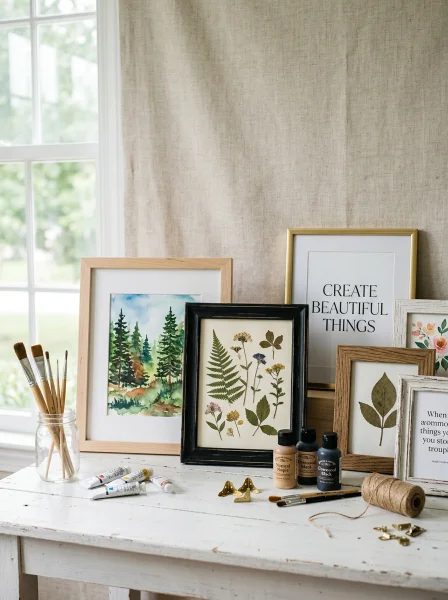
A frame does more than protect your artwork—it completes it. Think of frames as the bridge between your creative piece and the room where it hangs. The right frame draws attention to your art while complementing your existing décor.
When you invest time in creating DIY handmade gifts or personal artwork, presentation becomes crucial. A mismatched frame can make even the most beautiful piece look amateur. Conversely, a well-chosen frame elevates simple art into gallery-worthy displays.
Quality frames also protect your work from dust, humidity, and UV damage. This matters especially for artwork you’ve spent hours creating or pieces with sentimental value.
Understanding Frame Sizes: The Foundation of Perfect Presentation
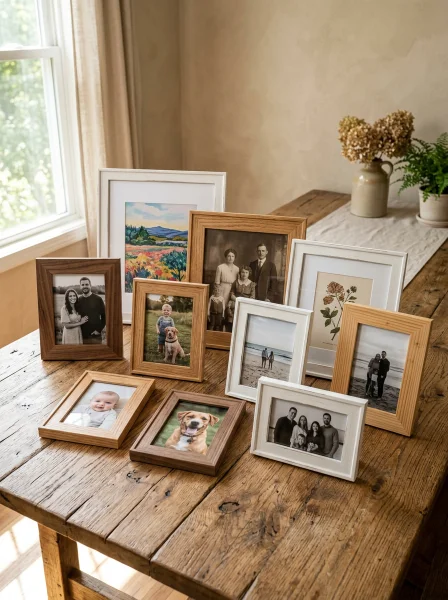
Getting the size right is your first critical decision. Too small, and your art looks cramped. Too large, and it overwhelms the piece or creates awkward empty space.
Standard Frame Sizes You Should Know
Most frames come in standard sizes measured in inches:
- 4×6 and 5×7: Perfect for small prints, photos, and mini artwork
- 8×10: The most popular size for medium artwork and portraits
- 11×14 and 12×16: Great for statement pieces without overwhelming small rooms
- 16×20 and 18×24: Ideal for larger artwork and gallery walls
- 24×36: Best for focal point pieces in spacious rooms
When exploring fun crafts to make at home, consider your intended frame size before starting. This helps you create artwork that fits perfectly without awkward cropping.
How to Measure Your DIY Art Correctly
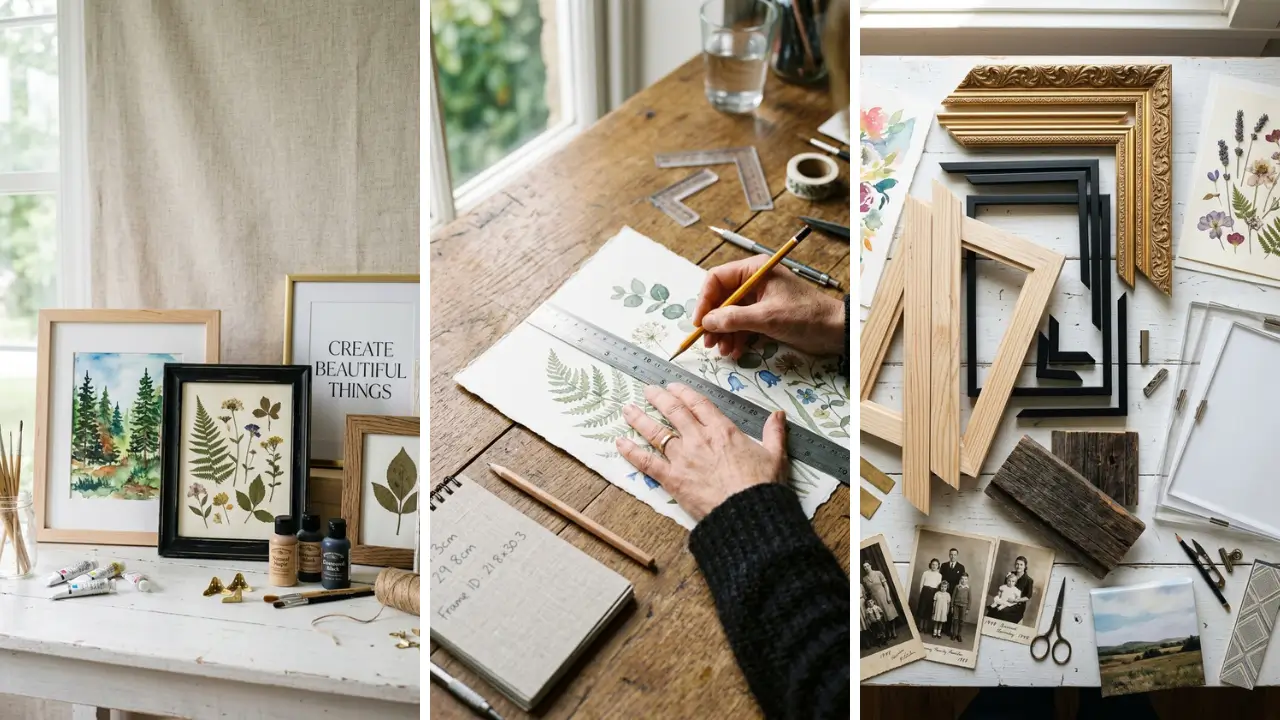
Always measure your artwork at its widest and tallest points. Add at least 1-2 inches if you want a mat border around your piece. For instance, an 8×10 artwork with a 2-inch mat requires a 12×14 frame.
Pro tip: Measure twice before purchasing. Frame returns can be frustrating, especially with custom orders.
Best Frame Materials for Different DIY Art Types
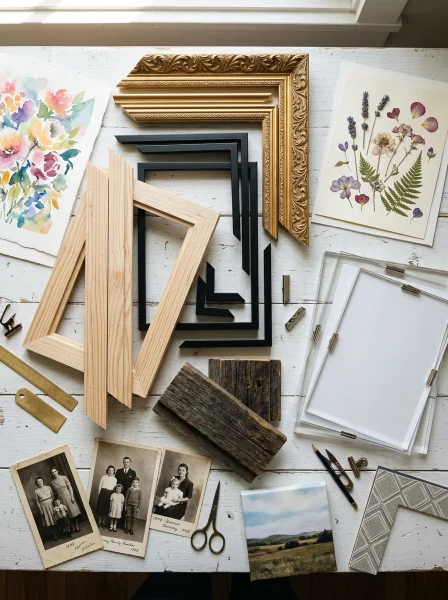
The material of your frame dramatically affects both appearance and durability. Here’s what works best for various DIY projects.
Wood Frames: Classic and Versatile
Wood frames remain the most popular choice for DIY wall art. They offer warmth, durability, and endless finish options. Natural wood tones work beautifully with rustic or bohemian décor, while painted wood frames suit modern spaces.
Best for: Canvas paintings, fabric art, mixed media pieces, and traditional artwork. Solid wood frames cost more but last decades. MDF or composite wood frames offer budget-friendly alternatives that still look great.
Metal Frames: Sleek and Contemporary
Aluminum and steel frames create clean, modern lines. They’re lightweight, durable, and won’t warp in humid conditions. Black metal frames add drama, while silver and gold tones bring elegance.
Best for: Photography, minimalist art, digital prints, and modern abstract pieces.
Floating Frames: Showcasing Three-Dimensional Art
Floating frames suspend artwork between two pieces of glass or acrylic, creating a stunning shadowbox effect. These frames work perfectly for pressed flowers, paper cutouts, and layered designs. If you enjoy home craft projects quick and easy to complete, floating frames add instant sophistication without complex framing techniques.
Choosing Frame Styles That Match Your Décor
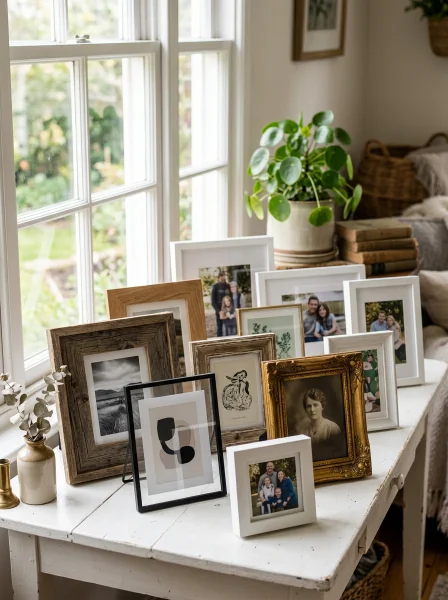
Your frame should complement both your artwork and your room’s aesthetic. Here’s how to match frames to popular interior design styles.
Minimalist and Modern Spaces
Stick to thin profiles in black, white, or natural wood. Avoid ornate details or heavy moldings. Simple gallery frames with clean edges work best.
Consider frameless options like acrylic panels for ultra-modern looks.
Traditional and Classic Interiors
Embrace wider frames with decorative moldings. Gold, bronze, and rich wood tones add warmth and formality. Ornate corners and vintage-inspired designs enhance traditional artwork beautifully.
Bohemian and Eclectic Rooms
Mix and match frame styles freely. Rattan, bamboo, and distressed wood frames add texture and character. Don’t be afraid to combine different finishes—this style celebrates intentional mismatching.
Farmhouse and Rustic Aesthetics
Weathered wood, whitewashed finishes, and reclaimed materials define this style. Look for frames with visible grain and imperfections. Barn wood frames or simple painted pine work wonderfully.
When sourcing frames affordably, explore dollar store crafts ideas for budget-friendly options that look surprisingly expensive with a little customization.
The Best Frames for DIY Wall Art: Style-Specific Recommendations
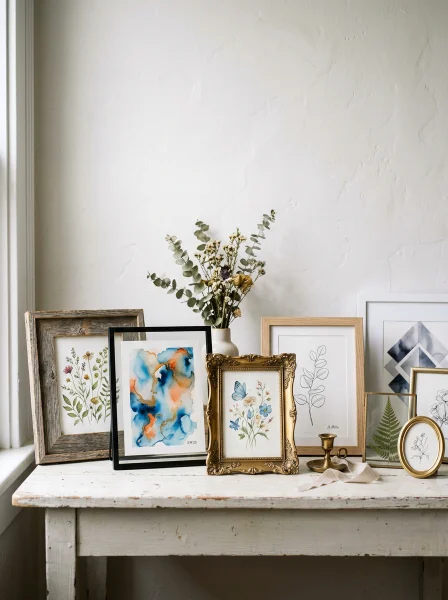
Different types of DIY art benefit from specific frame choices. Here’s a detailed breakdown to guide your selection.
Paintings and Canvas Art
For stretched canvas, floater frames create a professional gallery appearance. These frames wrap around the canvas edges, adding depth without covering your work. Traditional profile frames work better for paper-based paintings that need mounting.
Material recommendation: Wood frames in natural or painted finishes.
Photography and Digital Prints
Thin metal frames let photos speak for themselves. Black aluminum frames suit black-and-white photography, while warm wood tones complement landscape and portrait photos. Always use UV-protective glass to prevent fading.
Paper Crafts and Illustrations
White or off-white mats create breathing room around delicate paper art. Choose frames with acid-free backing to prevent yellowing over time. Shadow boxes protect dimensional paper crafts like quilling and origami.
Textile and Fabric Art
Deep frames or shadow boxes accommodate thicker materials. Consider frameless mounting on stretched bars for larger textile pieces. Natural wood frames complement fabric textures without competing for attention.
How to Choose the Right Size Frame for Your Wall Space
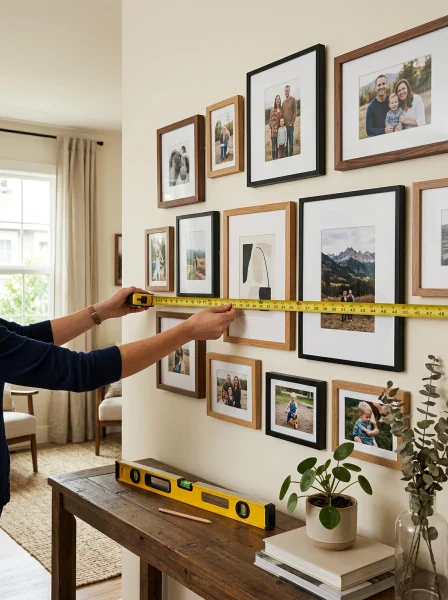
Your artwork and frame should fit proportionally within your wall space. These guidelines help you choose wisely.
The Two-Thirds Rule
Your framed art should occupy roughly two-thirds the width of the furniture below it. Above a sofa, for example, a grouping or single piece should span approximately two-thirds of the couch’s width.
Height Considerations
Hang artwork so the center sits at eye level—typically 57-60 inches from the floor. For larger pieces, this might mean the top edge sits higher than expected. Consider viewing angles in rooms where people usually sit versus stand.
Gallery Wall Sizing
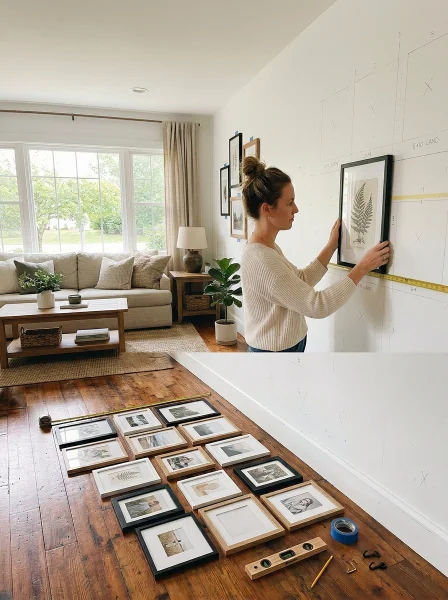
Mix frame sizes intentionally for visual interest. Start with one large anchor piece, then surround it with medium and small frames. Maintain consistent spacing of 2-3 inches between frames for cohesion.
Creating a gallery wall showcases multiple handmade gift craft ideas you’ve collected or created over time, turning your wall into a personalized art display.
Mat Selection: The Secret to Professional-Looking Results
Mats provide visual separation between artwork and frame, adding polish and protection. Choosing the right mat elevates your DIY art significantly.
Mat Width Guidelines
Standard mat widths range from 1.5 to 4 inches. Smaller artwork benefits from narrower mats, while larger pieces can handle wider borders. As a general rule, mat width should be proportional to artwork size.
Color Selection Tips
White and off-white mats remain timeless choices that work with nearly everything. Colored mats can enhance specific tones in your artwork—pull from a secondary color rather than the dominant shade for subtle impact. Avoid overwhelming your art with busy or contrasting mat colors unless creating intentional dramatic effect.
Budget-Friendly Frame Solutions for DIY Artists
Beautiful framing doesn’t require breaking the bank. Here are smart strategies for affordable frame shopping.
Thrift Store and Secondhand Finds
Vintage frames from thrift stores often feature quality construction at fraction of retail prices. A coat of spray paint transforms dated frames into modern pieces matching any décor.
Multi-Pack Frame Sets
Buying frames in bulk reduces per-unit costs significantly. These sets work perfectly for gallery walls or multiple pieces from the same project series.
DIY Frame Customization
Start with basic frames and customize them yourself. Add texture with fabric wrapping, paint techniques, or decorative elements. This approach creates unique frames that perfectly match your vision.
Common Framing Mistakes to Avoid
Even experienced DIY artists make these framing errors. Learn from common mistakes to achieve better results.
- Choosing style over function: Ensure your frame adequately protects and supports your artwork’s weight
- Ignoring room lighting: Reflective glass creates glare in bright rooms—consider non-glare alternatives
- Mismatched proportions: Ornate frames overwhelm small delicate art; simple art gets lost in elaborate frames
- Skipping mounting hardware: Heavy frames require appropriate wall anchors to prevent accidents
- Forgetting conservation materials: Acid-free mats and UV glass protect valuable artwork long-term
Conclusion: Creating Gallery-Worthy Displays with the Best Frames for DIY Wall Art
Selecting the best frames for DIY wall art transforms your creative efforts into stunning home décor. Remember that frame size should complement both your artwork and wall space, while style choices should harmonize with your room’s aesthetic. Start by measuring your art accurately, then consider materials and finishes that enhance your piece without overwhelming it.
Don’t overlook the importance of quality mats and proper mounting for truly professional results. Understanding how to choose the right size and style empowers you to make confident framing decisions every time. Whether you prefer minimalist metal frames or ornate wooden designs, the perfect frame exists for every piece you create.
The investment in proper framing pays dividends in how your artwork looks and lasts. Your DIY creations deserve presentation that honors the time and creativity you’ve invested. Ready to frame your next project?
Start measuring your favorite pieces today and explore frame options that speak to your style. Share your framed DIY artwork results in the comments below—we’d love to see your creative displays!
Frequently Asked Questions
Q: What is the best frame size for DIY wall art in a living room? A: For living rooms, 16×20 or 18×24 inch frames work well as focal points above sofas or mantels. Consider the two-thirds rule—your framed art should span roughly two-thirds the width of furniture below it for balanced proportions.
Q: How do I choose the right style frame for handmade artwork? A: Match your frame style to both your artwork’s character and room décor. Delicate watercolors suit thin, simple frames while bold abstract pieces can handle substantial frames with texture.
Always let your artwork remain the star. Q: Are expensive frames worth it for DIY wall art projects? A: Quality frames protect artwork better and last longer, but budget options work well for casual pieces.
Invest in better frames for sentimental artwork or pieces displayed in prominent locations. Thrift store finds offer quality at lower prices. Q: What’s the best frame material for preserving DIY wall art long-term?
A: Solid wood frames with acid-free mats and UV-protective glass offer the best preservation for valuable DIY art. These materials prevent fading, yellowing, and deterioration over time, keeping your artwork looking fresh for years. Q: How do I choose the right size and style when creating a gallery wall with DIY art?
A: For gallery walls, vary frame sizes intentionally while maintaining visual cohesion through consistent colors or materials. Use one large anchor piece surrounded by medium and small frames. Maintain 2-3 inch spacing between frames for professional results.