The Decluttering Method That Actually Works, Room by Room

Does your home feel like it’s slowly drowning in stuff? You’re not alone. The average household contains over 300,000 items, and most of us struggle to manage it all effectively.
The solution isn’t buying more storage bins. It’s implementing the decluttering method that actually works—a systematic room-by-room approach that creates lasting organization. This guide breaks down 15+ actionable strategies for every space in your home.
Let’s dive in…
1. Entryway Command Center
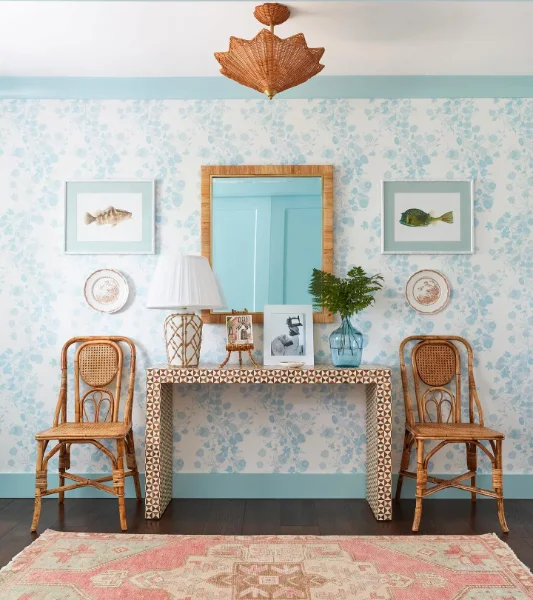
- Wall-mounted hooks or rack
- Small basket or tray
- Shoe rack or mat
- Key holder or bowl
Your entryway sets the tone for your entire home. A cluttered entrance creates daily stress before you even step inside. Creating a command center transforms this chaos into functional order.
Install hooks at varying heights for bags and coats. Place a designated tray for keys, wallets, and sunglasses. This prevents the endless “where did I put my keys” morning panic.
Add a shoe rack or mat to contain footwear. Everything entering your home now has an immediate landing spot. This simple system prevents clutter from spreading further inside.
2. Living Room Reset Strategy

- Decorative storage baskets
- Coffee table with hidden storage
- Floating shelves
- Cable management clips
The living room collects random items like a magnet. Remote controls, magazines, blankets, and toys accumulate on every surface. Start by identifying horizontal surface clutter—that’s your biggest enemy.
Use decorative baskets to corral throw blankets and pillows. Choose a coffee table with storage to hide remotes and coasters. Floating shelves display items vertically instead of cluttering tables.
Tackle cable chaos with management clips behind your entertainment center. A tidy living room feels twice as large. You’ll actually want to spend time relaxing there.
3. Kitchen Drawer Transformation

- Adjustable drawer dividers
- Utensil organizer tray
- Clear storage containers
- Labels or label maker
The junk drawer is actually a symptom, not the problem. Your entire kitchen needs a categorization system. Start by emptying every single drawer completely onto your counter.
Sort items into categories: cooking utensils, serving tools, gadgets you actually use, and items for donation. Be ruthless with duplicate items—you don’t need five spatulas. Install adjustable dividers that accommodate your specific tools.
If you enjoy home craft projects quick solutions, creating custom drawer organizers works beautifully. Clear containers let you see everything at a glance. Label each section for family members to maintain the system.
4. Pantry Perfection System

- Clear airtight containers
- Lazy Susan turntables
- Shelf risers
- Door-mounted organizer
- Chalkboard labels
A disorganized pantry leads to wasted food and money. Items get lost behind other products and expire unnoticed. The solution is creating visible zones for every food category.
Transfer dry goods into clear, airtight containers. You’ll see exactly what you have and when supplies run low. Use lazy Susans for oils, vinegars, and condiments that hide in back corners.
Install shelf risers to create two-level storage on each shelf. Mount an organizer inside the door for spices and small packets. Your pantry becomes a mini grocery store where everything is visible and accessible.
5. Refrigerator Zone Method

- Clear storage bins
- Egg holder container
- Lazy Susan for condiments
- Produce storage containers
Your refrigerator needs the same zone treatment as your pantry. Assign specific areas for dairy, proteins, fruits, vegetables, and leftovers. This prevents mystery containers from haunting your fridge.
Use clear bins to group similar items together. A dedicated leftover zone at eye level ensures you actually eat those meals. Keep produce in proper humidity-controlled containers to extend freshness.
Place a small lazy Susan for condiments on the top shelf. No more digging behind jars to find the mustard. A organized fridge makes meal planning effortless and reduces grocery overspending.
6. Bathroom Cabinet Overhaul

- Stackable clear bins
- Under-sink sliding organizer
- Magnetic strip for bobby pins
- Tiered shelf organizer
Bathroom cabinets become graveyards for expired products. Half-used lotions, old medications, and forgotten samples pile up endlessly. Start by checking expiration dates on everything you own.
Dispose of anything expired, dried out, or unused for over six months. Group remaining items by category: skincare, haircare, dental, and first aid. Use stackable clear bins so you see everything without digging.
Install a sliding organizer under the sink for cleaning supplies. Mount a magnetic strip inside cabinet doors for bobby pins and tweezers. These small changes create massive storage capacity in tiny bathroom spaces.
7. Linen Closet Liberation

- Fabric storage bins
- Shelf dividers
- Vacuum storage bags
- Door-mounted towel rack
Linen closets overflow because we keep too many sets. The truth? You only need two sets per bed—one on the mattress, one washing.
Apply this rule to towels too. Donate excess linens to animal shelters that desperately need them. Fold remaining sets using the file-folding method so you see everything at once.
Store matching sheet sets inside their own pillowcase. Use fabric bins for categories like beach towels, seasonal blankets, and guest supplies. Vacuum bags compress bulky comforters to a fraction of their size.
Your linen closet suddenly has breathing room.
8. Bedroom Nightstand Minimalism

- Small drawer organizer
- Cord management box
- Single decorative tray
- Reading light with storage
Nightstands attract clutter like nowhere else. Books, phones, lotions, medications, and random objects pile high. This visual chaos disrupts your sleep quality without you realizing it.
Limit your nightstand surface to three items maximum: lamp, phone, and one personal item. Use a decorative tray to contain these pieces and prevent spread. Everything else goes inside the drawer.
Organize drawer contents with small dividers. A cord management box hides charging cables neatly. Your bedroom becomes the peaceful sanctuary it’s supposed to be.
9. Closet Capsule Creation

- Matching hangers
- Shelf dividers
- Hanging organizer for accessories
- Shoe rack or clear boxes
- Drawer dividers
Most people wear 20% of their wardrobe 80% of the time. Yet closets burst with unworn clothes causing daily decision fatigue. The capsule wardrobe concept solves this beautifully.
Remove everything from your closet completely. Only return items you’ve worn in the past year and truly love. Replace mismatched hangers with slim matching ones—this alone creates significant space.
Organize remaining clothes by category, then by color within each category. Use shelf dividers to keep folded stacks neat. Store shoes in clear boxes so you actually see and wear them all.
For items that need creative repurposing, explore DIY handmade gifts to transform old textiles into meaningful presents.
10. Kids Room Rotation System

- Labeled storage bins
- Low shelving unit
- Toy hammock or net
- Picture labels for young children
Children’s rooms become overwhelming quickly. Too many toys actually decrease creative play. Kids feel overwhelmed by choices and lose interest faster.
The rotation system fixes this. Divide toys into three groups and store two groups away. Rotate groups monthly for renewed excitement.
Use low shelving so children can access and return toys independently. Label bins with pictures for pre-readers. A toy hammock in the corner catches stuffed animals that multiply mysteriously.
Teaching kids to maintain this system builds lifelong organizational skills.
11. Home Office Paper Purge

- Filing cabinet or accordion folder
- Desktop inbox tray
- Shredder
- Scanner or scanning app
Paper clutter overwhelms home offices faster than anything else. Bills, receipts, mail, and documents create anxiety-inducing piles. A simple system eliminates paper chaos permanently.
Create only four paper categories: action needed, reference, archive, and shred. Process incoming paper daily into these categories. Digitize documents whenever possible using a scanner or phone app.
Keep an inbox tray for papers requiring action. File reference documents immediately. Shred sensitive documents weekly rather than letting them accumulate dangerously.
If you’re looking for fun crafts to make at home, consider turning old paper into handmade paper art.
12. Garage Zone Defense

- Heavy-duty wall hooks
- Ceiling storage system
- Labeled plastic bins
- Pegboard with accessories
- Shelving units
Garages become dumping grounds for everything that doesn’t fit elsewhere. The solution is creating dedicated zones: automotive, sports, gardening, tools, and seasonal storage. Install wall hooks for bikes, ladders, and large equipment.
Use ceiling-mounted storage for seasonal decorations and rarely-used items. Pegboard systems organize tools visibly and accessibly. Label every bin clearly so family members maintain the system.
Create a clear floor path for walking and parking. You can even try dollar store crafts ideas for creating budget-friendly garage organization solutions.
13. Laundry Room Efficiency
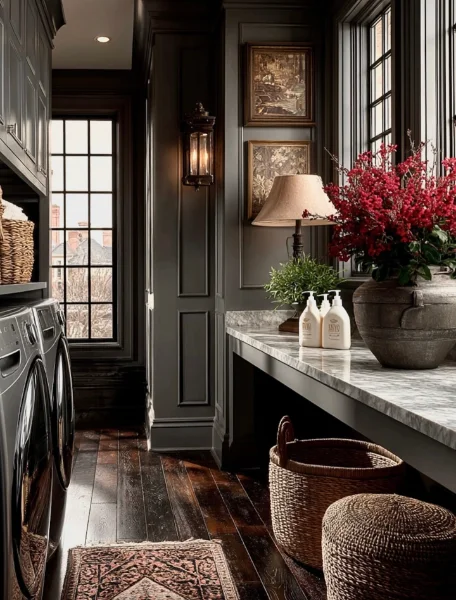
- Sorting hamper with sections
- Wall-mounted drying rack
- Shelf above washer/dryer
- Detergent dispenser containers
Laundry rooms often lack proper organization despite heavy daily use. A multi-section hamper eliminates sorting time completely. Family members sort as they undress.
Install a shelf above machines for detergents and supplies. Transfer products into matching dispensers for a clean, coordinated look. Mount a folding drying rack that stores flat against the wall.
Keep a small container for items found in pockets. A lost sock basket reunites pairs over time. These small systems make laundry less overwhelming.
Consider creating handmade gift craft ideas from mismatched socks instead of throwing them away.
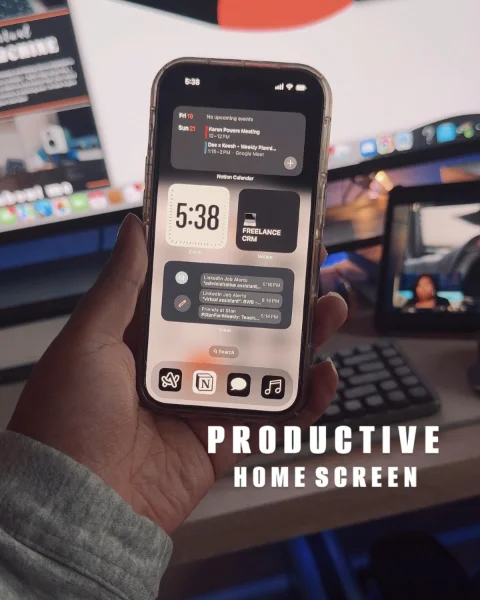
14. Digital Declutter Protocol
- Cloud storage service
- Password manager app
- Photo organization software
- External hard drive for backup
Digital clutter affects mental clarity just like physical clutter. Thousands of unorganized photos, emails, and files create invisible stress. Your devices need decluttering too.
Unsubscribe from email lists you never read. Create folders for important emails and archive or delete the rest weekly. Organize photos into dated albums immediately after taking them.
Delete unused apps from your phone monthly. Use a password manager instead of sticky notes. Back up important files to both cloud storage and an external drive for safety.
15. Maintenance Momentum System

- Weekly cleaning checklist
- Donation box (always ready)
- Calendar reminders
- Family task assignments
Decluttering means nothing without maintenance systems. Clutter returns within weeks if you don’t create prevention habits. The maintenance momentum system keeps spaces permanently organized.
Keep a donation box in your closet at all times. When you notice unwanted items, immediately add them. Schedule monthly decluttering sessions for each room on your calendar.
Assign age-appropriate organizational tasks to family members. Daily tidying takes only ten minutes when everyone participates. Consistency transforms decluttering from a project into a lifestyle.
16. Sentimental Item Solutions

- Memory box (one per person)
- Photo scanning service
- Shadow box frames
- Digital photo frame
Sentimental items are the hardest decluttering challenge. We keep things out of guilt rather than genuine attachment. The solution is honoring memories without hoarding objects.
Limit sentimental items to one box per family member. If it doesn’t fit, something must go. Photograph items before donating to preserve the memory without the physical clutter.
Display a few treasured pieces in shadow boxes as art. Use a digital photo frame to rotate meaningful photographs. You honor the past without sacrificing your present living space.
There you have it—the decluttering method that actually works through a comprehensive room-by-room guide. These 16 strategies transform overwhelming chaos into peaceful, organized spaces throughout your entire home. Remember, decluttering isn’t a one-time event but a lifestyle shift.
Grab your storage bins and labels and start creating your organized home today! Share your favorite ideas in the comments below!
Rate this post