Best Craft Supplies for Beginners: The Complete Starter Kit List

Ever walked into a craft store and felt completely overwhelmed by the endless aisles of supplies? You’re not alone. Finding the best craft supplies for beginners: the complete starter kit list can feel like searching for a needle in a haystack when you don’t know where to start.
The good news? You don’t need to buy everything to begin your creative journey. Whether you’re looking to create personalized presents, explore a new hobby, or simply unwind after a long day, having the right supplies makes all the difference.
This guide breaks down exactly what you need—nothing more, nothing less. By the end, you’ll have a clear shopping list that won’t break the bank or clutter your space. Let’s dive into the essential supplies that will set you up for crafting success from day one.
Essential Cutting and Measuring Tools for Your Craft Kit

Every successful craft project starts with precision. Without proper cutting and measuring tools, even the best ideas can turn into frustrating messes. These basics form the foundation of your starter kit.
Must-Have Scissors and Cutting Tools

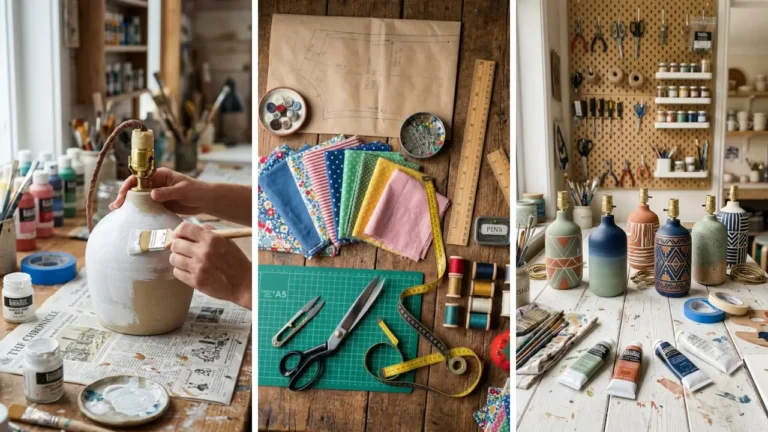
Invest in a quality pair of craft scissors—they’ll last years with proper care. Look for comfortable handles and sharp stainless steel blades. A self-healing cutting mat paired with a rotary cutter is perfect for fabric projects and straight cuts.
Don’t forget a basic craft knife for detailed work. The precision you get from a sharp blade is unmatched for intricate designs. Many beginners discover that exploring fun crafts to make at home becomes much easier once they have reliable cutting tools.
Measuring Essentials
A clear acrylic ruler (at least 12 inches) is indispensable. The transparency helps you align patterns and measure precisely. Add a flexible measuring tape for curved surfaces and fabric measurements.
A T-square or quilter’s ruler helps ensure your angles are perfect. Nothing ruins a project faster than crooked cuts that should have been straight.
Best Craft Supplies for Beginners: Adhesives and Fasteners

Choosing the right adhesive can make or break your project—literally. Different materials require different bonding solutions, and having variety in your kit means you’re always prepared.
Glue Types Every Beginner Needs
Start with these essential adhesives:
- White craft glue (PVA) – Perfect for paper, cardboard, and porous materials
- Glue sticks – Quick-drying and mess-free for paper crafts
- Hot glue gun – Versatile for fabric, wood, and 3D projects
- Clear-drying adhesive – Ideal when visibility matters
A low-temperature glue gun is safer for beginners and works well for most projects. Once you’re comfortable, you can upgrade to dual-temperature models.
Beyond Glue: Other Fastening Options
Stock up on double-sided tape for clean, instant bonds. Washi tape serves double duty as both decoration and temporary fastening. Brads, eyelets, and basic sewing needles with thread expand your possibilities tremendously.
When creating handmade gift craft ideas, having multiple fastening options lets you choose what works best for each unique project.
Paper and Cardstock: The Backbone of Beginner Crafts

Paper crafts offer the lowest barrier to entry for new crafters. They’re affordable, forgiving, and endlessly versatile. Building a solid paper collection opens doors to countless projects.
Types of Paper to Stock
Cardstock in various colors forms the foundation of most paper crafts. Aim for 65-80 lb weight for versatility. White, black, and a selection of colors you love will serve you well.
Patterned scrapbook paper adds visual interest without extra work. Start with a coordinated pack—usually 20-30 sheets in complementary designs. Specialty papers like vellum, kraft paper, and metallic options can wait until you have specific projects in mind.
Storage Tips for Paper Supplies
Keep paper flat and away from humidity. A simple accordion file organizer sorted by color family prevents wrinkles and makes finding what you need effortless. Magazine holders work great for storing cardstock vertically.
Coloring Supplies: Markers, Paints, and Beyond

Adding color transforms simple projects into eye-catching creations. But with endless options available, where should a beginner start? Focus on versatility over quantity.
Markers and Pens
A basic set of dual-tip markers gives you both fine detail work and broader coverage. Water-based markers are beginner-friendly and easy to clean. Permanent markers in black, white, and metallics handle labeling and detail work on various surfaces.
Brush pens have gained popularity for hand lettering and watercolor effects. A starter set of 12-24 colors covers most needs without overwhelming your workspace.
Acrylic Paints for Beginners
Acrylic paint is the most forgiving medium for new crafters. It dries quickly, cleans up with water, and works on almost any surface. Start with primary colors (red, blue, yellow) plus black and white—you can mix any shade you need.
Grab a variety pack of brushes including flat, round, and detail sizes. Synthetic brushes work perfectly for acrylics and cost less than natural hair options. Many crafters who enjoy home craft projects quick find that a small paint collection goes a long way.
Fabric and Fiber Supplies for Textile Crafts

Even if sewing isn’t your main focus, having basic fabric supplies expands what you can create. No-sew projects are hugely popular and require minimal investment to start.
Fabric Basics
Cotton fabric is the most versatile choice for beginners. Fat quarters (pre-cut 18″ x 22″ pieces) let you build a varied collection affordably. Felt is another beginner-friendly option—it doesn’t fray, making it perfect for ornaments and simple projects.
Ribbon, twine, and decorative trim add finishing touches to any project. A small collection of neutrals plus a few accent colors covers most needs.
Simple Sewing Supplies
You don’t need a sewing machine to work with fabric. Hand sewing needles in various sizes, quality thread in basic colors, and sharp fabric scissors handle most beginner projects. Add pins and a pincushion for convenience.
Iron-on adhesive (like Heat n Bond) creates no-sew bonds between fabrics. This product alone opens up possibilities from appliqué to custom patches.
Cheap Fabric Substitutes That Still Look Good
Fabric bought by the yard at a craft store is one of the fastest ways to burn through a beginner budget. These substitutes cost a fraction, and in a couple of cases are simply better material:
- Hardware-store drop cloths — heavy natural canvas for curtains, pillow covers, and table runners, at a fraction of decorator fabric. The canvas texture suits farmhouse, boho, and minimalist styles.
- Burlap and jute — rustic texture for table runners, wrapped vases, and wall hangings.
- Felt sheets — they do not fray, so nothing needs hemming, and they come in nearly every colour. Ideal for coasters, wall art, and cut flowers.
- Old t-shirts — cut into strips, jersey curls in on itself and hides its own raw edges. That is exactly why it works for woven rugs and wall hangings and why you do not need to finish it.
- Thrift-store bedsheets — large uncut pieces for curtains, tablecloths, or upholstery, often a higher-quality weave than craft-store yardage and cheaper per square metre.
Embellishments That Transform Simple Projects
The right embellishments turn ordinary crafts into something special. These small additions often make the biggest visual impact.
Popular Embellishment Categories
Build your collection gradually with:
- Buttons – Both functional and decorative
- Beads – Various sizes and materials
- Sequins and glitter – For sparkle and shine
- Stickers and die-cuts – Instant decoration
- Stamps and ink pads – Repeatable designs
Start small and add to your stash as you discover your crafting style. Watching for sales and checking out dollar store crafts ideas can help you stock up without overspending.
Organizing Small Embellishments
Small containers with compartments keep tiny items sorted and visible. Tackle boxes, bead organizers, and even ice cube trays work perfectly. Clear containers help you see what you have at a glance.
Storage and Organization Solutions
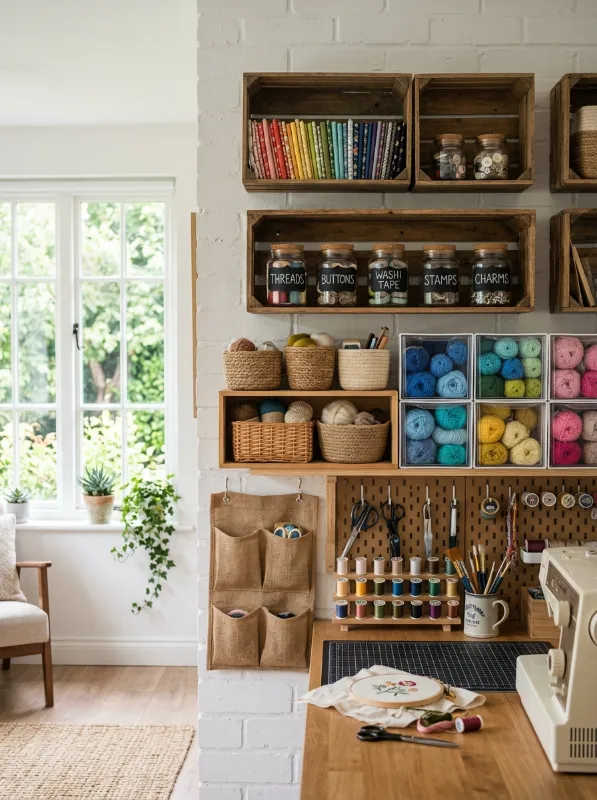
An organized craft space makes creating enjoyable rather than frustrating. Even small spaces can be functional with smart storage solutions.
Portable Storage Options
A craft caddy or tote keeps essential supplies together and portable. You can craft anywhere—the kitchen table, living room, or even outdoors. Look for options with handles and multiple compartments.
Mason jars, recycled containers, and drawer organizers cost little but add tremendous organization. Clear storage always wins over opaque options—you’ll actually use supplies you can see.
Designating Craft Zones
Even without a dedicated craft room, creating zones helps. Keep your most-used supplies within arm’s reach. Store project-specific materials together so starting a project doesn’t require a scavenger hunt.
Budget-Friendly Tips for Building Your Starter Kit

You don’t need to spend a fortune to start crafting. Strategic shopping stretches your budget while still getting quality supplies.
Where to Find Deals
Major craft stores offer regular coupons—40-50% off single items is common. Sign up for email lists and apps to never miss a sale. Thrift stores often have gently used supplies at a fraction of retail prices.
Online marketplaces and destash sales from experienced crafters offer another budget-friendly option. You might find premium supplies someone else no longer needs.
Quality vs. Quantity
Invest in quality cutting tools and adhesives—cheap versions frustrate more than they save. For consumables like paper and paint, budget options often work perfectly well. Buy basics first, then expand based on actual projects you want to try.
The best craft supplies for beginners: the complete starter kit list doesn’t mean buying everything at once.
Putting Your Starter Kit to Work
Once you’ve gathered your supplies, the real fun begins. Start with simple projects that use what you have. As you complete each creation, you’ll discover what additional supplies would help your specific crafting interests.
Creating DIY handmade gifts is an excellent way to practice new skills while producing something meaningful. Handmade presents carry emotional value that store-bought items simply can’t match. Don’t stress about perfection—every crafter’s first projects looked rougher than their hundredth.
The learning process is part of the joy.
Conclusion
Building the best craft supplies for beginners: the complete starter kit list doesn’t require emptying your wallet or filling your home with supplies you’ll never use. Focus on versatile basics—quality cutting tools, essential adhesives, paper variety, basic coloring supplies, and a selection of embellishments. Start small and let your collection grow organically based on the projects that excite you most.
The best supplies are the ones you’ll actually use, not the fanciest options available. With these essentials in hand, you’re ready to explore endless creative possibilities. Your crafting journey starts with a single project.
Gather your supplies, choose something simple, and enjoy the satisfaction of making something with your own hands. Ready to start crafting? Share your first project plans in the comments below, or tell us which supplies you’re most excited to try!
If you found this guide helpful, pass it along to a friend who’s been wanting to explore their creative side.
FAQ
What are the best craft supplies for beginners on a tight budget? Focus on scissors, white glue, a glue stick, basic cardstock, and markers. These versatile supplies cost under $20 total and enable dozens of different projects.
Add specialty items only as needed for specific crafts. How much should I spend on a complete craft starter kit? A solid beginner kit ranges from $50-100 depending on quality and quantity.
Prioritize spending on tools you’ll use repeatedly, like scissors and cutting mats, while saving money on consumable items. What craft supplies do I need for making handmade gifts? Paper, cardstock, adhesives, ribbons, and basic embellishments cover most gift-making projects.
Add paint or markers for personalization. These supplies enable cards, gift tags, decorated containers, and simple home décor items. Should beginners buy craft supply kits or individual items?
Both approaches work well. Kits offer convenience and often better value, but may include items you won’t use. Buying individual supplies lets you choose exactly what you need but requires more planning.
Where can I find the best deals on craft supplies for beginners? Watch for sales at major craft retailers, use coupons consistently, and check dollar stores for basics. Online marketplaces, thrift stores, and crafter destash groups also offer significant savings on quality supplies.