12 Wall Art Painting Techniques for Beginners
Want to transform your blank walls into stunning masterpieces but feel intimidated by traditional painting? The truth is, you don’t need years of art school training to create beautiful wall art. These beginner-friendly painting techniques will help you achieve professional-looking results with minimal experience.
Whether you’re decorating your first apartment or refreshing your living space, mastering these fundamental methods opens endless creative possibilities. Let’s dive in…
1. Classic Dry Brush Method
- Flat bristle brush
- Acrylic paint
- Canvas or wood panel
- Paper towels
- Palette or plate
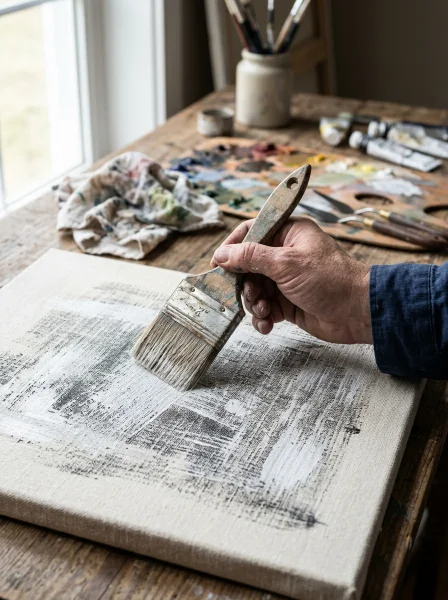
The dry brush technique creates gorgeous textured effects that look incredibly sophisticated. You’ll load your brush with paint, then wipe most of it off on a paper towel before applying it to your surface. This method works beautifully for creating weathered wood effects, abstract landscapes, and rustic wall pieces.
The key is using very little paint and applying light, sweeping strokes across your canvas. Your brush should feel almost scratchy against the surface. This technique is perfect for those exploring fun crafts to make at home during weekends.
2. Easy Sponge Painting
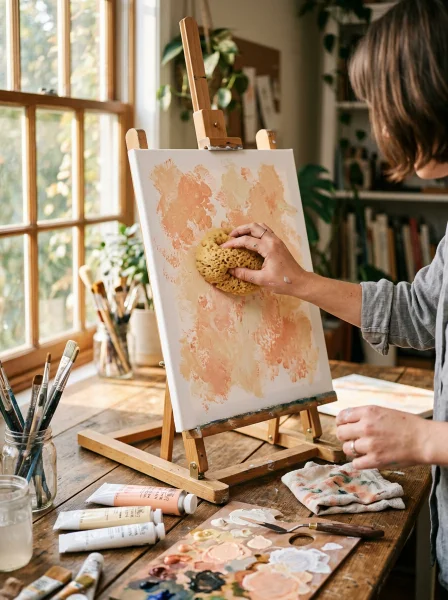
- Natural sea sponge
- Acrylic craft paint
- Base-coated canvas
- Disposable plates
- Water container
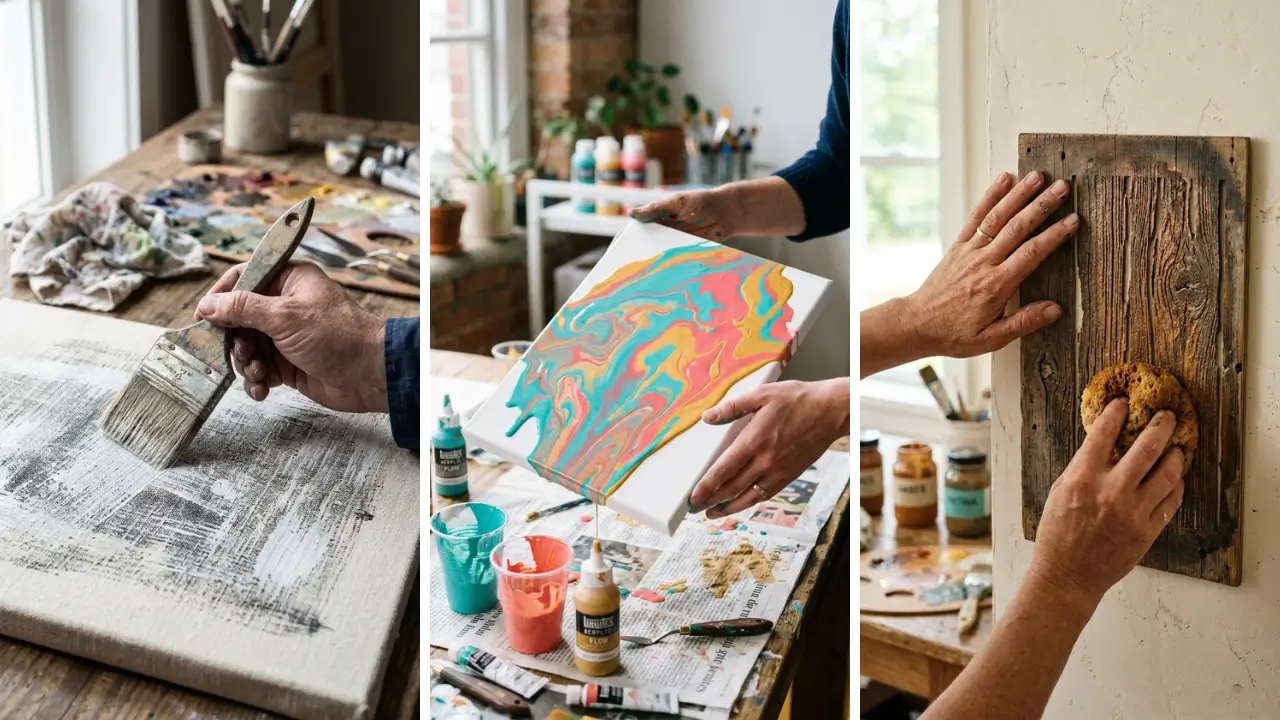
Sponge painting delivers instant gratification with minimal skill required. Simply dip a natural sea sponge into your chosen paint colors and dab it onto your prepared surface. This technique creates beautiful organic patterns that mimic expensive textured wallpaper.
You can layer multiple colors for depth or stick with a single shade for subtle elegance. The irregular surface of sea sponges produces random, non-repetitive patterns every time. Synthetic sponges work too but create more uniform textures.
3. Stunning Color Washing
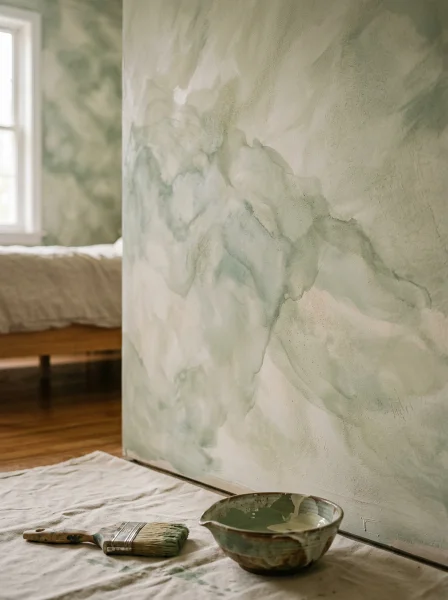
- Latex or acrylic paint
- Glazing medium
- Large soft-bristle brush
- Clean cotton rags
- Mixing container
Color washing produces an elegant, old-world plaster effect that adds incredible depth to any wall art piece. You’ll mix paint with glazing medium to create a translucent wash. Apply the mixture in random, overlapping strokes using a large soft brush.
Work quickly before the glaze dries, blending as you go with clean rags. This technique works wonderfully over a white or light-colored base coat. The layered transparency creates movement and visual interest that solid colors simply cannot achieve.
4. Modern Geometric Taping
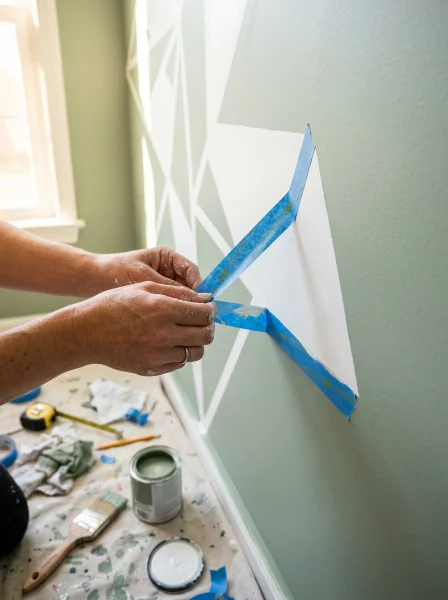
- Painter’s tape
- Multiple paint colors
- Foam roller or brush
- Canvas panel
- Ruler or level
Create crisp, professional geometric designs using nothing more than painter’s tape and your favorite colors. This technique requires patience but delivers gallery-worthy results every time. Plan your design first by sketching it on paper.
Apply tape firmly to your canvas, ensuring all edges are sealed completely to prevent paint bleeding underneath. Paint each section and allow it to dry before removing the tape. If you enjoy this type of project, you might also love creating DIY handmade gifts using similar precision techniques.
5. Textured Palette Knife Art
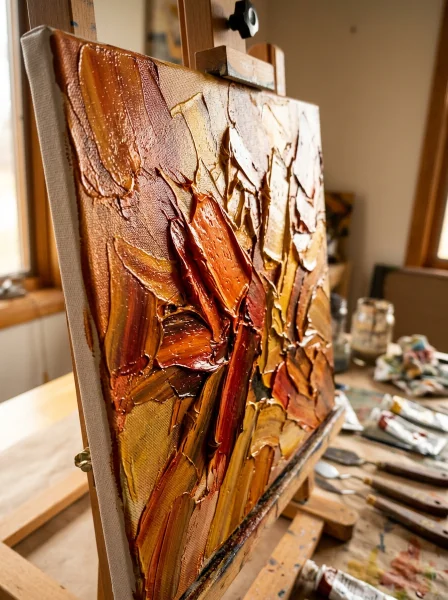
- Metal palette knives
- Heavy body acrylic paint
- Stretched canvas
- Texture paste (optional)
- Protective drop cloth
Palette knife painting creates bold, three-dimensional textures that catch light beautifully. This expressive technique uses thick paint application instead of thin brushstrokes. Hold your palette knife at various angles to spread, scrape, and sculpt paint across your canvas.
The thick layers create shadows and highlights naturally. Start with abstract pieces while you develop control and confidence. This method is incredibly forgiving because you can always scrape off paint and start fresh.
6. Simple Pour Painting
- Acrylic pouring medium
- Fluid acrylic paints
- Canvas with sealed edges
- Plastic cups and sticks
- Silicone oil (optional)
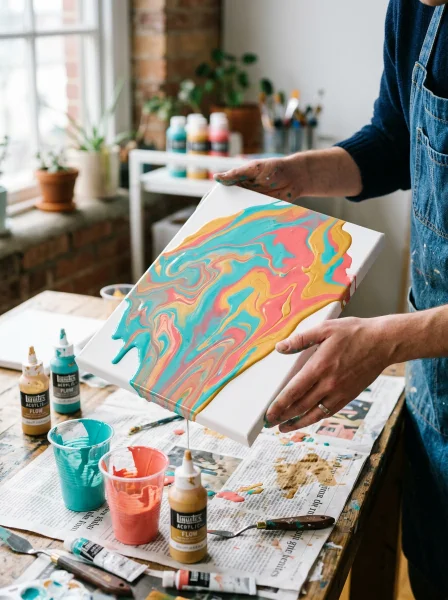
Pour painting produces mesmerizing, fluid abstract patterns that look incredibly expensive. You’ll mix paints with pouring medium to achieve the perfect flowing consistency. Layer your colors in a cup, then flip it onto your canvas or pour directly in patterns.
Tilt the canvas to guide the paint flow and create your desired design. This technique produces unique results every single time, making each piece truly one-of-a-kind. The supplies are affordable, especially when sourcing from dollar store crafts ideas for budget-friendly options.
Adding a few drops of silicone oil creates stunning cell patterns within your pour. Experiment with different color combinations and pouring techniques for endless variations.
7. Effortless Ombre Blending
- Three shades of one color
- Wide flat brush
- Spray bottle with water
- Large canvas
- Clean blending brush
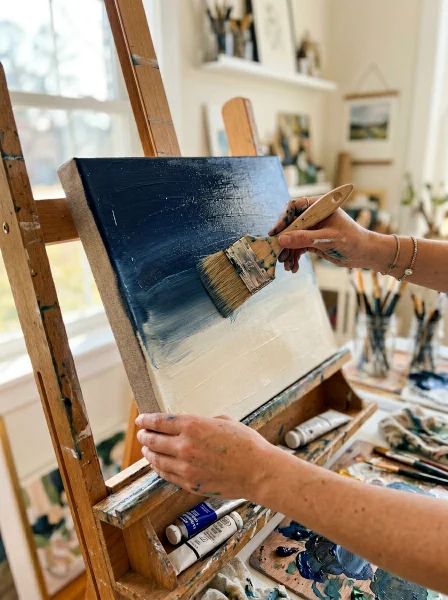
Ombre wall art creates a stunning gradient color transition that adds instant sophistication to any room. This technique involves blending one color gradually into another. Apply your darkest shade at the bottom, medium tone in the middle, and lightest at the top.
Blend where colors meet using a clean, damp brush. Keep your paint workable by misting lightly with water as you blend. Work quickly across the entire canvas for seamless transitions.
8. Rustic Stencil Overlay
- Adhesive stencils
- Stencil brush or sponge
- Contrasting paint colors
- Prepared canvas or wood
- Painter’s tape
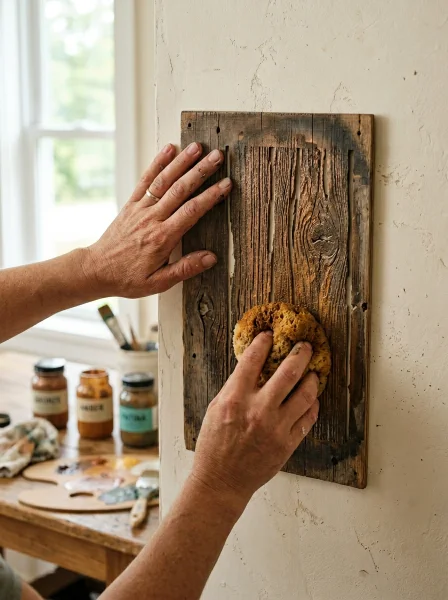
Stenciling allows you to create intricate patterns without any freehand drawing skills. Choose from countless pre-made designs or cut your own custom stencils. Secure your stencil firmly and use a nearly dry brush or sponge to apply paint.
Pounce straight up and down rather than brushing side to side. Layer different stencil patterns for complex, professional-looking designs. This technique pairs wonderfully with other home craft projects quick for complete room makeovers.
9. Dramatic Splatter Effect
- Fluid acrylic paints
- Old toothbrushes or stiff brushes
- Large canvas
- Protective plastic sheeting
- Gloves and old clothes
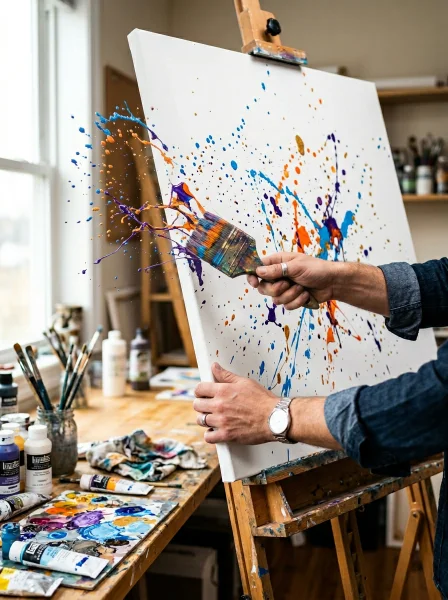
Splatter painting channels your inner Jackson Pollock with energetic random patterns. This technique is incredibly fun and produces dramatic contemporary art pieces. Thin your paints to a watery consistency and load your brush.
Flick bristles toward the canvas or tap the brush handle against your hand. Layer multiple colors and splatter sizes for depth and visual interest. Protect surrounding areas thoroughly because this technique gets messy fast.
10. Elegant Metallic Accents
- Metallic acrylic paints
- Gold or silver leaf (optional)
- Soft bristle brushes
- Prepared base painting
- Sealing varnish
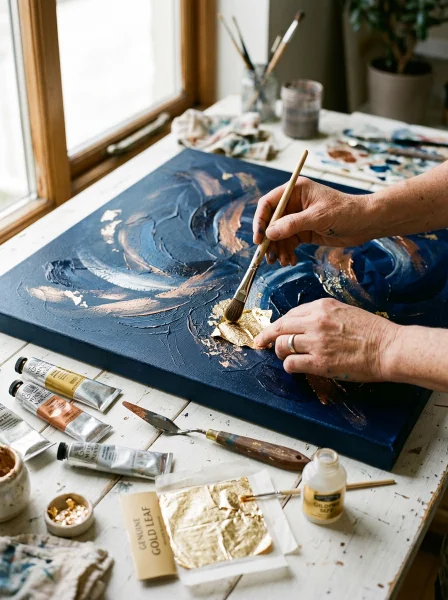
Adding metallic accents instantly elevates any wall art from ordinary to extraordinary. Use metallic paints sparingly as highlights or focal points. Apply metallics over dried base layers for stunning contrast effects.
Dry brushing metallics creates subtle shimmer while heavy application delivers bold glamour. Gold leaf adds luxurious texture when applied with adhesive sizing. Seal your finished metallic work to prevent tarnishing and ensure lasting brilliance.
11. Bold Negative Space Design
- Masking fluid or tape
- Bold acrylic colors
- White gesso base
- Detail brushes
- Canvas panel
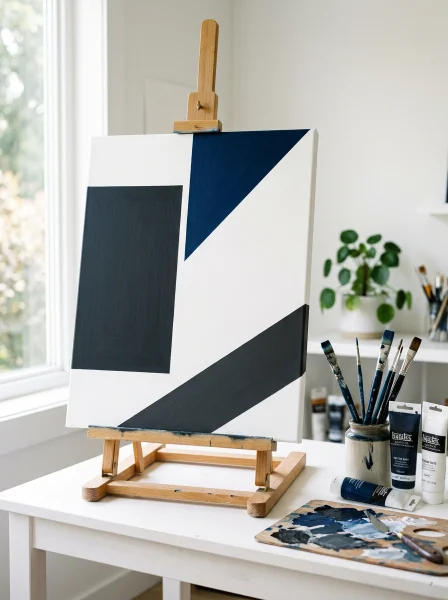
Negative space art uses unpainted areas as part of the design itself. This minimalist approach creates sophisticated pieces with high visual impact. Plan your design so white or base color areas form recognizable shapes.
Apply masking fluid to preserve these sections while painting around them. Remove masking after paint dries completely to reveal your clean negative shapes. This technique works beautifully for botanical silhouettes and modern geometric art.
Creating these pieces also makes wonderful handmade gift craft ideas for art-loving friends.
12. Layered Wash Technique
- Transparent acrylic paints
- Matte medium
- Soft mop brush
- Watercolor paper or canvas
- Hair dryer (optional)
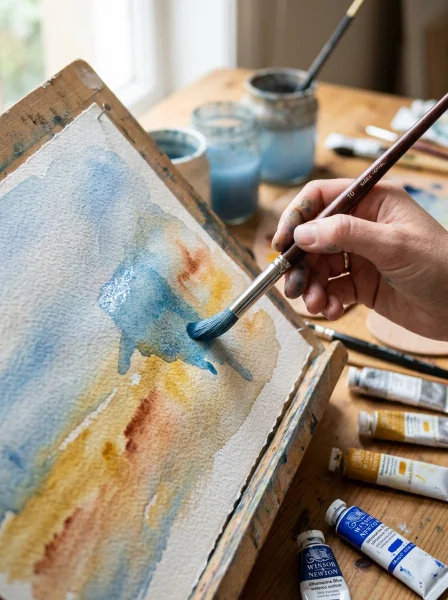
Layered washes create ethereal depth through multiple transparent paint applications. Each layer adds complexity while allowing previous layers to show through. Mix paint with matte medium and water for translucent consistency.
Apply thin, even washes and allow complete drying between each layer. Build up to ten or more layers for rich, luminous color effects. This meditative technique produces stunning abstract pieces with incredible depth.
Now you’ve discovered 6 wall art painting techniques every beginner should know, plus six bonus methods to expand your creative toolkit. Each technique offers unique possibilities for transforming blank canvases into stunning wall décor. Grab your brushes, paints, and supplies, then start creating your own masterpieces today!
Share your favorite techniques and finished projects in the comments below! Rate this post and let us know which method you’ll try first.
Two No-Paint Wall Art Techniques Worth Knowing
Pressed Flower and Leaf Frames
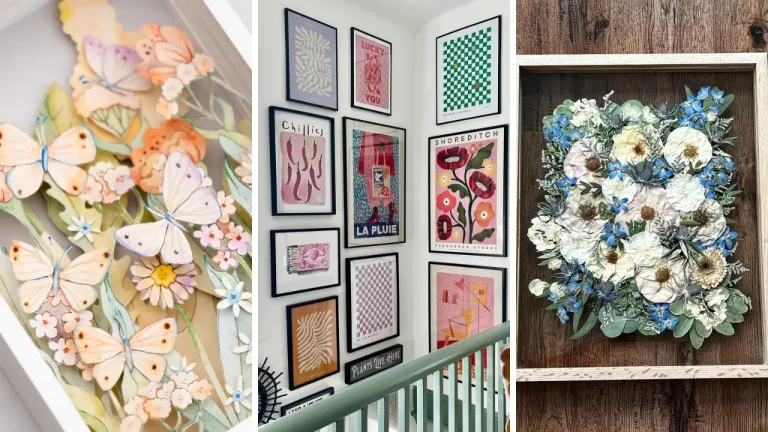
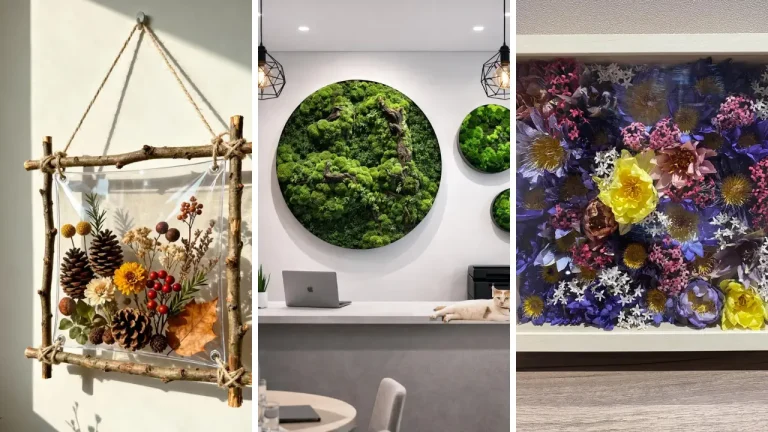
Collect flowers or leaves, press them in a heavy book for two weeks, then arrange them between glass in floating frames. This nature-inspired art brings organic beauty indoors with minimal effort, and botanical frames make excellent handmade gifts. Create a set of three with different plants for a cohesive gallery wall effect.
Fabric-Wrapped Canvas
Choose patterned fabric you love, stretch it over a canvas frame, and secure it with a staple gun on the back. The result coordinates with your decor because you picked the fabric yourself, and each canvas takes under 15 minutes. Make several in complementary patterns for a curated look.
Design Principles That Make DIY Wall Art Look Professional
Color Theory Basics
Stick to 3-4 colors maximum per piece and use the 60-30-10 rule: 60% dominant color, 30% secondary color, 10% accent color. Pull those colors from things already in the room – throw pillows, rugs, or furniture – so the art coordinates without looking matchy-matchy.
Composition and Balance
The rule of thirds applies to wall art too. Divide your canvas mentally into a 3×3 grid and place focal points along those lines or at their intersections. Leave negative space as well: empty areas give the eye somewhere to rest and make the remaining elements more impactful.
Arranging Finished Pieces on the Wall
Several pieces hung together make more impact than a single artwork. Lay the arrangement out on the floor first and photograph it from above before committing to nail holes. Mix frame sizes and orientations, and use odd numbers – three or five frames feel more natural than even groupings.