Macrame vs Weaving: Which Fiber Art is Right for You to Start?
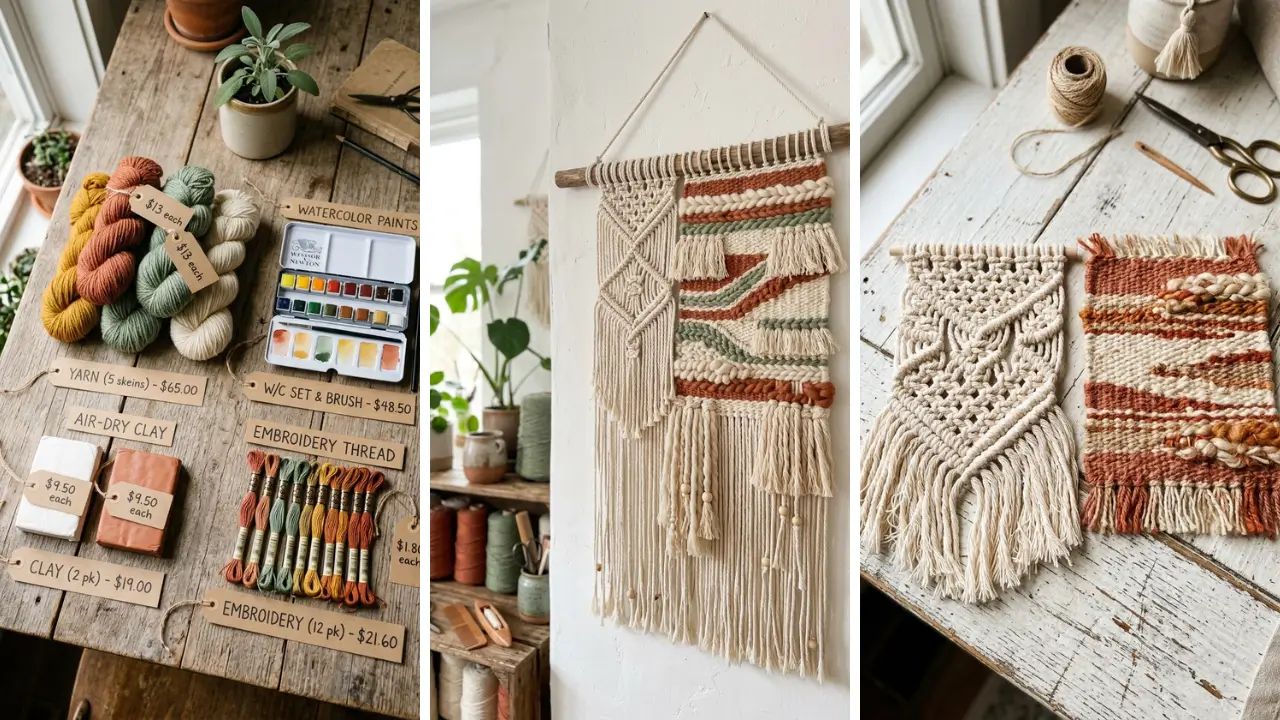
Start with macrame if you want speed and portability: a dowel, cord and scissors cost $15 to $40, and a first plant hanger takes 2 to 4 hours. Choose weaving if you want fabric and color gradients; a frame loom plus yarn runs $20 to $60, with a first piece in 4 to 8 hours.
is one of the most common dilemmas beginners face when stepping into the world of textile crafts. Both are beautiful, both are trending, and both can be incredibly rewarding. But they’re also very different in terms of technique, tools, time investment, and the kind of creative satisfaction they deliver.
In this guide, you’ll get a clear, honest breakdown of what each craft involves, who it suits best, and how to make the right choice for your lifestyle, budget, and creative goals. By the end, you’ll know exactly which path to take — and feel excited to start.
What Is Macrame? A Beginner-Friendly Overview
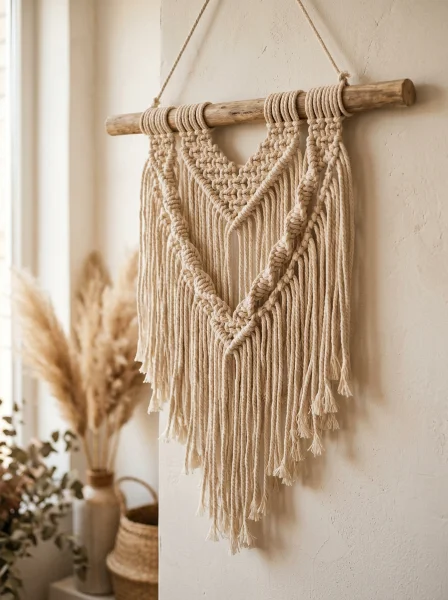
Macrame is the art of knotting cord or rope into decorative patterns. Unlike weaving, it doesn’t require a loom. You tie knots — square knots, half hitches, spiral knots — to create everything from wall hangings and plant hangers to bags and jewelry.
The biggest appeal of macrame for beginners is its low barrier to entry. All you need is a dowel rod, some cotton cord, scissors, and your hands. No expensive equipment, no complex setup.
You can literally start on your kitchen table tonight. Macrame is also highly portable. Since there’s no loom involved, you can bring your project to a coffee shop, a friend’s house, or even on vacation.
The learning curve is gentle — most beginners can create a simple wall hanging within a weekend. If you love the idea of making DIY handmade gifts that look impressive without requiring years of skill, macrame is an outstanding starting point. A handmade plant hanger or knotted wall art feels incredibly personal and thoughtful.
What Is Weaving? Understanding the Loom-Based Craft
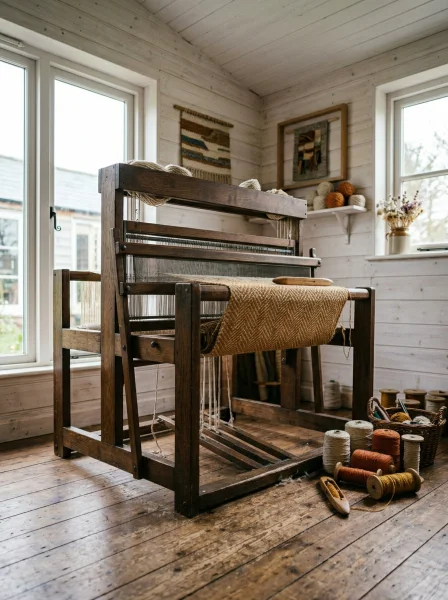
Weaving is the process of interlacing two sets of threads — the warp (vertical) and the weft (horizontal) — on a loom to create fabric or decorative textiles. The result can be anything from a simple wall hanging to complex tapestries, scarves, and table runners. Weaving has a slightly steeper learning curve than macrame, primarily because you need to understand loom setup, tension management, and weaving structures.
However, once you grasp the basics, the creative possibilities expand dramatically. Frame looms and rigid heddle looms are the most beginner-friendly options. A basic frame loom can cost as little as $15–$30, making weaving surprisingly accessible.
The tactile satisfaction of watching a fabric grow row by row is genuinely addictive. Weaving also opens the door to a wider range of materials — wool, cotton, linen, silk, even recycled fabric strips. If you love texture and color theory, weaving gives you an extraordinary canvas to play with.
Macrame vs Weaving: Key Differences You Should Know
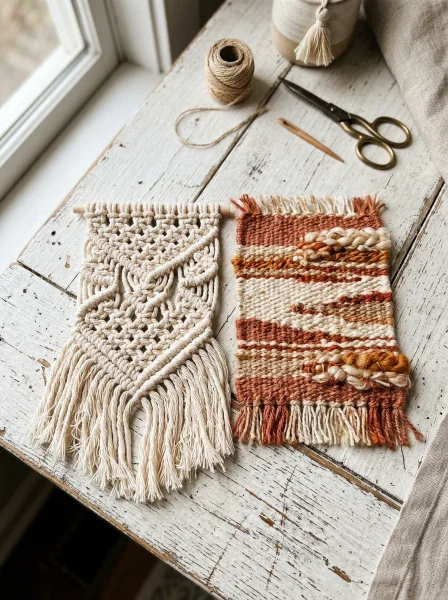
Let’s break down the core differences so you can make a well-informed choice:
- Tools needed: Macrame requires minimal tools (dowel, cord, scissors). Weaving requires a loom, shuttle, and yarn.
- Technique: Macrame uses knotting; weaving uses interlacing threads.
- Learning curve: Macrame is easier for most beginners. Weaving has more initial setup to learn.
- Portability: Macrame wins here — no loom to carry around.
- Creative range: Weaving offers broader textile applications, including functional fabric.
- Cost to start: Both can be started affordably, but macrame tends to be cheaper upfront.
Understanding these differences is the heart of the Macrame vs Weaving: Which Fiber Art is Right for You to Start? conversation. Neither is objectively better — it comes down to your personal style and what you want to create.
Who Should Choose Macrame?
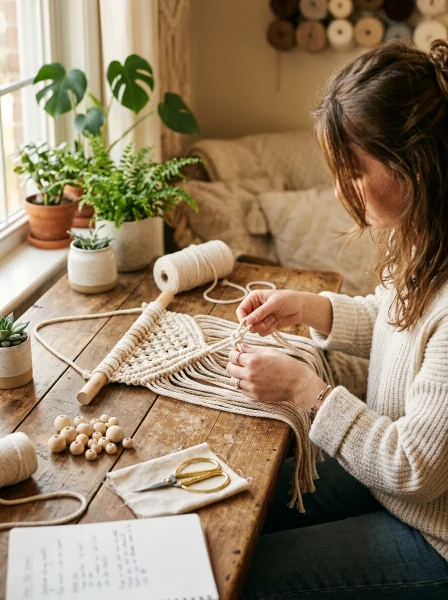
Macrame is ideal if you want instant gratification. You can see results quickly, which is incredibly motivating for new crafters. It’s also perfect for people who prefer working with their hands in a tactile, repetitive way — tying knots has an almost meditative quality.
If your goal is to make boho-style home décor, plant hangers, or accessories, macrame is your craft. It’s also one of the best fun crafts to make at home on a weekend without any prior experience — just a few tutorials and you’re off. Macrame is also a great choice if you’re working with a tight budget.
A basic macrame starter kit — cord, a few hooks, some dowels — can often be assembled affordably. You might even be surprised what you can find if you explore dollar store crafts ideas to supplement your supplies without breaking the bank. Bottom line: if you want something quick to learn, easy to start, and highly giftable — macrame is calling your name.
Who Should Choose Weaving?
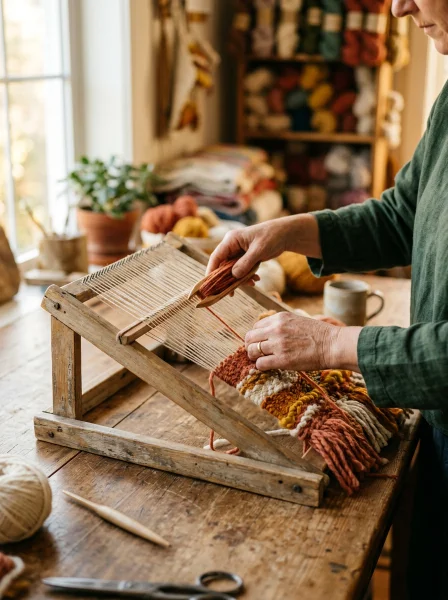
Weaving suits people who enjoy process-oriented crafts. If you love the idea of building something slowly, methodically, and with a deep understanding of structure, weaving will be deeply satisfying. It rewards patience and planning.
It’s also the right choice if you’re interested in creating functional textiles — scarves, coasters, placemats, wall art with rich texture. Weaving lets you work with color gradients and patterns in ways that macrame simply doesn’t allow. If you enjoy home craft projects quick setups with a longer creative payoff, weaving fits beautifully.
Yes, there’s more to set up — but once you’re in the rhythm, it flows naturally. Weaving also has a strong community of practitioners, with tons of classes, online groups, and workshops available. If you like learning in a structured way or connecting with fellow fiber artists, weaving has a vibrant ecosystem around it.
Cost Comparison: What Does Each Craft Actually Cost to Start?
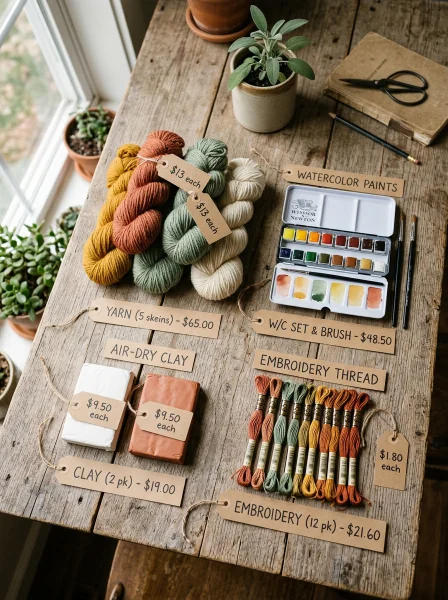
Budget matters, especially when you’re just exploring a new hobby. Here’s a realistic picture: Macrame starter budget: $15–$40 for basic supplies. A spool of cotton macrame cord, a wooden dowel, and scissors are all you need.
As you advance, you might invest in more cord types or decorative beads. Weaving starter budget: $20–$60 for a basic frame loom plus yarn. A rigid heddle loom (more versatile) runs $80–$150.
Good news: quality yarn can often be sourced affordably, and the loom is a one-time investment that lasts years. Both crafts are genuinely accessible from a cost standpoint. The key is to start simple, learn the fundamentals, and invest more as your skill and passion grow.
Don’t buy professional-grade supplies on day one.
Time Investment: How Long Before You Create Something Beautiful?
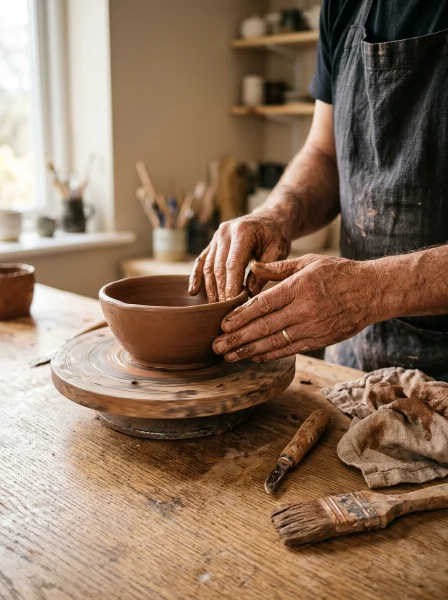
With macrame, you could realistically complete a small wall hanging or plant hanger in 2–4 hours on your first attempt. The sense of accomplishment is immediate and real. With weaving, your first project might take a bit longer — setting up the loom, learning proper tension, and getting comfortable with the shuttle adds time.
But many beginners complete their first woven piece within 4–8 hours total, including setup. Both crafts reward consistent practice. The more you do either, the faster and more confident you become.
Many crafters find that starting with one eventually sparks curiosity about the other.
Can You Do Both? Combining Macrame and Weaving
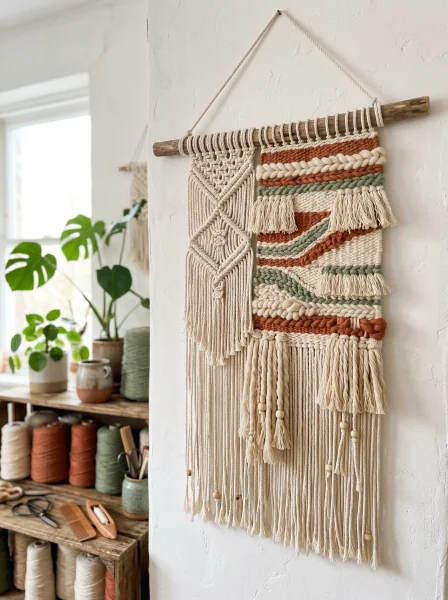
Absolutely — and many fiber artists do. Macrame and weaving complement each other beautifully. Some artists incorporate macrame fringe into woven wall hangings.
Others use woven fabric as a base for macrame embellishments. Starting with one doesn’t lock you into it forever. In fact, skills transfer surprisingly well.
Your understanding of fiber tension, knot behavior, and material properties from macrame can enrich your weaving practice, and vice versa. If you’re looking for more handmade gift craft ideas that blend techniques, combining macrame tassels with woven panels creates stunning, one-of-a-kind pieces that people absolutely love to receive.
Conclusion: Making the Right Choice for You
So, Macrame vs Weaving: Which Fiber Art is Right for You to Start? — here’s the honest answer: it depends on what you want from your creative practice. If you crave quick results, minimal tools, and a craft you can take anywhere, start with macrame.
If you love structured learning, textile variety, and the long game of building skill, weaving is your path. Both are beautiful. Both are fulfilling.
And both can become lifelong creative passions that bring genuine joy — whether you’re making art for yourself or crafting something meaningful to share with others. The most important thing? Just start.
Pick one, gather your supplies, find a beginner tutorial, and make your first piece. You’ll learn more from doing than from researching endlessly. Your fiber art journey begins the moment you decide to try.
Ready to dive in? Share your choice in the comments below — are you Team Macrame or Team Weaving? We’d love to hear what inspired you to start your fiber art journey!
Frequently Asked Questions
Q: Is macrame or weaving easier for absolute beginners? A: Macrame is generally considered easier for true beginners because it requires no special equipment beyond cord and a dowel. You can start creating immediately without learning how to set up a loom.
Most beginners can complete their first macrame project within a few hours of watching a tutorial. Q: In the Macrame vs Weaving debate, which craft is more affordable to start? A: Both are reasonably affordable, but macrame typically wins on upfront cost.
A basic macrame setup can cost as little as $15–$25, while weaving requires at least a frame loom plus yarn, which might run $30–$60 to start. That said, a good loom is a lasting investment that pays off over time. Q: What types of projects can I make with macrame?
A: Macrame is incredibly versatile. Popular projects include wall hangings, plant hangers, bag straps, keychains, table runners, dream catchers, and decorative knot art. It’s especially popular for boho-style home décor and handmade gifts that feel personal and thoughtful.
Q: How long does it take to get good at weaving? A: Most beginners feel comfortable with basic weaving techniques after 2–3 projects. Understanding loom setup and tension usually clicks within the first few sessions.
Within a month of regular practice, you can create genuinely beautiful woven pieces. Like any skill, consistency is key to improvement. Q: Which fiber art — macrame or weaving — is better for making gifts?
A: Both make exceptional gifts, but macrame edges ahead for beginners because projects come together faster and require fewer materials. A handmade macrame wall hanging or plant hanger is always impressive and meaningful. As you advance in either craft, the gift possibilities expand enormously — both fiber arts produce truly memorable, heartfelt handmade items.