How to Make a Terrarium for Home Decor: Step-by-Step for Beginners
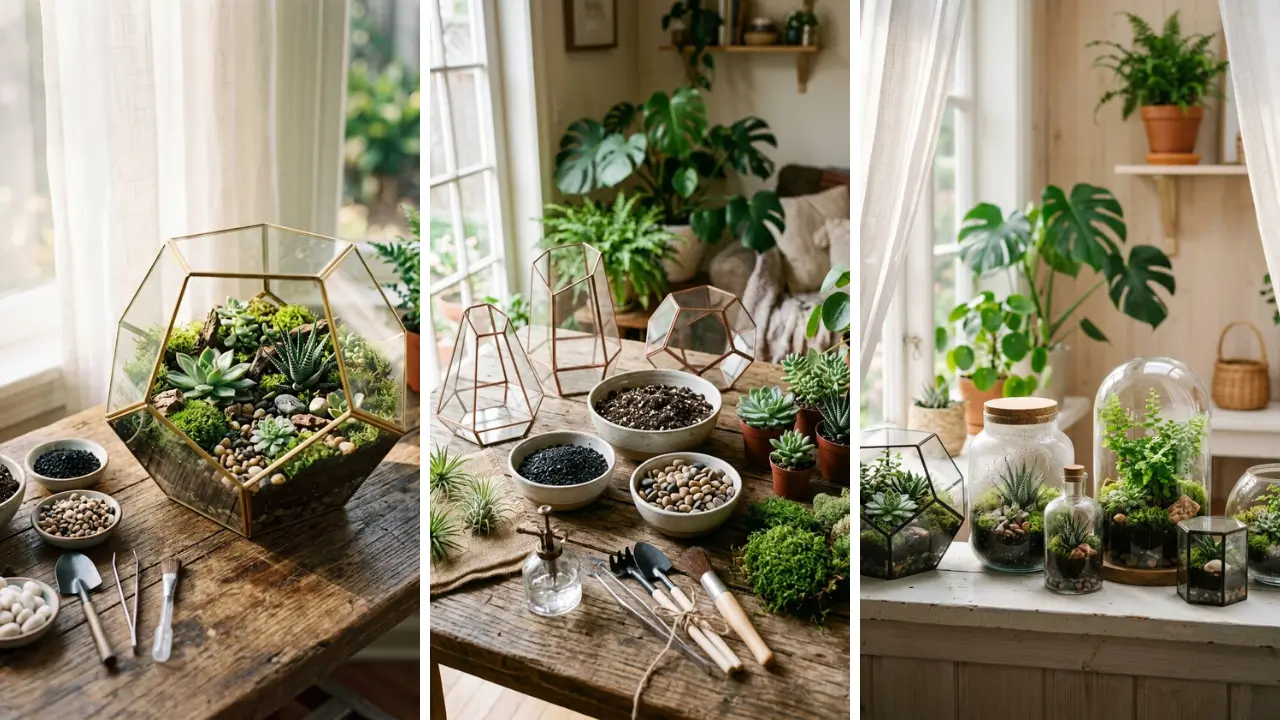
Have you ever walked into a room and felt instantly drawn to a beautiful glass container filled with tiny plants and natural elements? That’s the magic of terrariums. Learning how to make a terrarium for home decor is one of the most rewarding creative projects you can tackle, especially if you’re a beginner looking for something both beautiful and low-maintenance.
Terrariums bring a slice of nature indoors without demanding the constant attention that traditional houseplants require. Whether you live in a small apartment or a spacious home, these miniature ecosystems fit perfectly on desks, shelves, coffee tables, and windowsills. In this complete guide, you’ll discover everything you need to create your first terrarium from scratch.
We’ll cover materials, plant selection, assembly techniques, and care tips that will help your creation thrive for months or even years. Ready to bring some green magic into your space?
What Exactly Is a Terrarium and Why Should You Make One?
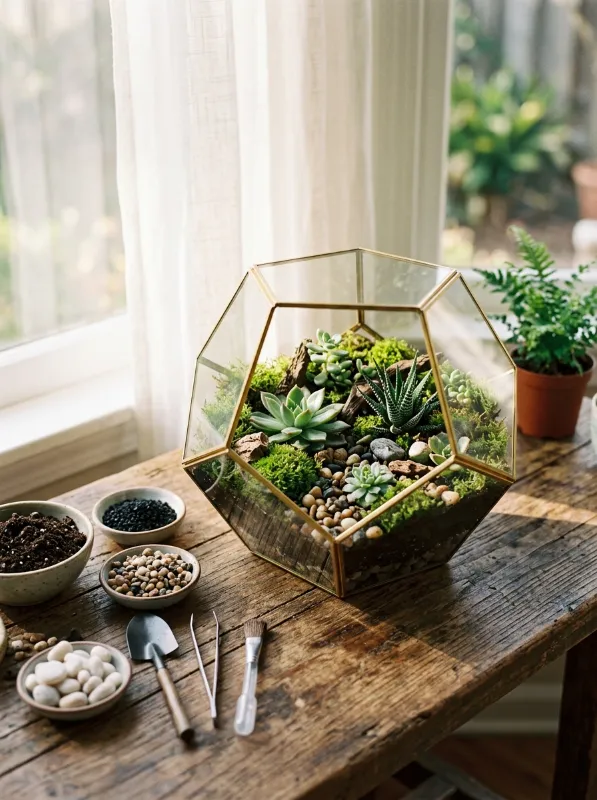
A terrarium is essentially a miniature garden housed inside a glass container. Think of it as a tiny ecosystem that creates its own humidity cycle, making it incredibly self-sufficient. There are two main types: closed terrariums that trap moisture and create a humid environment, and open terrariums that allow air circulation for plants that prefer drier conditions.
Both offer stunning visual appeal for home decor. Why make one? Terrariums require minimal watering, they’re perfect for spaces with limited natural light, and they add organic texture to any room.
Plus, if you enjoy fun crafts to make at home, terrariums offer a satisfying hands-on experience with instant visual results. They also make fantastic gifts. The personal touch of a handmade terrarium shows thoughtfulness that store-bought items simply can’t match.
Essential Materials You’ll Need for Your First Terrarium
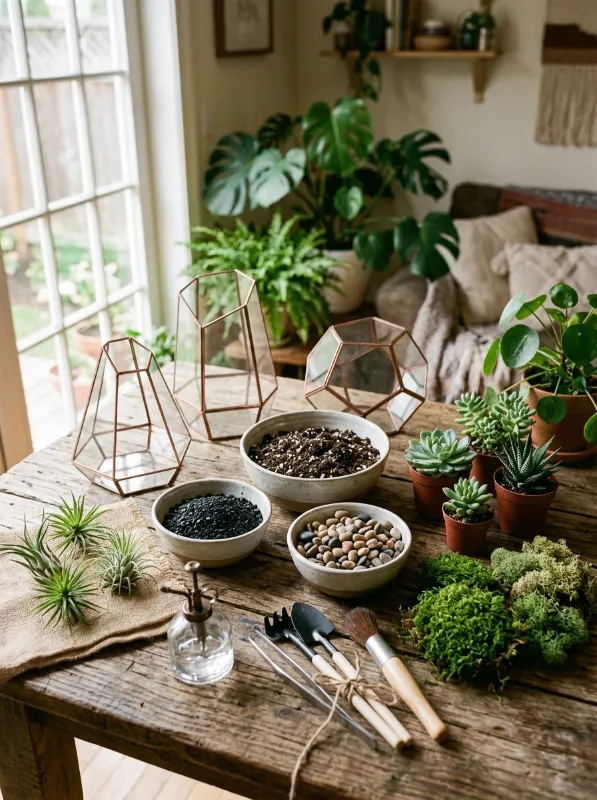
Before diving into the assembly process, gather all your supplies. Having everything ready makes the building process smooth and enjoyable.
The Container
Your glass container is the foundation of your terrarium. Options include mason jars, fish bowls, apothecary jars, geometric terrariums, or even large wine glasses. The key requirement is transparency—your plants need light to survive.
For beginners, choose a container with a wide opening. This makes planting and arranging much easier than working through a narrow neck.
Drainage Materials
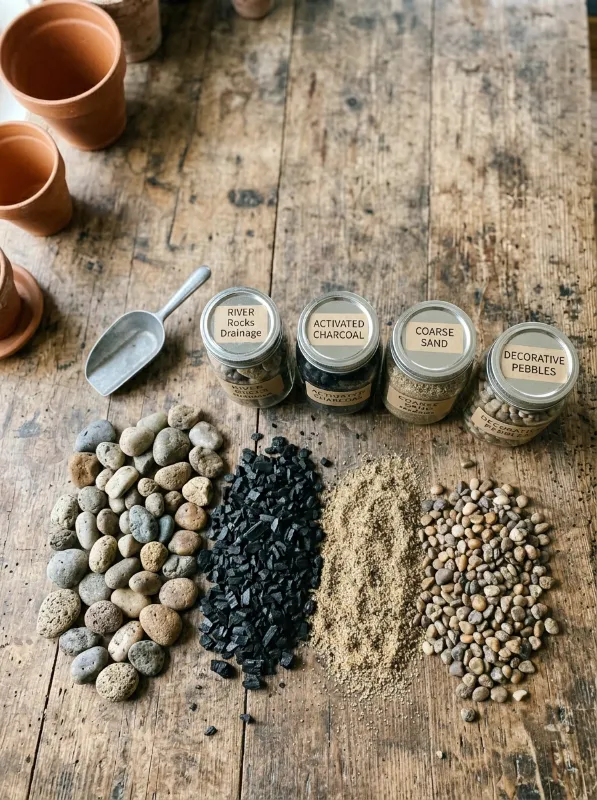
Since terrariums don’t have drainage holes, you need to create a false bottom. Gather these essentials:
- Pebbles or gravel: Creates a water reservoir at the bottom
- Activated charcoal: Filters water and prevents odors
- Sphagnum moss: Acts as a barrier between drainage and soil
Looking for budget-friendly supplies? Many of these materials can be found at craft stores. If you love discovering dollar store crafts ideas, you’ll be pleased to know that decorative pebbles and small containers are often available at bargain prices.
Soil and Plants
Use well-draining potting soil appropriate for your chosen plants. Avoid garden soil, which can contain pests and doesn’t drain properly in enclosed spaces. For plants, select specimens that share similar light and water requirements.
We’ll cover specific plant recommendations in the next section.
Decorative Elements
This is where creativity shines. Consider adding miniature figurines, decorative stones, preserved moss, driftwood pieces, or tiny fairy garden accessories. These personal touches transform a simple plant arrangement into captivating home decor.
Choosing the Perfect Plants for Your Terrarium
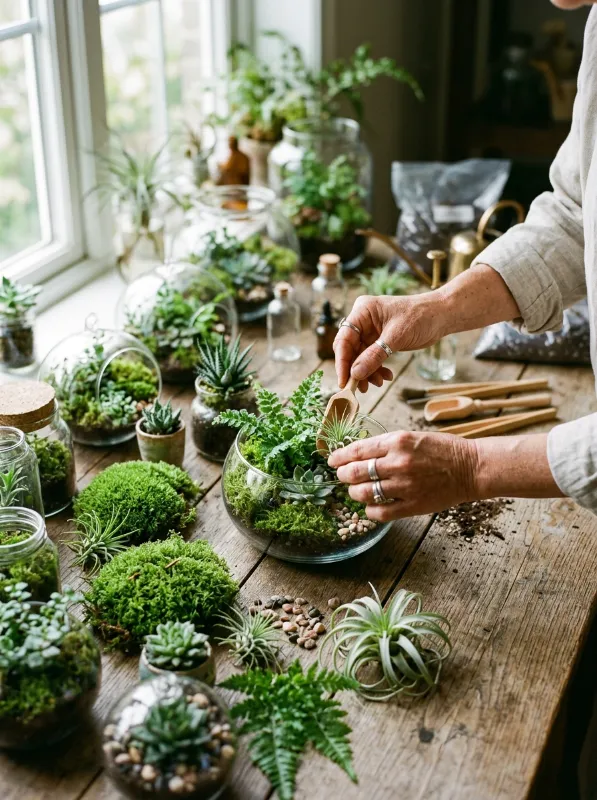
Plant selection can make or break your terrarium. The wrong plants will struggle, while the right ones will flourish with minimal intervention.
Best Plants for Closed Terrariums
Closed terrariums maintain high humidity, making them perfect for tropical plants that love moisture:
- Ferns: Maidenhair ferns and button ferns thrive in humid conditions
- Moss: Sheet moss and mood moss create lush ground cover
- Fittonias: Also called nerve plants, these colorful options add visual interest
- Peperomias: Compact and available in various leaf patterns
- Baby’s tears: Creates a carpet-like effect
Best Plants for Open Terrariums
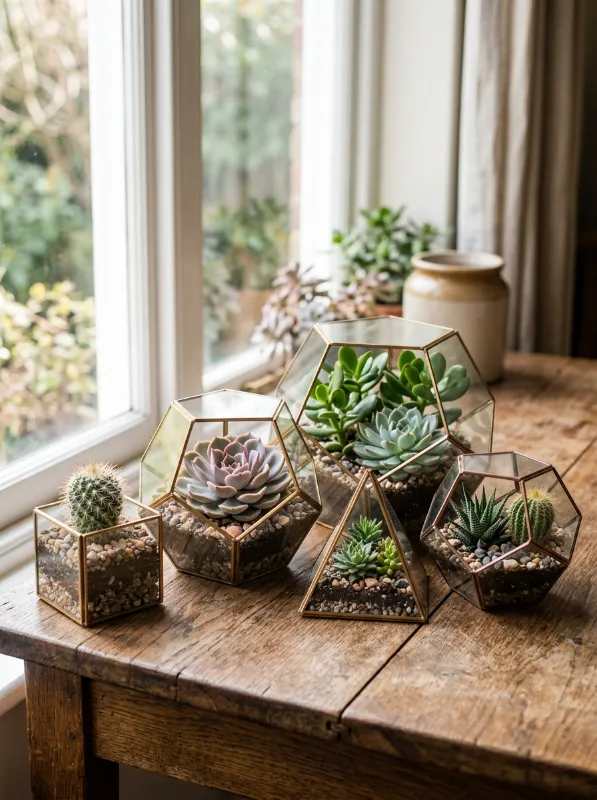
Open containers suit plants that prefer drier conditions:
- Succulents: Echeverias, sedums, and haworthias work beautifully
- Air plants: Require no soil and add architectural interest
- Cacti: Small varieties create desert-themed displays
Pro tip: Never mix succulents with humidity-loving plants. Their care requirements are completely opposite, and one group will inevitably suffer.
Step-by-Step Guide: How to Make a Terrarium for Home Decor
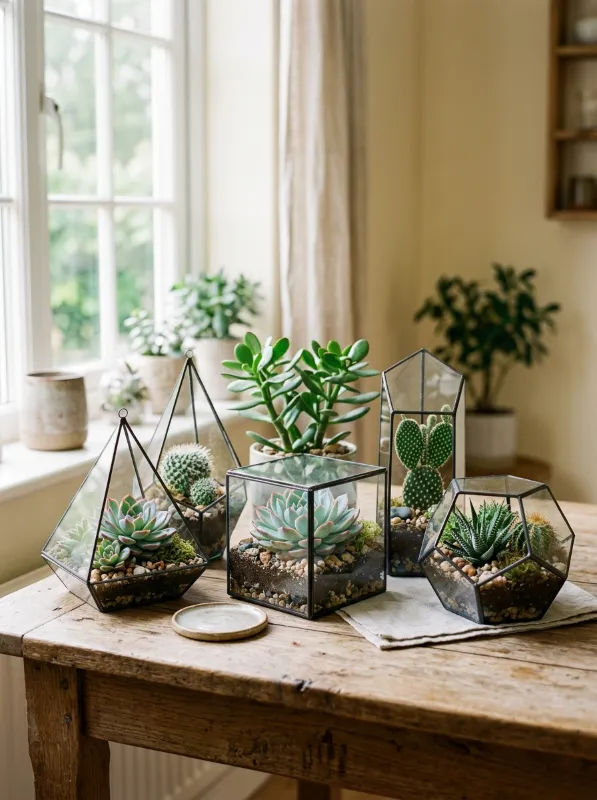
Now comes the exciting part—actually building your terrarium. Follow these steps carefully, and you’ll have a stunning piece of living decor within an hour.
Step 1: Clean Your Container
Wash your glass container thoroughly with soap and water. Rinse well to remove any residue. A clean container prevents bacterial growth and ensures crystal-clear visibility of your miniature garden.
Dry completely before proceeding. Moisture trapped between layers can cause issues later.
Step 2: Add the Drainage Layer
Pour approximately 1-2 inches of pebbles or gravel into the bottom of your container. This layer catches excess water, preventing root rot—the most common terrarium killer. Spread the pebbles evenly.
You can use colored stones for added visual appeal, creating a decorative base that’s visible through the glass.
Step 3: Add Activated Charcoal
Sprinkle a thin layer of activated charcoal over the pebbles. About half an inch is sufficient. This crucial layer keeps your terrarium fresh by absorbing toxins and preventing mold growth.
Don’t skip this step, especially for closed terrariums. The charcoal acts as a natural filtration system.
Step 4: Create a Moss Barrier
Place a layer of sphagnum moss or sheet moss over the charcoal. This barrier prevents soil from sifting down into the drainage layer while allowing water to pass through. The moss also adds an attractive natural element visible from the side of your container.
Step 5: Add Potting Soil
Add 2-3 inches of appropriate potting soil. Create gentle slopes or hills for visual interest rather than keeping everything flat. Use a spoon or small trowel to distribute soil evenly.
Pack it lightly—too compact, and roots struggle; too loose, and plants won’t anchor properly.
Step 6: Plant Your Selections
Here’s where your terrarium comes to life. Remove plants from their nursery pots and gently shake off excess soil from the roots. Create small holes in the soil with your finger or a pencil.
Place larger plants first, positioning them toward the back or center. Add smaller plants around them. Press soil firmly around each plant’s base to secure it.
Leave space between plants—they’ll grow!
Step 7: Add Decorative Elements
Now unleash your creativity. Position decorative stones, miniature figurines, or natural elements like driftwood and preserved moss. Think about creating a scene or theme.
A tiny fairy garden, a zen landscape, or a woodland setting all work beautifully. This personalization is what transforms your terrarium into unique home decor. If you enjoy creating personalized items, you might also love exploring handmade gift craft ideas that share this same creative spirit.
Step 8: Clean and Admire
Use a soft brush or paper towel to clean any soil or debris from the inside glass surfaces. This final touch ensures your terrarium sparkles. Step back and admire your work.
You’ve just created a living piece of art!
Terrarium Placement and Lighting Tips
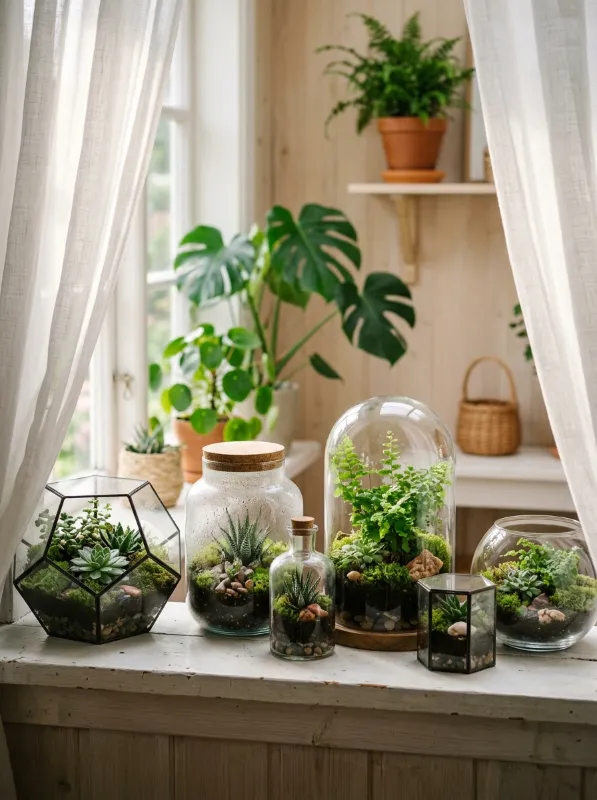
Where you place your terrarium significantly impacts its health and longevity. Get this right, and maintenance becomes almost effortless. Ideal lighting: Bright, indirect light works best for most terrariums.
A spot near a north-facing window or a few feet from an east-facing window is perfect. Avoid direct sunlight, especially for closed terrariums. The glass magnifies heat, essentially cooking your plants inside.
If leaves start yellowing or browning, move your terrarium to a shadier location. For darker spaces, consider adding a small grow light. Even a desk lamp with a daylight bulb can supplement natural light effectively.
Temperature matters too. Keep terrariums away from heating vents, air conditioners, and cold drafts. Consistent temperatures between 60-75°F (15-24°C) keep most terrarium plants happy.
Caring for Your Terrarium: Maintenance Made Simple
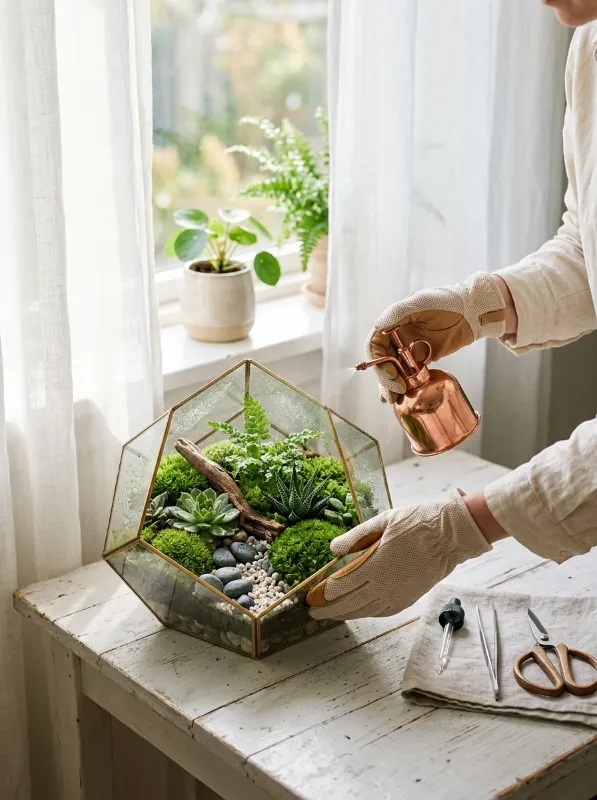
One of the greatest appeals of terrariums is their low maintenance nature. However, “low maintenance” doesn’t mean “no maintenance.”
Watering Guidelines
Closed terrariums: These create their own water cycle. You’ll likely only need to water every 4-6 weeks, or when condensation stops forming on the glass. If you see too much condensation, leave the lid off for a day to let excess moisture escape.
Open terrariums: Check soil moisture weekly. Succulents need water only when soil is completely dry—usually every 2-3 weeks. Use a spray bottle for precise watering.
The golden rule? When in doubt, don’t water. Overwatering kills more terrariums than underwatering.
Pruning and Maintenance
Trim plants that outgrow their space. Use small scissors to remove dead leaves promptly—they can harbor mold. Watch for signs of trouble: yellowing leaves suggest overwatering, while crispy edges indicate underwatering or too much direct light.
Once you master terrarium basics, you might want to explore other home craft projects quick that bring similar satisfaction with minimal ongoing effort.
Creative Terrarium Ideas for Every Style
Terrariums adapt beautifully to any decor style. Here are some inspiring themes to consider: Minimalist: Use a geometric glass container, single succulent variety, and white sand. Clean lines, maximum impact.
Fairy Garden: Add tiny houses, miniature furniture, and winding pebble paths among lush ferns and moss. Beach Theme: Layer sand, shells, and air plants for coastal vibes without the maintenance of living coral. Zen Garden: Combine smooth stones, raked sand patterns, and a single architectural plant for meditative appeal.
Woodland Forest: Use multiple moss varieties, tiny mushroom figurines, and ferns to create a forest floor scene. The possibilities are genuinely endless. Each terrarium you create can reflect a different mood, season, or personal interest.
Terrariums as Meaningful Gifts
A handmade terrarium makes an exceptional gift for plant lovers, new homeowners, or anyone who appreciates unique decor. The personal effort involved conveys thoughtfulness that commercial gifts simply can’t match. Consider creating themed terrariums for specific occasions: spring florals for Easter, spooky elements for Halloween, or snowy scenes for winter holidays.
When looking for DIY handmade gifts, terrariums rank among the most impressive options you can create at home. Include a care card with your gift explaining basic maintenance. This thoughtful addition ensures your creation continues thriving in its new home.
Conclusion: Your Terrarium Journey Starts Now
Learning how to make a terrarium for home decor opens doors to a rewarding creative hobby that combines gardening, crafting, and interior design. The step-by-step process is straightforward enough for complete beginners while offering endless possibilities for creative expression. Your first terrarium might be simple—and that’s perfectly fine.
Each one you create teaches you something new about plant combinations, design principles, and container possibilities. Before long, you’ll find yourself spotting potential terrarium containers everywhere you go. The beauty of terrariums lies in their accessibility.
You don’t need a green thumb, expensive materials, or hours of maintenance time. What you need is curiosity, a little patience, and willingness to experiment. Ready to create your first terrarium?
Gather your materials this weekend and give it a try. Share your creations in the comments below—we’d love to see what you design! And if you found this guide helpful, pass it along to a friend who might enjoy bringing some green magic into their home too.
Frequently Asked Questions
Q: How long do terrariums last? A: With proper care, terrariums can last for years—even decades. Closed terrariums are especially long-lived because they create self-sustaining ecosystems.
The key to longevity is choosing compatible plants and avoiding overwatering. Q: Can I make a terrarium for home decor without buying special supplies? A: Absolutely!
You can repurpose glass jars, fishbowls, or even large wine glasses as containers. Small pebbles from your yard work for drainage, and many nurseries sell tiny starter plants inexpensively. Creativity matters more than expensive materials.
Q: Why is my terrarium growing mold? A: Mold typically indicates excess moisture or poor air circulation. For closed terrariums, remove the lid for several hours daily until conditions improve.
Remove any visibly moldy material immediately and reduce watering frequency. Q: What’s the best beginner-friendly terrarium setup? A: For beginners learning how to make a terrarium for home decor, start with an open container and hardy succulents.
This combination is forgiving of mistakes and requires minimal watering. Once you’re confident, try a closed tropical terrarium. Q: Can terrariums survive in rooms without windows?
A: Natural light is ideal, but terrariums can survive in low-light spaces with supplemental lighting. A simple LED grow light or even a bright desk lamp positioned above the terrarium for 8-12 hours daily provides sufficient light for most plants.