How Long Do Dried Flowers Last? Plus 16 Care Tips

Have you ever wondered why some dried flower arrangements look stunning for years while others crumble within months? The secret lies not just in the drying process but in ongoing care and proper display techniques. Dried flowers can last anywhere from one to three years with proper maintenance.
However, with expert care tips, you can extend their beauty significantly longer. This guide covers everything you need to know about how long do dried flowers last and care tips to make them last for years. Let’s dive in…
1. Understanding Lifespan Basics
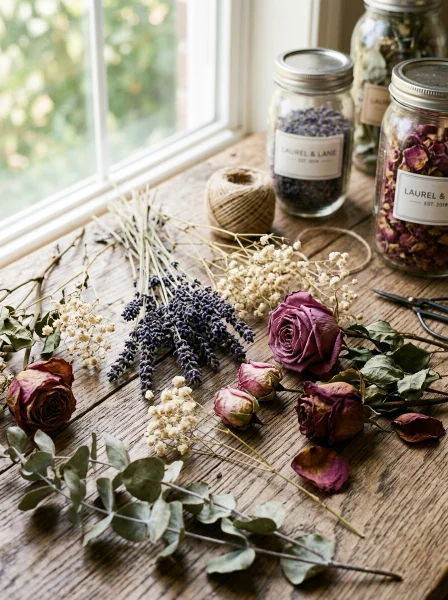
- Various dried flower varieties
- Humidity meter
- Storage containers
- Silica gel packets
The typical lifespan of dried flowers ranges from one to five years depending on the variety. Hardier flowers like roses, lavender, and strawflowers tend to last longest. Delicate blooms such as hydrangeas may deteriorate faster without proper care.
Environmental factors play a crucial role in preservation. Humidity levels above 60% can cause mold growth and premature decay. Temperature fluctuations also accelerate the deterioration process significantly.
2. Proper Drying Techniques
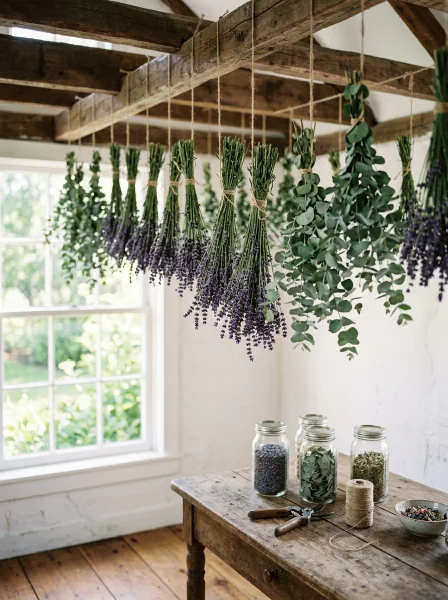
- Fresh flowers at peak bloom
- Rubber bands or twine
- Dark, dry hanging space
- Air circulation fan
The foundation of long-lasting dried flowers starts with proper drying methods. Hang flowers upside down in bundles of three to five stems. Choose a dark location with good airflow to prevent mold development.
Allow two to four weeks for complete drying depending on flower thickness. Thicker blooms like peonies require longer drying periods. Check stems by bending gently—they should snap cleanly when fully dried.
3. Silica Gel Preservation

- Fine silica gel crystals
- Airtight container
- Soft brush
- Fresh flowers
For exceptional color retention, silica gel drying produces museum-quality results. This method preserves the original flower shape and vibrant hues beautifully. Flowers dried this way can maintain their appearance for three to five years.
Bury flowers completely in silica gel within an airtight container. Wait five to seven days before carefully excavating your blooms. Use a soft brush to remove any remaining crystals from delicate petals.
4. Strategic Display Locations

- Dried flower arrangement
- UV-protective glass dome
- Wall mounting hardware
- Decorative vases
Where you display dried flowers dramatically affects their longevity. Avoid direct sunlight which causes rapid fading and brittleness. North-facing rooms or interior spaces offer ideal lighting conditions.
Keep arrangements away from heat sources and air vents. Radiators, fireplaces, and HVAC vents create dry conditions that cause premature crumbling. Bathrooms and kitchens have humidity levels too high for dried flower preservation.
If you enjoy creating fun crafts to make at home, dried flower arrangements offer endless creative possibilities for every room in your house.
5. Dust Prevention Methods
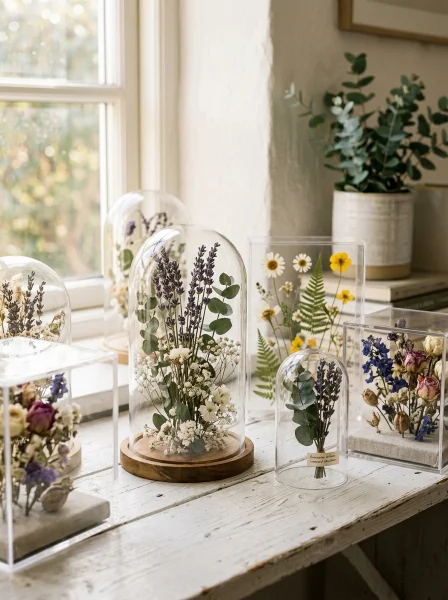
- Soft makeup brush
- Low-power hair dryer
- Glass display dome
- Microfiber cloth
Dust accumulation is a major enemy of dried flowers. It dulls colors and weighs down delicate petals over time. Regular gentle cleaning extends the visual appeal of your arrangements significantly.
Use a soft makeup brush to gently dust petals weekly. For stubborn dust, use a hair dryer on the lowest cool setting from twelve inches away. Glass domes or shadow boxes minimize dust exposure between cleanings.
6. Hairspray Sealing Technique

- Unscented hairspray
- Dried flower arrangement
- Protective drop cloth
- Well-ventilated area
A light coating of unscented hairspray creates a protective barrier against humidity and handling damage. This simple technique can add months or years to your dried flower lifespan. Apply in thin, even coats for best results.
Hold the can twelve inches from the flowers and spray in quick sweeping motions. Allow twenty-four hours to dry completely before handling. Reapply every three to six months for continued protection.
7. Professional Sealant Options

- Floral sealant spray
- Clear acrylic coating
- Spray booth or box
- Protective gloves
Professional-grade floral sealants offer superior protection compared to household alternatives. These products are specifically formulated to preserve dried botanical materials. They create flexible, breathable coatings that prevent brittleness.
Apply sealants in a well-ventilated area following manufacturer instructions carefully. Multiple thin coats work better than single heavy applications. Allow complete curing time before displaying treated arrangements.
8. Humidity Control Strategies

- Room dehumidifier
- Silica gel packets
- Humidity monitor
- Airtight display cases
Maintaining optimal humidity between 30-40% dramatically extends dried flower longevity. Excessive moisture causes mold while extreme dryness leads to crumbling. Climate control is especially important in variable weather regions.
Place small silica gel packets near stored or displayed arrangements. In humid climates, consider using a room dehumidifier during wet seasons. Monitor levels regularly with an inexpensive digital hygrometer.
9. Shadow Box Displays
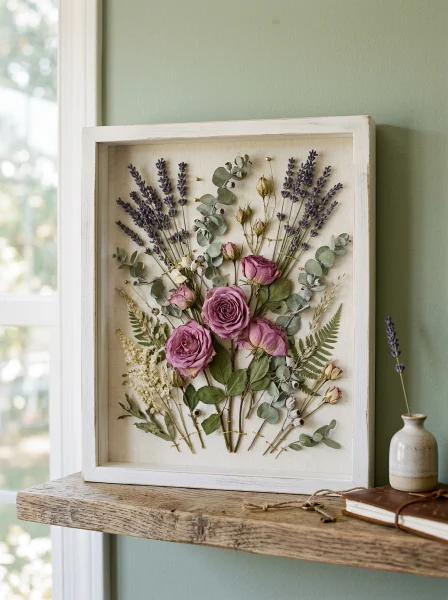
- Deep shadow box frame
- Acid-free backing paper
- Hot glue gun
- Dried flowers
Shadow box frames provide excellent protection while showcasing dried flower beauty. The enclosed design protects against dust, humidity fluctuations, and accidental damage. These displays can preserve arrangements for five years or longer.
Arrange flowers on acid-free backing material to prevent chemical degradation. Secure stems with small dots of hot glue applied carefully. Consider adding silica packets inside for additional moisture control.
Creating preserved flower displays makes wonderful DIY handmade gifts for weddings, anniversaries, and special occasions that recipients will treasure forever.
10. Glass Dome Protection

- Glass cloche dome
- Wooden or marble base
- Floral foam or putty
- Dried flower arrangement
Victorian-style glass domes create stunning displays while offering superior protection. The enclosed environment shields flowers from dust, humidity changes, and physical contact. Domed arrangements become elegant decorative focal points.
Secure arrangements to the base using floral foam or museum putty. Ensure the dome creates a complete seal with the base. Clean the glass exterior regularly to maintain visual clarity.
11. Proper Storage Solutions
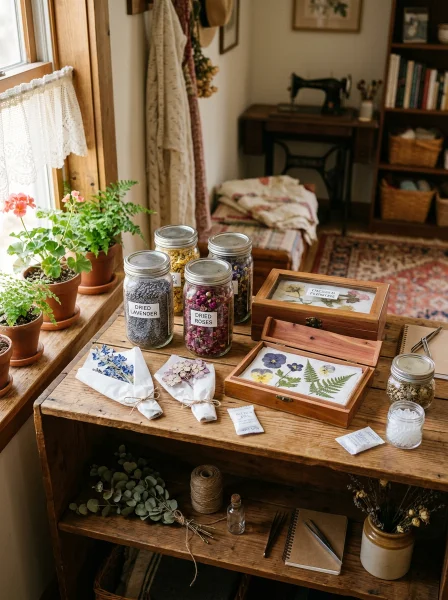
- Acid-free tissue paper
- Cardboard storage boxes
- Silica gel packets
- Cool, dark storage space
When rotating seasonal arrangements, proper storage prevents damage during off-season periods. Use acid-free materials to prevent chemical reactions that cause discoloration. Store in climate-controlled spaces away from temperature extremes.
Wrap individual stems loosely in acid-free tissue paper. Place wrapped flowers in sturdy cardboard boxes with silica gel packets. Store boxes horizontally in closets or under beds away from moisture sources.
12. Color Refreshing Tricks
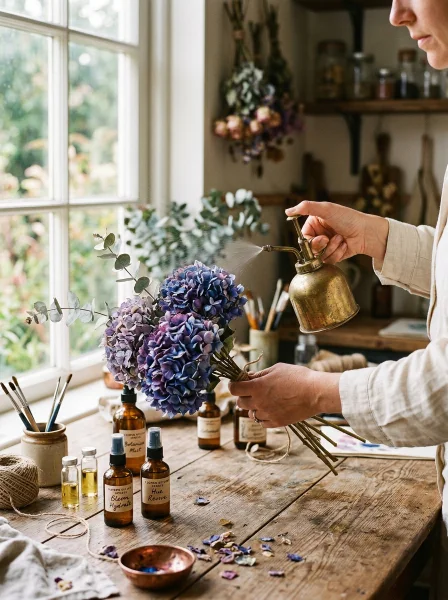
- Floral spray paint
- Fabric dye spray
- Protective workspace
- Faded dried flowers
Even with perfect care, colors naturally fade over time. Specialty floral sprays can refresh faded arrangements without replacing them. This technique extends the display life of treasured botanical collections.
Choose spray products designed for dried florals in colors matching the original blooms. Apply light coats from multiple angles for natural-looking coverage. Work in well-ventilated areas and allow complete drying between coats.
13. Handling Best Practices

- Cotton gloves
- Long tweezers
- Stable work surface
- Good lighting
Minimize handling of dried flowers to prevent oil transfer and physical damage. Natural skin oils can cause discoloration and attract dust particles. When adjustments are necessary, use proper techniques and tools.
Wear clean cotton gloves when arranging or repositioning dried flowers. Use long tweezers for delicate adjustments to individual petals. Work on stable surfaces with good lighting to avoid accidental drops.
For those who enjoy home craft projects quick and easy, dried flower arrangements offer instant decorative impact with minimal effort.
14. Pest Prevention Methods
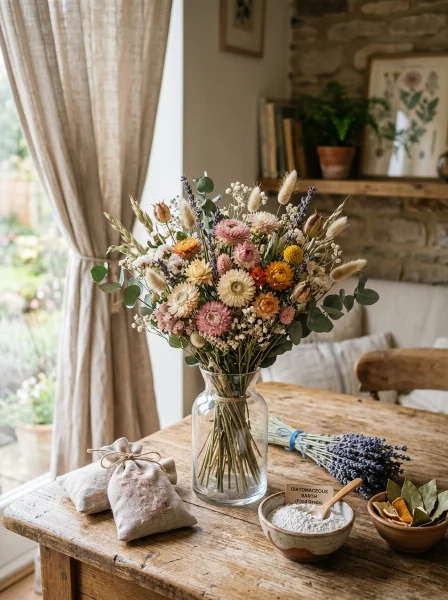
- Cedar blocks or chips
- Lavender sachets
- Airtight storage containers
- Natural pest deterrents
Insects and pests can devastate dried flower collections surprisingly quickly. Moths, carpet beetles, and silverfish find dried botanical material attractive. Preventive measures protect your arrangements from unwanted visitors.
Place cedar blocks or lavender sachets near displayed and stored arrangements. These natural deterrents repel common pests without harmful chemicals. Inspect arrangements monthly for signs of insect activity.
15. Seasonal Arrangement Rotation

- Multiple dried arrangements
- Proper storage supplies
- Seasonal vases
- Rotation schedule
Rotating arrangements seasonally distributes wear and extends overall collection lifespan. Each piece gets rest periods in optimal storage conditions. This approach also keeps home decor feeling fresh throughout the year.
Create themed arrangements for each season using appropriate flowers and colors. Store resting arrangements properly between display periods. Track display time to ensure even rotation among your collection.
Exploring dollar store crafts ideas can help you find affordable vases and display containers for your seasonal dried flower arrangements.
16. Repair and Restoration Tips

- Clear craft glue
- Fine wire
- Floral tape
- Replacement dried elements
Minor damage doesn’t mean discarding beloved arrangements. Simple repairs can restore broken stems and fallen petals effectively. Learning basic restoration extends the life of meaningful botanical keepsakes.
Reattach fallen petals using tiny drops of clear craft glue. Reinforce broken stems with fine wire wrapped in floral tape. Replace severely damaged elements with matching dried flowers to maintain visual appeal.
For more creative ideas, browse handmade gift craft ideas that incorporate preserved flowers into unique personalized presents.
Now you understand exactly how long do dried flowers last and the care tips to make them last for years. With proper drying, strategic display, and regular maintenance, your preserved blooms can remain beautiful for three to five years or longer. Grab your favorite flowers and preservation supplies and start creating arrangements that will bring lasting beauty to your home!
Share your favorite dried flower care tips in the comments below!
Rate this post