18 Ways to Dry Flowers at Home for Decor and Crafts

Have you ever received a stunning bouquet and wished you could keep those beautiful blooms forever? The good news is that you absolutely can. Learning how to dry flowers at home to preserve them for decor and crafts opens up endless possibilities for gorgeous home decorations and meaningful keepsakes.
Whether you want to create stunning wall art, preserve wedding bouquets, or craft unique gifts, dried flowers offer timeless beauty. In this comprehensive guide, you’ll discover 18+ methods and project ideas to transform fresh blooms into lasting treasures. Let’s dive in…
1. Classic Air Drying Method
- Fresh flowers with stems
- Rubber bands or twine
- Hooks or hangers
- Dark, dry room
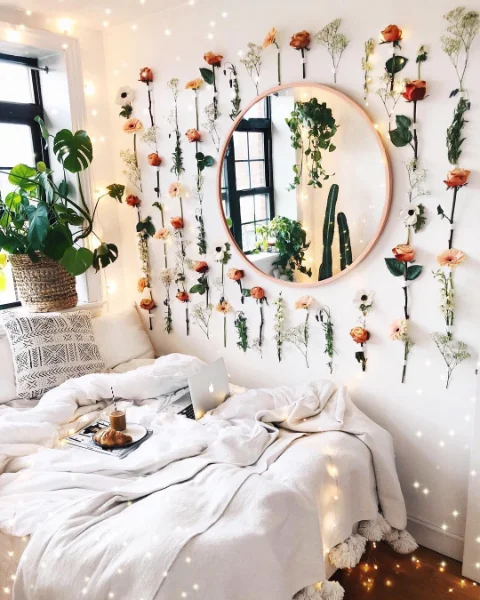
The air drying technique remains the most popular and budget-friendly way to preserve flowers. Simply gather your blooms into small bundles and secure them tightly with rubber bands. Hang them upside down in a dark, well-ventilated space.
This method works exceptionally well for roses, lavender, and hydrangeas. The drying process typically takes two to three weeks depending on humidity levels. Your patience will reward you with beautifully preserved vintage-style flowers.
2. Silica Gel Preservation

- Silica gel crystals
- Airtight container
- Fresh flowers
- Soft brush
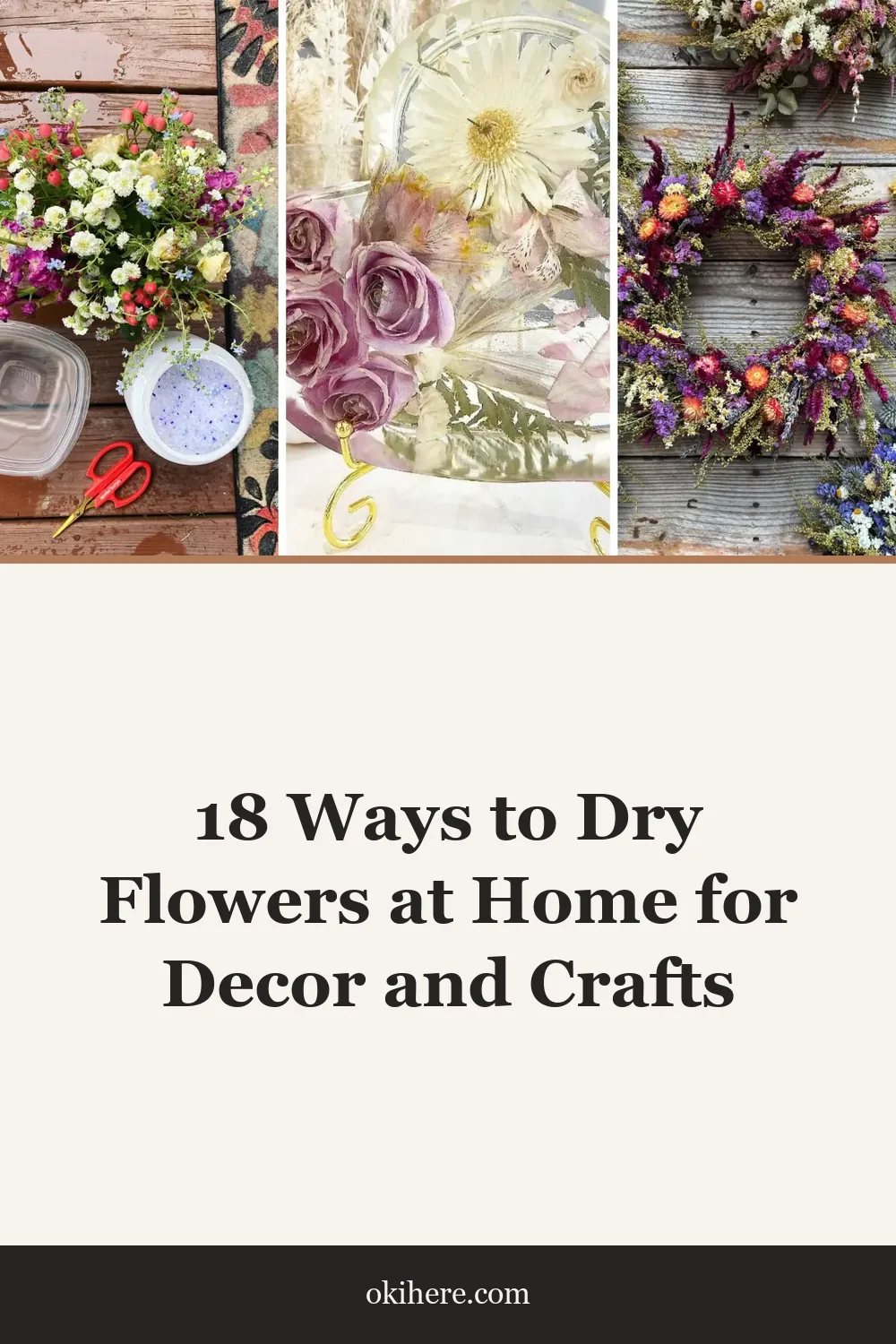
For preserving delicate blooms with vibrant color retention, silica gel delivers stunning results. This method absorbs moisture quickly while maintaining the flower’s original shape. Place a layer of crystals in your container and nestle flowers face-up.
Gently cover the petals with more silica gel until completely buried. Seal the container and wait three to seven days for perfect preservation. This technique works beautifully for DIY handmade gifts like jewelry and shadowboxes.
3. Microwave Speed Drying
- Microwave-safe container
- Silica gel
- Fresh flowers
- Cup of water
When time is limited, the microwave method produces dried flowers in mere minutes. Combine this technique with silica gel for rapid moisture removal. Place your prepared container in the microwave alongside a cup of water.
Heat in 30-second intervals on medium power, checking progress frequently. Most flowers require two to four minutes total. Allow the container to cool completely before removing your perfectly preserved blooms.
4. Elegant Flower Pressing

- Heavy books
- Parchment paper
- Fresh flat flowers
- Cardboard sheets
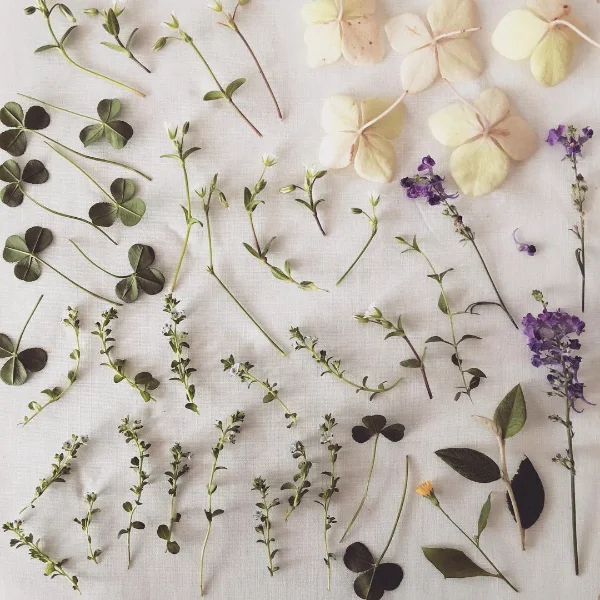
The traditional pressing method creates flat, delicate specimens perfect for framing. Choose flowers with naturally flat profiles like pansies, daisies, and ferns. Arrange blooms between sheets of parchment paper without overlapping.
Stack heavy books on top and wait two to four weeks for complete drying. This simple approach is perfect if you enjoy fun crafts to make at home. The resulting pressed flowers work beautifully in cards, bookmarks, and framed art.
5. Wooden Flower Press Project

- Two wooden boards
- Cardboard layers
- Wing nuts and bolts
- Drill with bits
Building a DIY flower press elevates your preservation game significantly. Drill holes in each corner of two matching wooden boards. Insert bolts through one board and layer cardboard and parchment alternately.
Place flowers between layers, add the top board, and tighten wing nuts to apply even pressure. This reusable tool makes flower pressing efficient and enjoyable. Your homemade press becomes a treasured crafting companion for years.
6. Glycerin Preservation Technique
- Vegetable glycerin
- Hot water
- Tall vase
- Fresh foliage or flowers
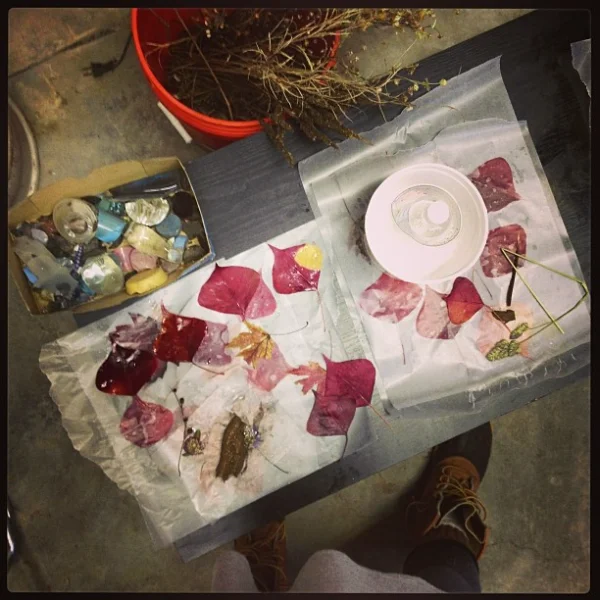
The glycerin method produces supple, flexible preserved flowers unlike any other technique. Mix one part glycerin with two parts hot water in a tall container. Cut stems at an angle and place them in the warm solution.
Allow two to three weeks for complete absorption. This approach works exceptionally well for eucalyptus, magnolia leaves, and ferns. Your glycerin-preserved foliage maintains incredible flexibility perfect for wreaths and arrangements.
7. Sand Drying Approach

- Fine clean sand
- Cardboard box
- Fresh flowers
- Soft brush
This traditional sand technique offers an affordable alternative to silica gel. Pour a two-inch layer of clean, dry sand into a sturdy box. Position flowers upright and gently pour more sand around petals.
The drying process takes approximately three weeks but produces excellent results. Once complete, carefully pour out sand and use a soft brush to remove residue. Looking for dollar store crafts ideas?
This budget-friendly method uses inexpensive materials.
8. Book Page Pressing

- Old phone book or dictionary
- Wax paper sheets
- Fresh small flowers
- Additional weight
Transform an old phone book into the perfect pressing tool. The absorbent paper naturally wicks moisture away from petals. Place wax paper on both sides of flowers to prevent ink transfer.
Distribute blooms throughout the book with at least 20 pages between each pressing. Stack additional heavy objects on top for extra pressure. This simple technique produces beautiful flat specimens without special equipment.
9. Oven Drying Method
- Baking sheet
- Parchment paper
- Wire cooling rack
- Fresh flowers
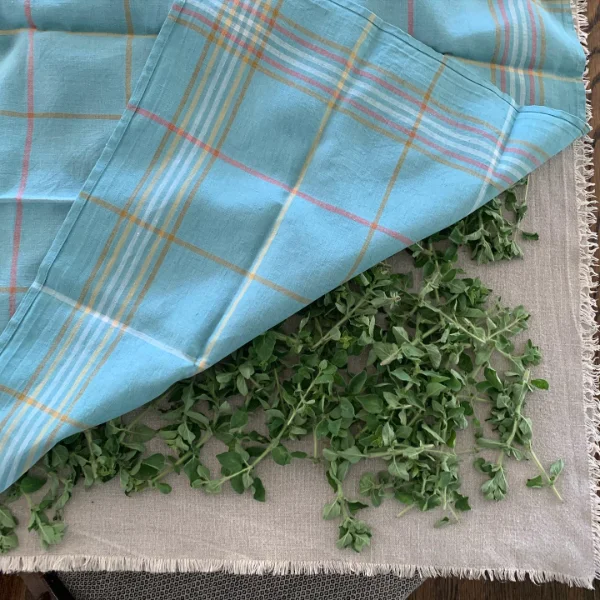
The oven technique accelerates drying dramatically when you need quick results. Preheat your oven to the lowest setting, typically around 180°F. Arrange flowers on a parchment-lined baking sheet in single layers.
Prop the oven door open slightly to allow moisture escape. Check flowers every 30 minutes until petals feel papery. This method suits sturdy blooms like roses and zinnias particularly well.
10. Resin Encapsulation Art
- Epoxy resin kit
- Silicone molds
- Pre-dried flowers
- Mixing cups and sticks
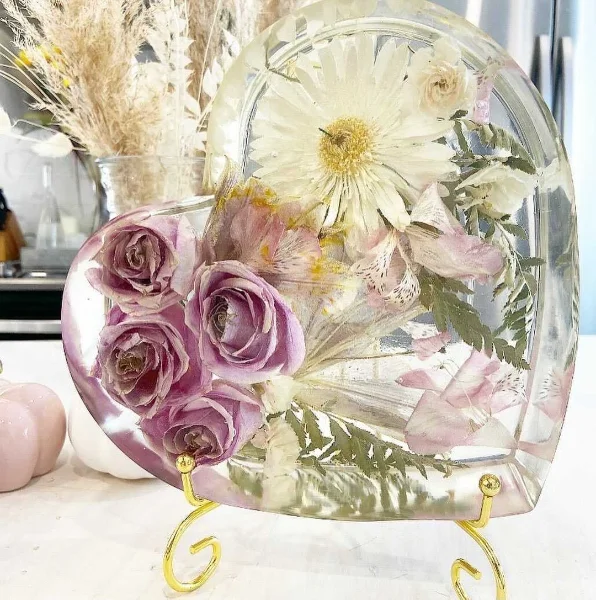
Creating resin flower art transforms dried blooms into stunning permanent keepsakes. Always use completely dried flowers to prevent cloudiness and bubbles. Mix epoxy resin according to package instructions carefully.
Pour a thin base layer into molds and let it partially cure. Arrange dried flowers on the tacky surface and add remaining resin. These pieces make exceptional handmade gift craft ideas that recipients treasure forever.
11. Shadowbox Display Creation
- Deep picture frame
- Foam board backing
- Hot glue gun
- Dried flowers
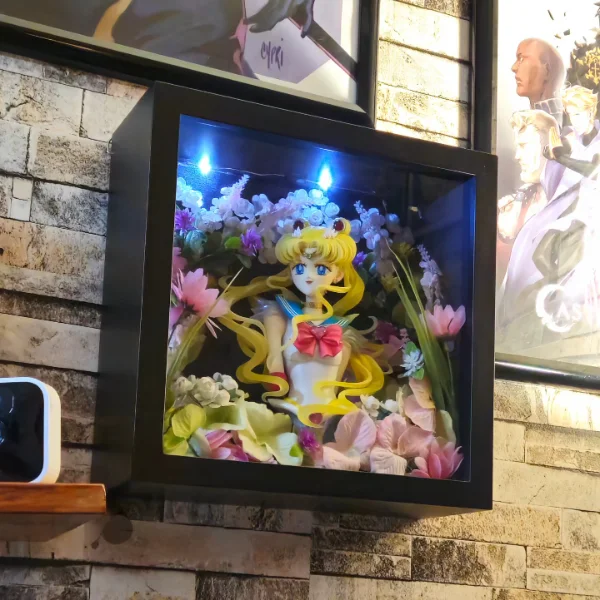
A shadowbox arrangement showcases dried flowers as elegant wall art. Choose a frame with adequate depth to accommodate your largest blooms. Cover the backing with fabric or decorative paper first.
Plan your arrangement before gluing, considering color balance and visual flow. Secure each stem carefully with hot glue working from background to foreground. These displays make memorable keepsakes from wedding bouquets and special occasions.
12. Dried Flower Wreath

- Wire or grapevine wreath form
- Floral wire
- Assorted dried flowers
- Ribbon for hanging
Crafting a dried flower wreath creates a stunning year-round door decoration. Start with a sturdy base form that complements your design style. Gather dried stems into small bundles and secure with floral wire.
Attach bundles around the form, overlapping to cover wire and stems. Mix textures and colors for visual interest throughout your beautiful wreath. This project works wonderfully alongside other home craft projects quick for weekend crafting sessions.
13. Potpourri Bowl Creation

- Dried flower petals
- Essential oils
- Decorative bowl
- Fixative like orris root
Transform dried petals into fragrant potpourri that freshens any room naturally. Combine thoroughly dried petals from roses, lavender, and other fragrant blooms. Add a few drops of complementary essential oils to enhance scent.
Mix in orris root powder as a natural fixative to help fragrances last longer. Display in decorative bowls throughout your home for beautiful, aromatic accents. Refresh with additional essential oils when the scent begins fading.
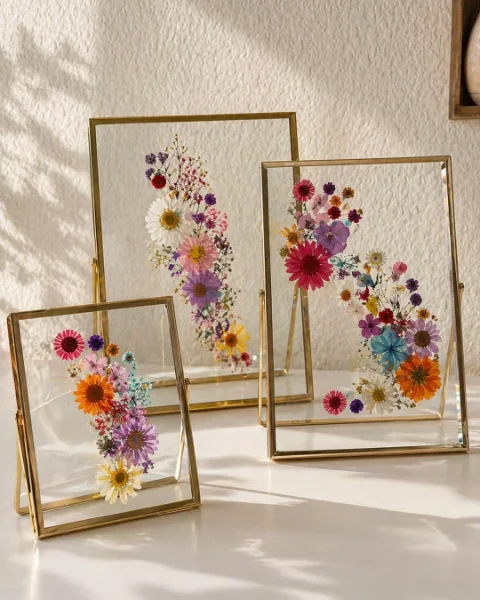
14. Framed Pressed Art
- Float frame or regular frame
- Acid-free cardstock
- Pressed flowers
- Craft glue
Creating framed botanical art transforms pressed flowers into gallery-worthy displays. Arrange your pressed specimens on acid-free paper to prevent yellowing. Plan compositions carefully before committing to permanent placement.
Apply tiny dots of craft glue to secure each piece gently. Choose frames that complement both flowers and room decor for cohesive styling. Float frames showcase pressed flowers particularly beautifully by displaying both sides.
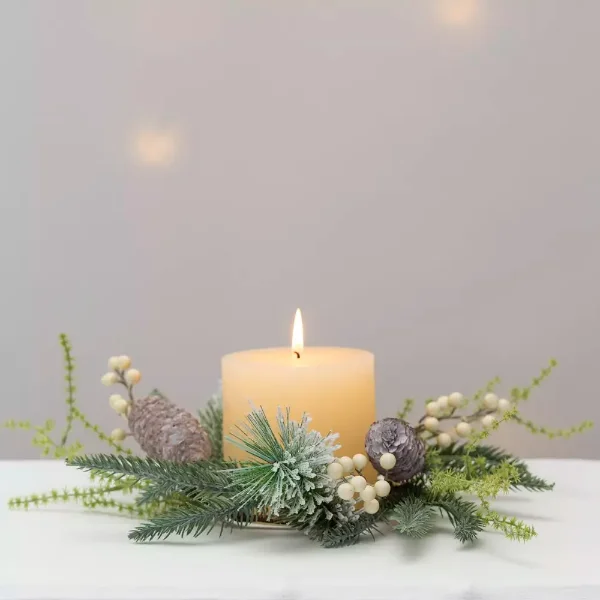
15. Candle Decoration Method
- Plain pillar candles
- Small pressed flowers
- Mod Podge or wax paper
- Heat gun
Decorating candles with pressed flowers creates stunning centerpieces and gifts. Hold delicate blooms against the candle surface carefully. Use a heat gun to gently warm the wax until flowers embed slightly.
Alternatively, brush a thin layer of Mod Podge over positioned flowers. This technique works best with thin petals that lay flat naturally. Your decorated candles become beautiful focal points for any room.
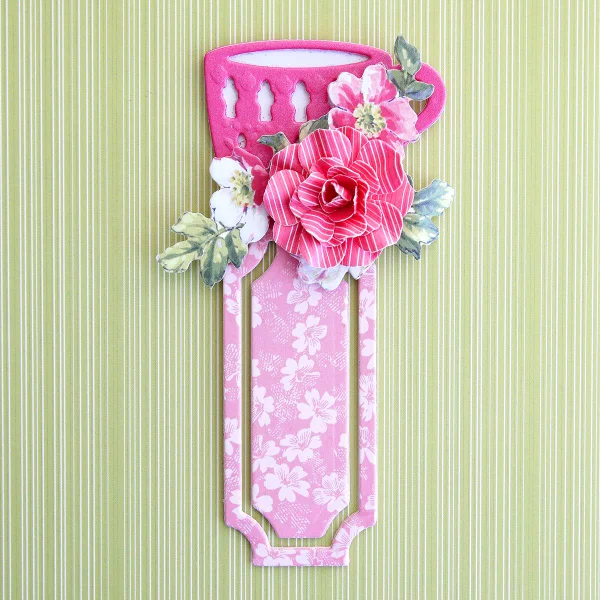
16. Bookmark Crafting Project
- Cardstock strips
- Pressed flowers
- Clear contact paper or laminator
- Hole punch and ribbon
Handmade flower bookmarks make thoughtful gifts for book lovers everywhere. Cut cardstock into rectangular strips approximately two by six inches. Arrange tiny pressed flowers in pleasing designs on each strip.
Seal with clear contact paper or run through a laminator carefully. Punch a hole at the top and thread decorative ribbon or tassel through. These charming bookmarks cost almost nothing to make yet look professionally crafted.
17. Jewelry Making Ideas

- Small dried flowers
- Resin jewelry bezels
- UV resin
- Jewelry findings
Creating flower jewelry captures nature’s beauty in wearable art form. Select tiny dried blooms or individual petals that fit your chosen bezels. Arrange flowers face-down in the bezel for pendants and face-up for earrings.
Pour UV resin slowly to avoid air bubbles and cure under sunlight or UV lamp. Attach appropriate findings to complete your pieces professionally. These handmade accessories make meaningful gifts for loved ones.
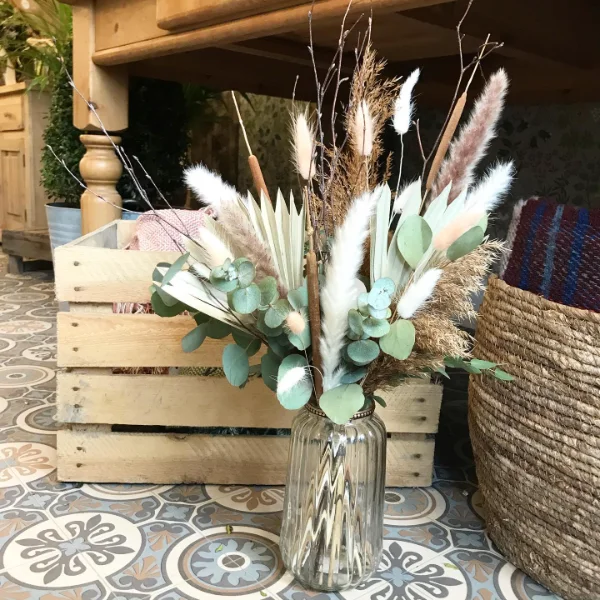
18. Dried Arrangement Vase
- Decorative vase
- Floral foam or filler
- Assorted dried flowers
- Dried grasses and foliage
A dried flower arrangement provides lasting beauty without any maintenance required. Choose a vase that complements your interior design style appropriately. Fill with floral foam cut to fit or decorative pebbles for support.
Build your arrangement starting with taller stems and filling with shorter blooms progressively. Mix textures by including dried grasses, seed pods, and preserved foliage. Rotate arrangements occasionally to maintain even color exposure from light sources.
Learning how to dry flowers at home to preserve them for decor and crafts unlocks a world of creative possibilities. From simple air drying to elegant resin art, you now have numerous techniques to transform fresh blooms into lasting treasures. Grab your favorite flowers and start creating today!
Share your favorite drying methods and finished projects in the comments below. Rate this post and let us know which technique you’ll try first!