Succulent Arrangements: 12 Easy DIY Planter Ideas
Have you ever brought home a tiny rosette succulent, set it on a shelf, and watched it stretch into a pale, floppy stalk that looks nothing like the plant you bought? You are not alone. Succulents have a reputation for being impossible to kill, and that reputation is exactly what makes them so easy to lose.
The good news is that almost every failure comes down to three fixable things: the container, the soil, and where the plant sits. Get those right once and an arrangement holds its shape for years. Get them wrong and no amount of careful watering will save it.
This guide covers how to build an arrangement that actually lasts, twelve ideas you can make in an afternoon, and the honest reasons indoor succulents fail.
Quick summary
- Gritty soil, a drainage hole and a genuinely sunny spot are what keep an arrangement compact rather than pale and floppy.
- Pot together only species with matching thirst and sun tolerance, otherwise one resident is permanently unhappy in there.
- Water deeply until it runs out of the hole, then wait until the soil is completely dry again.
- Pale leaning growth with widening gaps between leaves is a lighting fault, and that damage never tightens back up.
- Gravel or coarse sand on top keeps leaves off wet soil and makes a cheap pot look finished.
Quick answer: A good succulent arrangement is a shallow container with a drainage hole, filled with soil cut roughly half and half with coarse grit, planted with succulents that share the same light and water needs, finished with a layer of top dressing, and kept in the brightest spot available.
What Makes a Succulent Arrangement Work
An arrangement is a small shared environment. Everything in it gets the same light, the same soil, and the same watering schedule, whether that suits it or not.
Light Comes First
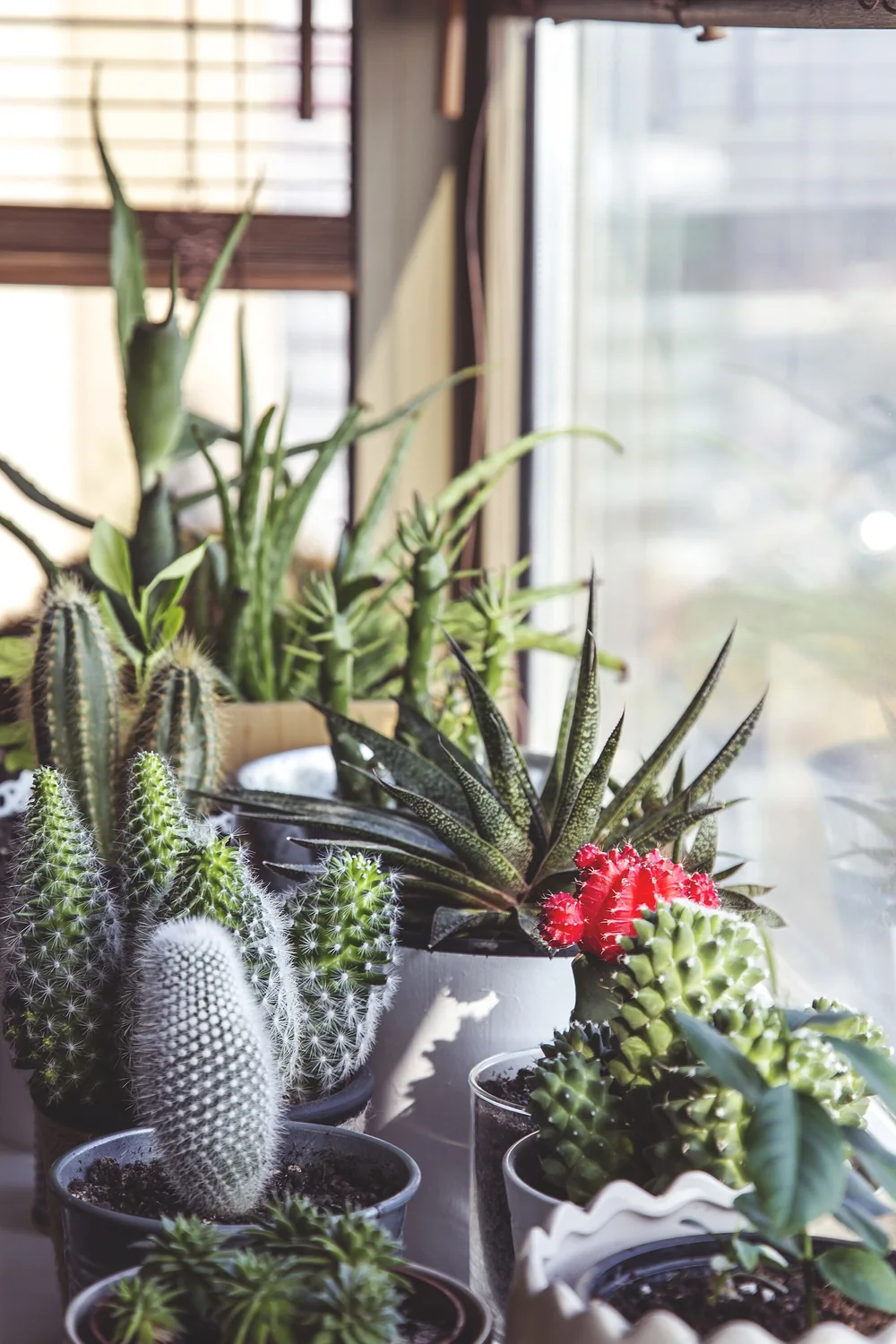
Light is the biggest factor and the one most arrangements get wrong. Indoors, a south-facing window in the northern hemisphere or a north-facing one in the southern hemisphere is the baseline. A bright room with no direct sun is not the same thing.
When light is short, the stem lengthens, the leaves space out and the colour fades. That change is permanent: growth continues from the new tip, but the stretched section stays stretched.
Drainage Is Not Optional
Succulent roots need to dry out between waterings. A container with no hole holds water at the bottom where nothing can reach it, and the first sign of trouble is usually a plant that collapses with no warning. Such a container can still be used, but only with measured watering rather than pouring.
Group Plants That Want the Same Things
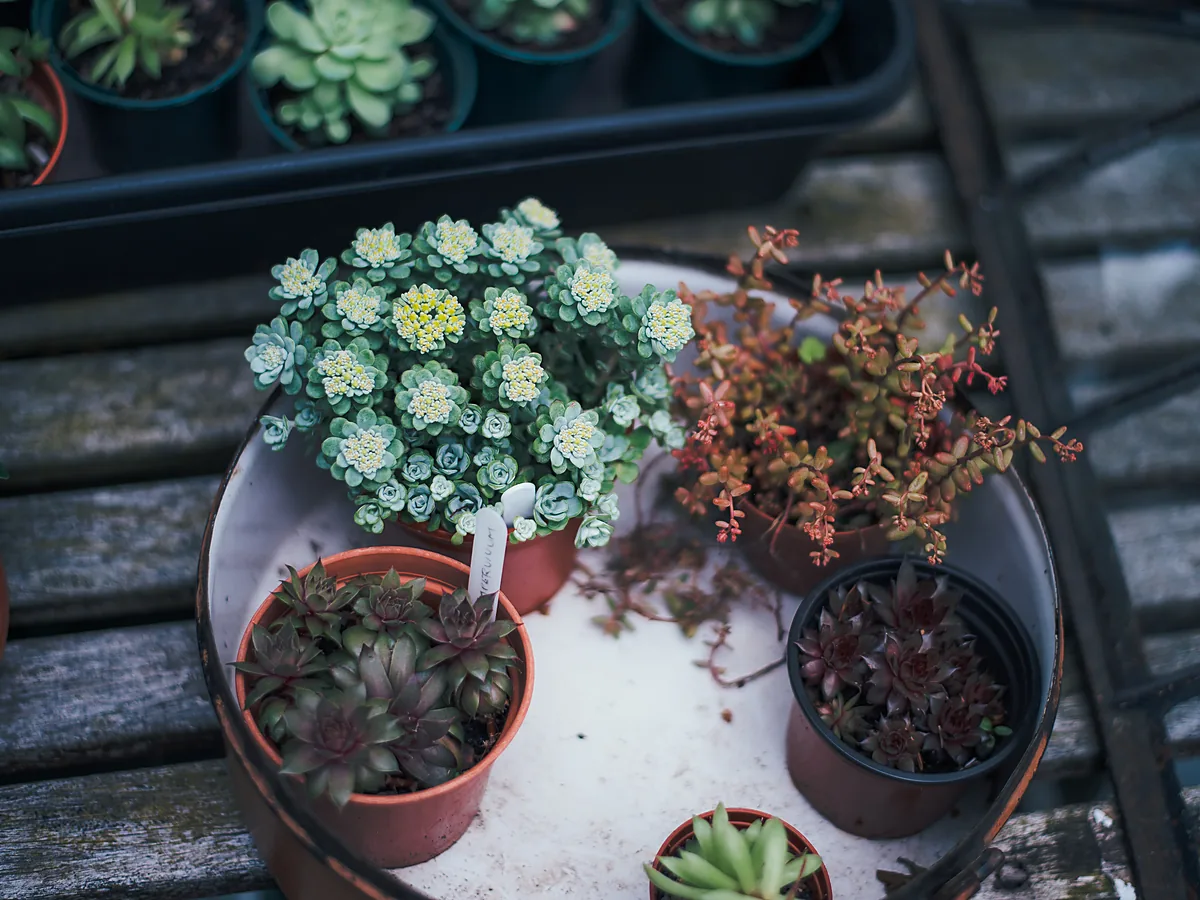
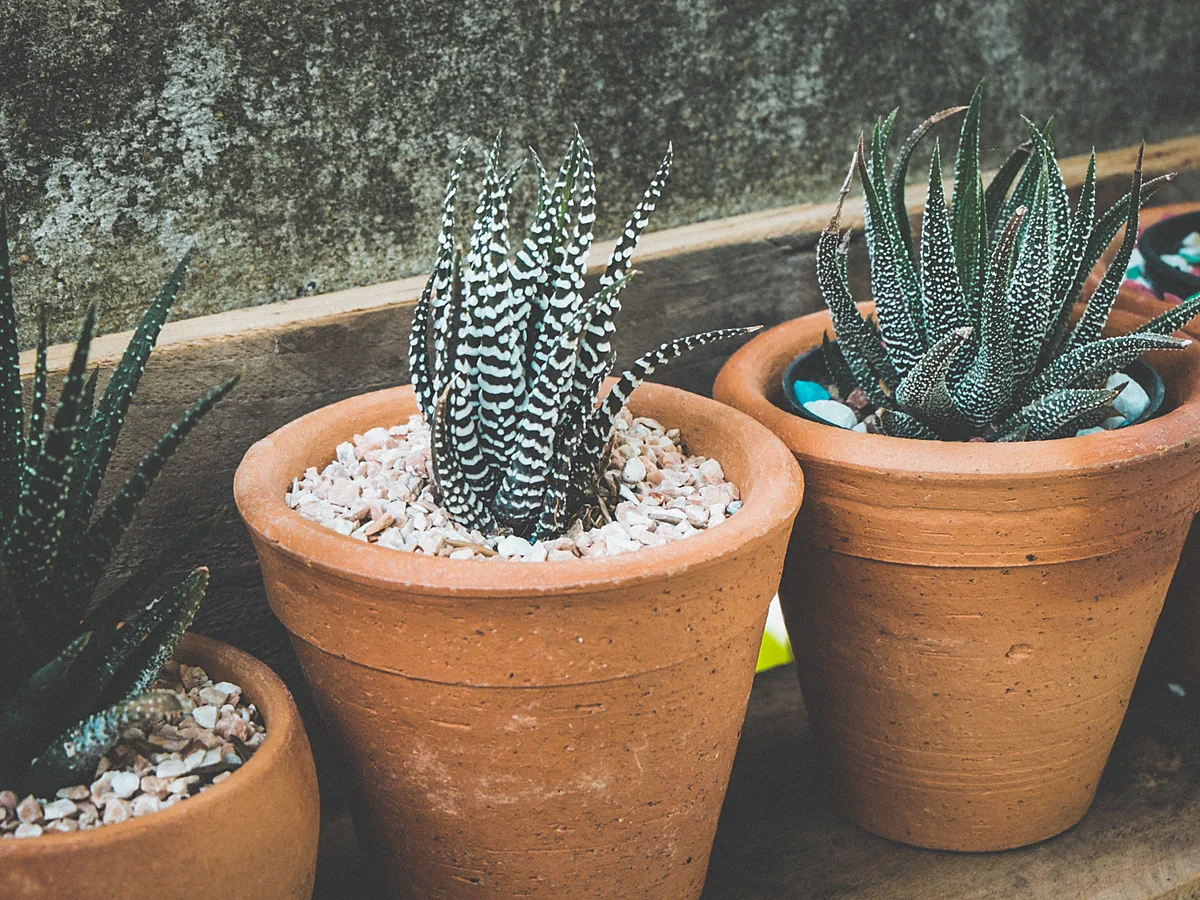
Echeveria, sedum and most colourful rosettes want as much light as a window can give. Haworthia, gasteria and the striped translucent types tolerate noticeably less. In one pot, either the haworthia scorches or the echeveria stretches, depending on where the pot sits.
What to Gather Before You Plant
None of this is specialist equipment, and most of it carries over to other projects.
- A shallow container with a drainage hole. These roots are shallow and wide; depth only adds wet soil nothing is using.
- Cactus or succulent potting mix. Bagged mixes are still too water retentive on their own.
- Coarse grit, pumice, or horticultural sand. Roughly half and half with the mix. Builder’s sand and play sand set like concrete.
- Top dressing. Aquarium gravel, pebbles, or crushed granite, coarse grade. Fine grit sinks in and disappears.
- A chopstick or pencil. For tucking roots in without crushing leaves.
- A soft brush. Soil dust clings to the leaves and is hard to wash off later.
Almost anything shallow works as the container. A chipped bowl, a wooden drawer, a concrete offcut or a tin all plant well once a hole exists, which is the thinking behind these unexpected planter materials. Indoors, add a saucer.
How to Plant a Succulent Arrangement
The whole process takes about twenty minutes. Work with dry mix rather than damp, because dry mix pours into gaps and damp mix sits in clumps.
Step 1: Mix the Soil
Combine mix and grit in a bucket, roughly half and half by volume. Squeeze a handful: it should fall apart rather than hold a shape.
Step 2: Lay Out the Plants First
Set the plants on the empty container, still in their nursery pots, and move them until the shape works. Odd numbers sit better than even, and one tall or trailing plant stops the result looking like a tray of buttons.
Step 3: Loosen the Roots
Tip each plant out and crumble away most of the nursery soil. It is usually a peat mix holding far more water than succulents want, and leaving it creates a wet pocket inside a dry pot.
Step 4: Plant Tight
These arrangements are meant to look full on day one. Set the plants close enough that the leaves nearly touch, trickle dry mix into the gaps with a spoon and settle it with the chopstick, keeping leaves above soil level.
Step 5: Top Dress and Wait
Spread gravel over the surface, working it under the lower leaves, then leave everything dry for about a week. Broken roots seal over in dry soil and rot in wet, which is why the instinct to water a new planting straight away is wrong here.
12 Easy Succulent Arrangement Ideas
Each uses the same planting method. What changes is the container and the mix of plants.
1. The Shallow Dish Garden
A wide, low dish with three or four rosettes and one trailing plant over the rim. The classic arrangement, and the easiest to get right because a shallow dish dries evenly.
2. Single Plant, Single Pot
One good specimen per pot, repeated across a shelf in matching containers. It reads as deliberate rather than sparse, and every plant gets exactly the care it needs.
3. The Windowsill Row
Small pots along the brightest sill in the house. The advantage is light; the thing to watch is cold winter glass, which marks leaves that touch it.
4. Concrete Cube Planters
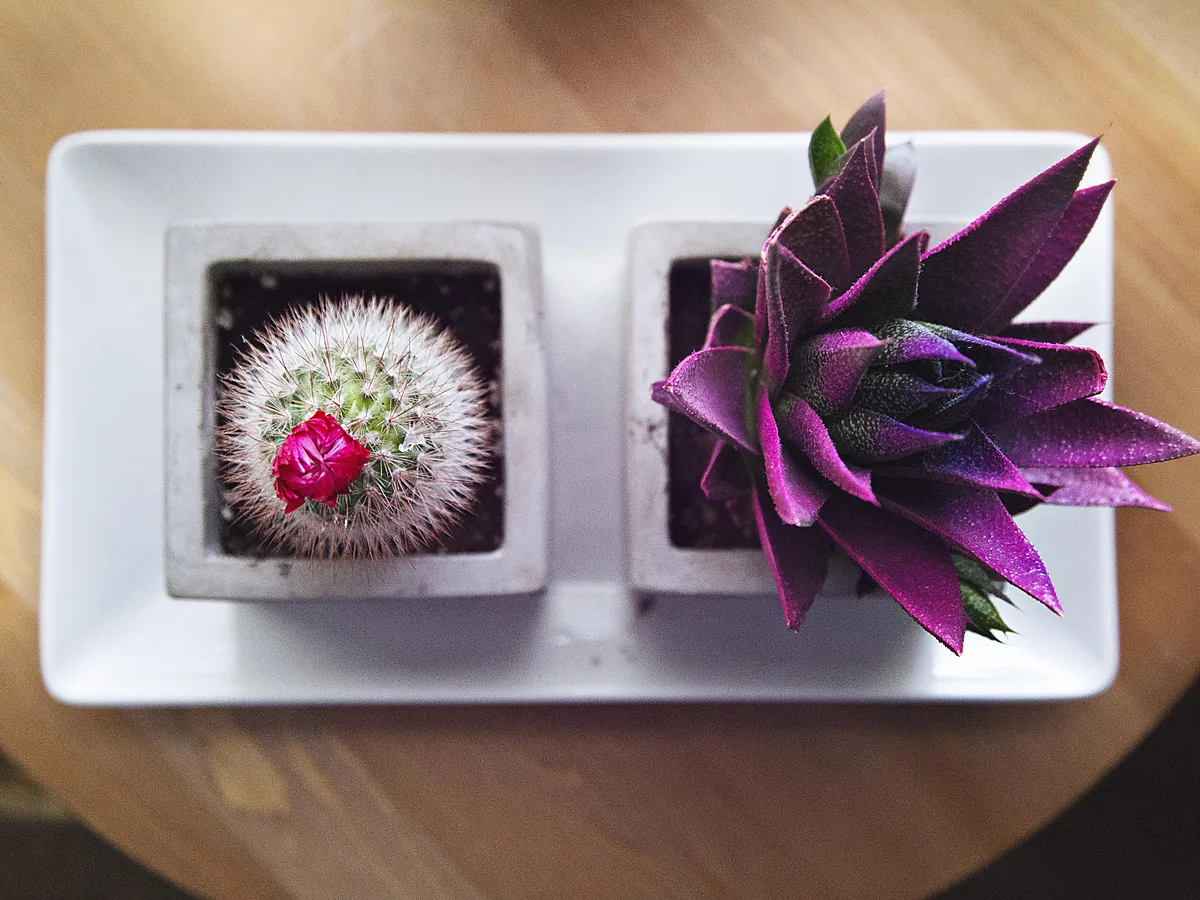
Cast cubes from a fast-setting mix give a heavy, modern base for one rosette. Anyone who has poured a concrete stepping stone already has the technique and the materials.
5. The Teacup Set
Mismatched cups and saucers from a charity shop, one small plant each. Cups rarely have holes, so these need measured watering and suit haworthia better than thirsty rosettes.
6. A Wooden Trough or Drawer
An old drawer lined with plastic, holes drilled through both, planted end to end. Long and shallow is close to ideal for these roots.
7. The Hanging Arrangement
Trailing sedum or string of pearls suspended at window height. A handmade macrame plant hanger costs very little in cord and reaches the brightest part of a room where floor space has run out.
8. Painted Terracotta
Plain terracotta is cheap, porous and fast drying, which suits succulents perfectly. Paint the outside only, leave the rim and inside bare, and the pot keeps breathing.
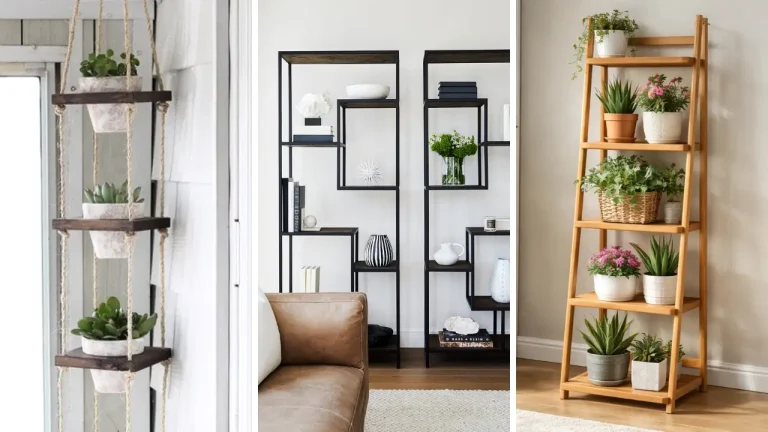
9. The Tiered Stand
Three or four pots on a stepped stand, the most light hungry on top. It fits many plants into one window without any of them shading the others.
10. Tin and Jar Planters
Food tins and small jars, punched or drilled and grouped on a tray. A good use for odd containers left over from other projects, in the spirit of these budget vase ideas.
11. The Clay Dish You Make Yourself
A pinched dish gives a container nothing else will match. Air dry clay is not waterproof on its own, so seal the inside or use it as a cachepot; the material behind these polymer clay projects handles small saucers nicely.
12. The Outdoor Summer Bowl
A large bowl kept outside through the warm months and brought in before the first frost. Outdoor light produces colour and tight growth no indoor window can match, and it sits well beside the rest of a beginner garden decor setup.
What Actually Kills Indoor Succulents
This matters more than any idea above, because an arrangement that fails in three months was never really made.
Too Little Light, Not Too Little Water
Stretching is the most common complaint and the most often misdiagnosed. A plant that is leaning, spacing out its leaves and losing colour is short of light. Watering it more makes things worse, because soft new growth needs light most of all.
Small, Frequent Sips
Little splashes wet only the top of the soil, leaving the roots dry while the surface stays damp enough for rot and fungus gnats. Water until it runs from the hole, tip away whatever collects in the saucer, then leave the pot alone until the soil is dry throughout.
Containers With No Hole
These work only with discipline. Pour in roughly a fifth of the container’s volume, no more, and stretch the interval between waterings. Treat the container as decorative rather than permanent.
Closed Glass
Sealed jars and lidded vessels trap humidity, the opposite of what these plants want. A beginner terrarium is built around moisture loving ferns and mosses instead. The two projects look similar on a shelf and are not interchangeable.
Glued and Dyed Plants
Plants hot glued onto moss, and succulents sprayed in bright unnatural colours, are not long term plants. Glue stops roots forming and paint blocks the leaf surface. Avoid both when buying stock for an arrangement meant to last.
Pets and Sap
Most rosettes are harmless, but a few common plants are not. Aloe is toxic to cats and dogs if chewed, and the milky sap of euphorbias such as the pencil cactus badly irritates skin and eyes. Keep those out of reach and wash hands after taking cuttings.
Keeping an Arrangement Looking Good
Plants grow at different rates, so the one that outgrows the others eventually needs lifting out. Pull dry leaves from the base as they shrivel rather than leaving them under the top dressing where they hold moisture, and turn the pot a quarter turn every week or two so nothing leans.
If a rosette does stretch, cut the top off cleanly, let the cut dry for several days and set it back on dry soil to root. The stump usually sprouts offsets too, so one stretched plant often becomes three. Repot every two years or so, and give the arrangement a summer outside to restore colour, much like the seasonal reset behind a spring patio refresh.
Conclusion
A succulent arrangement rewards the decisions made in its first twenty minutes far more than anything done afterwards. A shallow container with a hole, soil cut heavily with grit, plants grouped by what they actually need, and the strongest daylight available will carry one for years. Everything else is decoration.
Start with a single dish and three or four plants rather than a whole shelf, watch how fast it dries in that particular spot, then build the rest around what the first one taught.
Frequently Asked Questions
How often should a succulent arrangement be watered?
There is no fixed schedule, because drying time depends on the pot, the light and the season. Push a finger or wooden skewer into the soil; if any part is still damp, wait. In a bright window that often means every two or three weeks in summer and much less in winter.
Why is a succulent turning yellow and soft?
Soft, translucent, yellowing leaves mean too much water or soil that is not draining. Firm, wrinkled leaves mean the opposite. The soft version is the urgent one, because rot moves up the stem quickly.
Do succulents need a drainage hole?
They do far better with one. A container without a hole works with carefully measured watering, but it removes the margin for error, so treat that plant as temporary.
What is the best soil for a succulent arrangement?
Bagged cactus mix cut roughly half and half with pumice, coarse grit or horticultural sand. The aim is a mix that falls apart in the hand when squeezed.
Featured image: Scott Webb / Wikimedia Commons, CC0, title text added by OKI HERE.