Where to Find Cheap Furniture to Flip: Best Thrifting Sources for Maximum Profit
Have you ever walked past a beat-up dresser on the curb and wondered if it could become your next paycheck? Finding where to find cheap furniture to flip is the secret weapon that separates successful flippers from those who struggle to turn a profit. The truth is, the best thrifting sources aren’t always obvious—and knowing where to look can mean the difference between a $20 profit and a $200 windfall.
Whether you’re a complete beginner or looking to expand your sourcing game, this guide reveals the top spots to score affordable furniture pieces with serious profit potential. You’ll learn exactly which locations offer the best deals, how to time your visits for maximum savings, and insider tips that experienced flippers use daily. Let’s dive into the treasure troves waiting to fill your workshop.
Why Sourcing Cheap Furniture Matters for Successful Flipping

Your profit margin starts the moment you purchase a piece—not when you sell it. Buying low is the foundation of every successful furniture flip. When you find quality pieces at rock-bottom prices, you create room for materials, your time, and healthy profit margins.
The furniture flipping business has exploded in recent years. More competition means you need reliable sources that others might overlook. Smart flippers develop relationships with multiple sourcing channels to ensure a steady inventory flow.
Think of sourcing like a skill that improves with practice. The more you train your eye for potential, the faster you’ll spot diamonds in the rough. Many flippers who enjoy fun crafts to make at home find that furniture flipping becomes their most rewarding creative outlet.
Thrift Stores: The Classic Source for Cheap Furniture to Flip

Thrift stores remain the bread and butter for furniture flippers. Chains like Goodwill, Salvation Army, and Habitat for Humanity ReStores offer consistent inventory at predictable prices. These stores receive donations daily, meaning fresh furniture appears regularly.
Pro tip: Ask staff about delivery days. Most thrift stores put out new items on specific days, and arriving early gives you first pick. Building relationships with employees can lead to tips about incoming pieces before they hit the floor.
Don’t ignore smaller, independent thrift shops either. Local charity shops often price items lower because they lack the brand recognition of major chains. Church thrift stores and hospital auxiliary shops are particularly underrated sources where elderly donors contribute quality vintage pieces.
Best Days to Shop at Thrift Stores

Weekday mornings typically offer the freshest selection with fewer competing flippers. Many stores run color-tag sales that can slash prices by 50% or more. Track these sale schedules and plan your visits accordingly.
Month-end is another golden opportunity. Stores need to clear space for new donations, often marking down furniture that hasn’t moved. This urgency works in your favor as a buyer.
Estate Sales and Auctions: Hidden Goldmines for Furniture Flippers
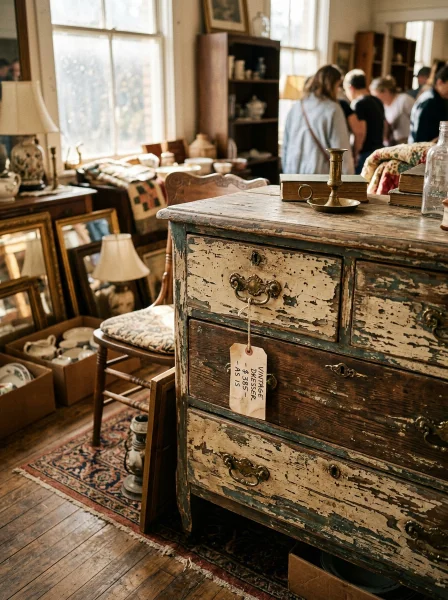
Estate sales offer some of the best opportunities to find cheap furniture to flip. Families liquidating entire households often price items to sell quickly rather than maximize profit. You’ll find pieces that have been well-maintained in controlled environments—a huge advantage over garage sale finds.
Arrive on the last day of estate sales when prices drop dramatically. Many estate sale companies cut prices by 25-50% on the final day. Yes, selection is limited, but remaining furniture often sells for pennies on the dollar.
Online estate auctions have become incredibly popular. Platforms like EstateSales.net, MaxSold, and Auction Zip list local sales with preview photos. You can research pieces before showing up, saving valuable time and gas money.
Auction Houses Worth Exploring
Local auction houses move furniture quickly and often start bidding at surprisingly low amounts. Unlike online marketplaces, you can inspect pieces in person during preview hours. Many flippers have scored solid wood dressers for under $30 at these venues.
Storage unit auctions present another opportunity. When renters abandon their units, everything gets auctioned off. The gamble factor is higher, but incredible finds are possible for those willing to take calculated risks.
Facebook Marketplace and Craigslist: Digital Treasure Hunting

Online classifieds have revolutionized furniture sourcing. Facebook Marketplace allows you to search specific areas, set price alerts, and message sellers instantly. The key is checking frequently—great deals disappear within hours.
Set up saved searches for terms like “free furniture,” “must go today,” and “moving sale.” Sellers using urgent language often accept lower offers. Being first to respond with a polite, ready-to-buy message dramatically increases your success rate. Craigslist’s free section deserves daily monitoring.
People post free furniture when they need it gone immediately—often during moves or renovations. Speed is everything here. If you see potential in a piece, respond within minutes.
Negotiation Tips for Online Listings
Never accept the first price without attempting negotiation. Most sellers expect some back-and-forth and price items higher than their bottom line. Offer cash pickup with a specific time to show you’re serious.
Bundle deals work particularly well online. If a seller has multiple pieces, ask for a package discount. They save time dealing with one buyer, and you score multiple profit opportunities in a single trip.
Curbside Finds and Bulk Trash Days: Free Furniture Flipping Gold
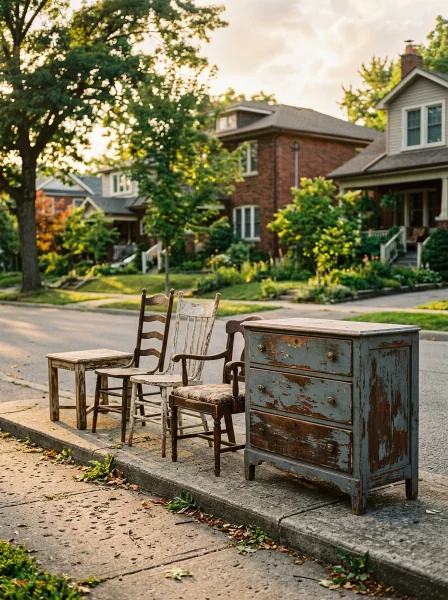
Free furniture exists everywhere if you know when to look. Many municipalities schedule bulk trash pickup days when residents place large items curbside. These dates are publicly available through city websites—mark them on your calendar.
Drive through affluent neighborhoods during these periods. Wealthier areas tend to discard furniture that’s still perfectly functional—just outdated for their tastes. One person’s “old” is another person’s vintage treasure.
College move-out season (typically May and August) produces mountains of discarded furniture. Students leave behind pieces they can’t transport home. Apartment complexes near universities become sourcing goldmines during these windows.
While hunting for furniture, you might discover that transforming these finds becomes as enjoyable as any home craft projects quick weekend activity. The satisfaction of turning trash into treasure is genuinely addictive.
Garage Sales and Yard Sales: Traditional Sourcing That Still Works

Garage sales remain excellent sources for cheap furniture to flip. Sellers want items gone—they’re not looking to maximize profit. This motivation works heavily in your favor during negotiations.
Multi-family and neighborhood-wide garage sales offer the most efficient use of your time. You can hit dozens of sales within a small radius, increasing your chances of finding profitable pieces. Apps like Yard Sale Treasure Map help plan efficient routes.
Arrive early for the best selection, but don’t ignore late arrivals either. Sellers often slash prices as the day progresses, preferring to sell cheap rather than haul items back inside.
Building Relationships: Long-Term Sourcing Strategies
Successful flippers develop networks beyond one-time transactions. Let friends, family, and coworkers know you’re looking for furniture. Word-of-mouth referrals often lead to free or dirt-cheap pieces before they reach any public marketplace.
Connect with landlords and property managers. When tenants leave behind furniture, these professionals need it removed quickly. Offering free pickup services can secure a steady supply of pieces.
Real estate agents and home stagers occasionally need furniture removed from properties they’re preparing for sale. Position yourself as their go-to removal service, and you’ll access inventory others never see.
What to Look for in Cheap Furniture Worth Flipping
Not every cheap piece deserves your time and effort. Solid wood construction almost always indicates worthwhile potential. Particleboard and MDF pieces rarely justify restoration costs.
Knock on surfaces—solid wood produces a deeper, richer sound. Look past surface damage like scratches, worn finishes, and outdated colors. These cosmetic issues are easily fixed with paint, stain, or refinishing.
Focus on structural integrity—wobbly joints, broken drawers, and water damage often cost more to repair than pieces are worth. Classic styles with clean lines sell faster than ornate or heavily dated designs. Mid-century modern remains incredibly popular, but farmhouse and coastal styles also move quickly depending on your local market.
You might even incorporate some dollar store crafts ideas for affordable embellishments that increase perceived value.
Timing Your Furniture Sourcing for Maximum Savings
Seasonal patterns significantly impact furniture availability and pricing. January sees a surge of discarded holiday furniture as people implement New Year’s organizing resolutions. Spring cleaning brings another wave of donations and curbside finds.
Summer moving season creates abundance. Military bases, college towns, and corporate relocation areas experience massive furniture turnover from May through September. Position yourself to capitalize on this predictable influx.
Holiday weekends often prompt garage sales and donation purges. Memorial Day, Labor Day, and the period between Christmas and New Year’s are particularly productive sourcing windows. Plan your hunting schedule around these dates.

Conclusion: Start Your Furniture Flipping Journey Today
Knowing where to find cheap furniture to flip separates profitable flippers from hobbyists who struggle to break even. The best thrifting sources—from thrift stores and estate sales to curbside finds and online marketplaces—offer endless opportunities for those willing to put in the legwork. Start with one or two sourcing methods and master them before expanding.
Build relationships with sellers, track your most productive sources, and develop an eye for pieces with hidden potential. Furniture flipping rewards patience, creativity, and consistent effort. Many successful flippers started their creative journey with simple projects like DIY handmade gifts before discovering the profitable world of furniture restoration.
The skills overlap more than you’d expect, and the satisfaction of transforming forgotten pieces into beautiful, functional furniture never gets old. For those looking to expand their creative skills beyond furniture, exploring handmade gift craft ideas can provide additional income streams and sharpen your artistic eye. Ready to start sourcing?
Pick one method from this guide and try it this weekend. Share your best finds in the comments below—we’d love to hear about your thrifting victories and the pieces you’re planning to flip!
FAQ
Q: Where can I find cheap furniture to flip near me? A: Start with local thrift stores, Facebook Marketplace, and Craigslist’s free section. Check your city’s bulk trash pickup schedule and drive through neighborhoods during these dates.
Estate sales and garage sales also offer excellent local sourcing opportunities. Q: What is the best day to find furniture at thrift stores? A: Weekday mornings right after stores receive new donations offer the best selection.
Ask employees about their restocking schedule. Many stores also run weekly color-tag sales that can cut prices by 50% or more. Q: How much should I pay for furniture to flip profitably?
A: Aim to pay no more than 20-30% of your expected selling price. This leaves room for materials, your time, and profit margin. Free and under-$20 pieces typically offer the safest profit potential for beginners.
Q: What types of furniture flip best for beginners? A: Small dressers, nightstands, and end tables are ideal starting points. They’re manageable in size, require less material investment, and sell quickly.
Avoid upholstered furniture until you’ve developed more advanced skills. Q: Where to find cheap furniture to flip for the highest profit margins? A: Curbside finds and bulk trash days offer the highest margins since pieces are free.
Estate sale final days and moving sales where sellers are desperate also yield exceptional deals. Building relationships with landlords for abandoned furniture creates another high-margin sourcing channel.