How to Make Abstract Canvas Art at Home (No Art Skills Required)

Have you ever walked through a home décor store, spotted a gorgeous abstract painting, and immediately checked the price tag only to feel your wallet weep? Here’s the thing: that stunning piece of abstract art can absolutely be created by you, in your living room, this weekend. Learning how to make abstract canvas art at home (no art skills required) is genuinely one of the most liberating creative experiences you can have.
Abstract art is beautifully forgiving. There are no rules about perfect proportions, realistic shadows, or anatomically correct anything. It’s about color, texture, emotion, and movement.
Whether you’ve never held a paintbrush or you barely passed art class in school, you can create something gallery-worthy with the right techniques and a willingness to experiment. In this guide, you’ll discover beginner-friendly methods, essential supplies you probably already own, and step-by-step techniques that guarantee impressive results.
By the end, you’ll have the confidence to create original artwork that transforms your space and makes guests ask, “Where did you get that?”
Why Abstract Canvas Art Is Perfect for Beginners

Abstract art removes the intimidation factor from creating. Unlike realistic painting, there’s no “wrong” result. A drip becomes intentional.
A color that bleeds into another becomes a happy accident. This freedom is exactly why learning how to make abstract canvas art at home requires no art skills whatsoever. The abstract movement celebrated artists like Jackson Pollock, who literally threw paint at canvases.
Mark Rothko created masterpieces using only blocks of color. These techniques aren’t about precision—they’re about expression and experimentation. When you embrace abstraction, you shift from judging your work against impossible standards to simply enjoying the creative process.
Many people discover that creating abstract art becomes a meditative, stress-relieving activity that they look forward to every week.
Essential Supplies for DIY Abstract Canvas Art

Before diving into techniques, let’s gather your supplies. The good news? You don’t need to spend a fortune.
Many items can be found around your home or at affordable stores.
Basic Materials You’ll Need
- Canvas: Pre-stretched canvases in any size (start with 16×20 inches for a manageable first project)
- Acrylic paints: They dry quickly, are water-based for easy cleanup, and come in every color imaginable
- Brushes: Various sizes, but honestly, you won’t use them as much as you think
- Palette knife: Creates amazing texture and spreads paint beautifully
- Pouring medium: Essential for the popular fluid art technique
- Drop cloth or plastic sheeting: Things will get messy—embrace it
Looking for budget-friendly options? Check out dollar store crafts ideas that can help you find quality supplies without breaking the bank. You’d be surprised what you can create with affordable materials.
Unconventional Tools That Create Amazing Effects

Some of the best abstract art tools aren’t art supplies at all. Consider raiding your kitchen and garage for these items:
- Sponges (natural sea sponges create incredible textures)
- Old credit cards or gift cards (perfect for scraping and spreading)
- Bubble wrap (press into wet paint for cellular patterns)
- String or yarn (drag through paint for organic lines)
- Hair dryer or heat gun (moves paint and creates beautiful effects)
How to Make Abstract Canvas Art at Home: 5 Beginner-Friendly Techniques
Now for the exciting part—the actual techniques. Each of these methods produces stunning results, and none require any drawing or painting skills. Pick one that appeals to you and experiment freely.
Technique 1: Acrylic Pour Painting
Pour painting has taken social media by storm, and for good reason. The results are mesmerizing, and the process is almost hypnotic to watch. How to do it: Mix acrylic paint with pouring medium until it reaches a honey-like consistency.
Layer different colors in a cup, then flip the cup onto your canvas and lift. Tilt the canvas slowly to let colors flow and interact. The cellular patterns that emerge are absolutely stunning.
Pro tip: Add a few drops of silicone oil to your paint mixture for those coveted “cells” that make pour paintings so distinctive. Let dry flat for 24-48 hours to prevent colors from sliding.
Technique 2: Palette Knife Textures
If you love texture and dimension, this technique delivers. Using a palette knife instead of brushes creates bold, sculptural effects that catch light beautifully. How to do it: Apply paint directly to your canvas, then use the palette knife to spread, scrape, and layer colors.
Work quickly while paint is wet to blend edges. Don’t overthink it—random, confident strokes usually look best. This technique is perfect for creating modern, sophisticated pieces that look professionally done.
The texture adds visual interest that flat paintings simply can’t match.
Technique 3: Tape Resist Geometric Abstract
Love clean lines but don’t trust your hand to create them? Painter’s tape is your new best friend. This method combines the freedom of abstract color blocking with the precision of geometric shapes.
How to do it: Apply strips of painter’s tape to your canvas in any pattern—triangles, stripes, random angles. Paint different colors in each section. Remove the tape while paint is still slightly wet for the cleanest lines.
The reveal is incredibly satisfying.
Technique 4: Alcohol Ink on Canvas
Alcohol inks create ethereal, dreamy effects that look incredibly sophisticated. The colors bloom and blend in ways that feel almost magical. How to do it: Prime your canvas with a white base or use yupo paper.
Drop alcohol inks onto the surface and watch them spread. Use a straw to blow the ink in different directions, or tilt your canvas to guide the flow. Add isopropyl alcohol for lighter areas and extra movement.
Warning: This technique is addictive. Once you see those colors bloom and merge, you’ll want to create dozens more.
Technique 5: Splatter and Drip Abstract
Channel your inner Jackson Pollock with this energetic, fun technique. It’s messy, liberating, and produces dynamic results every time. How to do it: Thin your acrylic paint with water until it drips easily from your brush.
Lay your canvas flat or prop it at an angle. Load your brush and flick, splatter, and drip paint across the surface. Layer multiple colors, letting some dry between applications for depth.
This is one of the most enjoyable fun crafts to make at home because it’s genuinely impossible to mess up. Every splatter tells a story.
Color Theory Basics for Stunning Abstract Art
You don’t need an art degree to understand which colors work together. A few simple principles will elevate your abstract pieces from “homemade” to “how much?”
Foolproof Color Combinations
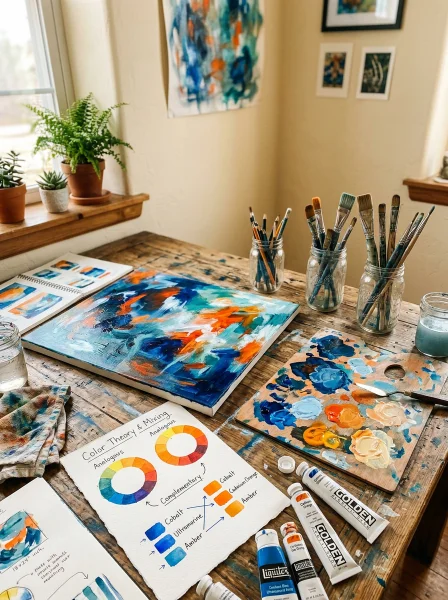
Analogous colors sit next to each other on the color wheel and always look harmonious. Think blue-green-teal or orange-red-pink. These combinations feel cohesive and calming.
Complementary colors sit opposite each other—blue and orange, purple and yellow, red and green. They create vibrant, energetic pieces that pop. Monochromatic schemes use different shades of one color.
This approach looks incredibly sophisticated and is nearly impossible to mess up. When in doubt, limit yourself to three colors plus white and black. Too many colors can muddy your composition and overwhelm the eye.
Transform Your Abstract Art Into Meaningful Gifts

Once you’ve mastered how to make abstract canvas art at home, you’ll realize you’re sitting on a goldmine of gift opportunities. Custom abstract art makes for deeply personal, one-of-a-kind presents that can’t be bought in stores. Consider creating pieces using the recipient’s favorite colors or colors that match their home décor.
A custom abstract canvas shows thoughtfulness that a store-bought gift simply can’t match. If you enjoy creating DIY handmade gifts, abstract art is a perfect addition to your repertoire. For more inspiration on personalized present ideas, explore handmade gift craft ideas that complement your new artistic skills.
Combining abstract art with other handmade elements creates gift packages that recipients treasure forever.
Common Mistakes to Avoid When Making Abstract Canvas Art

Even with a forgiving art form like abstraction, a few pitfalls can undermine your results. Here’s what to watch out for: Overworking your piece: The biggest mistake beginners make is not knowing when to stop. Abstract art often looks best with confident, minimal strokes.
Step back frequently and resist the urge to keep adding. Using too much water: While thinning paint is sometimes necessary, too much water creates weak, washy results. Your colors should remain vibrant and saturated.
Ignoring the edges: Painted canvas edges look polished and professional. Don’t forget to wrap your colors around the sides, or consider framing your piece. Rushing the drying process: Patience is crucial, especially with pour painting.
Moving your canvas too soon or stacking wet paintings leads to disaster.
Quick Abstract Art Projects for Busy Schedules
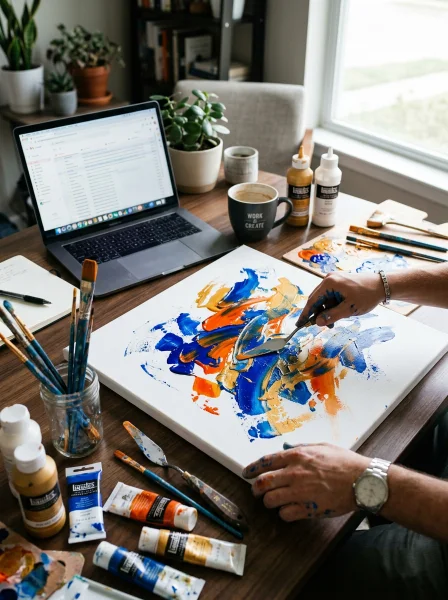
Not everyone has hours to dedicate to artistic pursuits. The beauty of abstract art is that many techniques can be completed in under an hour. If you’re looking for home craft projects quick enough to fit into a busy weekend, abstract canvas art delivers.
Pour paintings take about 15 minutes of active work (plus drying time). Tape resist geometrics can be completed in 30-45 minutes. Even a splatter painting session rarely exceeds an hour.
These quick turnarounds mean you can create multiple pieces and choose your favorites.
Displaying and Protecting Your Abstract Artwork
Your masterpiece deserves proper display. Here are tips for showing off your creation:
- Location matters: Avoid direct sunlight, which fades colors over time
- Varnish for protection: A clear acrylic varnish protects your work and enhances colors
- Groupings create impact: A collection of smaller abstract pieces often looks more impressive than one large canvas
- Consider scale: Your artwork should relate proportionally to your wall space and furniture
Conclusion: Start Creating Your Abstract Masterpiece Today
Learning how to make abstract canvas art at home (no art skills required) opens up a world of creative possibility. You’ve now got five solid techniques, color theory basics, and practical tips to create stunning pieces that rival expensive gallery art. The most important thing?
Just start. Grab a canvas, squeeze out some paint, and let go of perfectionism. Your first piece might surprise you, and your tenth will definitely impress you.
Abstract art is a journey of experimentation and discovery—there’s no final destination, just endless possibilities. Remember, every professional artist started exactly where you are now: curious, a little nervous, and holding a brush for the first time. The difference between people who “wish they could paint” and people who actually create art is simply the decision to begin.
Ready to create? Pick one technique from this guide and try it this weekend. Share your results in the comments below—we’d love to see what you create!
And if you found this guide helpful, pass it along to a friend who’s been wanting to explore their creative side.
Frequently Asked Questions
Q: What type of paint is best for beginners learning how to make abstract canvas art at home? A: Acrylic paint is ideal for beginners. It dries quickly, cleans up with water, and is very forgiving.
You can layer it, thin it, or even scrape it off while wet if you don’t like the result. Student-grade acrylics are affordable and work perfectly for learning. Q: How long does it take to complete an abstract canvas painting?
A: Active painting time can range from 15 minutes to a couple of hours, depending on your technique. Pour paintings are quick to create but need 24-48 hours to dry. Palette knife work can be completed and dry within a few hours.
Plan your project based on the technique you choose. Q: Can I make abstract canvas art at home without buying expensive supplies? A: Absolutely!
Many household items work beautifully—sponges, old credit cards, string, and even bubble wrap create amazing effects. Dollar stores carry canvases and basic acrylic paints. You can create gallery-worthy abstract art for under twenty dollars.
Q: What if I hate my abstract painting—can I fix it or start over? A: One of the best things about acrylic paint is that you can paint over it completely. Let your piece dry, apply a layer of gesso or white paint, and start fresh.
Many artists create their best work on “failed” canvases because the underlying texture adds interest. Q: How do I know when my abstract art piece is finished? A: This is the hardest part for many artists.
Step back frequently and view your work from a distance. If nothing bothers you and adding more feels like “too much,” you’re done. Trust your instincts—overworking is more common than underworking in abstract art.