Furniture Flipping for Beginners: Everything You Need to Know to Start Earning Today
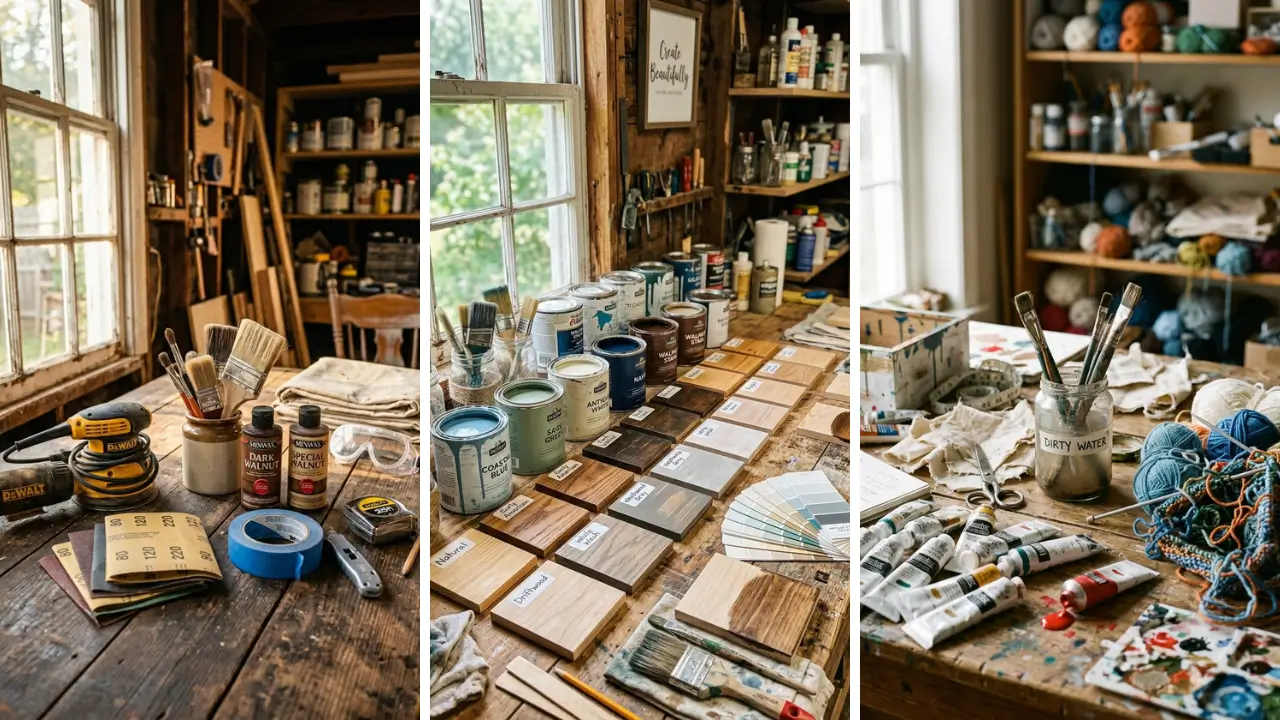
Have you ever walked past a worn-out dresser at a garage sale and wondered if it could become something beautiful? That curiosity is exactly where profitable furniture flipping begins. Furniture flipping for beginners: everything you need to know starts with understanding that this creative side hustle combines artistic expression with real earning potential.
Whether you’re looking to make extra cash, start a small business, or simply enjoy transforming forgotten pieces into stunning furniture, this guide will walk you through every essential step. By the end of this article, you’ll understand how to find the right pieces, what tools you actually need, restoration techniques that work, and how to price and sell your flipped furniture for maximum profit. Let’s turn your creative spark into a rewarding venture.
What Is Furniture Flipping and Why Should You Try It?
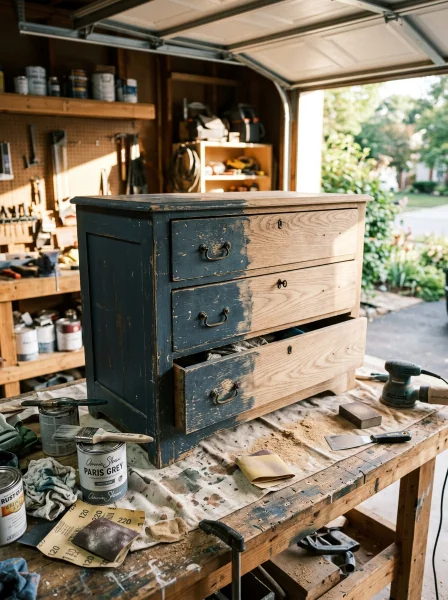
Furniture flipping is the practice of buying used, outdated, or damaged furniture at low prices, restoring or refinishing it, and then selling it for a profit. Think of it as giving forgotten pieces a second life while putting money in your pocket. The appeal is undeniable.
With relatively low startup costs and flexible scheduling, furniture flipping fits perfectly into busy lifestyles. You can work from your garage, basement, or even a small outdoor space. Plus, there’s something deeply satisfying about watching a scratched, dull piece transform into a showstopper.
Average profit margins range from 50% to 200% on well-chosen pieces. A dresser bought for $30 at a thrift store could easily sell for $150-$250 after a weekend of work. If you enjoy fun crafts to make at home, furniture flipping takes that creativity to the next level with tangible financial rewards.
Essential Tools and Supplies for Furniture Flipping Beginners
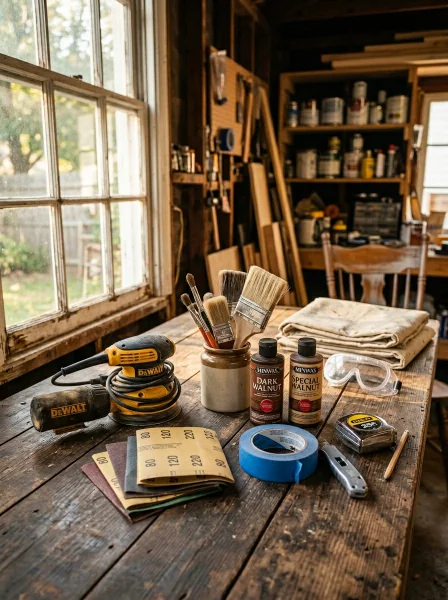
Starting out doesn’t require a massive investment. Focus on acquiring these fundamental tools first, then expand your collection as projects demand.
Basic Tool Kit
Your starter toolkit should include:
- Electric sander (orbital sanders are beginner-friendly)
- Sandpaper in various grits (80, 120, 220)
- Quality paintbrushes and foam rollers
- Screwdriver set and basic hand tools
- Wood filler and putty knife
- Drop cloths and painter’s tape
Don’t rush out to buy everything at once. Many beginners find great deals on tools at garage sales or through dollar store crafts ideas sections for smaller supplies like brushes and sandpaper.
Paint and Finish Options
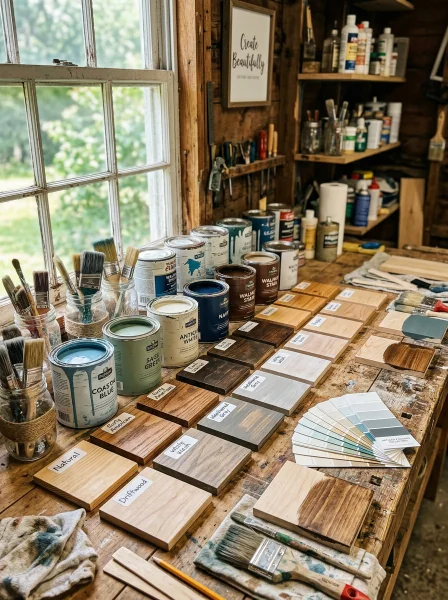
Understanding your finish options makes a huge difference in your results. Chalk paint has become incredibly popular because it requires minimal prep and adheres to most surfaces without priming. Latex paint offers durability and easy cleanup.
For a natural look, consider stains and clear finishes that highlight the wood grain. Always invest in quality topcoat or sealer. This protective layer prevents chips and wear, keeping your flipped pieces looking professional for years.
Where to Find Furniture Worth Flipping
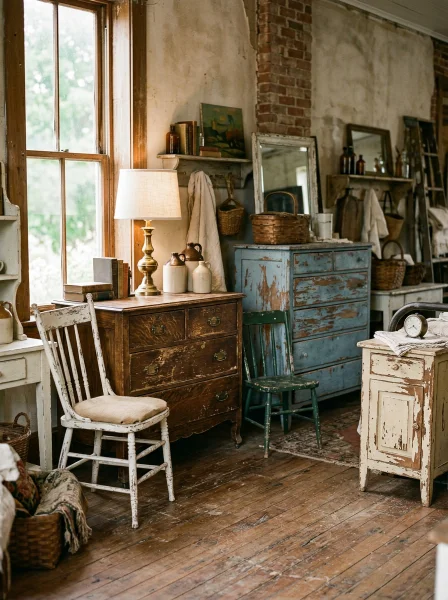
Sourcing is arguably the most critical skill in furniture flipping for beginners. Everything you need to know about finding profitable pieces comes down to knowing where to look and what to avoid.
Best Places to Source Furniture
Thrift stores remain a goldmine for flippers. Visit regularly since inventory changes constantly. Build relationships with staff who might alert you when good pieces arrive.
Facebook Marketplace and Craigslist offer endless opportunities. Search terms like “free furniture,” “curb alert,” or “estate sale” to find hidden gems. Many people give away quality solid wood furniture simply because they’re moving or redecorating.
Estate sales and auctions often feature older, well-built furniture at reasonable prices. Arrive early for the best selection. Don’t overlook garage sales in affluent neighborhoods where homeowners frequently sell quality pieces cheaply.
What to Look For (and What to Avoid)
Solid wood construction is your best friend. Check for dovetail joints in drawers—a sign of quality craftsmanship. Heavy, sturdy pieces typically indicate better materials. Avoid pieces with:
- Particle board or laminate surfaces (difficult to refinish)
- Structural damage like broken joints or warped frames
- Water damage causing wood rot or mold
- Missing hardware that’s hard to replace
- Strong odors that won’t dissipate
A few scratches or outdated finishes are perfect—that’s what you’re here to fix!
Step-by-Step Furniture Restoration Process
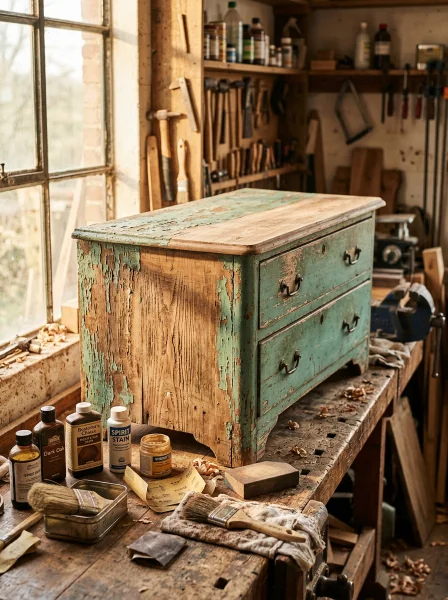
Now let’s dive into the actual transformation process. These techniques apply to most furniture flipping projects and will serve you well as you develop your skills.
Cleaning and Prep Work
Never skip this step. Start by cleaning every surface with TSP (trisodium phosphate) or a degreasing cleaner. Remove years of grime, oils, and residue that could prevent paint adhesion.
Remove all hardware, drawers, and doors. Label pieces if necessary—you’d be surprised how confusing reassembly can become. Fill holes, dents, and scratches with wood filler.
Allow adequate drying time before sanding smooth.
Sanding Techniques
Sanding creates the surface texture that paint needs to grip. For painting over existing finishes, a light scuff sand with 120-grit paper often suffices. If you’re stripping to bare wood, start with 80-grit and progress through finer grits.
Always sand with the grain, not against it. Cross-grain scratches will show through your finish. Wipe away all dust with a tack cloth before moving to the next step.
Painting and Finishing
Apply thin, even coats rather than thick globs. Two to three light coats produce better results than one heavy application. Allow proper drying time between coats—rushing leads to peeling and bubbles.
Consider adding personality through techniques like distressing, color blocking, or stenciling. These creative touches can significantly increase a piece’s value and appeal. If you enjoy creating DIY handmade gifts, you’ll love experimenting with decorative furniture techniques.
Seal everything with appropriate topcoat. Polyurethane works well for high-traffic surfaces, while wax provides a softer, antique feel for decorative pieces.
Pricing Your Flipped Furniture for Profit
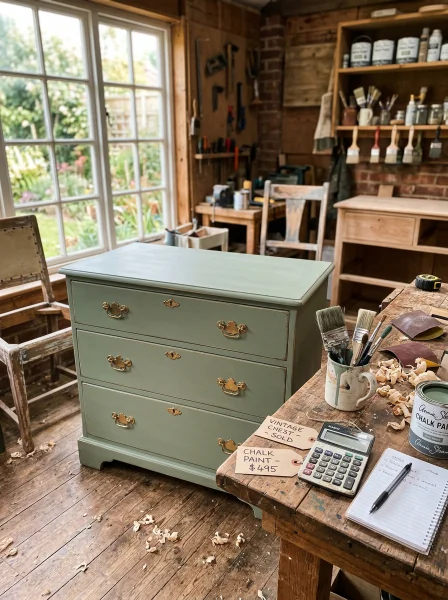
Pricing terrifies many beginners, but it’s straightforward once you understand the formula. Your price should cover materials, time, and profit while remaining competitive in your market.
The Pricing Formula
Use this basic calculation: (Purchase price + Materials + Time value) × 1.5 to 2 = Selling price For example: $25 dresser + $40 supplies + $50 (5 hours at $10/hour) = $115 cost. Multiply by 1.5-2 for a selling price of $172-$230. Research comparable pieces on Facebook Marketplace, Etsy, and local consignment shops.
Your pricing should align with market expectations while reflecting your work quality.
Factors That Increase Value
Certain elements command premium prices:
- Unique or trendy paint colors
- High-quality hardware upgrades
- Mid-century modern or farmhouse styles
- Functional storage solutions
- Professional photography and presentation
The same dresser with modern brass hardware and a popular sage green finish will outsell a basic white version every time.
Selling Strategies That Actually Work
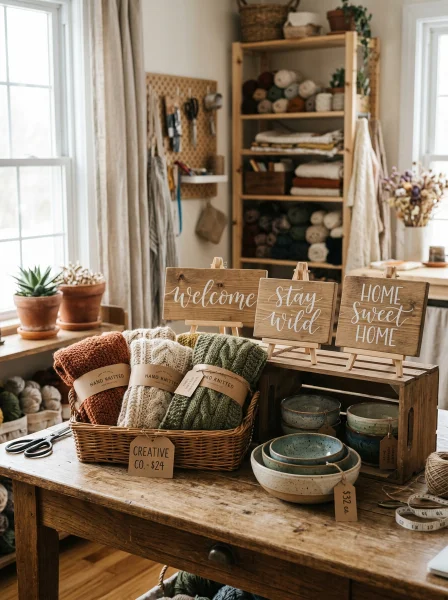
Creating beautiful furniture means nothing if you can’t sell it. Master these selling strategies to move inventory quickly and build a customer base.
Best Platforms for Selling
Facebook Marketplace dominates the local furniture resale market. List items with multiple high-quality photos, detailed descriptions, and accurate measurements. Respond quickly to inquiries—speed often wins the sale.
Instagram builds your brand and attracts customers who appreciate your style. Post transformation photos, behind-the-scenes content, and styling inspiration. Use relevant hashtags to reach furniture-loving audiences.
Local consignment shops take a percentage but handle sales for you. This option works well for higher-end pieces or when you lack storage space.
Photography Tips for Better Sales
Photos sell furniture. Stage pieces in clean, well-lit areas. Natural daylight produces the best results.
Capture multiple angles including details like hardware, drawer interiors, and any unique features. Style your pieces with simple accessories—a plant, lamp, or decorative object helps buyers envision the furniture in their homes. If you’re familiar with home craft projects quick enough to complete in an afternoon, creating photo props becomes another creative outlet.
Common Mistakes Beginners Should Avoid
Learning from others’ mistakes accelerates your success. Watch out for these common pitfalls. Overpaying for pieces destroys profit margins.
Set a budget before shopping and stick to it. That “perfect” dresser isn’t worth it if you can’t price it competitively after restoration. Skipping prep work leads to poor paint adhesion and professional-looking results.
Cutting corners during cleaning and sanding will haunt you later. Choosing trendy over timeless can backfire. While bold colors attract attention, neutral and classic finishes appeal to broader audiences and sell faster.
Undervaluing your time turns a side hustle into unpaid labor. Track your hours honestly and factor them into pricing.
Growing Your Furniture Flipping Business
Once you’ve completed several successful flips, consider scaling your operation. Start documenting your processes, building an inventory of go-to paint colors, and developing signature styles that customers recognize. Network with other flippers—they’re often willing to share tips, sourcing locations, and even collaborate on larger projects.
Join Facebook groups dedicated to furniture flipping where experienced sellers share valuable insights. Consider offering custom work once you’ve built a portfolio. Customers will pay premium prices for personalized pieces that match their exact specifications.
Creating handmade gift craft ideas can even inspire custom furniture projects for special occasions.
Conclusion: Your Furniture Flipping Journey Starts Now
You now have the foundational knowledge for furniture flipping for beginners—everything you need to know to start transforming pieces and generating income. From sourcing quality furniture at low prices to mastering restoration techniques and selling strategically, success comes from practice and persistence. Start small with a single piece.
Apply what you’ve learned, document your process, and learn from each project. Your first flip won’t be perfect, but it will teach you more than any article ever could. The furniture flipping community is welcoming, and profitable opportunities await those willing to put in the creative work.
Ready to flip your first piece? Share your furniture flipping goals or questions in the comments below. If this guide helped you, pass it along to someone else who’s been eyeing that old dresser on the curb.
Your transformation journey begins with a single piece—go find it!
FAQ
Q: How much money do I need to start furniture flipping? A: You can start furniture flipping for beginners with $100-$200 for basic tools and supplies. Many successful flippers began with even less by buying tools gradually and starting with free furniture finds.
Focus on essential items first and expand your toolkit as profits allow. Q: What type of furniture is most profitable to flip? A: Solid wood dressers, nightstands, and mid-century modern pieces typically offer the best profit margins.
These items are always in demand, relatively easy to restore, and command strong resale prices. Avoid particle board and heavily damaged pieces that require extensive repairs. Q: How long does it take to flip a piece of furniture?
A: A typical furniture flip takes 4-8 hours of active work spread over several days to allow for drying time between coats. Simple repaints require less time, while complete restorations involving repairs and multiple finish coats take longer. Plan for at least one weekend per piece initially.
Q: Is furniture flipping for beginners actually profitable in 2024? A: Yes, furniture flipping remains profitable in 2024. The sustainable shopping movement and demand for unique, affordable furniture continues growing.
Successful flippers report average profits of $75-$200 per piece. Market research and strategic sourcing are key to maintaining healthy margins. Q: Do I need artistic skills to start flipping furniture?
A: Artistic talent helps but isn’t required. Many profitable flips involve simple solid-color paint jobs with hardware updates. As you gain experience, you can explore more advanced techniques.
Start with straightforward projects and build your skills gradually through practice.