Best Outdoor Paint for Garden Decor That Lasts in All Weather
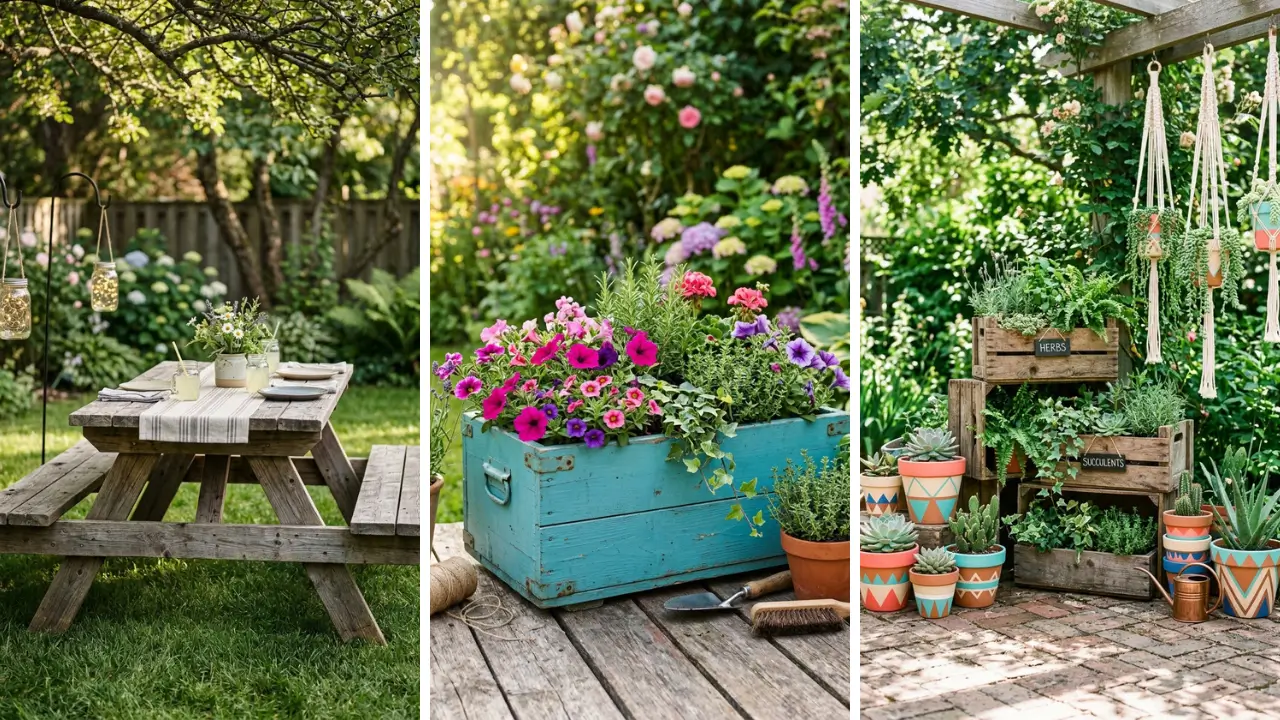
Have you ever spent a whole weekend painting a gorgeous garden planter or wooden sign, only to watch the paint crack and peel after the first rainstorm? It’s one of the most frustrating DIY setbacks. Choosing the best outdoor paint for DIY garden decor that lasts in all weather is the single most important decision you’ll make before picking up a brush.
The wrong paint means wasted time, wasted money, and a garden that looks more neglected than curated. The right paint? It means your decor stays vibrant through blazing summers, freezing winters, and everything in between.
In this guide, you’ll learn exactly what to look for, which paint types perform best outdoors, and how to apply them so your garden projects actually hold up long-term.
Why Most Outdoor Paints Fail on Garden Decor
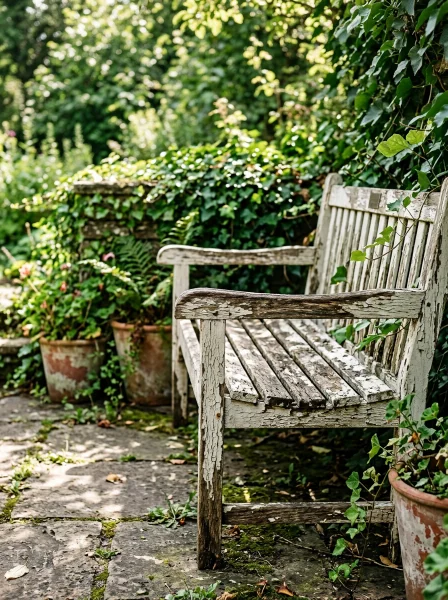
Not all paints labeled “outdoor” are created equal. Many products marketed for exterior use are designed for large flat surfaces like walls or fences — not the textured, porous, or curved surfaces common in garden decor like terracotta pots, wooden planters, or concrete stepping stones. The main culprits behind paint failure include UV degradation, moisture penetration, and thermal expansion.
When temperatures swing dramatically between seasons, surfaces expand and contract. If the paint film isn’t flexible enough, it cracks. Once moisture gets under cracked paint, it lifts and peels fast.
Cheap acrylic craft paints are a common mistake beginners make. They work great for indoor projects, but outdoors they fade within weeks without a proper sealer. Even some hardware store exterior paints skip the UV-inhibiting compounds that protect pigment color over time.
Understanding these failure modes helps you shop smarter and prep surfaces correctly — two steps that matter far more than brand loyalty.
Best Outdoor Paint Types for DIY Garden Decor That Lasts in All Weather
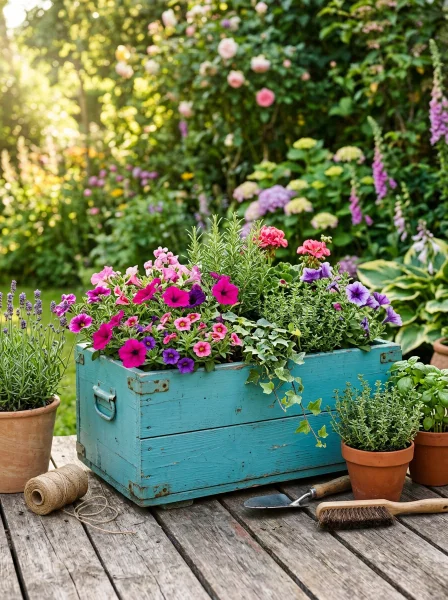
There are several paint categories worth knowing before you start your next garden project. Each has strengths depending on the material you’re painting and the climate you live in.
1. Exterior Acrylic Latex Paint
Exterior acrylic latex is the most versatile choice for garden decor. It’s water-based, dries quickly, and offers excellent adhesion to wood, metal, and masonry. High-quality formulas contain UV stabilizers and mildew-resistant additives — both essential for anything sitting outside year-round.
Look for products with a 100% acrylic formula. These are more flexible than vinyl-acrylic blends, meaning they handle thermal expansion better. Brands offering a satin or semi-gloss finish tend to repel water more effectively than flat finishes.
2. Rust-Inhibiting Spray Paint for Metal Decor
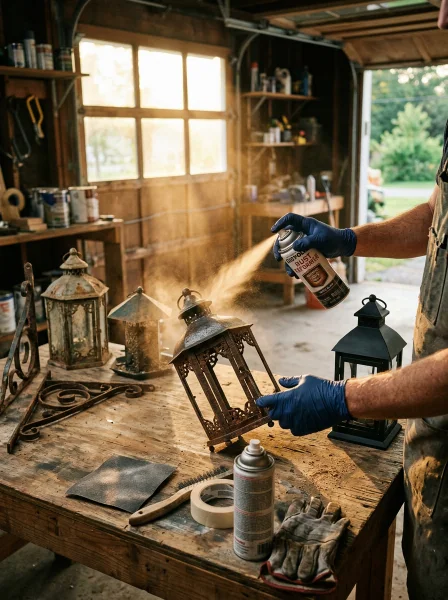
If you’re upcycling old metal pails, garden tools, or iron furniture, rust-inhibiting spray paint is non-negotiable. Regular paint over bare or rusted metal will bubble and flake within one season. Rust-inhibiting formulas bond directly to metal and form a protective barrier against moisture and oxidation.
Brands like Rust-Oleum offer spray paints specifically designed for direct-to-metal application. Many come in oil-based formulations that cure into an extremely hard, weather-resistant shell — ideal for anything that will sit in soil or get splashed regularly.
3. Masonry and Concrete Paint
For painted concrete blocks, stone garden borders, or DIY stepping stones, masonry paint is your best bet. These paints are formulated to bond to highly porous alkaline surfaces that would reject standard acrylic paint. Masonry paints typically contain elastomeric compounds that bridge small hairline cracks as the concrete expands and contracts seasonally.
This dramatically extends the life of your painted surface. Always apply a masonry primer first if the surface hasn’t been painted before.
4. Chalk Paint with an Outdoor Sealer
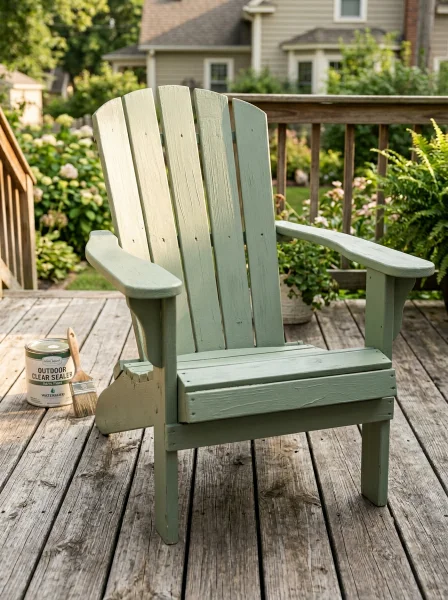
Chalk paint has exploded in popularity for garden decor because of its matte, vintage finish and incredible adhesion — it sticks to almost anything without sanding or priming. However, chalk paint alone is not weatherproof. It must be sealed with a durable outdoor polyurethane or wax-based sealer to survive rain and UV exposure.
This two-step approach is especially popular for DIY handmade gifts like painted garden stones or decorative pots. The chalk paint gives a beautiful artisan look, and the sealer locks it in for seasons to come.
How to Prep Surfaces for Long-Lasting Results
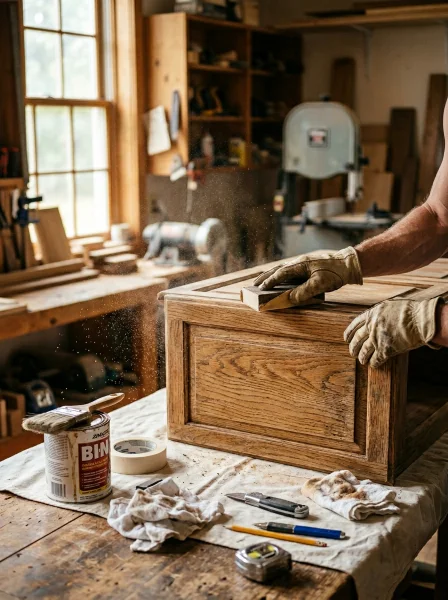
Even the best outdoor paint will fail prematurely on a poorly prepped surface. Surface preparation is where most DIYers cut corners — and where most outdoor paint projects ultimately succeed or fail.
- Clean thoroughly: Remove all dirt, grease, moss, and loose old paint. Use a stiff brush and soapy water, or a pressure washer for large surfaces.
- Sand if needed: Smooth any rough edges on wood or previous paint drips. Light sanding also improves adhesion on glossy surfaces.
- Prime the surface: Use an appropriate primer for your material — wood primer, masonry primer, or metal primer. This is not optional if you want the paint to last.
- Dry completely: Never paint on a damp surface. Even residual moisture trapped under paint causes blistering and peeling within weeks.
These steps take maybe an extra hour, but they can double or triple the lifespan of your finished project. If you enjoy fun crafts to make at home, building good prep habits early will save you endless frustration down the road.
Tips for Applying Outdoor Paint Like a Pro
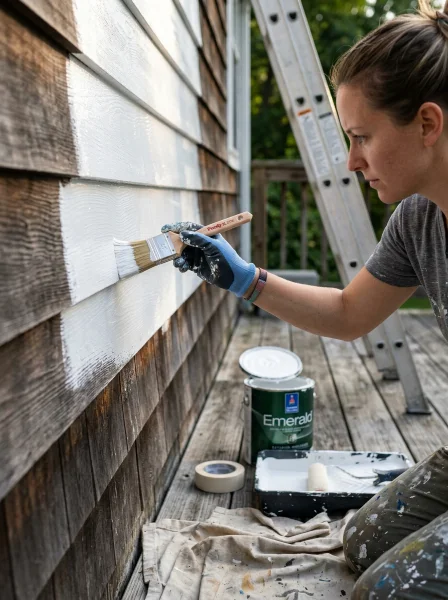
Application technique matters just as much as product choice. Here are some practical tips that make a real difference in durability and appearance. Apply thin, even coats.
Thick coats seem efficient but they dry unevenly, crack more easily, and take far longer to cure. Two to three thin coats always outperform one thick coat in outdoor conditions. Paint in the right conditions.
Avoid painting in direct hot sunlight — the paint dries too fast, causing brush marks and poor adhesion. Ideal temperature is between 50°F and 85°F (10°C–29°C) with low humidity. Early morning on a dry day is usually perfect.
Always finish with a topcoat sealer. Even paints marketed as weatherproof benefit from a clear exterior sealer or varnish. UV-resistant polyurethane sealers in particular add a significant layer of protection against fading and moisture damage.
These techniques work whether you’re tackling home craft projects quick over a weekend or working on a more involved garden transformation over several weeks.
Budget-Friendly Options That Still Perform Outdoors
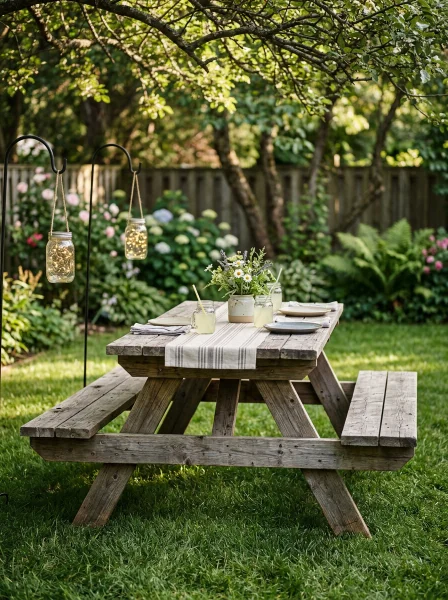
You don’t need to spend a fortune to get quality outdoor paint. Several budget-friendly approaches deliver surprisingly durable results when used correctly. Dollar store acrylic craft paints can work on small garden decor items like painted rocks or wooden signs — but only if you apply a quality exterior sealer over the top.
The paint itself won’t last, but the sealer protects it. This is a popular trick among crafters who explore dollar store crafts ideas that look far more expensive than they are. Leftover exterior house paint is another great option.
Even small amounts are perfect for larger garden items like planters, raised beds, or garden furniture. As long as it’s a quality exterior latex formula, it will perform well outdoors. Mixing paint colors to create custom shades is also a fun way to personalize your garden without buying multiple full-sized cans.
Just make sure you mix within the same paint type (acrylic with acrylic, oil-based with oil-based) for consistent performance.
Creative DIY Garden Decor Ideas to Try
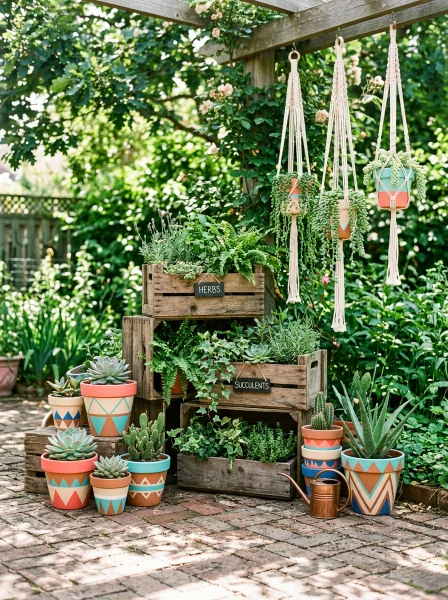
Now that you know what paint to use, here are some inspiring project ideas that put these materials to work in your garden.
- Painted terracotta pots: Use exterior acrylic with geometric patterns or botanical designs. Seal with matte polyurethane for an elegant matte finish.
- Upcycled metal planters: Transform old watering cans or buckets with rust-inhibiting spray paint in bold colors. They’ll look intentional rather than neglected.
- Concrete garden markers: Use masonry paint on flat stones to create herb or plant labels. Sealed properly, they’ll last multiple growing seasons.
- Wooden garden signs: Chalk paint on reclaimed wood gives a charming rustic look. Add a coat of exterior wax or spar urethane sealer to weatherproof it.
Many of these projects also make wonderful handmade gift craft ideas for gardeners in your life. A personalized painted planter or hand-lettered garden sign is far more meaningful than anything store-bought.
Conclusion: Make Your Garden Projects Last Season After Season
Choosing the best outdoor paint for DIY garden decor that lasts in all weather comes down to three things: selecting the right paint type for your material, preparing the surface properly, and sealing your finished work. Exterior acrylic latex covers most situations, but metal, masonry, and decorative finishes each have specialized products that outperform general-purpose options. Budget doesn’t have to be a barrier — even affordable paints perform beautifully when applied correctly over a properly prepped and sealed surface.
The real secret to stunning, long-lasting garden decor isn’t expensive supplies. It’s knowledge, patience, and a few smart product choices. Whether you’re refreshing a tired garden bed or building something entirely new, the techniques in this guide will help your work stand up to rain, UV, frost, and heat without fading or flaking.
Your garden is an extension of your creativity — treat it that way, and it’ll reward you with beauty that lasts for years. Ready to start your next project? Grab your paint, prep your surfaces, and share your finished garden decor in the comments below.
We’d love to see what you create! And if you’re looking for more inspiration, explore our collection of creative project ideas to keep your crafting momentum going all year long.
Frequently Asked Questions
Q: What is the best outdoor paint for DIY garden decor that lasts in all weather conditions? A: The best choice for most garden decor is a high-quality 100% exterior acrylic latex paint, which offers UV resistance, moisture protection, and flexibility. For metal items, use rust-inhibiting spray paint, and for concrete or stone, use masonry-specific formulas.
Always finish with an exterior sealer for maximum durability. Q: Do I need to seal outdoor paint on garden decor? A: Yes, sealing is strongly recommended even when using weatherproof paint.
A UV-resistant exterior sealer or polyurethane topcoat protects pigment from fading, prevents moisture from penetrating the paint film, and significantly extends the life of your project — especially on porous surfaces like terracotta or wood. Q: Can I use regular acrylic craft paint for outdoor garden projects? A: Regular acrylic craft paint is designed for indoor use and will fade and peel outdoors very quickly without protection.
You can use it on garden decor if you apply two to three coats of a quality exterior sealer on top, but for large or high-exposure projects, it’s better to start with a proper exterior acrylic formula. Q: How do I make painted terracotta pots weatherproof? A: Start by sealing the inside and outside of the pot with a terracotta sealer or exterior PVA primer before painting.
Use exterior acrylic paint for your design, then finish with two coats of matte or satin exterior polyurethane. This combination prevents moisture absorption, which is the primary cause of paint failure on terracotta. Q: What outdoor paint works best for wooden garden signs and planters?
A: Exterior acrylic latex paint is the most reliable option for wood garden decor. For a more decorative look, chalk paint sealed with outdoor polyurethane or spar urethane is a popular choice. Always prime bare wood first, and pay special attention to end grain — it absorbs much more paint and moisture than the flat face of the board.