Best Soy Wax for Candle Making: Top Options for Beginners (Reviewed)
Have you ever burned a store-bought candle and thought, “I could totally make this myself”? You absolutely can — and choosing the right wax is the very first step. When it comes to the best soy wax for candle making: top options for beginners (reviewed), the choices can feel overwhelming at first.
There are dozens of brands, blends, and formulas on the market, each promising the cleanest burn or the strongest scent throw. This guide cuts through the noise and gives you a clear, honest breakdown of what actually works — especially if you’re just starting out. By the end, you’ll know exactly which soy wax to buy, why it matters, and how to get started with confidence.
Why Soy Wax Is the Best Starting Point for Beginner Candle Makers
Soy wax has become the go-to choice for hobbyists and small-batch candle makers for good reason. It’s made from hydrogenated soybean oil, which means it’s a renewable, biodegradable resource — a big win if you care about sustainability. Compared to paraffin wax, soy burns slower and cooler, which translates to longer-lasting candles.
It also produces less soot, making it a cleaner option for indoor use. For beginners, that slower burn time also means more margin for error — you can adjust your fragrance load and wick choice without ruining a batch. Another huge bonus?
Soy wax is easy to work with at home. It melts at a relatively low temperature, cleans up with soap and water, and holds fragrance oils exceptionally well. If you’re exploring fun crafts to make at home, candle making with soy wax is honestly one of the most rewarding places to start.
Key Factors to Consider When Choosing Soy Wax
Not all soy wax is created equal. Before diving into specific product picks, here are the main things you should evaluate:
- Container vs. pillar wax: Container soy wax (like C3 or 464) is softer and designed to stick to the sides of a jar. Pillar wax is firmer and holds its shape as a freestanding candle.
- Fragrance load capacity: This tells you how much fragrance oil the wax can absorb — typically expressed as a percentage. Higher isn’t always better; staying within the recommended range prevents seeping or fire hazards.
- Melt point: Lower melt points (around 115–125°F) work well for container candles. Higher melt points suit votives and pillars.
- Appearance after curing: Some soy waxes develop a frosted or textured top after cooling. This is natural but worth knowing if aesthetics matter to you.
Understanding these basics will save you a lot of trial and error — and wasted materials.
Best Soy Wax for Candle Making: Top Options for Beginners (Reviewed)
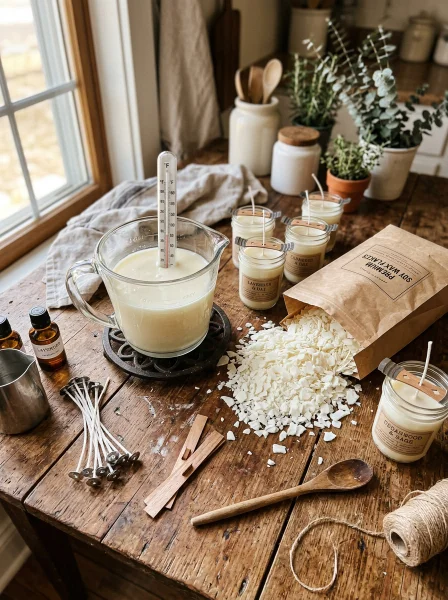
Here’s an honest look at the most popular soy wax options that consistently get high marks from beginner candle makers:
1. Golden Brands 464 Soy Wax
Golden 464 is arguably the most popular soy wax for container candles among beginners. It has a melt point of around 119°F and can hold up to 12% fragrance oil, which gives you a strong hot and cold scent throw. One thing beginners love: it’s forgiving.
Even if your pour temperature is slightly off, you’ll still get a decent finished candle. It does tend to develop a frosted or bumpy top, but many crafters actually embrace that as a natural, handmade look. You can minimize it by pouring at a slightly higher temperature and covering your candles while they cool.
2. NatureWax C-3 Soy Wax
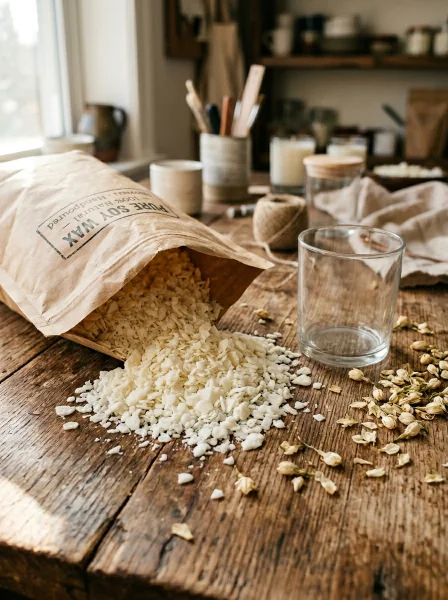
C-3 is another top-tier container wax, often praised for producing smooth, glass-like tops straight out of the mold. It has a slightly higher melt point than 464, sitting around 125°F, and holds fragrance really well. This wax is a favorite among candle makers who sell their products, because the finished appearance is consistently clean and professional.
It’s slightly pricier than 464 but worth it if presentation matters to you.
3. EcoSoya CB-Advanced
EcoSoya’s CB-Advanced is a blend of soy and other vegetable waxes, designed specifically to improve adhesion to container walls and reduce frosting. It performs beautifully with essential oils and synthetic fragrance blends alike. If you’re making candles as DIY handmade gifts, CB-Advanced gives you that polished, store-quality look without needing a lot of experience.
4. American Soy Organics (ASO) Freedom Soy Wax
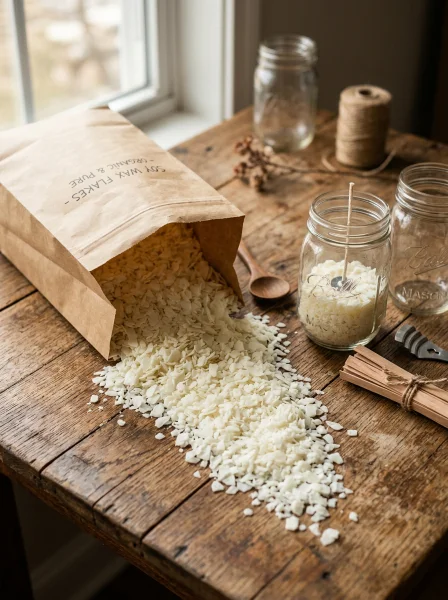
ASO’s Freedom Soy Wax is a 100% pure soy wax with no additives, making it ideal for clean, all-natural candles. It’s a great option if you want to avoid any synthetic blending agents. The trade-off is that pure soy waxes tend to be more temperamental — frosting, sinkholes, and uneven tops are more common.
But with a little practice and proper temperature management, you’ll get beautiful results. Many beginners appreciate knowing exactly what’s in their candles.
5. Cargill NatureWax C-6
C-6 is a coconut-soy blend that offers excellent fragrance retention and a naturally creamy appearance. It’s a newer option that’s quickly gaining popularity among beginner and intermediate candle makers. The coconut oil content helps the wax hold more fragrance and improves adhesion in containers.
If you’re the type who loves experimenting with home craft projects quick, this wax rewards creativity with reliable results.
Tips for Getting the Most Out of Your Soy Wax
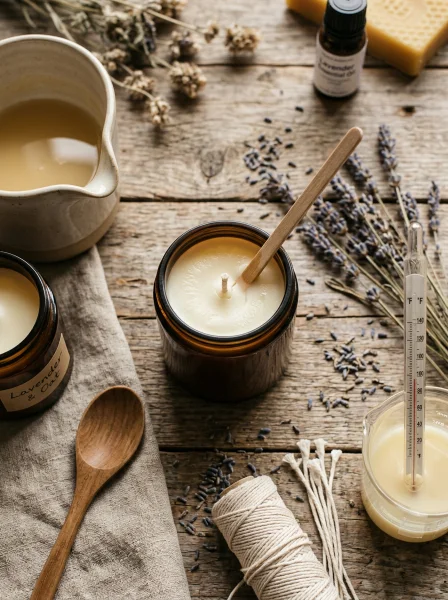
Choosing the right wax is just the beginning. Here are a few tips that will make a big difference in your finished candles:
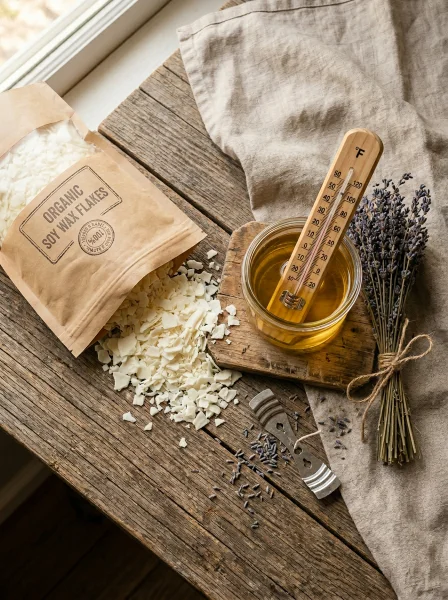
- Use a thermometer: Pour temperature matters more than most beginners realize. Most container soy waxes pour best between 130–150°F. Too hot and your fragrance evaporates; too cool and you’ll get poor adhesion.
- Let candles cure: Soy wax candles need at least 24–48 hours to cure properly, and up to 2 weeks for the best scent throw. Patience pays off.
- Wick sizing is critical: An under-wicked candle won’t throw scent; an over-wicked one is a fire hazard. Start with recommended wick sizes from your wax supplier and do burn tests.
- Keep detailed notes: Track your pour temps, fragrance percentages, and wick choices. Candle making is part science, part art — and your notes become your recipe book.
If you’re looking for budget-friendly ways to gather supplies, you might be surprised what you can find when you explore dollar store crafts ideas — some basic candle-making accessories are available at deep discounts.
Soy Wax vs. Other Wax Types: A Quick Comparison
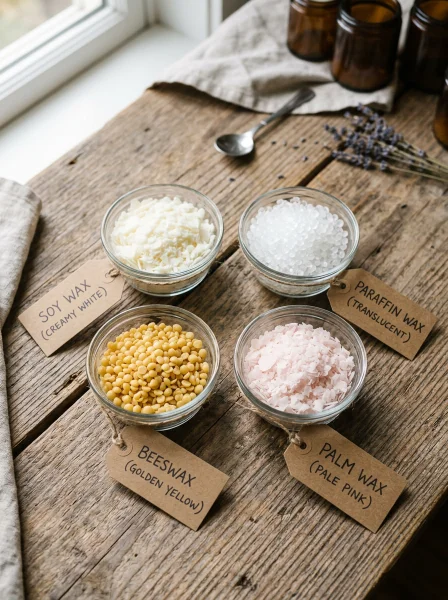
You might be wondering how soy stacks up against paraffin, beeswax, or coconut wax. Here’s a quick breakdown:
- Paraffin: Excellent scent throw and appearance, but petroleum-based and produces more soot. Less eco-friendly.
- Beeswax: Natural and long-burning, but expensive and has a natural honey scent that competes with added fragrances.
- Coconut wax: Incredible scent throw and creamy finish, but very soft and difficult to work with solo. Often blended with soy.
- Soy wax: The sweet spot for beginners — affordable, renewable, clean-burning, and widely available.
For most people just starting out, soy wax delivers the best balance of performance, price, and ease of use.
Where to Buy Soy Wax and What to Expect to Pay
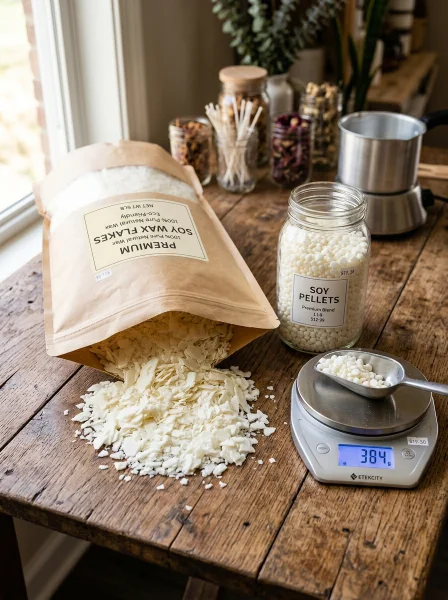
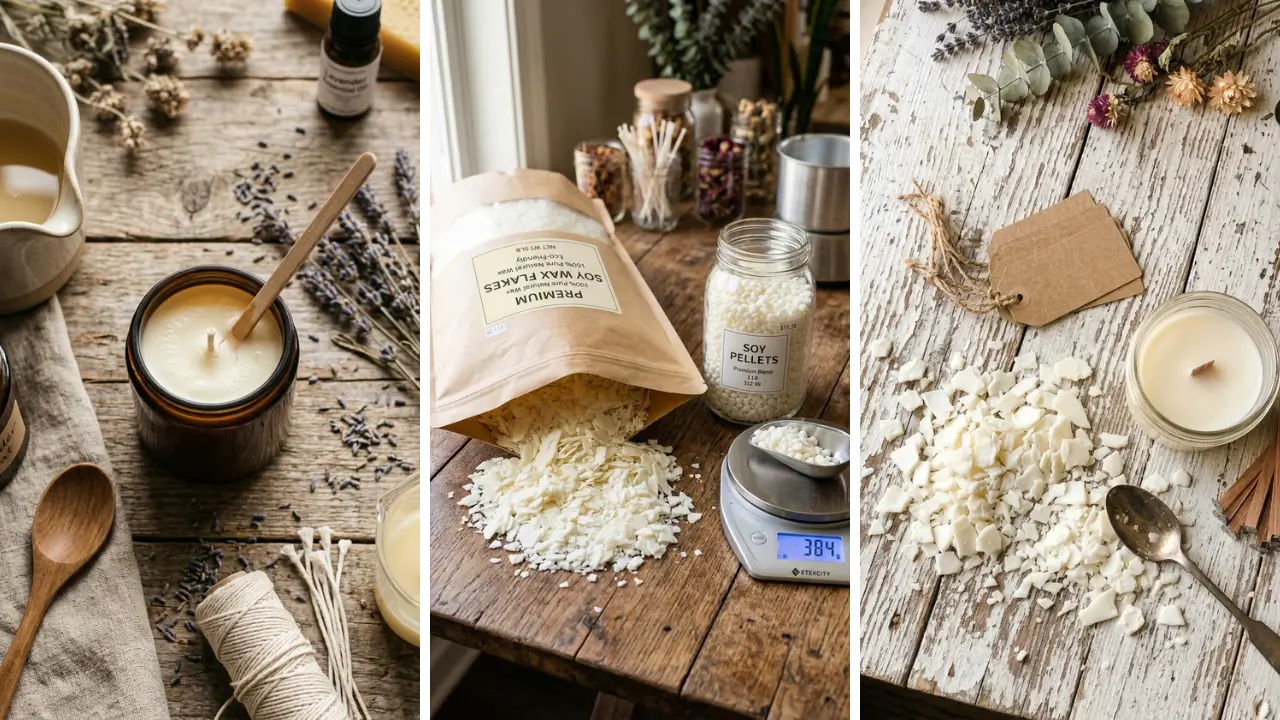
Soy wax is sold in flake or pellet form, typically by the pound or in bulk bags. Here’s a general price guide:
- 1 lb bag: Great for testing — expect to pay $5–$10.
- 5 lb bag: A solid starter quantity for making 8–12 small candles — around $15–$25.
- 10–50 lb bulk: For those ready to make larger batches — prices drop significantly per pound.
You can buy from Amazon, Etsy craft suppliers, or dedicated candle-making retailers like CandleScience or Brambleberry. Buying in bulk almost always saves money if you plan to make candles regularly. For more creative project inspiration, check out these handmade gift craft ideas that pair perfectly with homemade candles.
Conclusion: Finding the Right Soy Wax for Your Candle Journey
Picking the right wax is genuinely one of the most impactful decisions you’ll make as a beginner candle maker. After reviewing the top picks, it’s clear that the best soy wax for candle making: top options for beginners (reviewed) depends on what matters most to you — appearance, scent throw, purity, or ease of use. If you want the most forgiving and widely supported option, Golden 464 is hard to beat.
If you want professional-looking results right away, go with NatureWax C-3. And if you want to experiment with cleaner ingredients or unique blends, EcoSoya CB-Advanced and Cargill C-6 are excellent choices. The most important thing?
Just start. Don’t wait for perfect conditions or the “best” equipment. Grab a small bag of soy wax, a wick, a jar, and a fragrance oil — and make your first candle this weekend.
You’ll learn more from one actual pour than from hours of research. Ready to dive deeper into hands-on creativity? Share your first candle results in the comments below, or tag us on social media.
We’d love to see what you create!
FAQ
Q: What is the best soy wax for candle making for absolute beginners? A: Golden Brands 464 is widely recommended as the best soy wax for candle making for beginners because it’s forgiving, easy to find, and performs consistently well. It holds up to 12% fragrance oil and works beautifully in glass containers.
NatureWax C-3 is a close second if you want smoother tops. Q: How much fragrance oil should I add to soy wax? A: Most soy waxes can hold between 6–12% fragrance oil by weight.
A common starting point is 1 oz of fragrance per 1 lb of wax (about 6%). Always check the specific recommendations for your wax brand and never exceed the maximum fragrance load to avoid safety issues. Q: Why does my soy wax candle have a white, frosty look?
A: Frosting is a completely natural characteristic of soy wax — it’s a sign that the wax is 100% natural. It doesn’t affect scent throw or burn quality. You can minimize it by pouring at the right temperature (around 135–140°F) and slowly cooling your candles away from drafts.
Q: Can I use soy wax for pillar candles as a beginner? A: Standard container soy wax (like 464 or C-3) is too soft for freestanding pillar candles. You’ll need a harder pillar-specific soy blend or add stearic acid to increase firmness.
For beginners, starting with container candles is recommended before moving to pillars or votives. Q: Is soy wax candle making a good beginner craft project? A: Absolutely.
Soy wax candle making is one of the most accessible and rewarding beginner craft projects you can try. The startup cost is low, the process is straightforward, and the results make beautiful, functional items. It’s also a fantastic way to create thoughtful, personalized gifts — making it a natural fit alongside other creative hobbies.