Macrame for Beginners: Everything You Need to Start Today
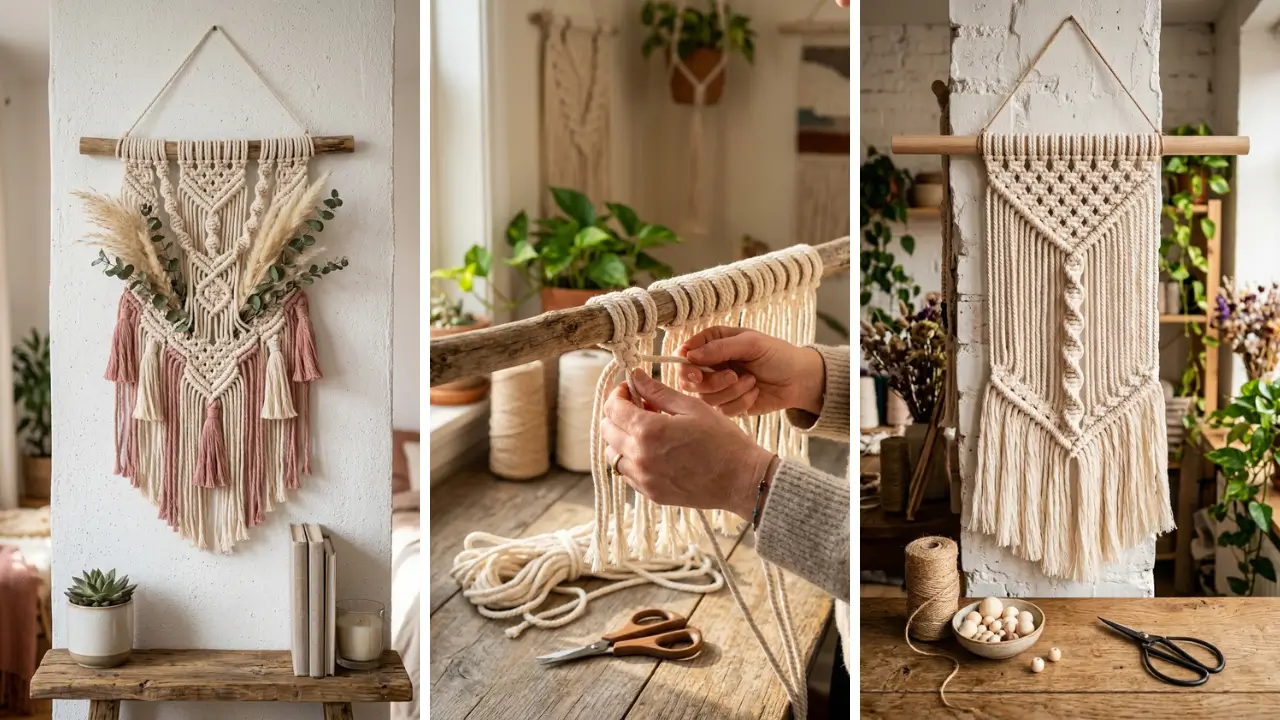
Have you ever looked at a beautifully knotted wall hanging or a boho plant hanger and thought, “I wish I could make that”? The good news is — you absolutely can. Macrame for beginners: everything you need to start today is exactly what this guide covers, from the tools and materials to the foundational knots that will unlock a whole new world of fiber art.
Whether you’re a total newcomer to crafting or someone looking for a relaxing, creative hobby, macrame is one of the most accessible textile arts you can pick up. No sewing machine, no special studio — just cord, your hands, and a little patience. By the end of this article, you’ll know exactly what to buy, which knots to learn first, and what beginner-friendly projects to start with.
What Is Macrame and Why Is It Perfect for Beginners?
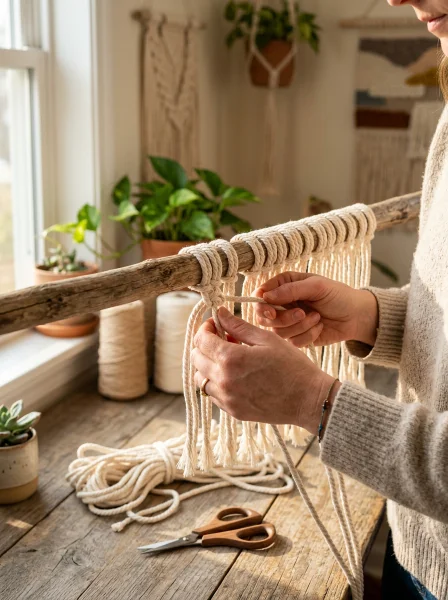
Macrame is the art of knotting cords or strings into decorative patterns. It has roots going back centuries — from ancient Arabic weavers to Victorian parlors — but it’s experiencing a massive modern revival thanks to its minimalist, bohemian aesthetic and the rise of handmade home décor. What makes it so beginner-friendly?
For starters, you only need to learn a handful of basic knots to create stunning pieces. Unlike knitting or crochet, there are no needles to fumble with. You work with your hands directly, which makes the learning curve surprisingly gentle.
Macrame is also incredibly versatile. You can make wall hangings, plant hangers, keychains, bag straps, table runners, and even jewelry. If you’re someone who enjoys fun crafts to make at home, macrame fits perfectly into a weekend creative session with zero prior experience required.
Essential Tools and Materials for Macrame Beginners
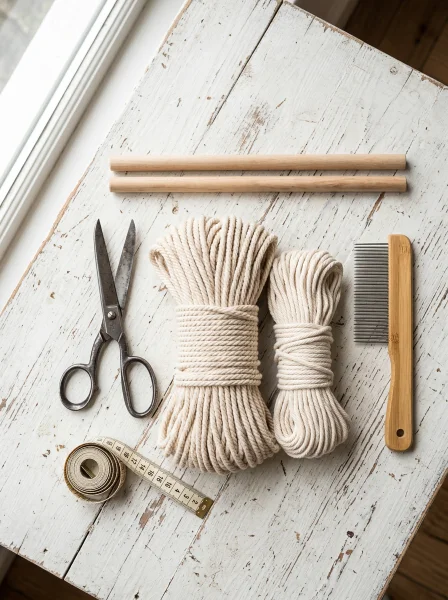
One of the best things about starting macrame is that the supply list is short and affordable. You don’t need to invest heavily upfront to make gorgeous pieces.
The Right Cord
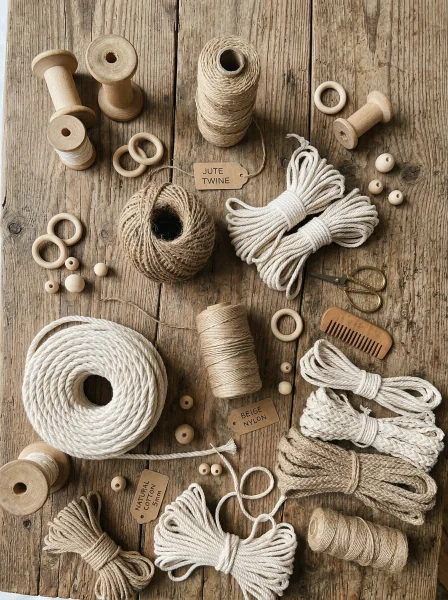
Cord is everything in macrame. For beginners, 3mm single-strand cotton macrame cord is the most recommended option. It’s soft, easy to knot, and unravels cleanly for fringe effects.
You can also find it in a wide range of natural and dyed colors. Twisted (3-ply) cotton rope is great for plant hangers because of its durability. Braided cord is smoother and works beautifully for wall art with a cleaner finish.
Start with natural white or cream — it photographs beautifully and matches any décor.
A Dowel or Branch
Most macrame wall hangings are mounted on a wooden dowel or a natural branch. A 12-inch wooden dowel from a craft store is perfect for your first project. As you advance, you might collect driftwood or decorative branches for a more organic look.
Scissors and a Measuring Tape
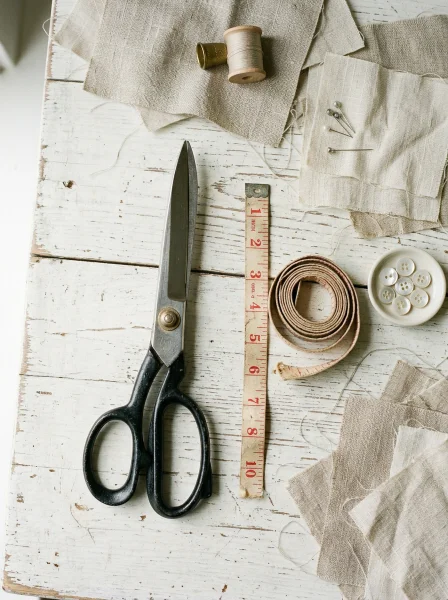
Sharp fabric scissors are essential — dull scissors fray cord and make clean cuts nearly impossible. A measuring tape helps you cut cords to the right length before you begin knotting. A good rule of thumb: cut each cord four times the length of your intended finished piece.
Tape or Mounting Hook
You’ll need a way to hang your dowel while you work. A simple S-hook on a clothing rack or a piece of tape on the back of a chair works perfectly for beginners. If you want to explore budget-friendly sourcing, browsing dollar store crafts ideas can help you find surprisingly good starter materials without overspending.
The 5 Basic Macrame Knots Every Beginner Must Learn
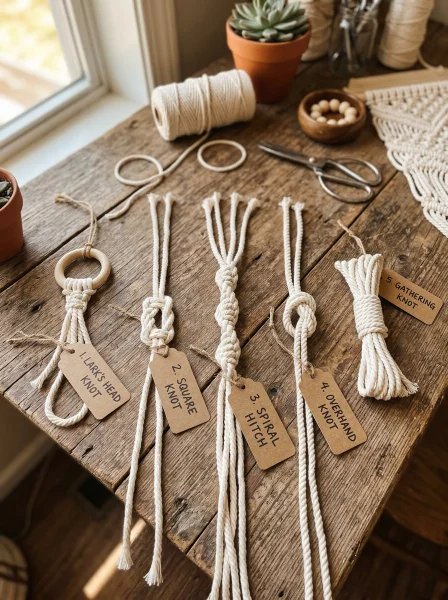
Here’s the beautiful truth: you can create dozens of patterns using just five foundational knots. Mastering these will take you from complete beginner to confident maker faster than you think.
1. The Lark’s Head Knot
This is how you attach your cords to a dowel. Fold a cord in half, loop it over the dowel, and pull both ends through the loop. Simple, fast, and the starting point for almost every macrame project.
2. The Square Knot
The square knot is the backbone of macrame. It uses four cords — two outer working cords and two inner filler cords. Left over right, then right over left — that’s the rhythm.
Practice this knot until it feels automatic, because you’ll use it constantly.
3. The Half Hitch
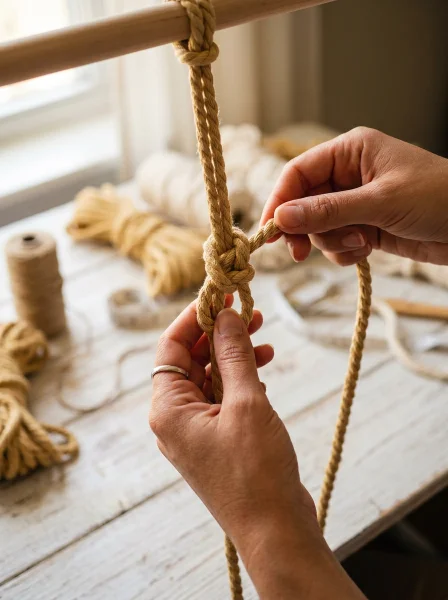
A half hitch is a single loop knot. On its own, it’s simple. When repeated in a spiral, it creates the Half Hitch Spiral, one of macrame’s most visually striking patterns.
4. The Double Half Hitch
This is two half hitches tied consecutively. It creates a firm, defined ridge in your work and is commonly used for diagonal, horizontal, and even circular patterns in more advanced designs.
5. The Gathering Knot
Used to bundle multiple cords together into a single unit. It’s perfect for the top of plant hangers and finishing techniques. Once you know this knot, your pieces will look truly polished.
Your First Macrame Projects: Start Simple and Build Confidence
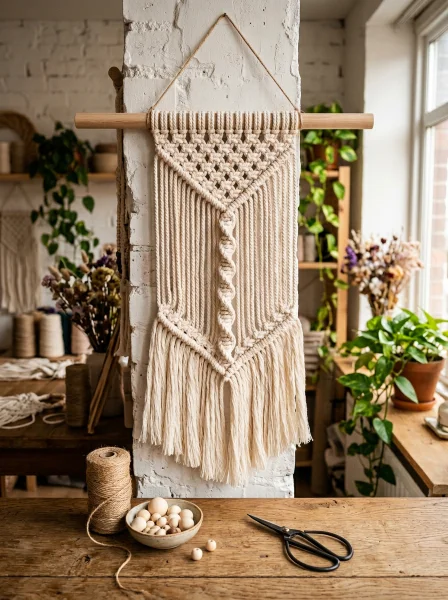
Knowing the knots is great — but applying them in a real project is where the magic happens. As a beginner, the goal is to choose projects that are small enough to finish quickly but satisfying enough to keep you motivated.
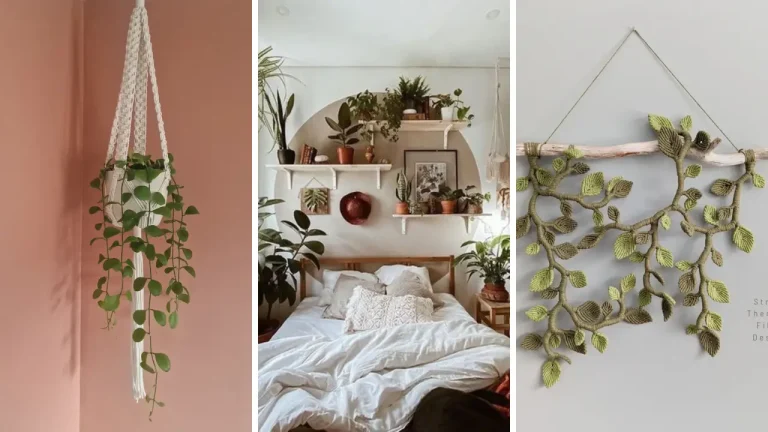
Simple Plant Hanger
A basic plant hanger uses the square knot and gathering knot almost exclusively. You can complete one in about 45 minutes once you have your materials ready. It’s a practical, beautiful result that makes you feel accomplished immediately.
Mini Wall Hanging
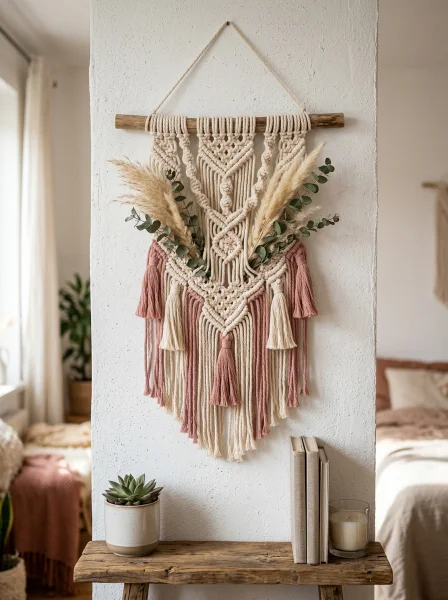
A small wall hanging on a 12-inch dowel is ideal as your very first project. Use the lark’s head knot to mount your cords, practice rows of square knots, and finish with a fringe trim. Hang it in your bedroom or give it as a gift.
Speaking of gifting — macrame pieces make incredible presents. A handmade wall hanging or plant hanger is a thoughtful, personal touch that store-bought items can’t replicate. If you’re building a collection of DIY handmade gifts, macrame should absolutely be on your list.
Macrame Keychain
A keychain is a 15-minute project that uses only a short length of cord and a simple square knot pattern. It’s the perfect way to practice your knots without committing to a larger project, and it makes a charming gift or bag accessory.
Tips to Progress Faster as a Macrame Beginner
Starting any new craft comes with a learning curve. These practical tips will help you move from fumbling beginner to confident crafter much more quickly.
- Practice one knot at a time. Don’t try to learn everything at once. Spend 20 minutes on just the square knot before moving on.
- Watch your tension. Uneven tension is the #1 beginner mistake. Pull each knot with the same amount of force for consistent, professional-looking results.
- Use a comb or pet brush. Brushing out cord ends creates beautiful, fluffy fringe that elevates any piece instantly.
- Label your cords. When starting out, number your cords with small pieces of tape so you don’t lose track of working vs. filler cords.
- Start small. A 12-inch dowel with 8 cords is far less overwhelming than a 36-inch dowel with 30 cords. Build up gradually.
Macrame fits beautifully into a broader creative practice. If you’re looking for more ways to stay inspired, exploring home craft projects quick can give you a steady stream of ideas to work on between macrame sessions.
Where to Find Free Macrame Patterns and Inspiration
Once you’ve got the basics down, you’ll want patterns to guide your next projects. The internet is full of free resources — and some of the best ones are hiding in plain sight. Pinterest is a goldmine for macrame inspiration.
Search “beginner macrame wall hanging” and you’ll find hundreds of step-by-step photo tutorials. YouTube is even better for visual learners — watching someone tie a knot in real time beats a written description every time. Craft blogs and online communities like Reddit’s r/macrame are also incredibly welcoming to beginners.
Don’t be shy about sharing your early work — the macrame community is known for being encouraging and supportive. If you want to combine macrame with other craft ideas for a complete creative toolkit, handmade gift craft ideas can spark your next inspired project, especially around the holidays or special occasions.
Conclusion: Your Macrame Journey Starts Now
There’s never been a better time to dive into fiber arts. Macrame for beginners: everything you need to start today can be summarized simply: grab some cotton cord, a wooden dowel, and sharp scissors — then learn the square knot. That’s genuinely all it takes to begin.
From there, you’ll find that each project builds your confidence, sharpens your technique, and deepens your appreciation for this beautiful, tactile craft. The most important step is always the first one. Don’t wait until you feel “ready” — start with a 15-minute keychain, and before you know it, you’ll be designing your own wall hangings from scratch.
Macrame is more than a hobby; it’s a way to slow down, create something real with your hands, and fill your home (or someone else’s) with handmade beauty. So cut your first cord, tie your first lark’s head knot, and welcome to the wonderfully knotty world of macrame. Ready to start your macrame journey?
Drop your first project photos in the comments below — we’d love to see what you create! And if you found this guide helpful, share it with a friend who’s been curious about trying macrame. Happy knotting!
🌿
Frequently Asked Questions
Q: Is macrame for beginners really easy to learn, or does it take a long time to get good? A: Macrame for beginners is genuinely one of the easiest textile crafts to pick up. Most people can complete their first simple project — like a keychain or small wall hanging — within an hour of learning the basic knots.
Consistency and regular practice will have you creating intermediate-level pieces within a few weeks. Q: How much does it cost to start macrame? A: A beginner macrame kit can cost as little as $15–$25.
You’ll need a spool of cotton cord (usually $8–$12), a wooden dowel ($1–$3), and scissors you likely already own. It’s one of the most budget-friendly crafts you can start, especially compared to embroidery or quilting. Q: What is the best macrame cord for beginners: everything you need to start today?
A: The best cord for beginners is a 3mm single-strand (macrame) cotton rope in natural white. It’s easy to knot, soft on the hands, and unravels cleanly for fringe effects. Avoid nylon or polyester cord as a starter — they’re slippery and harder to knot consistently.
Q: Can I make macrame pieces to sell or give as gifts? A: Absolutely! Handmade macrame items are extremely popular on marketplaces like Etsy, and they make deeply personal, beautiful gifts.
Even beginner-level pieces like plant hangers and small wall hangings are widely appreciated. Many crafters start macrame as a hobby and transition into a small side business within months. Q: Do I need any prior crafting experience to start macrame?
A: No prior experience is needed whatsoever. Macrame requires no sewing, no knitting background, and no specialized tools beyond cord and scissors. If you can tie a shoelace, you already have the fine motor skills needed to learn the basic knots.
It’s a craft that truly welcomes total beginners with open arms.