Paper Crafting for Beginners: 5 Projects to Start With at Home
Have you ever looked at a beautifully crafted paper decoration and thought, “There’s no way I could make that”? Here’s the truth — you absolutely can. Paper crafting for beginners: 5 projects to start with at home is exactly what this guide is all about.
Whether you have zero crafting experience or you’ve dabbled a little but never quite committed, paper crafting is one of the most accessible and rewarding hobbies you can pick up. All you need is paper, a few basic tools, and a willingness to try. By the end of this article, you’ll have five beginner-friendly project ideas, practical tips, and the confidence to dive right in.
Why Paper Crafting Is the Perfect Hobby for Beginners
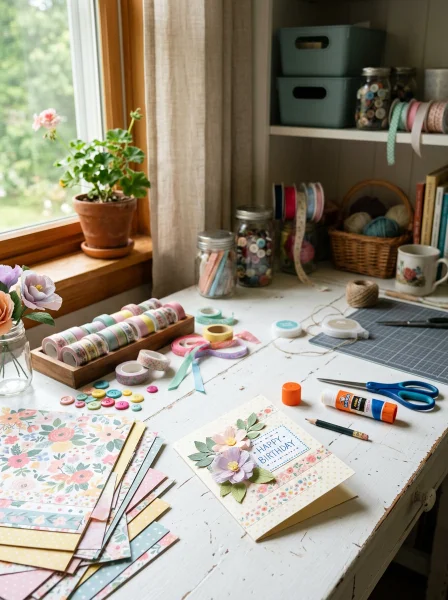
Paper crafting has been around for centuries, and for good reason — it’s cheap, versatile, and endlessly creative. Unlike many other crafts, you don’t need expensive equipment or a dedicated studio space to get started. Your kitchen table works just fine.
One of the biggest advantages is the low barrier to entry. Most beginner paper projects require nothing more than cardstock, scissors, a ruler, and some glue. You can source materials from dollar stores, thrift shops, or even recycle paper you already have at home.
If you’re curious about dollar store crafts ideas that actually look impressive, paper crafting fits perfectly into that budget-friendly category. Beyond the cost, paper crafting is also a fantastic stress reliever. Studies on creative hobbies consistently show that hands-on activities like folding, cutting, and assembling can reduce cortisol levels and improve focus.
In short, it’s good for your wallet and your mental health.
What You Need Before You Start: Essential Supplies
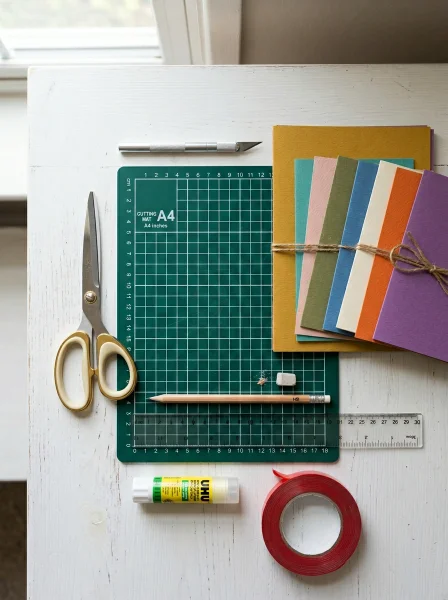
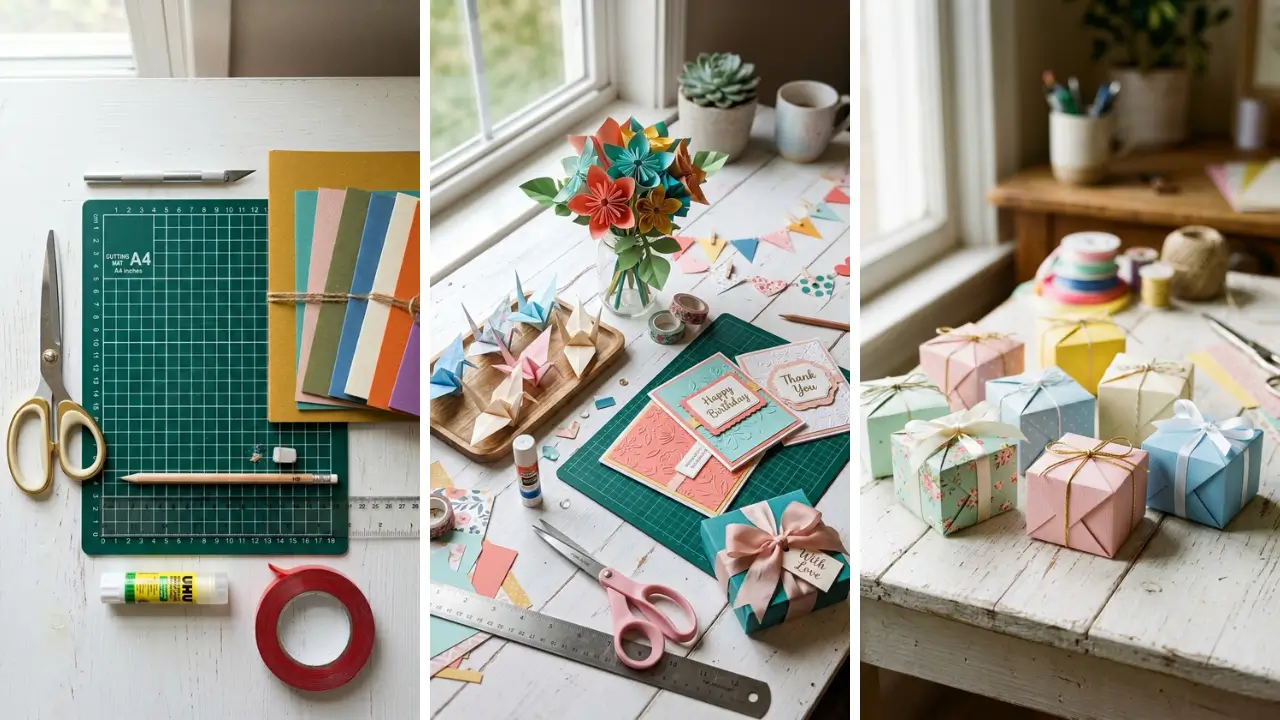
Before jumping into the projects, let’s talk supplies. You don’t need to buy everything at once — start with the basics and build from there.
- Paper types: Cardstock (for structure), origami paper (for folding), and printer paper (for practice)
- Cutting tools: A good pair of scissors and a craft knife with a cutting mat
- Adhesives: Glue stick, double-sided tape, and liquid craft glue
- Scoring tool: A bone folder or the back of a butter knife for clean folds
- Ruler and pencil: For precise measurements and light guidelines
Once you have these basics, you’re ready to tackle almost any beginner paper project. Keep your workspace clean and well-lit — it makes a huge difference in precision and enjoyment.
Paper Crafting for Beginners: 5 Projects to Start With at Home
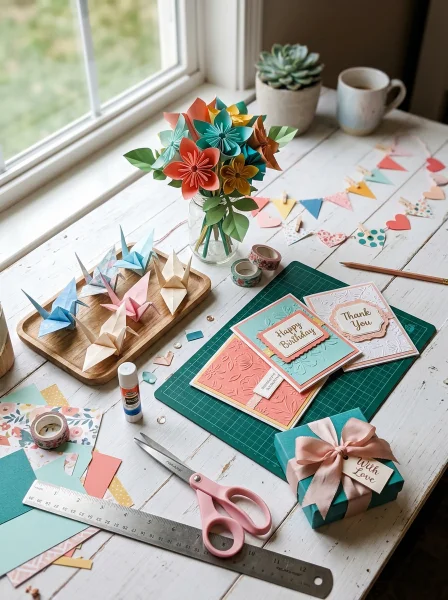
These five projects are ranked roughly from easiest to slightly more involved. Each one teaches a core skill that will build your confidence and set you up for more advanced projects down the line.
1. Paper Greeting Cards
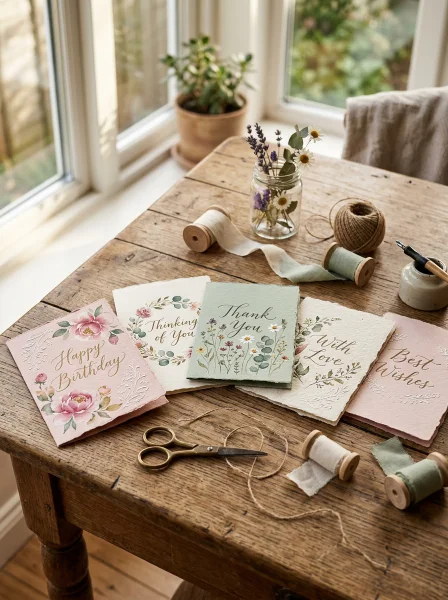
Greeting cards are the ultimate starter project. Fold a piece of cardstock in half, and you already have the base. From there, you can cut simple shapes, layer colors, add hand-lettering, or use stamps to decorate the front.
The best part? Handmade cards are deeply personal. They make incredible DIY handmade gifts for birthdays, holidays, or just because.
A card you made yourself will always be remembered more than one pulled off a store shelf. Skill learned: Clean folding, layering, and basic composition.
2. Origami Animals
Origami is the Japanese art of paper folding, and it’s a wonderful entry point for beginners. Start with a simple crane or a jumping frog — both require fewer than 15 steps and no glue or cutting. Square origami paper works best, but you can cut regular printer paper into a square and practice there first.
Origami trains your hands to be precise and patient, two skills that will serve you in every other paper craft you try. Skill learned: Precise folding, following sequential instructions, and spatial awareness.
3. Paper Bookmarks
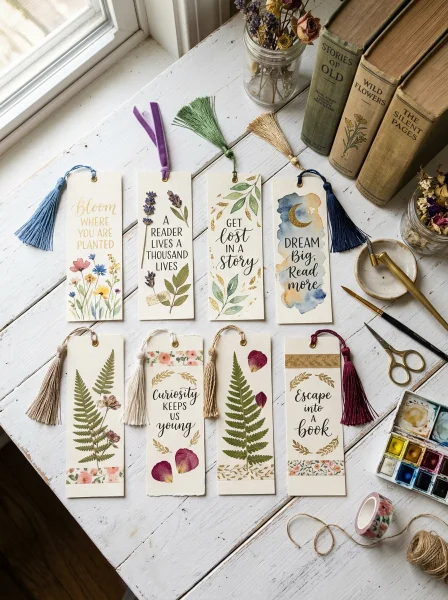
Paper bookmarks are quick, satisfying, and endlessly customizable. The corner bookmark style — where the bookmark wraps around the corner of a page — is especially popular right now and takes only about 15 minutes to make. Cut a square of cardstock, fold it diagonally, tuck in the corners, and decorate with markers or stickers.
You can make a dozen of these in an afternoon. They also make fantastic handmade gift craft ideas for book lovers in your life. Skill learned: Geometric folding, cutting precision, and creative decoration.
4. Paper Flowers
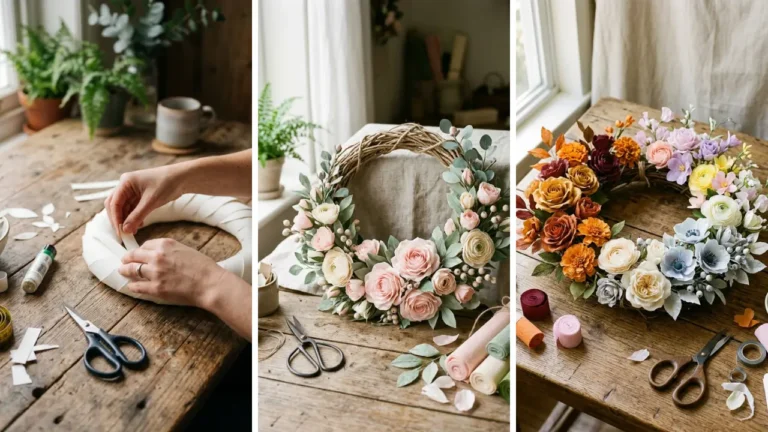
Paper flowers look stunning and are far easier to make than they appear. Tissue paper roses, crepe paper peonies, or cardstock dahlias — all of these can be crafted with beginner skills and basic supplies. Start with a simple tissue paper pompom flower: stack several layers of tissue paper, accordion-fold them, tie the center with wire or string, and gently pull each layer apart to form the bloom.
These work beautifully as party decorations, wall art, or gift toppers. If you’re looking for more inspiration beyond flowers, there are plenty of fun crafts to make at home that require no prior experience and deliver impressive results. Skill learned: Working with delicate materials, layering, and 3D construction.
5. Mini Paper Gift Boxes
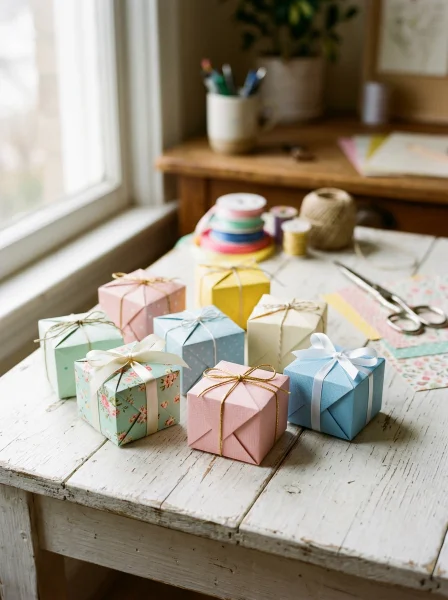
Once you’re comfortable with folding and scoring, mini paper gift boxes are an incredibly rewarding project. You can create custom-sized boxes to hold small trinkets, jewelry, or baked treats — and they look completely professional when done well. Use cardstock for sturdiness, score all fold lines with a bone folder before creasing, and use double-sided tape for clean, seamless edges.
Decorate the outside with stamps, washi tape, or hand-drawn patterns. These boxes are also a natural extension of your greeting card skills. Skill learned: Precise measuring, scoring, and 3D box construction.
Tips to Level Up Your Paper Crafting Skills Faster
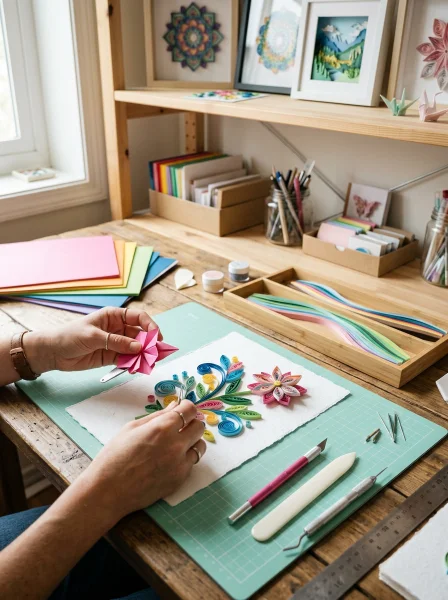
Progress in paper crafting isn’t just about practice — it’s about smart practice. Here are a few tips that will help you improve faster without feeling overwhelmed. Always score before you fold.
This single habit will immediately improve the quality of every project you make. A scored fold is clean, crisp, and professional-looking. An unscored fold is often uneven and rough.
Use the right paper for the right project. Thin copy paper won’t hold a box shape. Heavy cardstock can be hard to fold cleanly without scoring.
Understanding paper weight (measured in gsm) will save you a lot of frustration. Keep a project journal. Jot down what worked, what didn’t, and what you’d do differently.
Even a few sentences after each project accelerates your learning significantly. There are also many home craft projects quick enough to complete in under an hour, which is perfect when you want to practice without committing to a full afternoon session.
How to Turn Your Paper Crafts Into Thoughtful Gifts
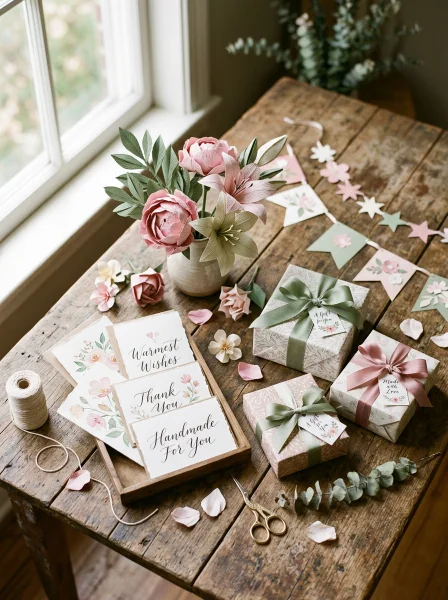
One of the most rewarding aspects of paper crafting is how naturally it translates into gift-giving. Handmade items carry a level of intentionality that store-bought gifts simply can’t replicate. When someone knows you spent time creating something specifically for them, it hits differently.
Combine a handmade greeting card with a paper gift box filled with a small treat or keepsake, and you have a complete, heartfelt gift that costs very little but means a great deal. Paper flowers bundled together make beautiful bouquets that last far longer than real ones. Whether it’s for a birthday, holiday, or a random Tuesday, paper crafts give you the tools to be a thoughtful giver year-round.
The more you practice, the more your gifts will reflect genuine skill and care.
Conclusion
Starting a new hobby can feel intimidating, but paper crafting is genuinely one of the most welcoming creative pursuits out there. With just a handful of affordable supplies and a bit of patience, you can go from total beginner to confident crafter in no time. This guide to paper crafting for beginners: 5 projects to start with at home — greeting cards, origami animals, bookmarks, paper flowers, and mini gift boxes — gives you a clear path forward.
Each project builds on the last, teaching you skills that stack and compound over time. The best moment to start is right now. Pick the project that excites you most, gather your supplies, and make your first fold.
You might be surprised by how quickly you fall in love with it. Ready to start crafting? Pick one project from this list and try it this weekend.
Share your results in the comments below — we’d love to see what you create! And if you want more beginner-friendly ideas, bookmark this page and come back whenever you need fresh inspiration.
Frequently Asked Questions
Q: Is paper crafting for beginners expensive to get started? A: Not at all. Most beginner paper crafting projects cost very little to start.
Basic supplies like scissors, glue, and cardstock are widely available at dollar stores and discount shops. You can launch your paper crafting journey for under $10 and still create beautiful results. Q: What are the easiest paper crafting projects for beginners to try at home?
A: The easiest projects in paper crafting for beginners include folded greeting cards, origami animals, and corner bookmarks. These require minimal supplies and can be completed in under 30 minutes, making them ideal for your very first attempts. Q: Do I need special paper for paper crafting, or can I use regular printer paper?
A: Regular printer paper works fine for practicing folds and origami. However, for projects like gift boxes or greeting cards, cardstock (around 200–300 gsm) gives you much cleaner, sturdier results. As you progress, experimenting with different paper types is part of the fun.
Q: How long does it typically take to complete beginner paper crafting projects at home? A: Most beginner projects take between 15 and 60 minutes to complete. Simple origami or bookmarks can be done in under 20 minutes, while paper flowers or gift boxes might take 45 minutes to an hour when you’re first learning.
Speed comes naturally with practice. Q: Can paper crafting projects be used as handmade gifts? A: Absolutely — paper crafting is one of the best ways to create meaningful, personalized gifts.
Handmade greeting cards, paper flowers, origami figures, and custom gift boxes are all wonderful presents that show genuine effort and creativity, regardless of your skill level.