Chalk Paint vs Latex Paint for Furniture: Which One Should You Use?
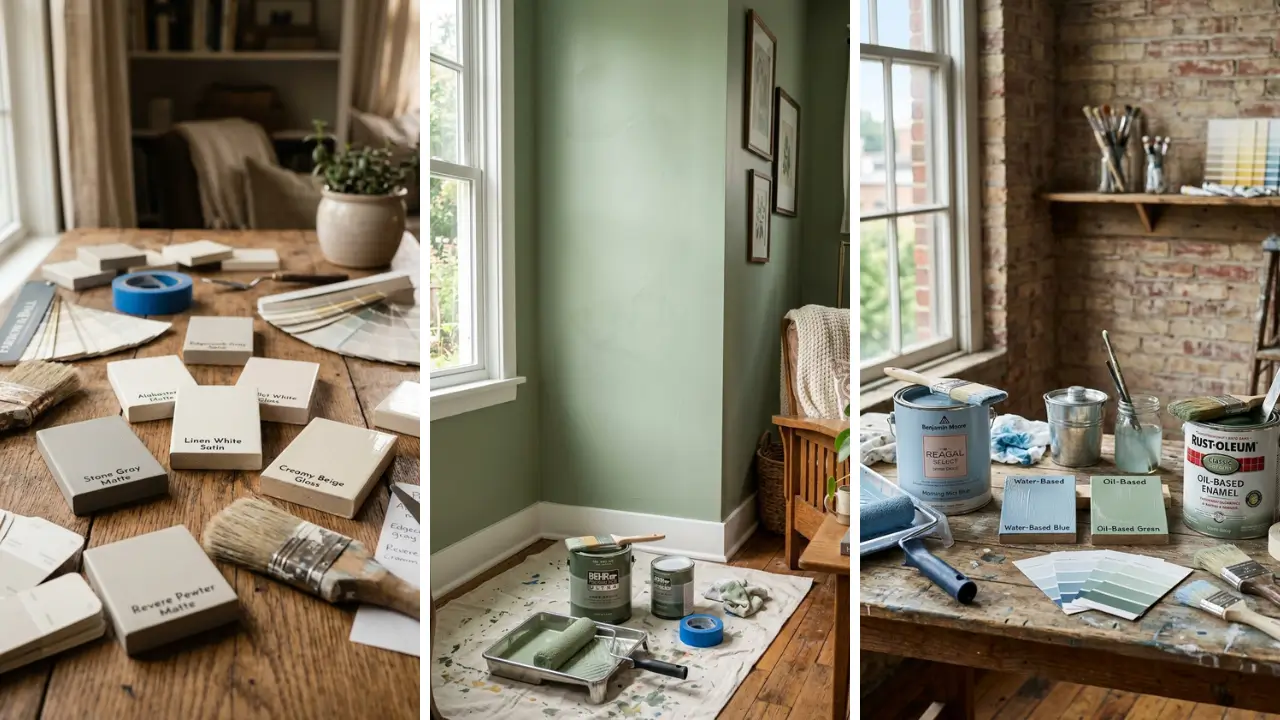
Pick chalk paint for decorative pieces you want distressed: no sanding or priming, dry in about 30 minutes, but $35 to $45 a quart plus $15 to $20 for wax. Pick latex for kitchen cabinets, dining chairs and anything high-use: $15 to $25 a quart and 10-plus years of wear.
Both options deliver beautiful results, but they behave very differently on your beloved pieces. In this comprehensive guide, you’ll discover exactly how these two paint types differ, when to use each one, and which factors should influence your decision. Whether you’re flipping furniture for profit or refreshing pieces for your own home, understanding these differences will save you time, money, and frustration.
Let’s dive into everything you need to know before picking up that paintbrush.
Understanding Chalk Paint: The Vintage Favorite
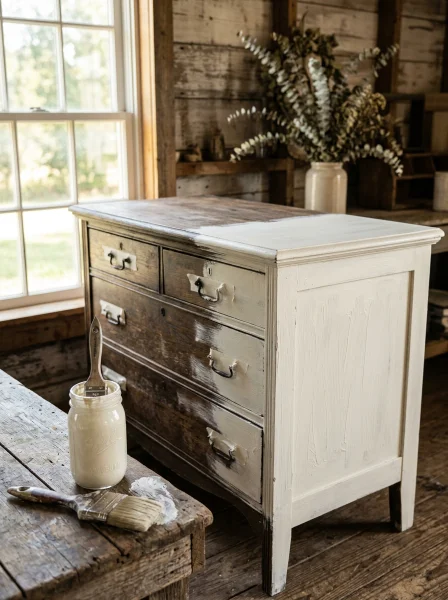
Chalk paint has taken the DIY world by storm, and it’s easy to see why. This ultra-matte paint creates that coveted vintage, shabby-chic aesthetic that looks like it belongs in a French countryside cottage. The finish is velvety smooth with zero shine, giving furniture an almost powdery appearance that screams character.
The same matte finish works on small accessories as well, which makes chalk paint a popular choice when you want to paint a lamp base and give an old lamp a new look.
The biggest selling point of chalk paint is the minimal prep work. Unlike traditional paints, chalk paint adheres to almost any surface without sanding or priming. You can literally paint over varnished, lacquered, or previously painted furniture with little to no preparation.
For anyone who enjoys fun crafts to make at home, this low-prep feature makes chalk paint incredibly appealing. However, chalk paint does require a protective topcoat. Most crafters use wax or a water-based sealer to protect the finish.
Without this step, the paint can chip, scratch, and absorb stains easily. The waxing process adds time to your project but also creates opportunities for distressing and antiquing techniques.
Pros of Chalk Paint for Furniture
Here’s what makes chalk paint shine:
- No sanding or priming required in most cases
- Dries extremely fast (usually within 30 minutes)
- Easy to distress for vintage looks
- Thick consistency provides excellent coverage
- Can be thinned for different effects
- Colors blend beautifully when layered
Cons of Chalk Paint to Consider
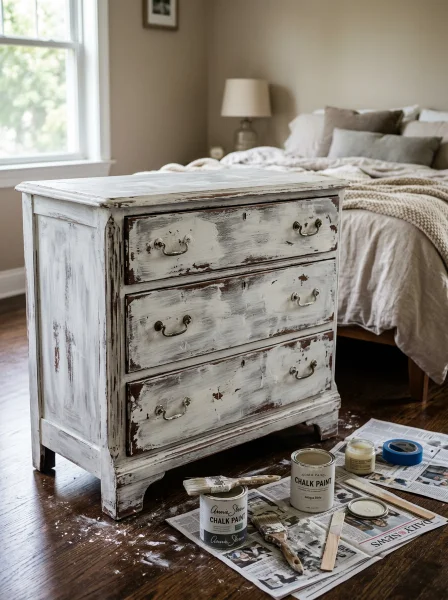
Before committing, know the downsides:
- More expensive per ounce than latex paint
- Requires wax or sealer (additional cost and time)
- Limited color selection compared to latex
- Not as durable for high-traffic furniture
- Wax finish needs periodic reapplication
Latex Paint for Furniture: The Versatile Workhorse
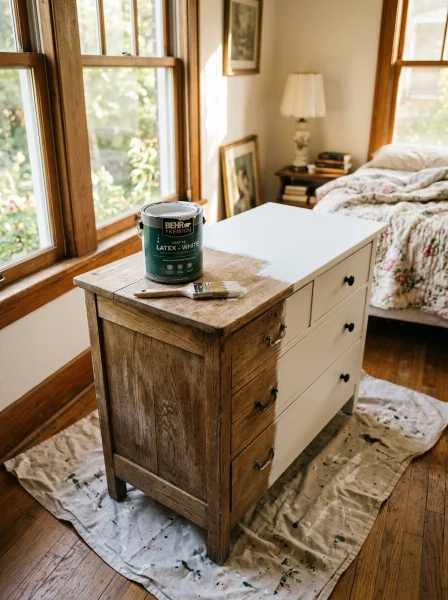
Latex paint, also called acrylic latex or water-based paint, has been a reliable choice for decades. Modern formulations have made latex paint incredibly versatile, durable, and available in virtually any color imaginable. When you’re exploring home craft projects quick options, latex paint often delivers faster results with less fuss.
The durability of latex paint is its standout feature. Once properly applied and cured, latex paint creates a tough, washable surface that handles daily wear beautifully. This makes it ideal for kitchen cabinets, children’s furniture, and high-use pieces like dining tables and chairs.
Latex paint comes in various sheens, from flat to high-gloss. For furniture, satin and semi-gloss finishes are most popular because they’re easy to clean and hide minor imperfections. The downside?
Latex paint typically requires more prep work, including sanding, priming, and sometimes multiple coats.
Pros of Latex Paint for Furniture
Consider these advantages:
- Much more affordable than chalk paint
- Unlimited color options (custom mixing available)
- Extremely durable once cured
- Various sheen options available
- No topcoat required in most cases
- Easy cleanup with soap and water
Cons of Latex Paint to Consider
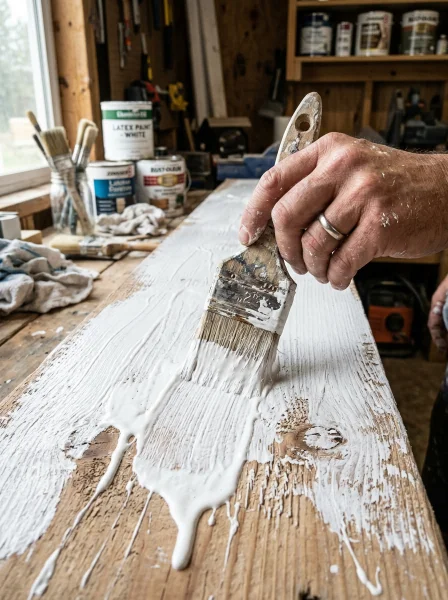
Here are the drawbacks:
- Requires proper surface preparation
- Needs primer on most furniture surfaces
- Longer drying and curing time
- Can show brush strokes more easily
- Harder to distress than chalk paint
Chalk Paint vs Latex Paint for Furniture: Head-to-Head Comparison
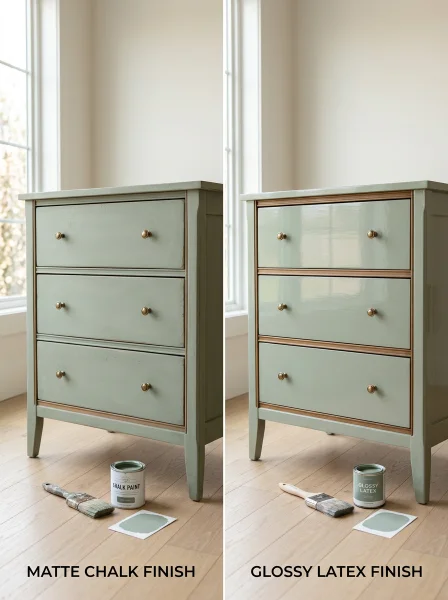
Now let’s break down the key differences that will help you make your decision. When comparing chalk paint vs latex paint for furniture projects, several factors come into play.
Preparation Requirements
Chalk paint wins hands down for minimal prep. You can often skip sanding entirely and start painting immediately. Latex paint, however, needs clean, sanded, and primed surfaces for proper adhesion.
If you’re short on time or patience, chalk paint offers a significant advantage.
Cost Analysis
Let’s talk numbers. A quart of quality chalk paint typically costs between $35-45, while a quart of premium latex paint runs $15-25. But wait—you also need to factor in wax or sealer for chalk paint (another $15-20) and primer for latex paint ($10-15).
Overall, latex paint remains the more budget-friendly option, especially for larger projects. If you enjoy creating DIY handmade gifts from repurposed furniture, the cost difference becomes significant when you’re tackling multiple pieces.
Application and Technique
Chalk paint applies thick and creamy, making it forgiving for beginners. Brush strokes often add to the vintage charm rather than detract from it. Latex paint requires more technique—thin, even coats prevent drips and brush marks.
Many people prefer foam rollers or sprayers for latex to achieve a smooth factory finish.
Durability and Longevity
For everyday furniture, latex paint outperforms chalk paint in durability. A properly applied latex finish can last 10+ years without touch-ups. Chalk paint with wax protection typically needs maintenance every 6-12 months on high-use surfaces.
For decorative pieces that don’t see much action, this difference matters less.
Which Paint Should You Choose? Real-World Scenarios
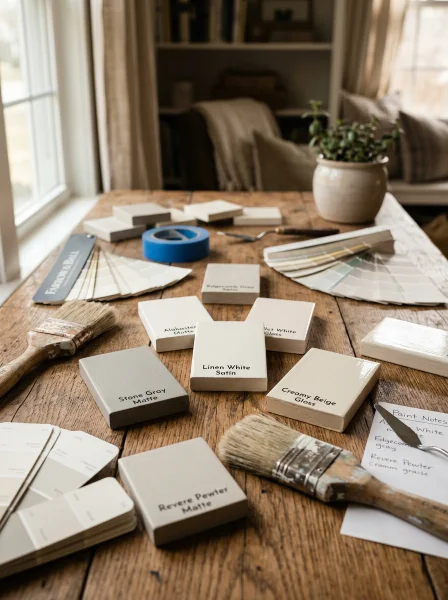
Still unsure? Let these common scenarios guide your decision.
Choose Chalk Paint When:
You want a vintage, shabby-chic, or farmhouse aesthetic. Chalk paint delivers that authentic distressed look better than any other option. It’s also perfect when you’re working with intricate pieces that would be tedious to sand, like carved details or spindle legs.
Chalk paint shines for decorative items that won’t see heavy use—think accent tables, bedroom dressers, or statement pieces. Many people exploring handmade gift craft ideas find chalk-painted items make stunning personalized presents.
Choose Latex Paint When:
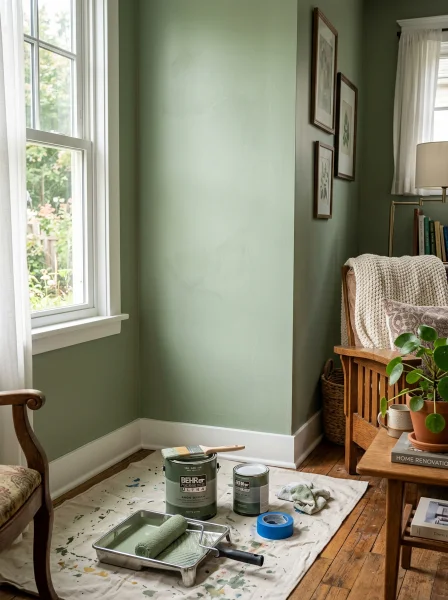
Durability is your priority. Kitchen cabinets, dining chairs, children’s furniture, and bathroom vanities all benefit from latex paint’s tough finish. If you want a modern, clean look with any sheen level, latex gives you more options.
Budget-conscious projects also favor latex paint. When you’re flipping multiple pieces or tackling a large project, the cost savings add up quickly. Latex is also better for outdoor furniture when you choose an exterior-grade formula.
For smaller outdoor projects like planters and garden signs, this guide to the best outdoor paint for garden decor explains which types hold up in all weather.
Pro Tips for Both Paint Types
Whichever paint you choose, these tips will improve your results.
For Chalk Paint Success:
Always clean your furniture thoroughly before painting. While sanding isn’t required, dirt and grease will cause adhesion problems. Apply wax in thin layers and buff well—thick wax applications stay tacky and attract dust.
Consider using a clear topcoat instead of wax for higher durability. Water-based polycrylic creates a harder finish while maintaining the matte look. This is especially helpful for tabletops and high-touch areas.
For Latex Paint Success:
Never skip the primer on slick or previously finished surfaces. Use a bonding primer for best adhesion. Sand between coats with 220-grit sandpaper for a glass-smooth finish.
Allow latex paint to cure fully before heavy use—usually 2-4 weeks. The paint may feel dry within hours, but the chemical curing process takes much longer. If you’re looking for dollar store crafts ideas that look expensive, a well-executed latex paint job on thrift store furniture delivers stunning results.
Neither option is the automatic answer once a piece moves outside, where sun and rain decide how long any finish lasts. For weather-exposed projects, see how that choice changes in how to refinish outdoor wood furniture.
Conclusion: Making Your Final Decision
The chalk paint vs latex paint for furniture debate ultimately comes down to your specific project needs. Both paints can transform tired furniture into beautiful pieces—they simply excel in different situations. Choose chalk paint for that effortless vintage vibe, quick projects, and pieces where character matters more than durability.
Choose latex paint for hard-working furniture, modern aesthetics, and budget-friendly makeovers that need to withstand daily life. Remember, there’s no wrong choice here. Many experienced furniture painters keep both types in their arsenal, selecting the best option for each unique project.
The most important thing is getting started and learning through hands-on experience. Your skills will improve with every piece you complete. Ready to transform that furniture piece you’ve been eyeing?
Share your project plans in the comments below, or tell us about your experiences with chalk and latex paint. We’d love to hear which one became your go-to choice and why!
FAQ
Q: Can I use chalk paint and latex paint together on the same furniture piece? A: Yes, you can! Some crafters apply latex paint as a base for durability, then add chalk paint details or distressing on top.
Just ensure the latex paint is fully cured before applying chalk paint, and always test on an inconspicuous area first. Q: Does chalk paint vs latex paint for furniture affect the final color appearance? A: Absolutely.
Chalk paint dries to an ultra-matte finish that can make colors appear softer and more muted. Latex paint, depending on the sheen, reflects more light and appears more vibrant. The same color can look quite different between the two paint types.
Q: How long does chalk paint last on furniture compared to latex paint? A: With proper wax or sealer protection, chalk paint can last several years on decorative furniture. However, high-use pieces may need touch-ups annually.
Latex paint typically lasts 10+ years with minimal maintenance, making it better for everyday furniture. Q: Is it necessary to seal chalk paint, and what happens if I skip this step? A: Sealing chalk paint is strongly recommended.
Without wax or a topcoat, chalk paint remains porous and will absorb moisture, stains, and oils. The finish will also chip and scratch much more easily. Unsealed chalk paint essentially ruins your hard work within months.
Q: Which paint is better for a beginner doing their first furniture project? A: Chalk paint is generally more beginner-friendly due to minimal prep requirements and forgiving application. Brush strokes add charm rather than looking like mistakes.
However, latex paint with proper preparation isn’t difficult—it just requires more steps. Start with whichever aesthetic appeals to you most.