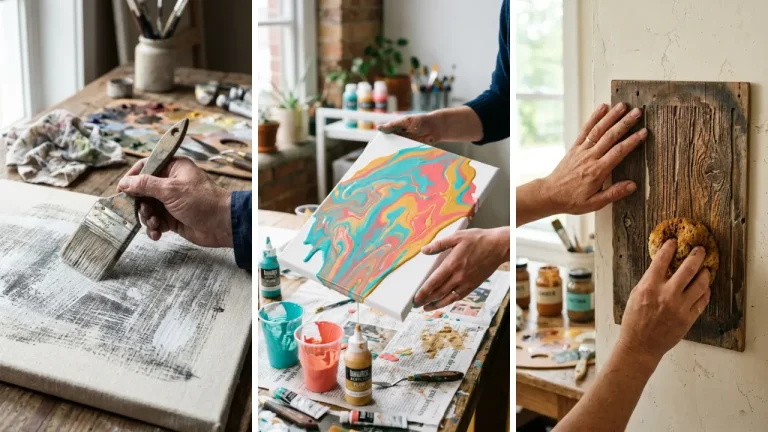
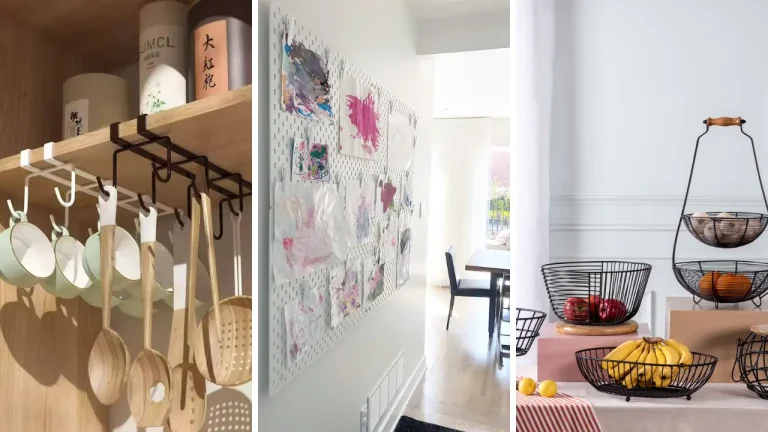
How to Replace Furniture Hardware to Completely Transform a Piece
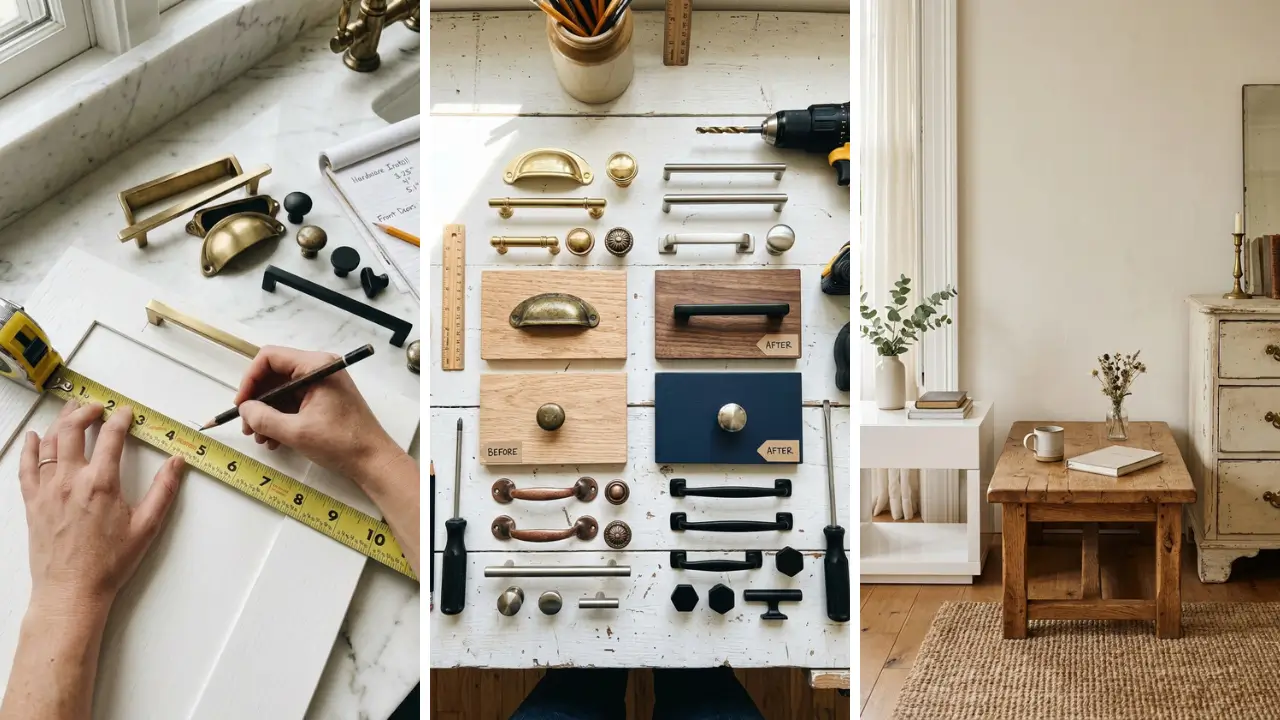
Have you ever looked at an old dresser or tired cabinet and thought it just needed something? That something is often simpler than you think. Learning how to replace furniture hardware to completely transform a piece is one of the easiest and most budget-friendly ways to breathe new life into any furniture.
Swapping out dated knobs, pulls, and handles can take a piece from drab to fab in under an hour. The best part? You don’t need any special skills or expensive tools.
Whether you’re dealing with a thrift store find or a family heirloom that’s seen better days, new hardware can make it look like a completely different piece. In this guide, you’ll discover everything you need to know about selecting, measuring, and installing furniture hardware like a pro. From understanding hole spacing to choosing the perfect style, we’ve got you covered.
Let’s dive into this satisfying transformation project that delivers maximum impact with minimal effort.
Why Replacing Furniture Hardware Makes Such a Big Difference

Hardware is essentially the jewelry of furniture. Just like the right accessories can elevate an outfit, the right knobs and pulls can completely change how a piece looks and feels. This is why furniture flippers and interior designers always start with hardware when updating a space.
Think about it. Your eye naturally gravitates toward these touchpoints because you interact with them every day. Outdated brass handles from the 1980s instantly date a piece, while sleek modern pulls can make the same dresser look like it came from a high-end furniture store.
The transformation is often so dramatic that people assume you bought entirely new furniture. It’s a fun project that pairs well with other fun crafts to make at home during a weekend makeover session.
Essential Tools and Materials You’ll Need

Before you start your hardware replacement project, gather these essential supplies. Having everything ready makes the process smooth and frustration-free. Basic tools include:
- Screwdriver (Phillips and flathead)
- Measuring tape or ruler
- Pencil for marking
- Drill with appropriate bits
- Wood filler (if changing hole placement)
- Sandpaper (various grits)
For the hardware itself, you’ll need to decide between knobs and pulls. Knobs have a single screw hole, making them incredibly easy to swap. Pulls typically have two holes, which means you need to match the existing hole spacing or be prepared to drill new holes.
Many people find quality hardware at surprising places. If you’re working with a tight budget, check out dollar store crafts ideas for affordable alternatives that still look expensive.
How to Measure Your Existing Hardware Correctly

Accurate measurement is the secret to a frustration-free hardware swap. Get this right, and the rest is easy.
Measuring Knobs
Single-hole knobs are the simplest to replace. All you need to check is the screw length. Remove an existing knob and measure from the back of the knob face to the end of the screw.
Most furniture uses screws between 1 inch and 1.5 inches. Make sure your new hardware includes appropriately sized screws, or purchase them separately.
Measuring Pulls and Handles
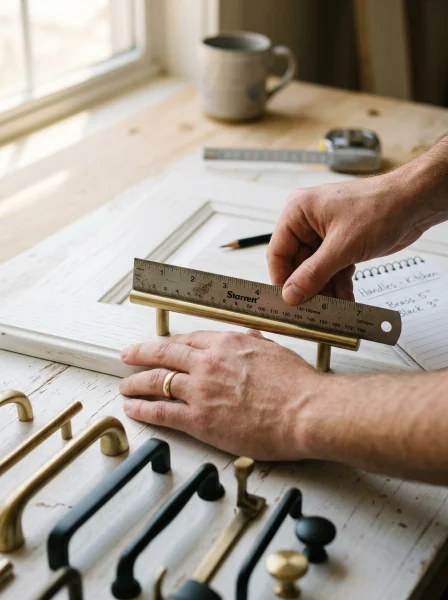
For pulls with two holes, you’ll need to measure the “center-to-center” distance. This is the measurement from the center of one screw hole to the center of the other. Common center-to-center measurements include 3 inches, 3.75 inches, 4 inches, and 5 inches.
Some vintage pieces may have non-standard spacing, so always measure before shopping. Write down all measurements and bring them with you when hardware shopping. Better yet, bring an old piece of hardware to compare in the store.
Choosing the Right Style for Your Furniture

This is where the fun begins. Your hardware choice sets the entire tone for the piece. For a modern look, consider sleek bar pulls in brushed nickel, matte black, or brass.
Clean lines and minimal ornamentation work best. These look stunning on mid-century modern pieces or contemporary furniture. For a traditional feel, look for cup pulls, bail handles, or ornate knobs.
Antique brass, oil-rubbed bronze, and aged pewter finishes complement classic furniture styles beautifully. For a farmhouse vibe, ceramic knobs, bin pulls, or simple iron handles create that cozy, collected-over-time aesthetic. White or distressed finishes work particularly well.
Consider the room where the furniture will live. A sleek console table might call for different hardware than a rustic kitchen cabinet. This attention to detail is what makes DIY handmade gifts of refurbished furniture so special and thoughtful.
Step-by-Step Guide to Replace Furniture Hardware

Now let’s walk through the actual replacement process. Follow these steps for a professional-looking result.
Step 1: Remove Existing Hardware
Unscrew all existing knobs, pulls, and handles. Keep the old hardware in a bag in case you change your mind or need to return the new pieces. While the hardware is off, take this opportunity to clean the entire piece.
Dust, grime, and furniture polish build up around hardware over time.
Step 2: Fill Holes If Needed
If you’re switching from pulls to knobs, or if the hole spacing doesn’t match, you’ll need to fill the old holes. Apply wood filler with a putty knife, let it dry completely, then sand smooth. For the best results, apply two thin coats of filler rather than one thick coat.
This prevents shrinking and cracking.
Step 3: Mark New Hole Positions
If drilling new holes, measure carefully and mark with a pencil. Use painter’s tape to prevent wood from splintering when you drill. For consistent placement across multiple drawers, create a simple template from cardboard.
This ensures all your hardware lines up perfectly.
Step 4: Drill New Holes
Use a drill bit slightly smaller than your screws. Drill slowly and steadily to prevent mistakes. Clean up any debris before moving on.
Step 5: Install New Hardware
Insert screws from the inside of the drawer or door and tighten the hardware from the front. Don’t overtighten, as this can crack the wood or strip the screw holes. Step back and admire your work.
The transformation should be immediate and dramatic.
Creative Ideas for How to Replace Furniture Hardware to Completely Transform a Piece
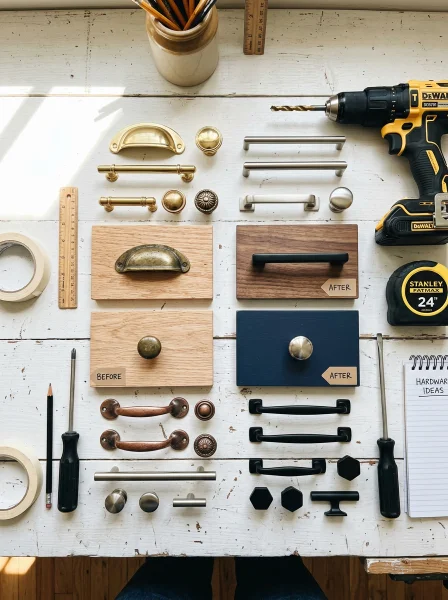
Ready to take your hardware game to the next level? Here are some creative approaches that deliver stunning results. Mix and match finishes.
Who says all hardware must match? Combining matte black handles with brass knobs creates an intentional, designer look that’s totally on-trend. Upcycle unexpected objects.
Leather straps, rope handles, or vintage keys can serve as unique hardware. These one-of-a-kind touches make furniture truly special. Layer with backplates.
Adding decorative backplates behind knobs creates visual interest and can hide old holes or damaged areas. These creative approaches work wonderfully when you’re looking for home craft projects quick to complete over a weekend.
Common Mistakes to Avoid
Even simple projects can go wrong without proper planning. Here’s what to watch out for. Not checking screw length.
Screws that are too long will poke through the drawer front. Screws that are too short won’t hold securely. Always verify before installing.
Ignoring scale and proportion. Tiny knobs on a massive armoire look lost. Oversized pulls on a delicate nightstand overwhelm the piece.
Consider the furniture’s size when selecting hardware. Forgetting about comfort. Hardware should feel good in your hand.
Test pulls before purchasing to ensure they’re comfortable to grip and easy to use. Skipping the prep work. Rushing through hole filling or measurement leads to frustrating results.
Take your time with preparation for a polished finish.
Budget-Friendly Hardware Sources
Quality hardware doesn’t have to break the bank. Here are smart places to find affordable options. Online marketplaces offer incredible variety at competitive prices.
You can find everything from reproduction antique hardware to ultra-modern designs. Just read reviews carefully and order samples when possible. Home improvement stores carry reliable basics and often have sales on discontinued styles.
These can be hidden gems for budget-conscious DIYers. Thrift stores and estate sales occasionally yield vintage hardware in perfect condition. This is especially valuable if you’re restoring period furniture.
Looking for more budget-friendly project ideas? Explore handmade gift craft ideas that won’t strain your wallet but deliver impressive results.
Finishing Touches That Elevate Your Project
Hardware replacement often inspires additional updates. Consider these complementary improvements. A fresh coat of paint or stain can work miracles alongside new hardware.
Even just touching up existing finish around the hardware areas freshens the overall look. New drawer liners add a luxurious touch that surprises and delights every time you open a drawer. This small detail makes furniture feel special.
Consider updating hinges to match your new hardware finish. Consistent metalwork throughout the piece creates a cohesive, intentional design.
Conclusion
Learning how to replace furniture hardware to completely transform a piece is one of the most satisfying DIY skills you can develop. With minimal investment and just a few basic tools, you can turn dated furniture into stunning statement pieces that look designer-curated. The key is careful measurement, thoughtful style selection, and patient installation.
Whether you’re updating a single nightstand or transforming an entire room’s worth of furniture, new hardware delivers dramatic results every time. Remember that this project offers endless creative possibilities. From sleek modern pulls to charming vintage knobs, the right hardware reflects your personal style while giving tired furniture a fresh new identity.
Start looking at your furniture with fresh eyes. That old dresser, worn cabinet, or dated console table might just be one hardware swap away from becoming your new favorite piece. Ready to start your furniture transformation?
Grab a measuring tape, explore hardware options online or at your local store, and give this satisfying project a try. Share your before and after photos in the comments below. We’d love to see your transformations!
Frequently Asked Questions
Q: How much does it cost to replace furniture hardware? A: Hardware replacement typically costs between $2 and $15 per piece, depending on quality and style. A complete dresser update usually runs $20 to $100, making it one of the most budget-friendly furniture makeovers available.
Q: Can I replace furniture hardware without drilling new holes? A: Yes, if you choose hardware with matching hole spacing or switch to single-hole knobs that fit existing holes. Measure your current hardware carefully before shopping to find compatible replacements.
Q: What’s the most popular finish for furniture hardware in 2024? A: Matte black remains extremely popular, followed by brushed brass and satin nickel. Mixed metal looks are also trending, where different finishes are intentionally combined for visual interest.
Q: How do I know what size hardware looks best on my furniture? A: A general rule is that drawer pull length should be about one-third the drawer width. For knobs, 1 to 1.5-inch diameter works for most applications.
Larger furniture can handle bigger, bolder hardware choices. Q: How to replace furniture hardware to completely transform a piece if the wood is damaged? A: Fill damaged areas with wood filler, let it cure completely, then sand smooth before drilling new holes.
For severe damage, consider using decorative backplates to cover problem areas while adding visual interest.