7 Beginner Crafter Mistakes & How to Avoid Them
Are your craft projects turning out messy, frustrating, or nothing like the Pinterest inspiration you saved? You are not alone. Every beginner crafter faces common pitfalls that can derail even the simplest projects.
The good news is that these mistakes are completely avoidable once you know what to watch for. This guide reveals the 7 mistakes beginner crafters make and provides practical solutions. Let’s dive in…
1. Skipping Project Planning
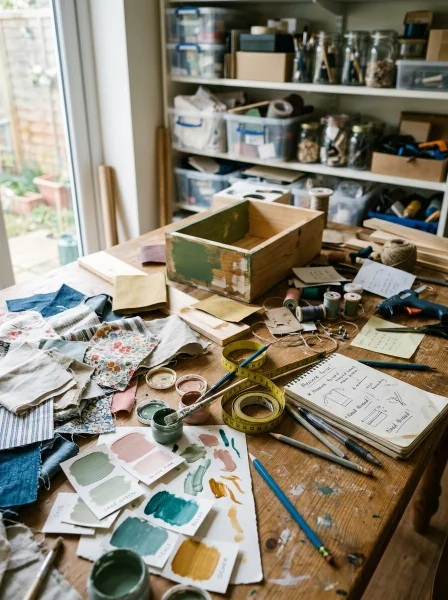
- Notebook or planner
- Pencil and eraser
- Reference images
- Measuring tape
Jumping straight into a project without proper planning leads to wasted materials and disappointing results. Many beginners get excited and skip the crucial step of mapping out their vision before starting. Take time to sketch your design and write down each step involved.
This simple habit prevents confusion halfway through your project when you realize something does not fit together. Planning also helps you identify potential challenges before they become expensive mistakes. You will save both time and money by thinking ahead.
2. Buying Cheap Supplies
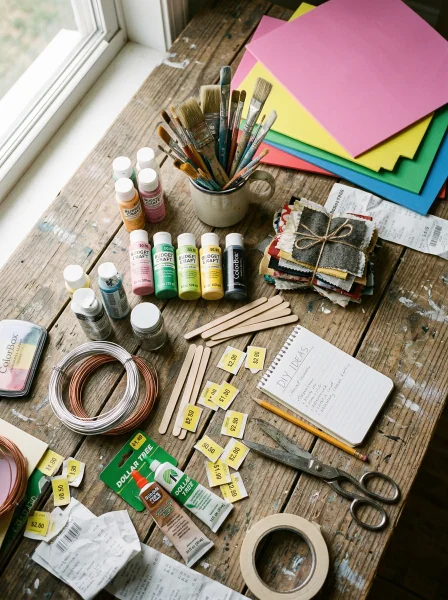
- Quality adhesives
- Professional-grade paints
- Durable fabric or paper
- Proper cutting tools
Budget-friendly does not always mean value-friendly when it comes to craft supplies. Low-quality materials often result in projects that fall apart, fade quickly, or look amateur. Invest in essential quality tools that you will use repeatedly across multiple projects.
A good pair of scissors, reliable glue, and decent paint make a tremendous difference in your finished work. However, you can still find affordable options if you know where to look. Check out these dollar store crafts ideas that prove budget crafting can still look amazing when done correctly.
3. Ignoring Drying Times
- Timer or phone alarm
- Drying rack
- Well-ventilated workspace
- Patience
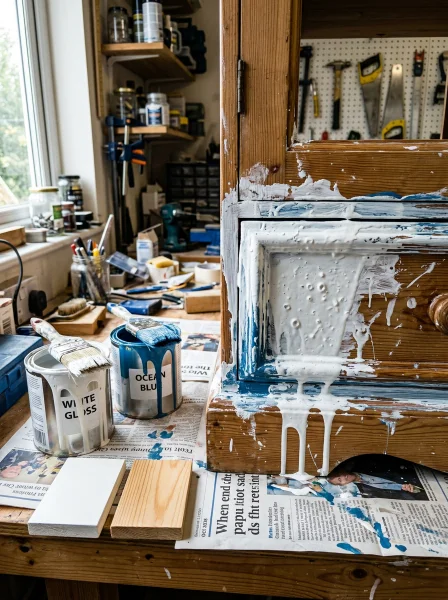
Rushing through drying and curing times ruins more beginner projects than almost any other mistake. Paint smears, glue fails, and layers blend together when you move too fast. Each adhesive, paint, and finish has specific drying requirements listed on the packaging.
Following these recommendations ensures your work looks professional and polished. Set a timer and work on multiple projects simultaneously so you always have something productive to do while waiting. This approach maximizes your crafting time without compromising quality.
4. Working Without Proper Tools
- Self-healing cutting mat
- Metal ruler
- Sharp craft knife
- Quality scissors
- Hot glue gun
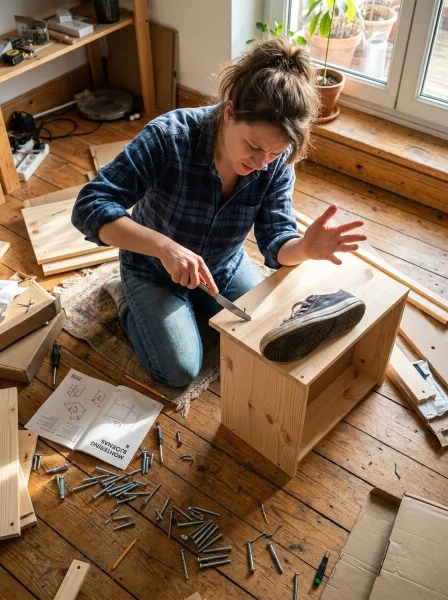
Using household scissors for everything or substituting random items for proper tools creates frustration and poor results. Correct tools exist for specific reasons and make every project easier. You do not need to buy every tool at once.
Start with versatile essentials like a cutting mat, metal ruler, and craft knife that work across many different project types. Proper tools also keep you safer during crafting sessions. Dull blades and makeshift solutions cause more accidents than sharp, purpose-built equipment.
Once you have basic tools, you can explore home craft projects quick options that match your new skill level.
5. Attempting Complex Projects First
- Simple pattern templates
- Basic craft supplies
- Beginner-friendly tutorials
- Small-scale materials
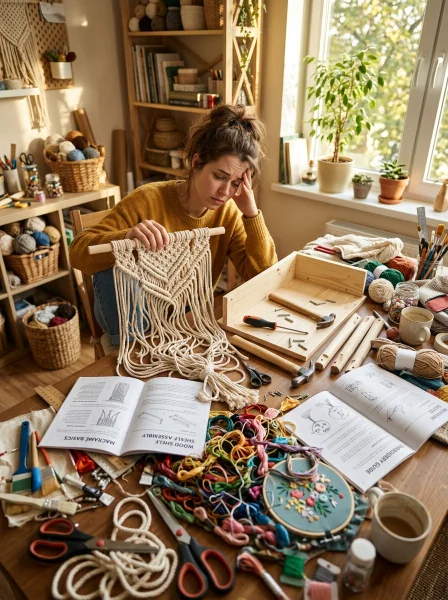
Trying to recreate an advanced Pinterest project as your very first craft attempt sets you up for disappointment. Complex projects require skills that only develop through practice. Start with simple versions of projects that interest you.
Master basic techniques like straight cutting, even gluing, and smooth painting before adding complexity. Small wins build confidence and teach foundational skills you will use forever. Consider starting with fun crafts to make at home that are designed specifically for beginners without prior experience.
6. Not Preparing Your Workspace
- Drop cloth or newspaper
- Good lighting
- Organized storage containers
- Comfortable seating
- Ventilation fan
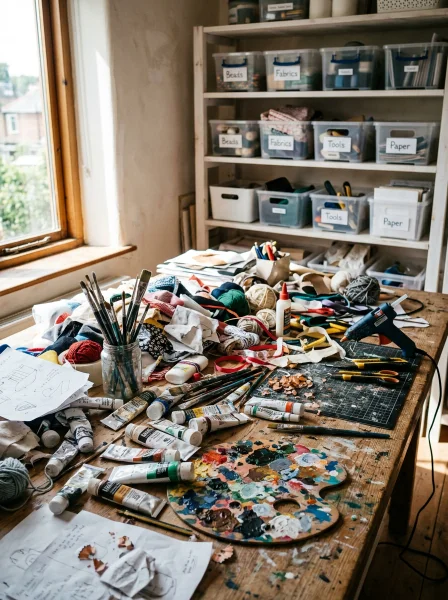
Crafting on your kitchen table without protection or working in dim lighting creates unnecessary problems. Workspace preparation directly impacts your project quality and enjoyment. Set up a dedicated area with adequate lighting positioned to eliminate shadows on your work surface.
Natural light works best, but a bright desk lamp provides excellent alternatives. Organize your supplies within arm’s reach before starting. Searching for materials mid-project breaks your concentration and increases the chance of mistakes.
7. Giving Up After One Failure

- Growth mindset
- Project journal
- Leftover materials for practice
- Online crafting community access
One unsuccessful project does not define your crafting ability. Every skilled crafter has a collection of failed attempts that taught valuable lessons along the way. Document what went wrong and analyze the reasons without judgment.
Was it rushed drying time? Wrong tool choice? Unclear instructions?
Identifying the cause prevents repeating the same mistake. Turn failed projects into learning opportunities by practicing specific techniques on scraps. When you feel ready for meaningful projects, consider creating DIY handmade gifts for loved ones who will appreciate your effort regardless of perfection.
These handmade gift craft ideas offer forgiving projects perfect for rebuilding confidence.
Understanding these 7 mistakes beginner crafters make transforms your creative journey from frustrating to fulfilling. Each mistake represents an opportunity to improve your skills and produce better results. Grab your supplies and start creating with newfound confidence!
Share your favorite tips and experiences in the comments below. Rate this post if you found it helpful!