Herb Garden Ideas: 10 Easy DIY Container Setups
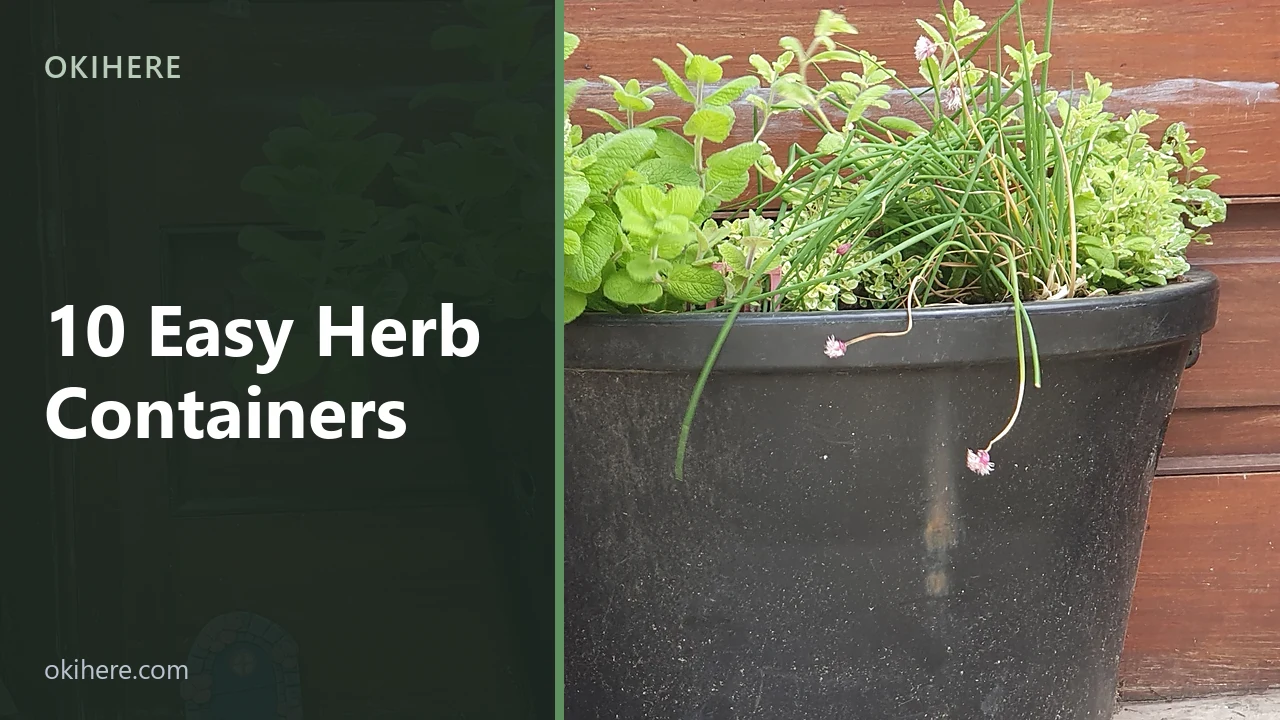
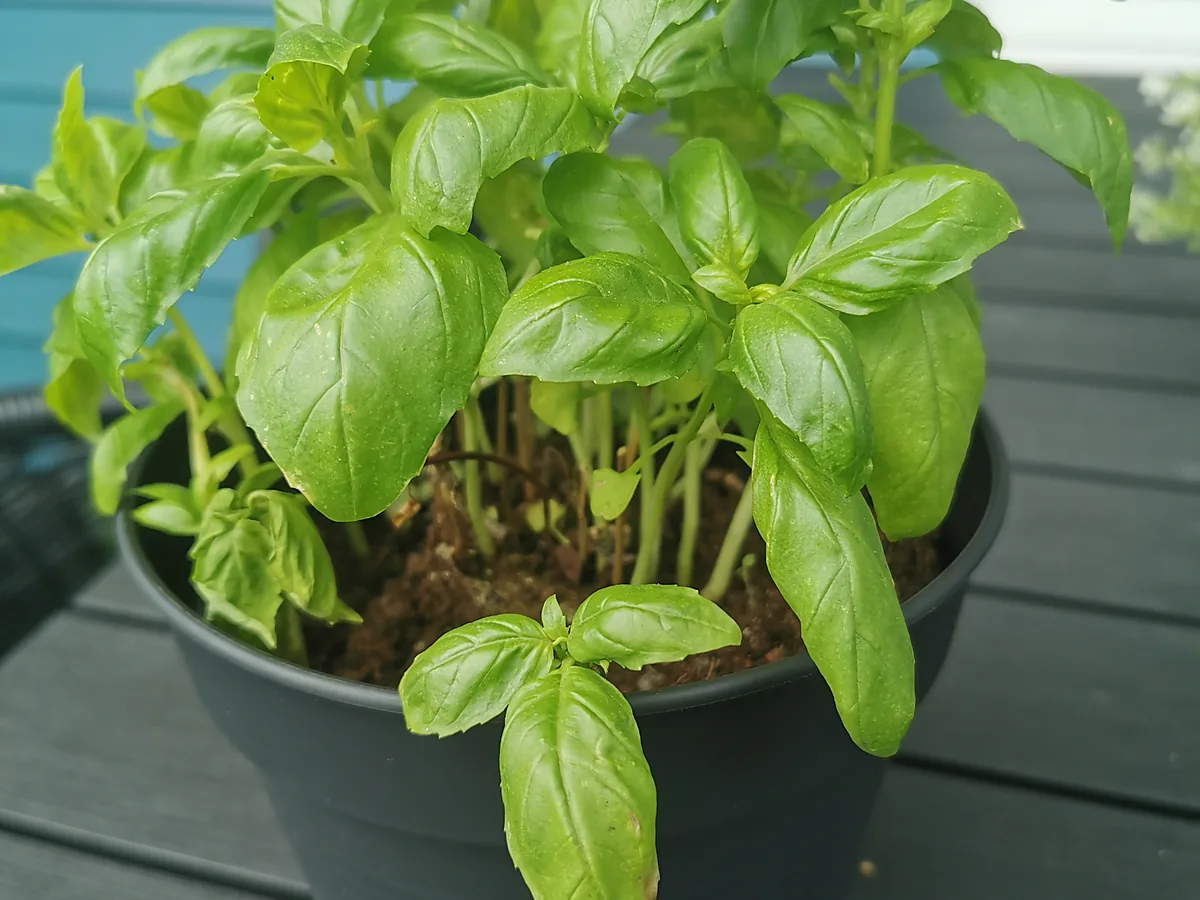
Have you ever picked up a lush pot of basil at the supermarket, carried it home feeling rather pleased, and watched it turn into bare stems within about ten days? You are not alone. Those pots look like healthy plants, and almost nobody is told that they were never meant to live past the weekend.
Herb garden ideas usually start with the container, which is the fun part. But containers are not what decides whether the plants survive. Light, drainage, and how crowded the roots are decide that, and all three are fixable in an afternoon.
This guide covers a five-step method for potting herbs so they keep growing, ten container setups for a windowsill or a doorstep, and a plain account of what usually goes wrong indoors.
Quick summary
- Shop-bought herb pots hold dozens of seedlings crammed together, so dividing them is the single biggest fix.
- Six hours of direct sun beats any clever container; a dim corner produces pale, leggy stems instead.
- Every container needs a hole at the bottom, because standing water rots herb roots within days.
- Mint spreads aggressively through a shared container and belongs in a pot of its own, away from everything else.
- Coriander finishes its life cycle and dies; sowing a fresh batch monthly works better than nursing one.
- Pinching the growing tips often keeps a plant bushy, while stripping whole stems leaves it bare.
Quick answer: Grow herbs in any container that drains, filled with ordinary potting mix, and put it in the brightest spot you have. Split supermarket pots into two or three clumps before planting, water when the top inch feels dry, and harvest by pinching tips rather than cutting stems to the base.
What Makes a Herb Container Work
A herb in a pot lives on a very small budget of soil, light, and water. Balance those three and almost any container will do. Ignore one and the prettiest planter on the shelf still ends up holding sticks.
Light Matters More Than Anything Else
Most culinary herbs are Mediterranean plants that evolved in full sun. Basil, rosemary, thyme, oregano, and sage all want roughly six hours of direct light. A south-facing sill delivers that in summer. A north-facing one does not, in any season.
Parsley, chives, mint, and lemon balm are more forgiving and keep going in bright indirect light, which makes them the sensible choice for a kitchen that never gets strong sun.
Drainage Is Not Optional
Herb roots sit in a shallow layer of soil and need air around them. In a container with no hole, water collects at the bottom and the roots sitting in it rot, usually before anything above the soil looks wrong.
If a container you love has no hole, drill one: ceramic takes a masonry bit, tins take a nail, plastic takes almost anything. That is the thinking behind these unexpected planter materials.
Room for the Roots
A single herb wants a pot about six inches across and six inches deep. Chives and thyme will accept less, while mint, parsley, and anything you plan to harvest heavily want more. Too small and the plant dries out hourly; far too large and the unused soil stays wet.
What to Gather Before You Plant
- Containers with drainage holes. Roughly six inches across for one plant, wider for a mixed trough.
- Ordinary potting mix. Herbs are not fussy. Avoid garden soil, which compacts in a pot.
- A handful of grit or perlite. Useful for rosemary, thyme, and sage, which resent damp soil.
- Saucers. Emptying them stops the pot standing in water.
- Small scissors. Clean cuts heal faster than torn stems.
- Labels. Seedlings of parsley and coriander look nearly identical for the first month.
A chipped mug, a food tin, a lined wooden crate, or a colander all work once drainage exists, which is why herbs suit a beginner garden project so well.
How to Plant a Herb Container
These five steps apply whether you are starting from a supermarket pot, a nursery plant, or seed.
Step 1: Divide What You Bought
Tip the plant out and look at the roots. A supermarket pot usually holds twenty or more seedlings packed shoulder to shoulder, grown fast for a single harvest. Gently pull the clump into two or three sections, each with roots attached, and plant them separately.
It feels brutal the first time, and it is the difference between a pot that lasts two weeks and one that lasts months: the seedlings stop competing for the same thimbleful of soil.
Step 2: Fill Loosely
Add potting mix to about two-thirds of the container without pressing it down, since compacted mix holds water and squeezes out the air roots need. For woody herbs, stir grit through it first.
Step 3: Set the Plant at the Same Depth
Set each division so the soil surface sits where it did before, roughly an inch below the rim. Burying the stems invites rot; planting too high leaves roots exposed.
Step 4: Backfill and Firm Lightly
Work mix around the roots and press just enough to hold the plant upright, leaving that inch at the top so watering does not spill over the edge.
Step 5: Water Once, Then Wait
Water until it runs from the hole, empty the saucer, and then leave it alone until the top inch feels dry. Newly divided roots recover faster in slightly dry soil than in soil kept constantly wet.
10 Easy Herb Container Ideas
1. The Single-Herb Pot
One plant, one six-inch pot. Unglamorous and the most reliable setup there is, because each herb gets exactly the water it wants. Three or four lined along a sill look better than one crowded trough.
2. The Windowsill Trough
A long narrow planter holding three or four plants with matching needs. Thyme, oregano, and sage belong together; mint and basil do not. Measure the sill first, since most troughs are deeper than they look.
3. Tin Cans With Holes Punched In
Large food tins, washed, with nail holes punched in the base. Chives and parsley suit the narrow shape. Metal heats up in strong sun, so these do better on a shaded sill.
4. The Hanging Herb Pot
Trailing herbs such as oregano and creeping thyme look far better raised. A macrame plant hanger puts them at eye level near a window and frees the counter below.
5. A Tiered Stand by the Door
Stacked shelves hold six to eight small pots in the footprint of one, which matters when counter space is already tight. Sun-lovers go on top where nothing shades them, parsley and mint below.
6. The Repurposed Colander
Drainage already built in. Line it with coffee filters or hessian so the mix stays put, then plant a mixed clump. It dries quickly, which suits thyme and rosemary.
7. The Teacup Row
Small, charming, and genuinely limited. Teacups hold so little soil that only chives and thyme cope, and even those need watering every other day.
8. The Wooden Crate Garden
A crate lined with perforated plastic becomes a deep trough big enough for four or five plants. It suits a balcony or a step, and sits comfortably alongside other small outdoor space projects.
9. The Doorstep Tub
One large pot holding a permanent mix of hardy perennials: thyme, oregano, chives, and marjoram. Planted once and left outdoors year-round in a mild climate, it needs almost nothing beyond a trim.
10. The Water Glass
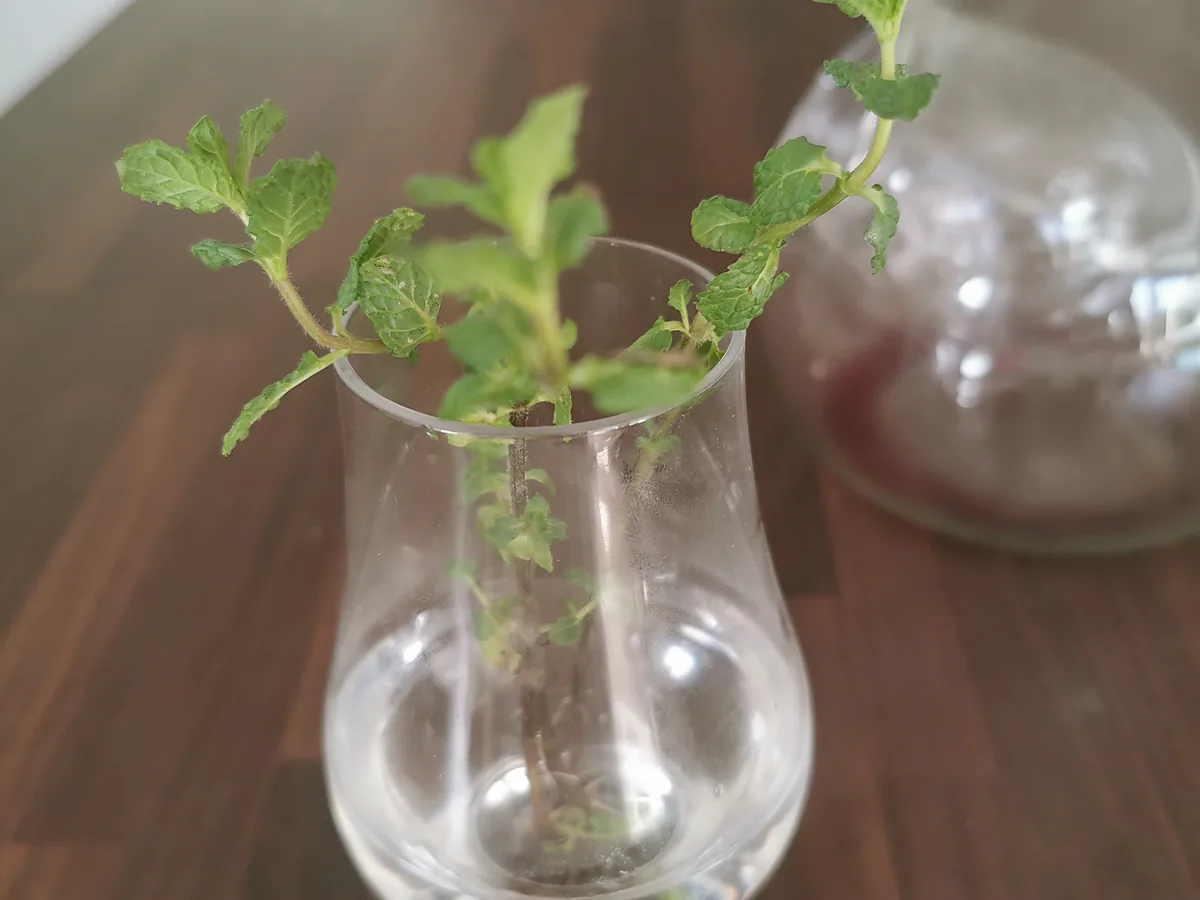
Not a container exactly, but the cheapest herb supply there is: mint, basil, and lemon balm cuttings root in plain water on a sill within a fortnight. An open glass is the point here, since herbs rot in the sealed humidity a closed terrarium is built for.
What Actually Kills Potted Herbs
Herbs rarely fail for mysterious reasons. Five explanations cover nearly everything, and none is about talent.
The Pot Was Never Meant to Survive
Supermarket herbs are grown at high density, sold at peak size, and expected to be eaten within days. Keeping one alive on the sill without dividing it works against the way it was produced.
Not Enough Light, Mistaken for Thirst
A herb in a dim spot grows tall, thin, and pale with wide gaps between the leaves. That is a light problem, and watering more makes it worse. The same stretching happens to succulents in low light, though those want the opposite watering routine entirely.
Coriander Was Doing What Coriander Does
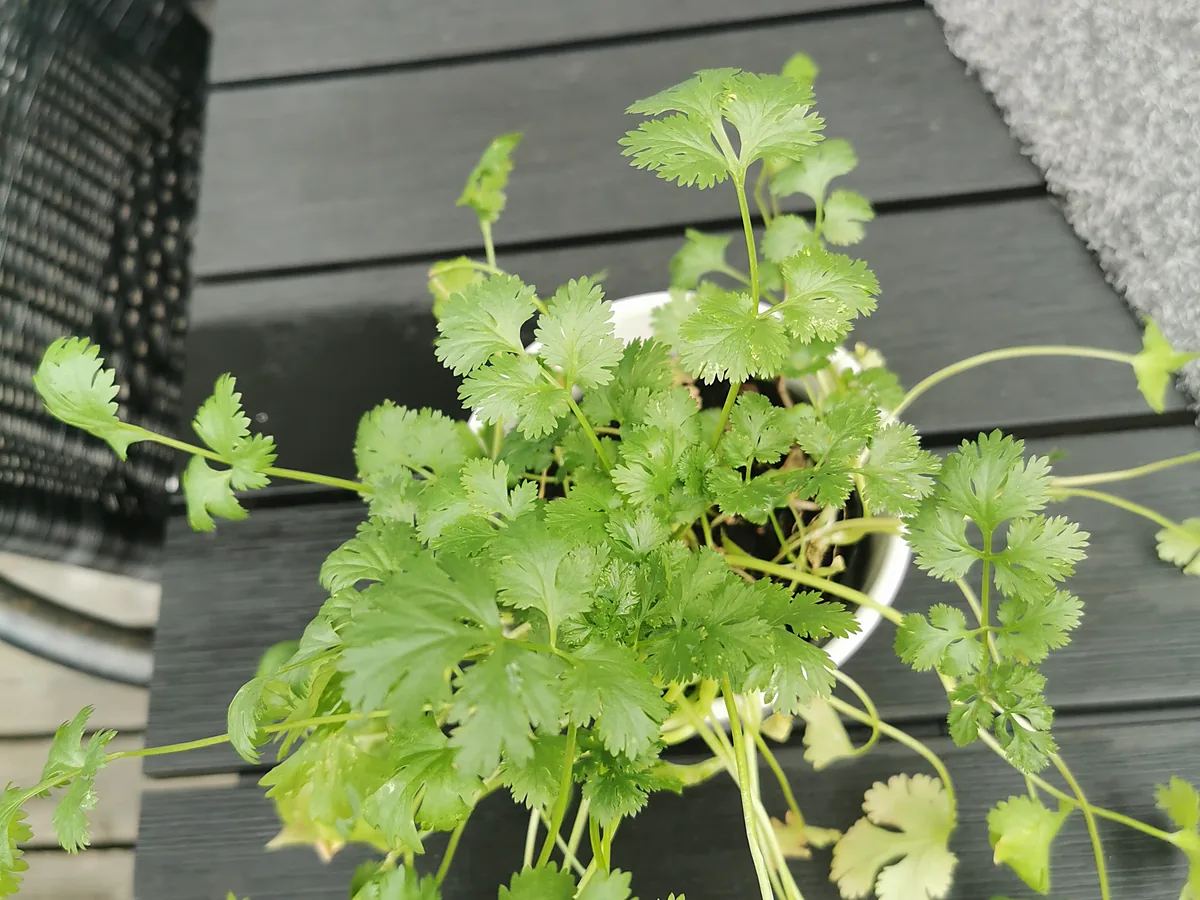
Coriander is an annual that runs to seed quickly when warm or stressed. Once a flower stalk appears the leaves turn feathery and the flavour fades, and no amount of care reverses it. Sow a small batch every few weeks instead.
Mint Was Planted With Company
Mint sends out runners and colonises a shared container within a season, strangling whatever sits beside it. Not a difficult plant, just an unneighbourly one.
Wet Feet, Not Drought
Rosemary, thyme, and sage die of soggy roots far more often than thirst. Indoors the soil dries slowly, so check the top inch with a finger and water only when it is dry.
Growing More From What You Have
Most soft-stemmed herbs root in water, so one supermarket pot can become a windowsill full of plants. Cut a four-inch piece below a leaf joint, strip the lower leaves, and stand it in a clear glass.
Roots usually appear within two weeks. Change the water every few days and pot the cutting once they reach an inch. Mint, basil, lemon balm, and sage take readily; rosemary and thyme do better in damp compost.
Harvesting So the Plant Keeps Going
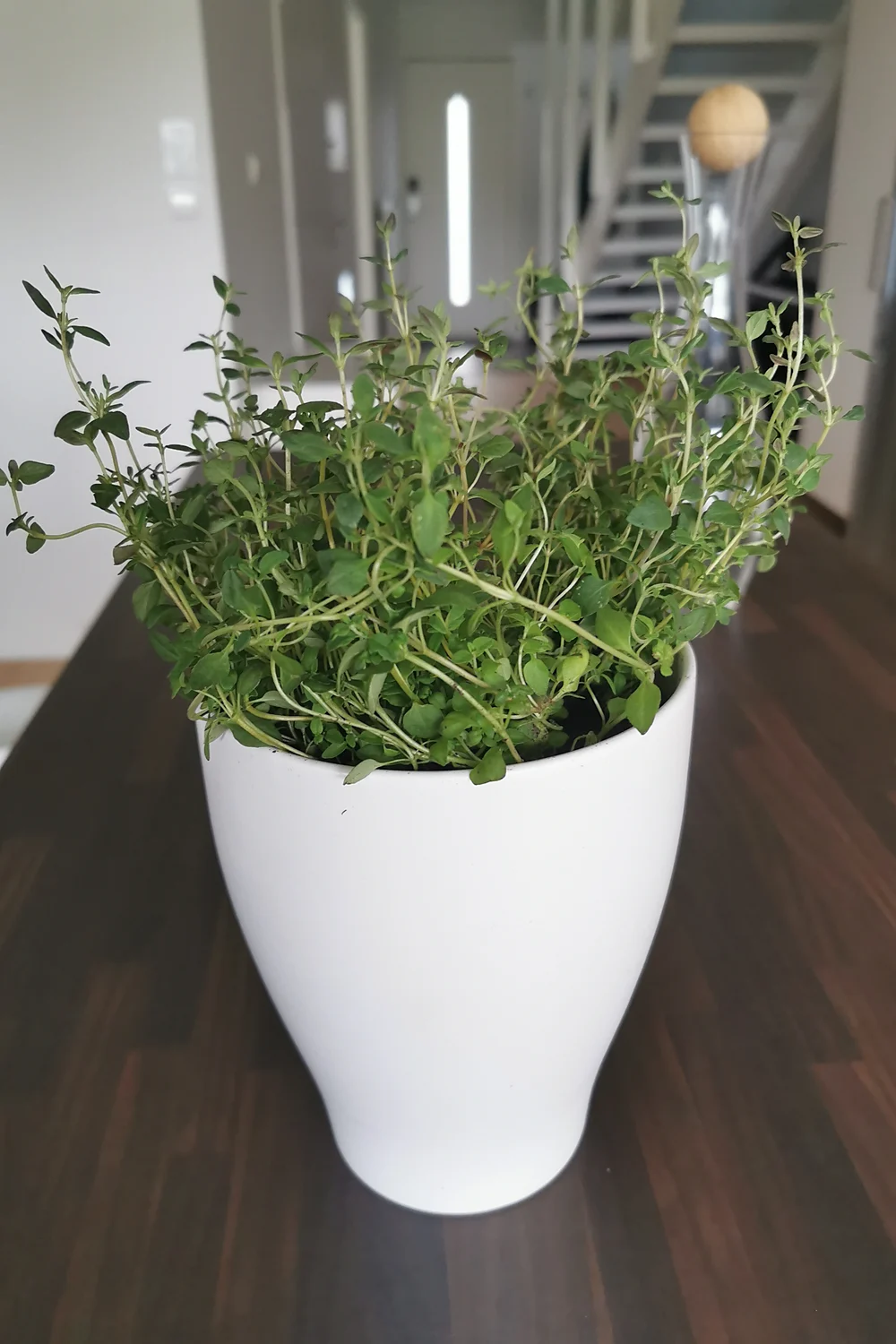
How you pick matters as much as how you water. Pinch out the top pair of leaves on each stem and the plant branches below the cut, growing bushier every time. Strip the stems from the bottom and it grows taller and barer.
Take no more than a third of a plant at once, and harvest regularly rather than saving it up. Basil in particular needs its flower buds pinched off, because once it flowers the leaves turn bitter and growth slows.
A pot picked from twice a week stays compact for months. One admired and never touched grows leggy and sets seed, the plant quietly deciding its job is finished.
Conclusion
A herb container is an honest project: the plant tells you within a fortnight whether the light and drainage were right. Start with one pot, one herb, and the best window you have.
Divide what you buy, let the soil dry between waterings, and pick often enough that the plant keeps branching. Once that rhythm works, add a second pot, then a trough.
If the indoor sills are full, the same plants are happy outside in a crate or a tub, and they sit neatly alongside a raised bed project or a patio refresh when the weather turns.
Frequently Asked Questions
Can herbs grow indoors all year?
Parsley, chives, and mint will, given a bright sill. Basil struggles through winter in most homes because the light is too weak and the air too cool, so treat it as a summer plant or add a grow light.
How often should potted herbs be watered?
When the top inch of soil feels dry, not on a schedule. That might mean daily in a small sunny pot and weekly in a large one indoors.
Why did the supermarket basil die so fast?
It was grown as a crop rather than a houseplant: dozens of seedlings in one small pot, forced quickly and sold at their peak. Splitting the clump when you get home is what gives it a future.
Do herbs need special potting soil?
Ordinary potting mix is fine for most. Rosemary, thyme, sage, and oregano prefer grit or perlite stirred through it, since they come from dry, stony ground.
Which herbs can share one container?
Group by what they want, not by what you cook with. Thyme, oregano, sage, and rosemary like sun and dry soil and share happily. Parsley, chives, and basil prefer steadier moisture. Mint goes alone.
Featured image: Mutney / Wikimedia Commons, CC BY-SA 4.0, title text added by OKI HERE.