Handmade Home Decor Trends 2026 (What Is Actually In)

Have you ever walked into someone’s home and instantly felt like their space had a soul? That warm, layered, one-of-a-kind feeling almost always comes from handmade touches — not anything you’d find mass-produced at a big-box store. If you’ve been wondering what the Handmade Home Decor Trends to Try in 2026 actually look like in real life (not just on Pinterest boards), you’re in the right place.
This guide breaks down the styles that are genuinely gaining momentum, the materials worth investing in, and the creative directions that real decorators and makers are leaning into. Whether you’re a seasoned crafter or just getting started, you’ll walk away with clear, actionable ideas you can actually try.
Why Handmade Home Decor Is Having a Major Moment in 2026
The shift toward handmade and artisan decor isn’t just a trend — it’s a reaction. People are tired of sterile, identical interiors that look like they belong in a furniture catalog. In 2026, the design conversation is firmly about authenticity, texture, and personal expression.
Google Trends data shows a consistent rise in searches for DIY home projects and handcrafted decor over the past three years. That appetite isn’t slowing down. Consumers are prioritizing pieces with stories — things they made themselves or sourced from independent makers.
The best part? You don’t need a studio or expensive supplies to get started. Many of the hottest looks this year can be achieved on a budget.
In fact, exploring dollar store crafts ideas that look expensive is one of the smartest ways to nail the 2026 aesthetic without overspending.
Top Handmade Home Decor Trends to Try in 2026

Let’s get into the specific directions that are dominating interiors right now. These aren’t fleeting micro-trends — they’re rooted in broader lifestyle shifts toward sustainability, slow living, and creative ownership.
1. Organic Texture Everything

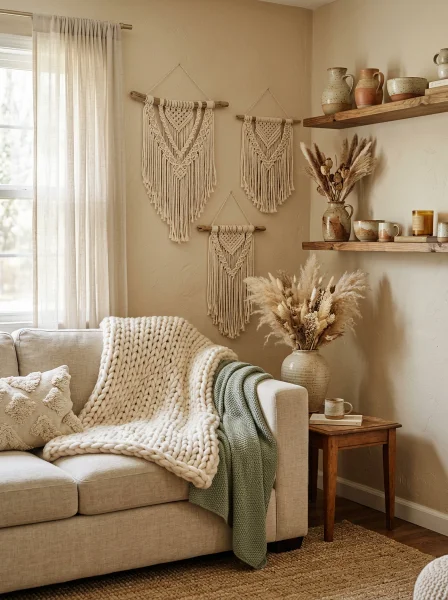
Rough linen, chunky knit throws, uneven clay vessels, raw wood edges — tactile, imperfect textures are absolutely everywhere in 2026. The handmade quality is the point, not a flaw. Think wabi-sabi meets modern organic.
If you want to start here, try making your own textured wall art using plaster, joint compound, or air-dry clay on a canvas. It takes an afternoon and costs almost nothing. You can also layer chunky knit elements through blankets or pillow covers — beginner-friendly and incredibly cozy.
2. Woven and Macramé Wall Art — Reimagined
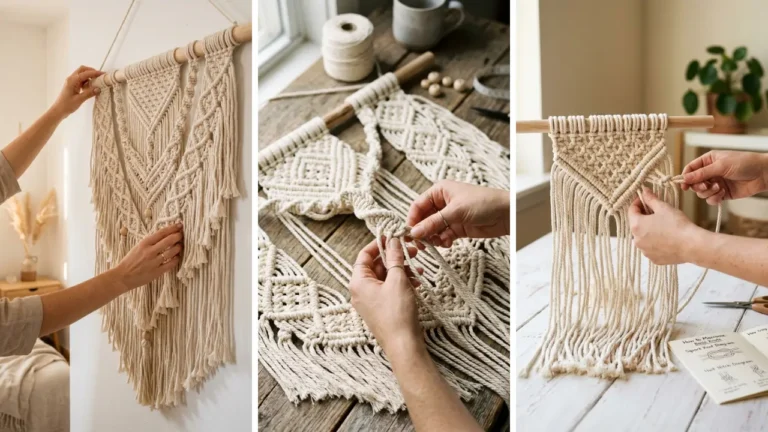
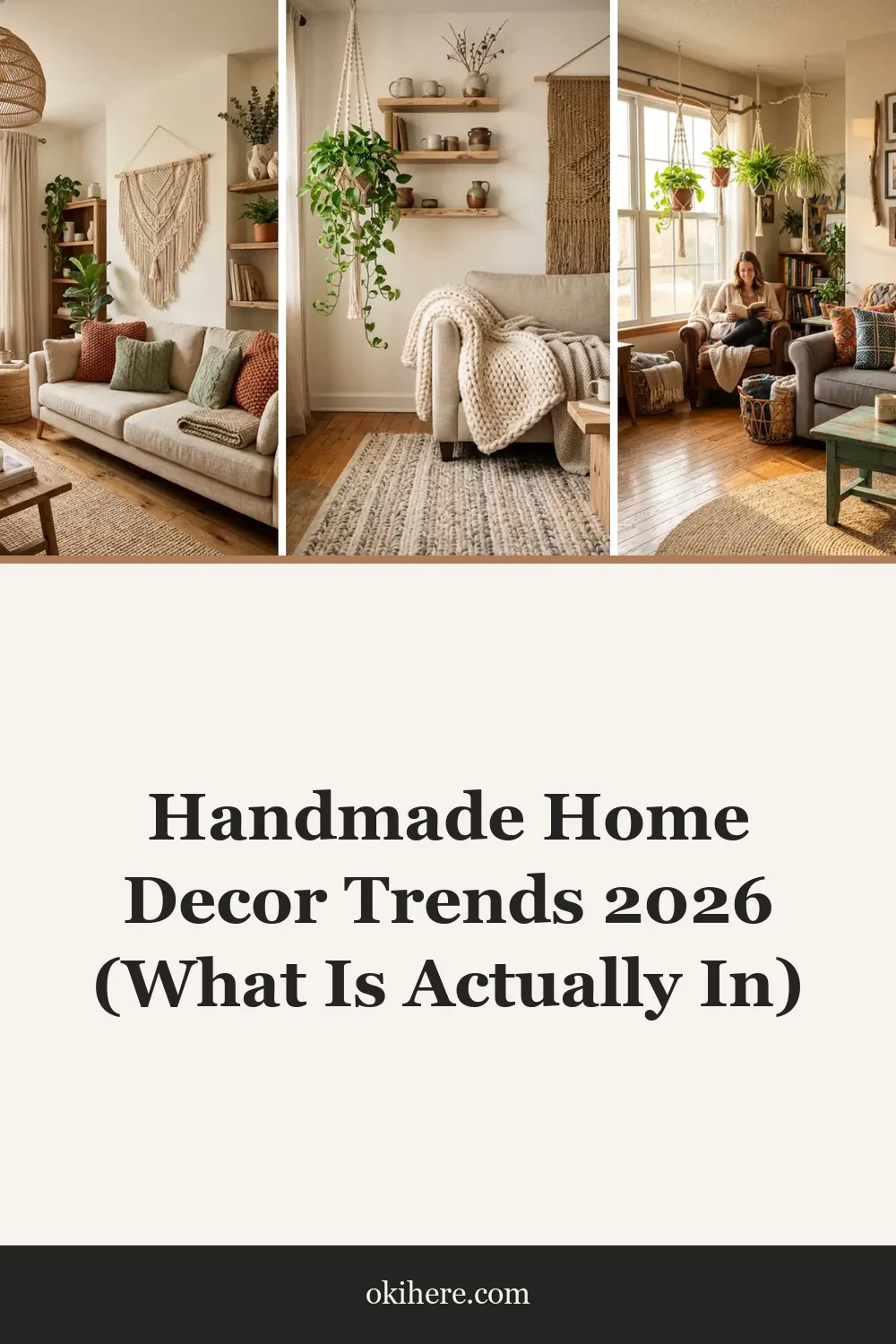
Macramé never fully left, but in 2026 it’s evolved. Instead of the boho fringe-heavy look, people are creating more sculptural, abstract woven pieces — think geometric shapes, negative space, and natural dyes in earthy tones like terracotta, sage, and raw cream. Woven art is one of the most rewarding fun crafts to make at home, especially if you’re starting without experience.
A basic weaving frame costs under $20 and opens up a world of possibilities.
3. Hand-Painted Ceramics and Functional Art

Ceramics are having their biggest moment yet. But the 2026 version isn’t about perfectly glazed store-bought pottery — it’s about handpainted, slightly irregular pieces that show the human hand behind them. Mugs, vases, trays, and bowls with brush-stroke patterns or abstract designs are everywhere.
You don’t need a kiln. Air-dry clay and ceramic paint are widely available and beginner-friendly. This is a great crossover between functional home decor and DIY handmade gifts — a painted mug set or personalized bowl makes a stunning present.
4. Natural Material Installations
Dried botanicals, pampas grass, preserved eucalyptus, and even foraged branches are being used in bold, installation-style arrangements. The key in 2026 is going bigger and more intentional — not a small vase of dried flowers, but a dramatic corner arrangement or a hanging botanical mobile. This trend is also incredibly budget-friendly.
Dried plants last for years and require zero maintenance. If you want structured guidance on getting started, browsing home craft projects quick ideas can point you to fast wins that look incredibly polished.
5. Handmade Lighting and Lampshades
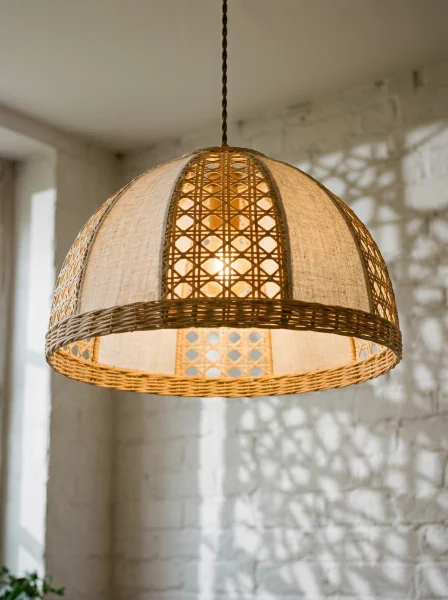
Custom lighting is one of the most underrated areas of handmade decor. In 2026, DIY lampshades — made from rice paper, rattan, fabric scraps, or even dried leaves — are showing up in design-forward homes everywhere. Ambient, warm lighting paired with a handmade shade completely transforms a room’s mood.
You can repurpose an existing lamp base and simply replace the shade with a handmade version. It’s a high-impact, low-cost upgrade that feels genuinely custom.
6. Upcycled and Repurposed Statement Pieces
Sustainability is no longer optional in 2026 design culture — it’s expected. Repurposing old furniture, thrifted frames, salvaged wood, and vintage textiles into statement decor pieces is both on-trend and environmentally responsible. The creative challenge here is what makes it exciting.
A beat-up wooden crate becomes a side table. Old fabric scraps become a patchwork wall hanging. If you need inspiration for starting small, looking into handmade gift craft ideas often sparks decor ideas that translate beautifully into home styling.
Materials That Are Trending in Handmade Decor for 2026

Beyond the specific decor types, certain materials are defining the 2026 handmade aesthetic. Knowing these helps you shop smarter and design more cohesively.
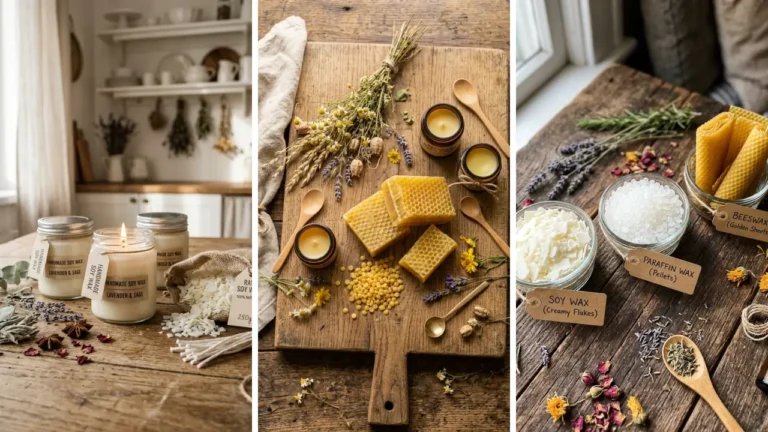
- Beeswax and soy-based candles — handpoured with botanicals or sculptural shapes
- Raw linen and unbleached cotton — for anything textile-based
- Reclaimed wood and driftwood — for shelves, frames, or sculptural elements
- Air-dry and oven-bake clay — for vessels, ornaments, and wall hangings
- Natural rope, jute, and seagrass — for weaving, wrapping, and structural decor
These materials share a common quality: they look better with age and imperfection. That’s the soul of handmade — it’s supposed to show human involvement.
How to Start Without Feeling Overwhelmed

One of the biggest barriers people face is not knowing where to begin. Here’s a practical approach that actually works. Start with one room and one material.
Don’t try to overhaul everything at once. Pick your living room and decide you’ll add one handmade textile element — a woven pillow cover or a macramé wall piece. Get comfortable with that before expanding.
Next, batch your projects. Set aside a weekend afternoon and make two or three small things at once — it’s more efficient and keeps creative momentum going. You’d be surprised how quickly a space transforms when you add even three or four handmade elements.
Finally, think in layers. Handmade decor works best when it’s layered with other textures and materials. A handpainted ceramic vase looks even better next to a linen throw and a wooden tray.
The combination is what creates that designer feel.
Wrapping Up: Make 2026 the Year Your Home Feels Like You
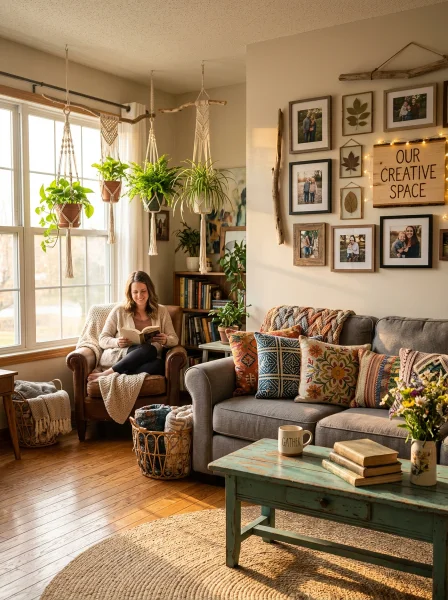
The Handmade Home Decor Trends to Try in 2026 all point in the same direction: toward intentionality, warmth, and individuality. Whether you’re drawn to woven wall art, hand-painted ceramics, or dramatic botanical installations, the through-line is the same — your home should feel like it was made for you, by someone who cared. The good news is that getting started doesn’t require a big budget or advanced skills.
Most of the trends covered here are beginner-accessible and deeply satisfying to create. The more you make, the more your space will develop a distinct personality that no store shelf can replicate. So pick one trend, grab your materials, and start this weekend.
Your future self — sitting in a beautifully layered, handmade home — will thank you. Ready to dive in? Share which handmade decor trend you’re most excited to try in the comments below.
And if you found this helpful, pass it along to a friend who’s been looking to refresh their space — they’ll appreciate the nudge.
Frequently Asked Questions
Q: What are the best Handmade Home Decor Trends to Try in 2026 for beginners? A: If you’re just starting out, woven wall art and hand-painted ceramics using air-dry clay are excellent entry points. Both require minimal tools, are budget-friendly, and produce results that look genuinely impressive.
Dried botanical arrangements are another great beginner option since they require no crafting skills at all — just an eye for composition. Q: How can I make my handmade home decor look professional and polished? A: The key is cohesion — stick to a consistent color palette and two or three complementary materials throughout your space.
Natural tones like cream, terracotta, sage, and warm brown work beautifully together. Also, investing in quality framing or display (a nice wooden shelf, a clean wall hook) makes handmade pieces look intentional and elevated. Q: Are handmade home decor trends in 2026 expensive to follow?
A: Not at all. Many of the biggest trends this year — dried botanicals, macramé, upcycled furniture — are among the most affordable craft directions you can take. You can build a stunning handmade decor collection for well under $100 if you shop smart and repurpose what you already have at home.
Q: Can handmade decor items also work as gifts? A: Absolutely — in fact, many of the decor pieces trending in 2026 double beautifully as thoughtful presents. Hand-painted ceramics, custom candles, and woven textile pieces are especially popular as gifts because they feel personal and luxurious.
If you’re interested in this overlap, exploring dedicated resources for DIY handmade gifts can give you structured ideas that work for both your home and the people you love. Q: What materials should I stock up on if I want to follow 2026 handmade home decor trends? A: A solid starter kit would include air-dry clay, natural rope or jute twine, raw linen or cotton fabric, dried botanicals (pampas grass, eucalyptus, lavender), and basic acrylic or ceramic paint.
These materials are incredibly versatile and cover most of the major trend directions for the year — from woven art to ceramics to botanical decor.