Best Fragrance Oils for Soy Candles That Actually Smell Amazing
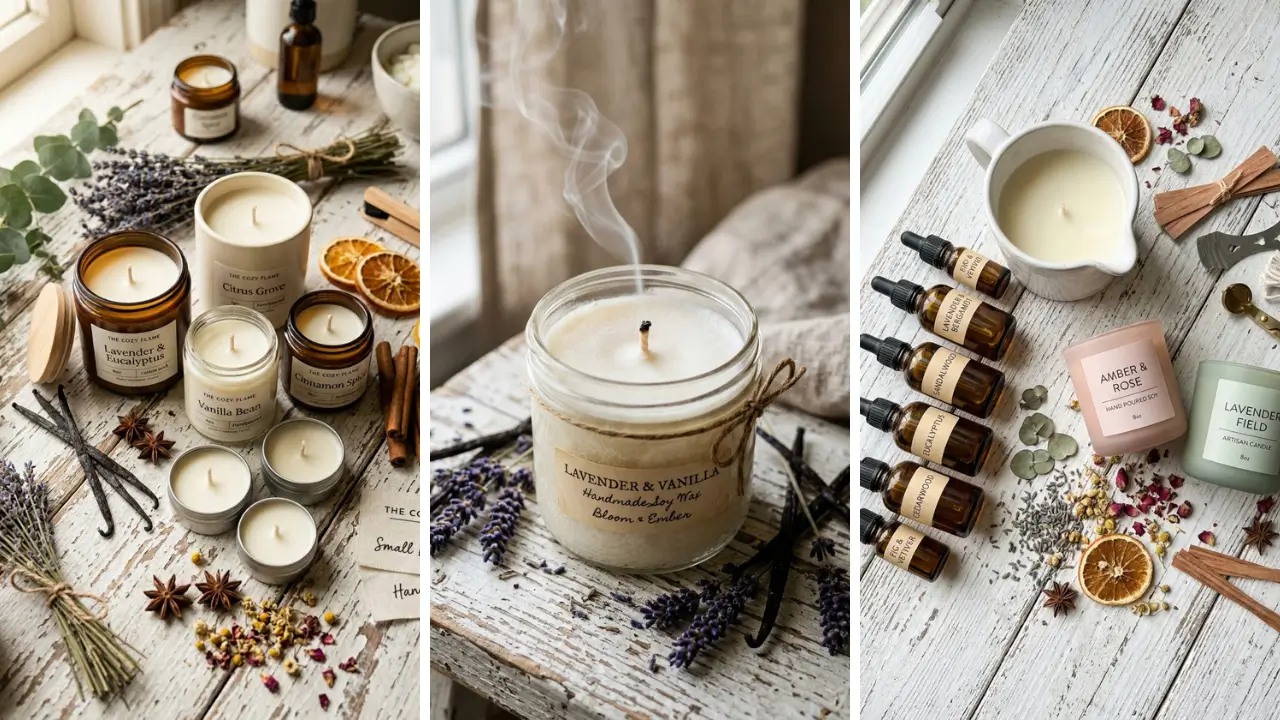
Warm, heavy scents perform best in soy wax: vanilla, cinnamon, sandalwood, mahogany teakwood and lavender all throw strongly. Choose oils with a flash point above 170°F, keep your fragrance load between 6 and 10 percent, add the oil while your wax sits at 160°F to 185°F, and cure candles at least 48 hours before you judge the throw.
The truth is, not all fragrance oils are created equal, and soy wax has some very specific needs that can make or break your scent throw. In this guide, you’ll learn exactly what to look for in a fragrance oil, which types perform best in soy wax, how to maximize scent performance, and which fragrance families are worth your time and money. Let’s dive in.
Why Soy Wax Is Picky About Fragrance Oils
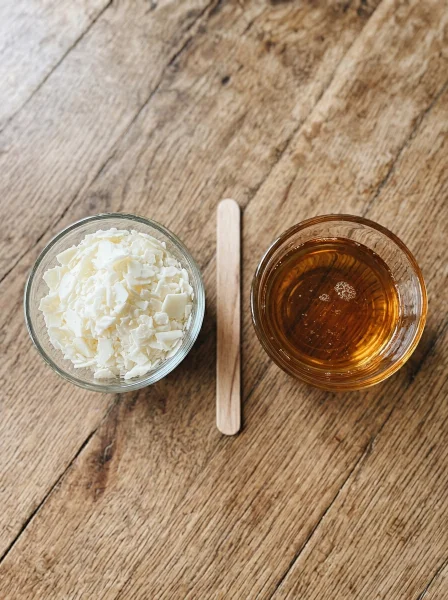
Soy wax is a natural, plant-based wax that burns cooler and slower than paraffin. That sounds like a win — and it mostly is — but it also means soy wax doesn’t always release fragrance as aggressively as other waxes. This is why choosing the right oil matters so much.
Not every fragrance oil is formulated to bind well with soy. Some oils separate from the wax, causing frosting, sweating, or a weak cold throw. The chemistry between the oil and the wax determines how much scent you’ll actually smell when the candle burns.
Flash point is one of the most important factors. For soy candles, you want fragrance oils with a flash point of at least 170°F (76°C) to ensure safety and proper scent release. Always check this spec before buying.
Another key factor is the fragrance load — the percentage of oil your wax can hold. Most soy waxes can hold between 6% and 12% fragrance oil by weight. Going over the limit won’t make your candle smell better; it just creates a fire hazard and oily residue.
Top Fragrance Categories That Perform Best in Soy Wax
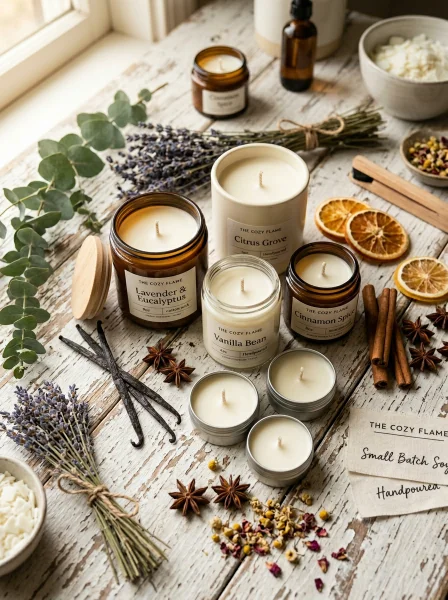
Not all scent families behave the same in soy candles. Some fragrance notes are naturally stronger and more volatile, which means they throw better even at lower concentrations. Here’s a breakdown of the top-performing categories:
Warm and Spicy Scents
Fragrances like cinnamon, clove, vanilla, and sandalwood are among the strongest performers in soy wax. Their heavy molecular weight helps them anchor into the wax and release slowly during the burn. These are crowd favorites for fall and winter candles, and they consistently produce a strong, room-filling hot throw.
Vanilla-based blends are especially popular because they blend well with almost any other note — think vanilla and amber, vanilla and coconut, or vanilla and cedarwood. These combinations feel luxurious without requiring a high fragrance load.
Fresh and Clean Scents
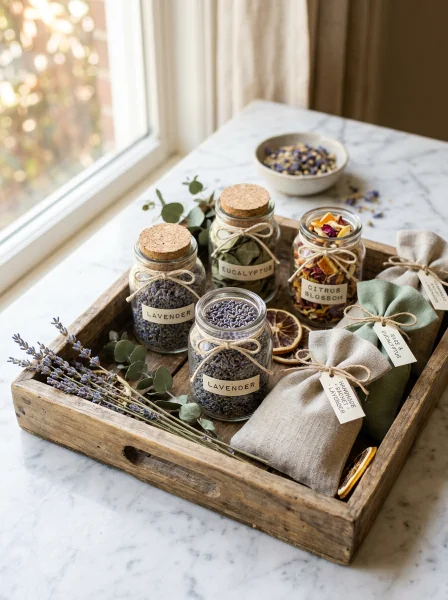
Citrus and aquatic fragrances can be trickier in soy wax because their lighter molecules evaporate faster. However, high-quality citrus blends that include anchoring base notes like musk or cedar can still perform beautifully. Look for oils specifically formulated for soy wax when shopping in this category.
Eucalyptus, linen, and sea salt blends tend to do well if they’re blended with a heavier base. On their own, ultra-light florals or citrus-only oils can fade quickly — especially in a room with good air circulation.
Floral Scents
Florals like lavender, jasmine, and rose vary widely in quality. Lavender is a top performer and one of the most consistently strong fragrance oils for soy candles. Jasmine and rose can be hit or miss — they often need a base note (like musk or sandalwood) to anchor them into the wax properly.
When shopping for floral oils, always read reviews from other candle makers. Scent performance in soy wax is a real talking point in the candle-making community, and user feedback is gold.
What to Look for When Buying Fragrance Oils for Soy Candles
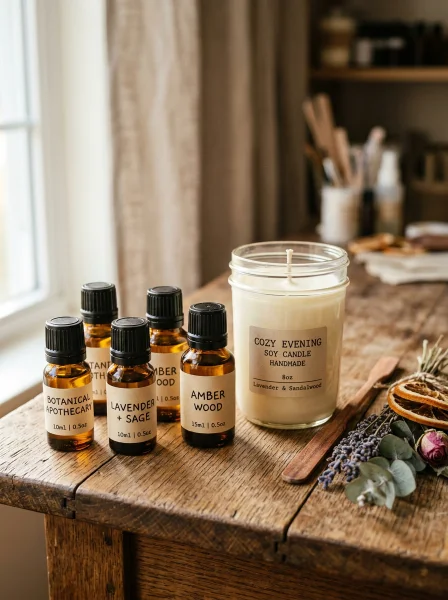
With hundreds of brands and thousands of scents available, it’s easy to feel overwhelmed. Here’s a practical checklist to help you choose the best fragrance oils for soy candles that actually smell amazing:
- Soy-compatible labeling: Look for oils specifically tested and rated for use in soy wax.
- Flash point above 170°F: This ensures safety and proper burn performance.
- Phthalate-free formulas: These are safer for indoor use and increasingly preferred by conscious consumers.
- Third-party reviews: Real candle makers’ reviews from platforms like Brambleberry, Lone Star Candle Supply, or CandleScience are invaluable.
- Sample sizes available: Always test before committing to large quantities.
Testing is non-negotiable. Even the best-reviewed fragrance oil may behave differently depending on your specific soy wax blend, wick size, and container. Always do a proper cure test — letting candles cure for at least 48–72 hours before evaluating scent throw.
Best Fragrance Oils for Soy Candles: Top Picks by Scent Profile
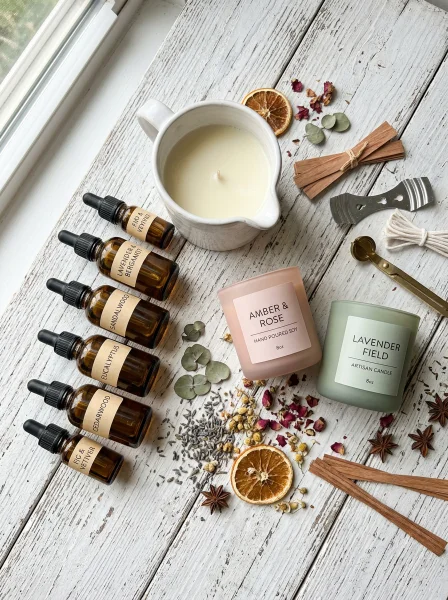
Here are some specific fragrance oil types — organized by scent profile — that candle makers consistently rave about for soy performance:
Best Warm Scents
- Mahogany Teakwood type: A bestseller in the candle world for good reason — deep, woody, masculine, and throws incredibly well in soy.
- Spiced Cider: Perfect for fall, this blend of apple, cinnamon, and clove has excellent hot and cold throw.
- Black Coconut: A moody, tropical-warm blend that performs beautifully in natural waxes.
Best Fresh Scents
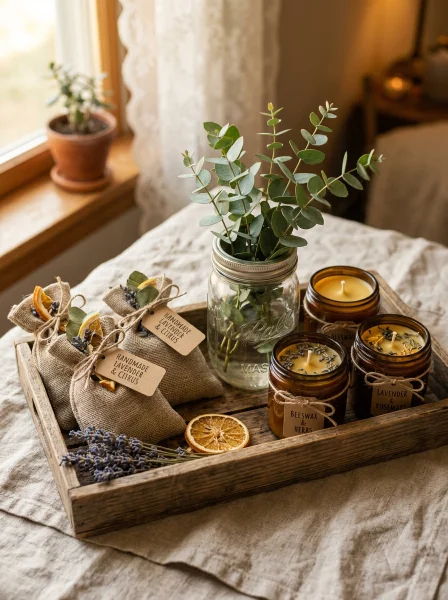
- Eucalyptus Spearmint: Clean, spa-like, and surprisingly strong for a fresh scent.
- Sea Salt and Orchid: Lighter but dreamy when formulated with anchoring base notes.
- Lemon Verbena: Bright and crisp with better staying power than pure citrus oils.
Best Floral Scents
- Lavender and Chamomile: Calming and strong — one of the best florals for soy wax.
- Peony and Blush: Feminine and lush, works well with a musky base.
- Gardenia: Rich and heady when the formula includes sandalwood undertones.
How to Maximize Scent Throw in Soy Candles
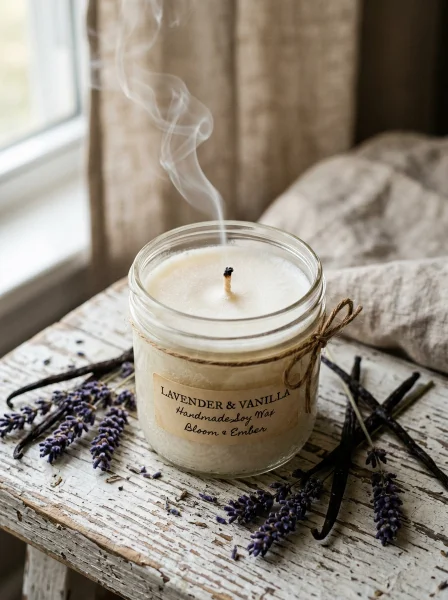
Even with the best fragrance oils, your technique matters. Here are proven tips to get the most out of your scent throw: Add fragrance at the right temperature. For most soy waxes, the ideal fragrance addition temperature is between 160°F and 185°F.
Adding oil too hot burns off the lighter notes; too cool and it won’t bind properly. Stir slowly and thoroughly. Mix your fragrance oil into the melted wax for a full 2 minutes.
This ensures even distribution and prevents hot spots that can affect both safety and scent performance. Let your candles cure. Soy wax needs time to crystallize properly after pouring.
A minimum cure time of 48 hours is recommended, but 1–2 weeks produces noticeably better scent throw. This is the most underrated step in candle making. Choose the right wick.
A wick that’s too small won’t create a full melt pool, which limits your hot throw. A wick that’s too large burns too fast and can cause sooting. Wick testing is just as important as fragrance oil selection.
Soy Candles as Gifts and Creative Projects
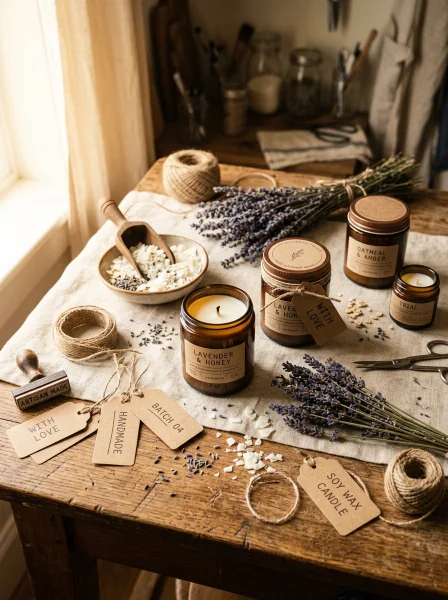
Once you’ve nailed your fragrance formula, soy candles become one of the most satisfying DIY handmade gifts you can make. They’re personal, practical, and people genuinely love receiving them. A beautifully scented candle in a simple jar with a handwritten label feels luxurious without costing a fortune.
Candle making also fits perfectly into a broader world of fun crafts to make at home — especially on weekends when you want a creative project that produces something useful and impressive. It’s one of those hobbies that scales beautifully: start with a single pour kit and grow into a full production setup. Looking for more inspiration?
There’s a wealth of home craft projects quick ideas that pair naturally with candle making — think wax melts, room sprays, and scented sachets that use the same fragrance oils. You can build out a whole aromatic collection from a single batch of supplies. If you’re working on a budget, you’d be surprised how far a little creativity goes.
Some of the most beautiful candle setups start with containers and décor from unexpected places — similar to how dollar store crafts ideas can look surprisingly high-end with the right touches. A simple amber jar, a kraft paper label, and a great fragrance oil can produce a product that looks boutique and smells incredible. Whether you’re making candles to give away or sell, thinking about handmade gift craft ideas can help you package and present your candles in a way that feels extra special and intentional.
Conclusion: Finding the Best Fragrance Oils for Your Soy Candles
At the end of the day, discovering the best fragrance oils for soy candles that actually smell amazing comes down to three things: choosing oils specifically formulated for soy wax, understanding your fragrance load limits, and testing obsessively before scaling up. There’s no shortcut here — but there’s also nothing more satisfying than finally nailing a scent that fills a room and stops people in their tracks. Start with warm or floral fragrance families if you’re new to soy candle making.
They’re the most forgiving and consistently produce strong results. As you grow your skills, you can experiment with lighter, more delicate scent profiles and layering techniques. Remember: great candles aren’t just about the fragrance.
The wax, wick, temperature, and cure time all play equally important roles. Treat every batch as a learning opportunity, and you’ll keep improving with each pour. Ready to start your candle-making journey?
Pick one fragrance oil that excites you, grab a small soy wax kit, and make your first test candle this weekend. Your nose — and everyone around you — will thank you for it. Did this guide help you?
Drop a comment below with your favorite fragrance oil for soy candles, or share this post with a fellow candle enthusiast who’s been struggling with scent throw. We’d love to hear what blends are working for you!
Frequently Asked Questions
Q: What are the best fragrance oils for soy candles that actually smell amazing for beginners? A: Beginners should start with warm, heavy-note fragrances like vanilla, cinnamon, or mahogany teakwood. These bind well with soy wax and produce strong hot and cold throw even at lower fragrance loads.
Always choose oils labeled specifically as soy-compatible to avoid binding issues in your first batches. Q: How much fragrance oil should I use in soy wax? A: Most soy waxes perform best with a fragrance load between 6% and 10% by weight.
Going above 12% can cause the oil to seep out of the wax, creating a safety hazard and ruining the finish. Always check your specific wax manufacturer’s recommended maximum fragrance load. Q: Why does my soy candle have a weak scent throw even with good fragrance oil?
A: Weak scent throw is usually caused by one of three things: adding fragrance oil at the wrong temperature, not curing the candle long enough, or using the wrong wick size. Soy candles need at least 48–72 hours to cure, and ideally 1–2 weeks for the best scent performance. Wick size also dramatically affects how well your candle diffuses fragrance when burning.
Q: Are phthalate-free fragrance oils better for soy candles? A: Phthalate-free oils are a safer choice for indoor use and are increasingly preferred by health-conscious consumers. They perform just as well as traditional fragrance oils in soy wax, and many top candle supply brands now offer entire phthalate-free lines.
If you’re making candles to sell or give as gifts, phthalate-free is a strong selling point. Q: Can I use essential oils instead of fragrance oils in soy candles? A: You can, but essential oils generally don’t perform as well as fragrance oils in soy candles.
They have lower flash points, which means their scent burns off faster, and they typically require a higher usage rate to achieve the same throw. If you prefer a natural option, look for blended essential oil products specifically formulated for candle making, which are more stable and better suited for wax applications.