How to Choose the Right Wall Art Size Guide for Every Room
Ever hung a piece of wall art that looked perfect in the store, only to get home and realize it looks completely lost on your wall — or worse, overwhelmingly huge? You’re not alone. Knowing how to choose the right wall art size for every room is one of the most underrated decorating skills, yet it makes an enormous difference in how polished and intentional your space feels.
The right size can make a room feel balanced, cozy, and complete. The wrong size? It throws everything off.
In this guide, you’ll learn exactly how to measure, scale, and select wall art that fits every room in your home — from the living room to the bedroom hallway.
Why Wall Art Size Matters More Than You Think
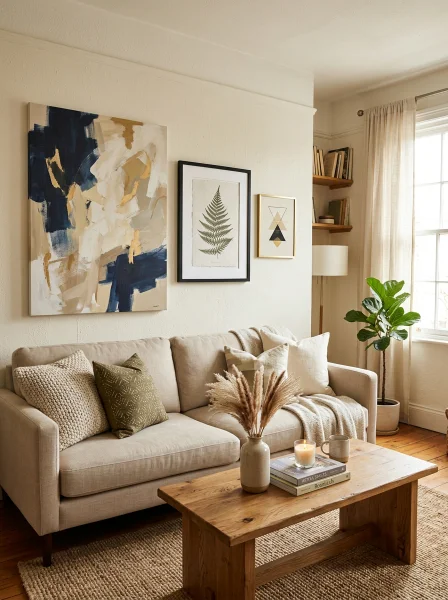
Most people focus on the subject matter or color palette of wall art, but size is arguably the most critical factor. A tiny frame on a large, empty wall creates what designers call a “postage stamp” effect — and it immediately makes a room feel unfinished and awkward. On the flip side, oversized art in a small room can feel suffocating and out of scale.
The goal is visual balance — where the artwork feels like it belongs in the space rather than fighting against it. Interior designers often follow a simple rule: wall art should fill approximately 60–75% of the available wall space. This isn’t a hard rule, but it’s a great starting point.
Once you understand this principle, choosing art becomes much less intimidating.
How to Measure Your Wall Before Buying Art
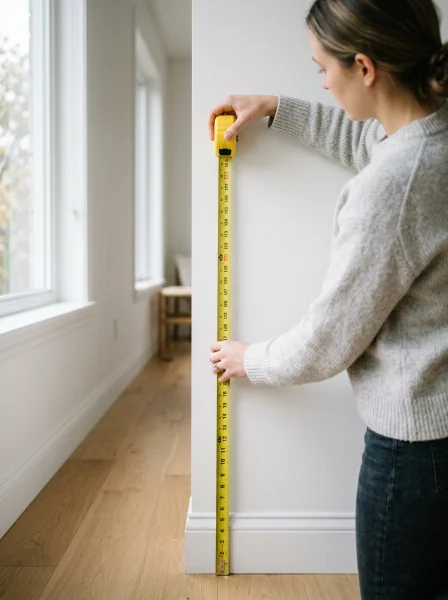
Before you shop for anything, grab a measuring tape. Measure the width and height of the wall space where you plan to hang the art. If there’s furniture below (like a sofa or headboard), only measure the empty wall above that furniture — not the entire wall.
A common guideline is to choose artwork that is two-thirds the width of the furniture beneath it. So if your sofa is 84 inches wide, you’d want art that’s roughly 56 inches wide. This creates a grounded, intentional look.
Write down your measurements before you shop. It sounds obvious, but most decorating mistakes happen because people eyeball it and guess — and guesses are almost always wrong.
Using Painter’s Tape to Visualize Size
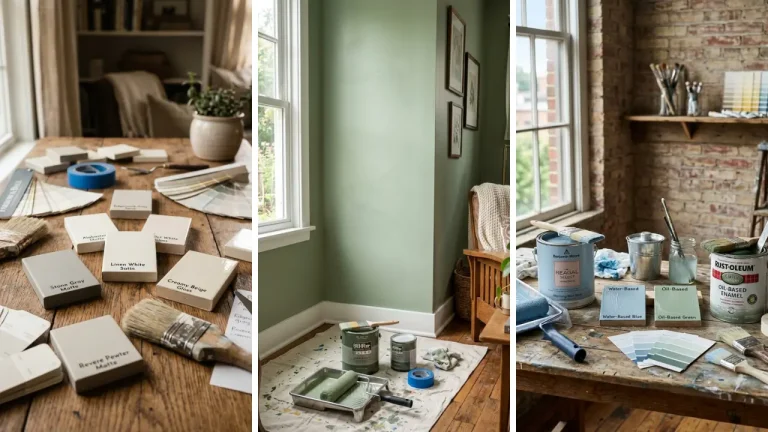
One of the best tricks in any decorator’s toolkit is using painter’s tape on the wall to outline the size of art you’re considering. Cut pieces of tape to represent the dimensions and step back to see how it looks in the space. This costs nothing and saves you from expensive returns.
Try out a few different sizes before committing. You might be surprised — what feels “too big” on paper often looks exactly right on the wall.
How to Choose the Right Wall Art Size for Every Room in Your Home
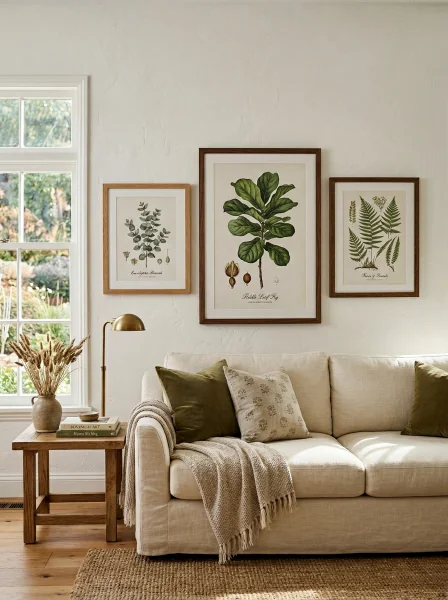
Different rooms have different needs, furniture arrangements, and ceiling heights. Here’s a room-by-room breakdown to help you make the best decision every time.
Living Room
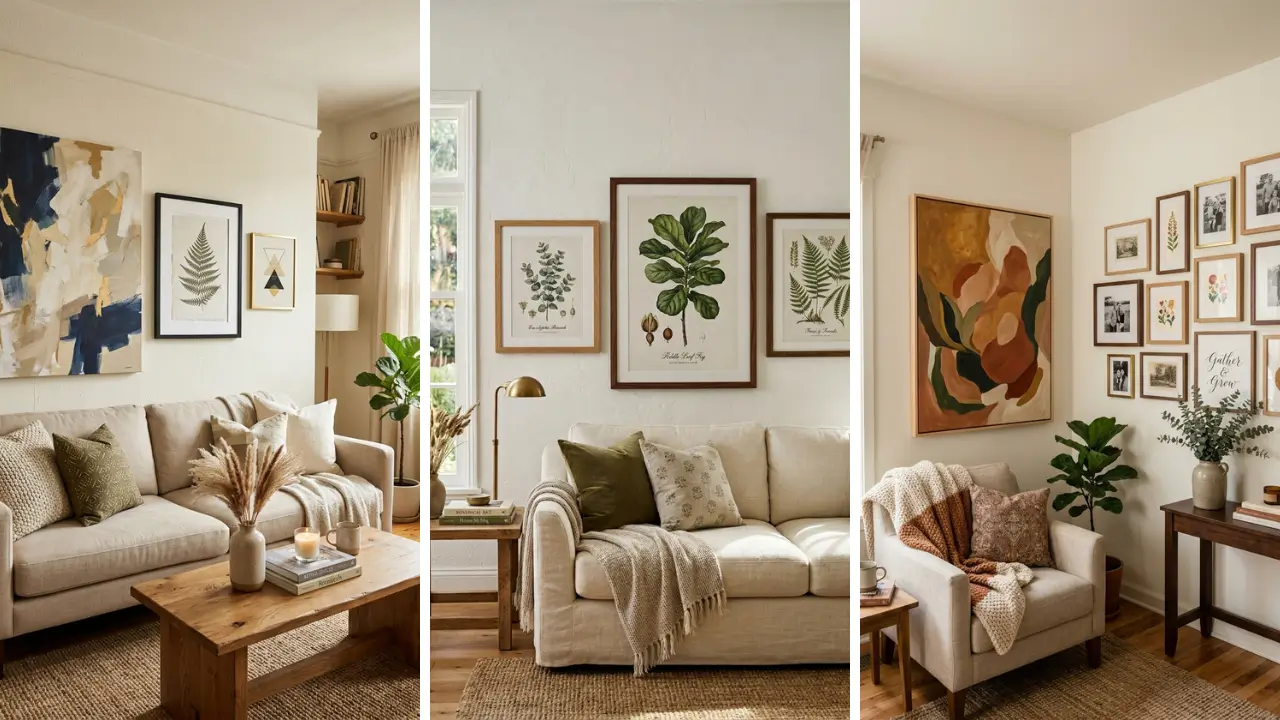
The living room is typically the largest space in a home, which means it can handle — and often demands — larger art. For a standard sofa wall, aim for a single piece that’s at least 40–60 inches wide. Alternatively, a gallery wall with multiple smaller pieces can achieve the same visual impact.
Avoid hanging art too high. The center of the artwork should sit at eye level — roughly 57 to 60 inches from the floor. This is the standard used in most galleries and museums for good reason: it feels natural and comfortable to look at.
Bedroom
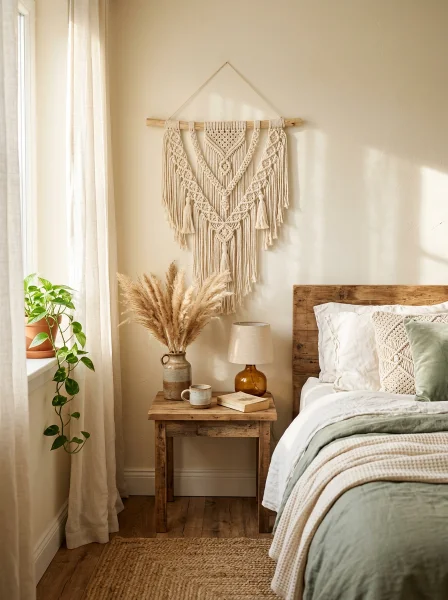
Above a king-sized bed, you have a wide horizontal space to fill. A single large piece (around 50–70 inches wide) works beautifully here. You can also use a set of two or three coordinating prints side by side for a more curated, layered look.
In the bedroom, art should feel calming and proportionate — not dominant. Avoid anything so large it feels like it’s looming over you while you sleep.
Dining Room
In a dining room, art is often displayed on a wall beside or behind the table. Medium to large pieces (30–48 inches wide) typically work well here. If you have a buffet or sideboard, treat it like a sofa and choose art that’s about two-thirds its width.
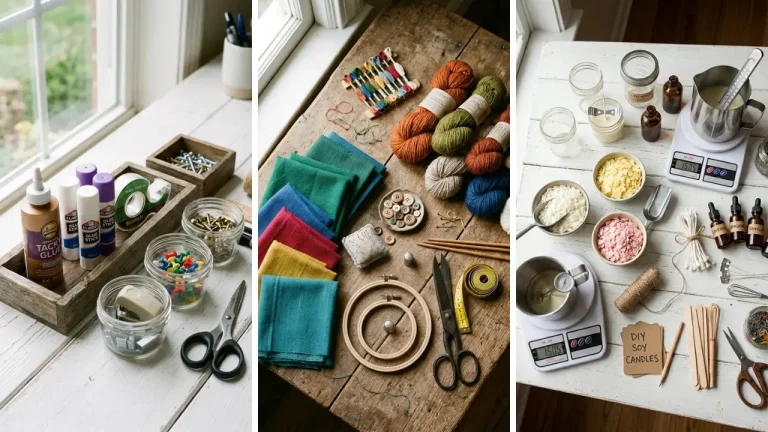
Dining rooms also lend themselves beautifully to DIY handmade gifts displayed as art — think DIY handmade gifts like custom-framed prints or hand-painted canvases that add a personal touch to the space.
Hallways and Entryways
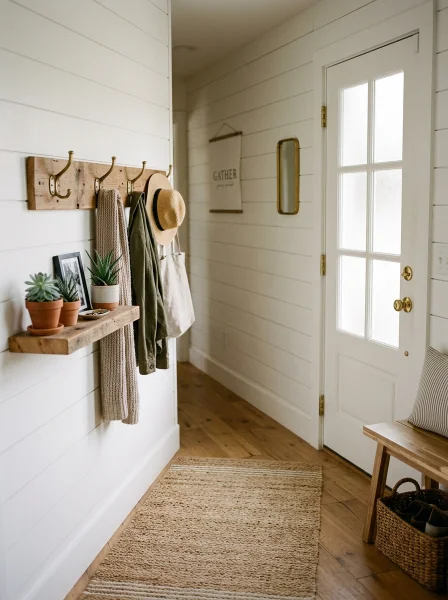
Hallways are narrow, so scale down. Smaller pieces (8×10 to 16×20 inches) hung in a vertical arrangement or as a mini gallery wall work really well. The key is to keep the art proportional to the narrow wall width — usually no more than half the hall’s width.
Entryways benefit from a single bold statement piece that greets guests with personality. Just make sure there’s enough visual breathing room around it.
Home Office
In a home office, art serves both aesthetic and motivational purposes. Medium-sized pieces (16×20 to 24×36 inches) are ideal. Consider creating an inspiration gallery wall with a mix of prints, quotes, and even home craft projects quick that you’ve made yourself — it adds character and keeps the space feeling personal.
Single Statement Piece vs. Gallery Wall: Which Works Best?
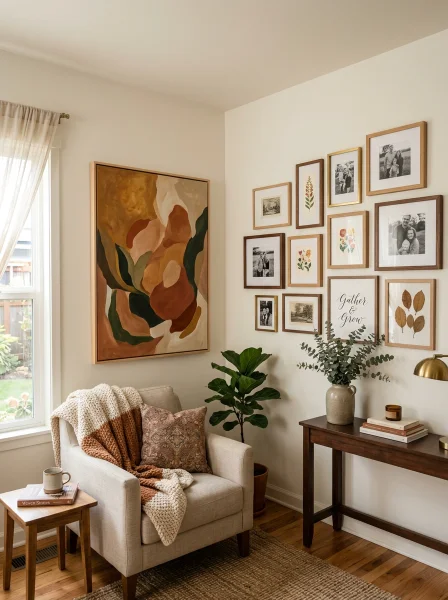
Choosing between a single large piece and a gallery wall depends on your room size, wall space, and personal style. A single statement piece works best when you want clean, modern, and minimalist aesthetics. It’s bold, impactful, and easy to execute.
A gallery wall, on the other hand, is perfect for adding personality and layers to a space. It’s more flexible because you can mix sizes, frames, and even mediums. You can incorporate photographs, prints, and even fun crafts to make at home to build a display that’s completely unique to you.
For gallery walls, plan the arrangement on the floor first. Lay out all your pieces, adjust spacing (typically 2–3 inches between frames), and finalize the layout before putting a single nail in the wall.
Common Wall Art Sizing Mistakes to Avoid
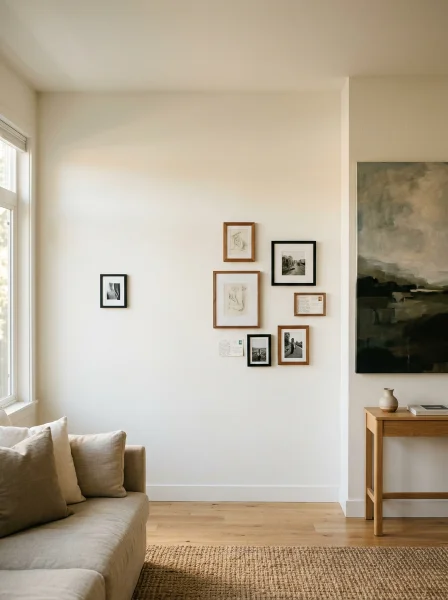
Even experienced decorators make these mistakes. Here’s what to watch out for:
- Hanging art too high. This is the most common error. Always aim for the center of the artwork at eye level (57–60 inches from the floor).
- Going too small. When in doubt, size up. Larger art almost always looks more intentional and polished.
- Ignoring the furniture below. Art doesn’t exist in isolation — it should relate to what’s beneath or around it.
- Overcrowding a small wall. Negative space is your friend. Don’t fill every inch.
- Mismatched frame sizes in a gallery wall. For a cohesive look, either keep all frames the same size or vary them intentionally with a clear visual logic.
How Art Size Affects Room Perception
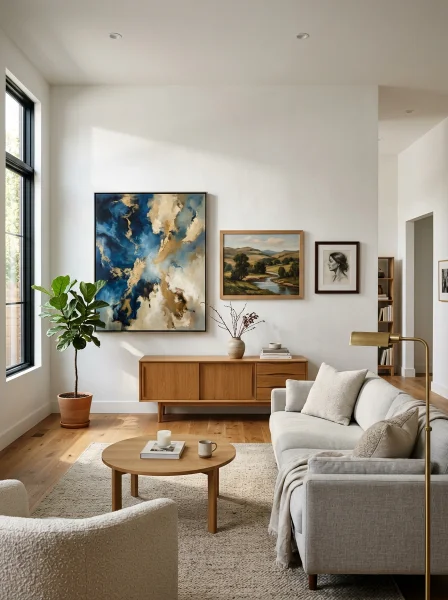
Wall art doesn’t just decorate — it visually manipulates the perceived size of a room. Tall, vertical art draws the eye upward, making ceilings feel higher. Wide, horizontal art can make a narrow room feel broader.
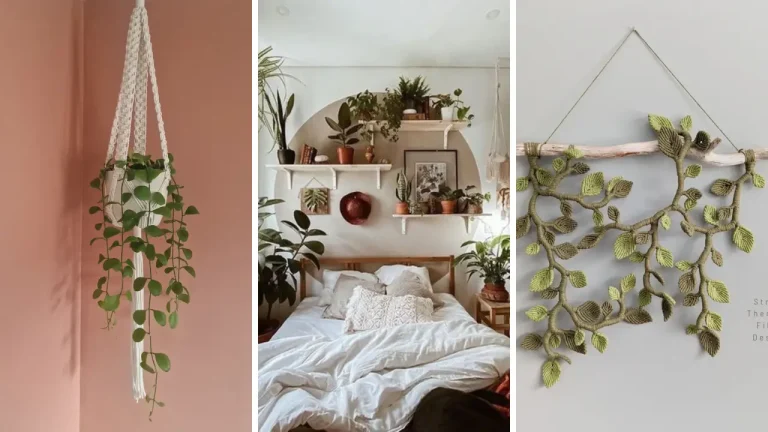
In a small room, one large piece of art often looks better than several small ones scattered around. Small pieces in a small room create visual noise and make the space feel cluttered. If you love making your own décor, try exploring handmade gift craft ideas that double as wall art — custom pieces add soul to a room that store-bought prints simply can’t replicate.
Budget-Friendly Ways to Get the Right Size Art
You don’t need to spend a fortune to find perfectly sized wall art. Many budget-friendly options exist — from printable digital downloads you can print at a local copy shop to thrift store finds that just need a new frame. For large-format art on a budget, consider canvas prints from online print shops, oversized mirrors (which function similarly to art), or even DIY painted canvases.
If you love crafting, you can find surprisingly stylish inspiration through dollar store crafts ideas that look far more expensive than they actually are. Custom sizing is also more accessible than ever. Many online art retailers let you specify exact dimensions, which means you can get a piece that fits your wall perfectly without compromising on style.
Conclusion: Getting Wall Art Size Right Changes Everything
Understanding how to choose the right wall art size for every room is the difference between a home that feels put-together and one that feels almost-there. It’s not complicated, but it does require a little intention. Measure your wall, consider the furniture below, follow the 60–75% rule, and always hang at eye level.
Whether you’re decorating a cozy bedroom, a spacious living room, or a narrow hallway, the principles are the same: scale matters, proportion matters, and placement matters. When all three align, the result is a space that feels curated, balanced, and authentically yours. Start with one room, apply these guidelines, and watch how much more complete and intentional your space feels.
The right art, at the right size, in the right place — it really does make all the difference. Ready to refresh your walls? Start measuring today and share your before-and-after in the comments below!
We’d love to see how you transform your space with the right-sized art.
Frequently Asked Questions
Q: What is the standard rule for how to choose the right wall art size for every room? A: The most widely used guideline is that wall art should cover approximately 60–75% of the available wall space. For art placed above furniture, choose a piece that’s about two-thirds the width of the furniture beneath it.
These proportional rules create visual balance that feels intentional and polished. Q: How high should wall art be hung in any room? A: The center of your wall art should hang at eye level, which is typically 57–60 inches from the floor.
This is the standard used in professional galleries and feels the most natural and comfortable to view. When hanging art above furniture, ensure there’s 6–12 inches of space between the top of the furniture and the bottom of the frame. Q: How do I choose the right wall art size for a small room?
A: In a small room, it’s actually better to choose one larger piece rather than several small ones. Multiple small pieces create visual clutter, while a single well-sized piece anchors the room and can even make it feel larger. Vertical art is especially effective in small spaces because it draws the eye upward and makes ceilings feel taller.
Q: Can I use DIY or handmade art as wall décor? A: Absolutely — handmade art adds a personal and unique touch that no store-bought piece can replicate. The same sizing rules apply regardless of whether the art is purchased or made at home.
Just make sure you frame or mount it in a way that complements your room’s style and proportions. Q: How do I plan a gallery wall with the right size mix? A: Start by laying out all your pieces on the floor to plan the arrangement before touching your walls.
Mix frame sizes intentionally — anchor the gallery with one or two larger pieces and fill in with smaller ones. Keep spacing consistent at 2–3 inches between frames. The overall footprint of the gallery wall should follow the same 60–75% rule as a single piece of art.