7 Candle Making Mistakes That Cause Sinkholes, Tunneling, and Weak Scent
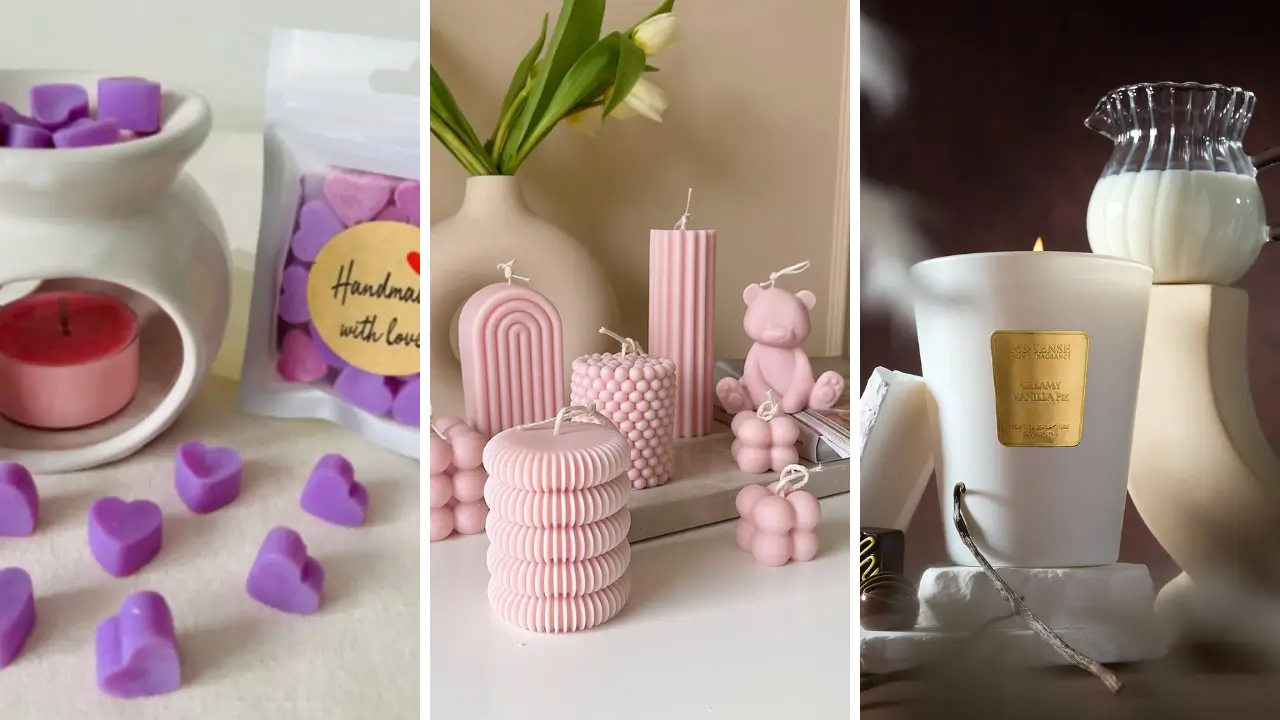
Have you ever poured a beautiful candle only to find ugly sinkholes, frustrating tunneling, or disappointingly weak scent throw? These common problems plague both beginners and experienced candle makers alike. The good news is that most candle making failures come from just a handful of preventable mistakes.
Understanding what causes these issues will transform your results dramatically. In this guide, you will discover the 7 candle making mistakes that cause sinkholes, tunneling, and weak scent. Let’s dive in…
1. Incorrect Pouring Temperature
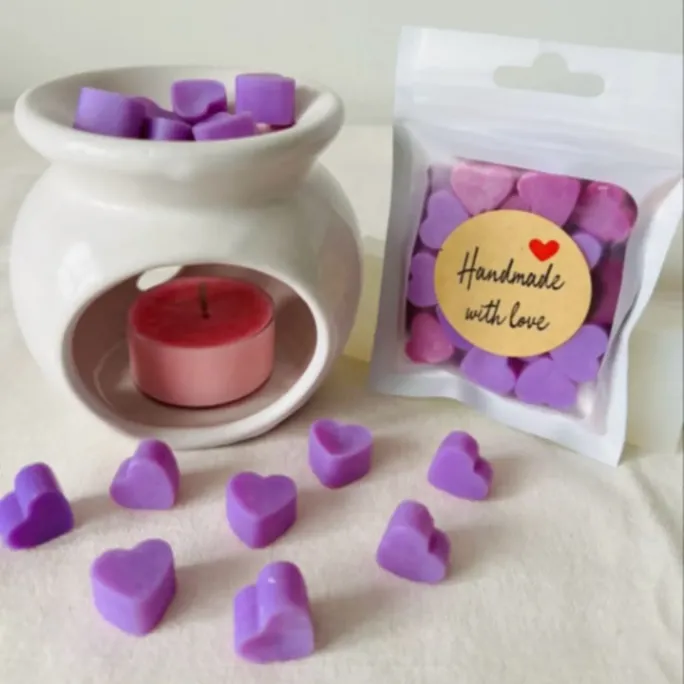
- Infrared thermometer
- Pouring pitcher
- Wax thermometer
- Timer
Pouring your wax at the wrong temperature is the number one cause of sinkholes in homemade candles. When wax is too hot, it contracts significantly as it cools, creating those frustrating cavities around the wick. Each wax type has an ideal pouring temperature range.
Soy wax typically pours best between 120-140°F, while paraffin requires 170-180°F for optimal results. Using an infrared thermometer eliminates guesswork entirely. Always wait for your wax to reach the manufacturer’s recommended temperature before pouring.
2. Poor Wick Selection
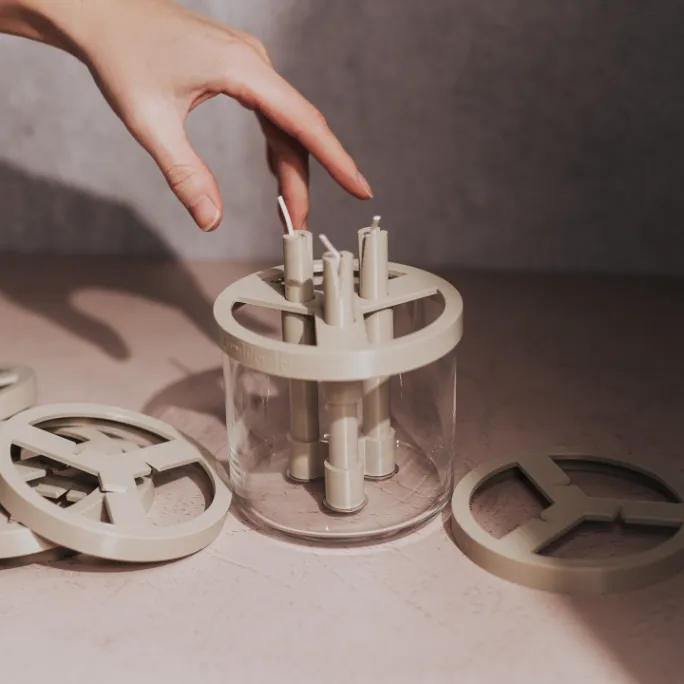
- Wick sizing chart
- Multiple wick sizes
- Wick centering device
- Test containers
Choosing the wrong wick size directly causes tunneling problems. A wick that is too small cannot generate enough heat to melt the wax to the container edges, leaving wasted wax on the sides. Conversely, an oversized wick creates excessive heat and can cause the candle to burn too quickly.
This leads to poor scent distribution and potential safety hazards. Test multiple wick sizes in the same container before committing to a large batch. If you enjoy creating things by hand, exploring fun crafts to make at home like candle making becomes much easier with proper wick selection knowledge.
3. Insufficient Fragrance Load
- Digital scale
- Quality fragrance oils
- Measuring cups
- Calculator
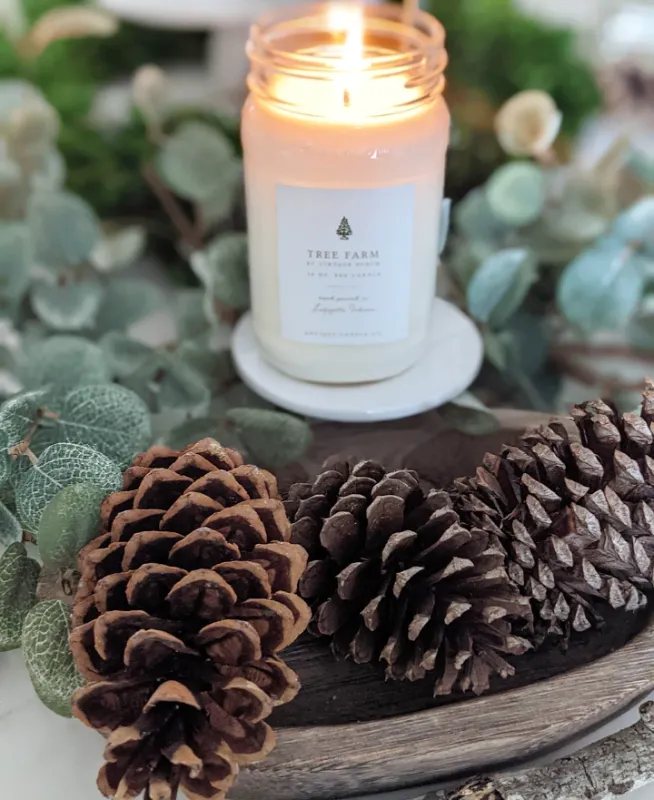
Weak scent throw often results from adding too little fragrance oil to your wax. Many beginners underestimate how much fragrance is needed for a noticeable scent when burning. Most waxes can hold between 6-10% fragrance load by weight.
Using a digital scale ensures accurate measurement every single time. Quality matters tremendously when selecting fragrance oils. Cheaper oils may smell strong in the bottle but perform poorly when burned in candles.
4. Wrong Fragrance Addition Temperature
- Thermometer
- Fragrance oils
- Stirring utensil
- Timer
Adding fragrance at the incorrect temperature destroys scent molecules before you even pour. Too hot and the delicate fragrance compounds evaporate into the air instead of binding with the wax. Most fragrances should be added when wax reaches around 185°F for paraffin or 135°F for soy.
Stir thoroughly for at least two full minutes to ensure proper binding. This mistake is particularly frustrating because the candle may smell wonderful during pouring but produces weak scent when burning. Those interested in DIY handmade gifts must master this technique for successful scented candles.
5. Inadequate Cure Time
- Storage area
- Labels with dates
- Covered containers
- Patience
Burning candles before they properly cure is a major cause of weak scent throw. Fresh candles need time for the fragrance molecules to fully bond with the solidified wax structure. Soy candles require at least one to two weeks of curing for optimal performance.
Paraffin typically needs a minimum of 48 hours, though longer is always better. Store curing candles in a cool, dark place away from direct sunlight. Label each batch with the pour date so you know exactly when they will be ready to use or gift.
6. Cooling Environment Issues
- Room thermometer
- Heat gun
- Insulation materials
- Draft-free space
Your cooling environment dramatically affects candle quality. Drafts, temperature fluctuations, and cold rooms cause uneven cooling that creates sinkholes and surface imperfections. Candles should cool in a room maintained between 70-75°F without any air movement from fans or vents.
Sudden temperature changes cause the outer wax to solidify while the center remains liquid. Some candle makers use heat guns to smooth tops and eliminate minor sinkholes after cooling. This technique works well for cosmetic fixes but does not solve the underlying cooling issue.
When working on home craft projects quick results often require proper environmental controls.
7. Using Low-Quality Supplies
- Premium wax
- High-quality wicks
- Professional-grade fragrance oils
- Clean containers
Cheap supplies produce cheap results regardless of your technique. Low-quality wax often contains additives that interfere with fragrance binding and proper burning characteristics. Bargain fragrance oils may contain carrier oils that affect wick performance and create tunneling.
Invest in professional-grade supplies from reputable candle making suppliers for consistent results. Even your containers matter significantly. Dirty or dusty jars create imperfections and affect how candles burn.
Clean all supplies thoroughly before starting any project. Creating handmade gift craft ideas like candles requires quality materials for impressive results.
Now you understand the 7 candle making mistakes that cause sinkholes, tunneling, and weak scent in your homemade creations. Armed with this knowledge, you can troubleshoot existing problems and prevent future frustrations. Grab your supplies and start creating perfect candles today!
Share your favorite candle making tips in the comments below! Rate this post if you found it helpful.