Textile and Fabric Craft Trends 2026
Have you ever scrolled through your craft feed and suddenly felt like everyone else is working on something you’ve never even heard of? That feeling is actually a signal — the textile and crafting world moves fast, and 2026 is shaping up to be one of the most exciting years yet for stitchers, sewers, and fabric lovers. The Textile and Fabric Craft Trends for 2026: What Stitchers Are Making Now reflects a beautiful blend of nostalgia, sustainability, and bold self-expression.
Whether you’re a seasoned quilter or just picking up your first embroidery hoop, this guide will walk you through the hottest trends dominating craft communities right now — and how you can join in.
Why 2026 Is a Defining Year for Textile and Fabric Crafts
The crafting revival that started a few years ago hasn’t slowed down — it’s evolved. More people are turning to handmade projects as a form of mindfulness, personal branding, and even income. Fabric and textile crafts, in particular, have seen a massive surge in online communities, with hashtags dedicated to embroidery, slow stitching, and upcycled fashion gaining millions of views.
According to craft industry reports, the handmade and DIY market is projected to surpass $50 billion globally by 2026. That’s not just a statistic — it’s a movement. Crafters are no longer hobbyists tucked in corners; they’re trendsetters shaping how we think about clothing, home decor, and gifting.
If you’ve been looking for fun crafts to make at home this season, textile projects offer some of the most rewarding options — especially with so many beginner-friendly techniques trending right now.
Top Textile and Fabric Craft Trends for 2026: What Stitchers Are Making Now
1. Slow Stitching and Mindful Embroidery
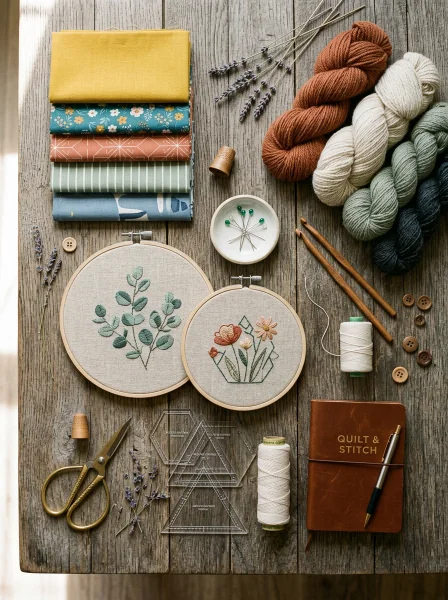
Slow stitching is all about the process, not the end product. It’s meditative, intentional, and deeply personal. Stitchers are layering fabric scraps, adding freehand embroidery, and creating mixed-media textile art that tells a story.
Think: worn denim patched with hand-stitched botanicals, or a linen tea towel embroidered with personal mantras. The beauty is that there are no rules. You don’t need a pattern — just a needle, thread, and some fabric you love.
This trend also ties heavily into the wabi-sabi aesthetic, embracing imperfection as art. It’s a perfect entry point if you’re new to embroidery or want to experiment with texture and layering.
2. Upcycled and Thrifted Fabric Projects
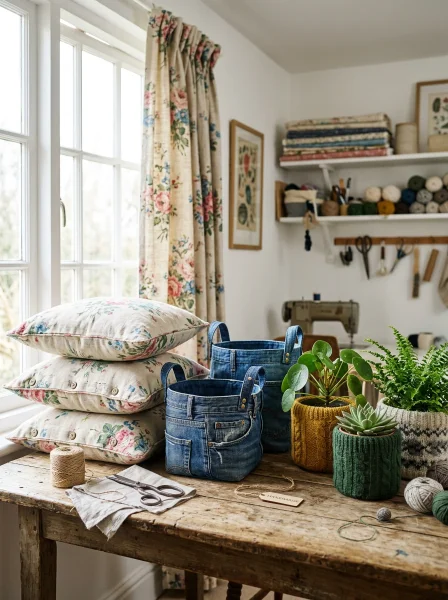
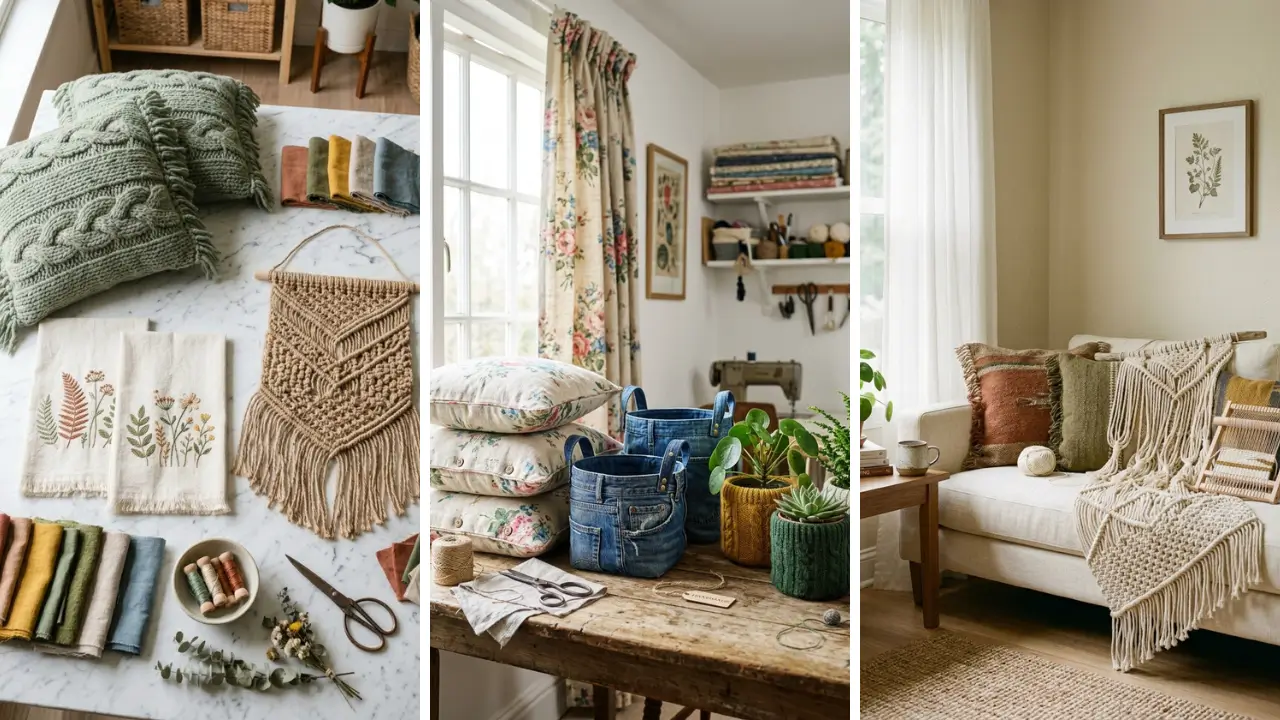
Sustainability is no longer optional in the crafting world — it’s a core value. Stitchers in 2026 are raiding thrift stores and repurposing old garments into stunning new pieces. Old curtains become tote bags.
Grandma’s tablecloth becomes a patchwork skirt. Even worn-out sweaters find new life as stuffed animals or cushion covers. This trend is also budget-friendly.
You don’t need expensive materials to create something beautiful. Many crafters are discovering that dollar store crafts ideas can actually produce high-end-looking results when combined with the right fabric techniques — think ribbon embellishments, iron-on transfers, or simple sewing patterns.
3. Tufting and Punch Needle Art
Tufting guns and punch needle tools have exploded in popularity, and they’re not slowing down. These techniques allow crafters to create textured, rug-like wall art and functional pieces with bold colors and graphic designs. The learning curve is gentler than it looks.
With a tufting frame, monk’s cloth, and a few skeins of yarn, you can produce a custom piece in a weekend. Geometric patterns, abstract florals, and quirky retro designs are all having a major moment. Punch needle is the more accessible sibling — requiring just a needle and yarn — making it ideal for beginners who want to experiment before investing in a full tufting setup.
4. Visible Mending and Boro-Inspired Patchwork
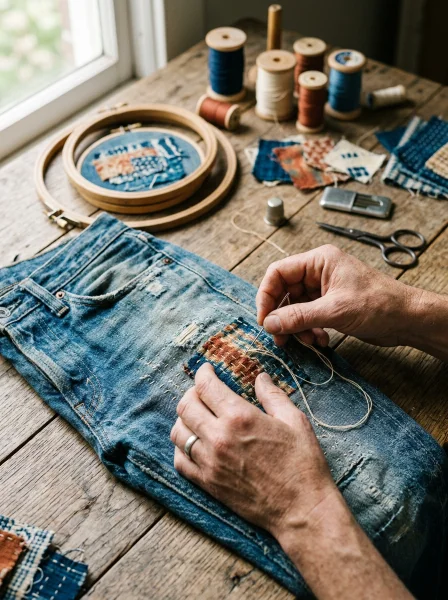
Visible mending is the art of repairing clothing in a way that celebrates the repair rather than hides it. Inspired by the Japanese tradition of Boro — which involves stitching together layers of fabric with running stitches — this trend is both eco-conscious and visually stunning. Crafters are mending holes with contrasting thread colors, adding decorative patches in unexpected places, and turning worn garments into wearable conversation pieces.
It’s deeply personal, highly creative, and requires very little in the way of materials.
5. Quilting Reimagined: Bold, Modern, and Improv
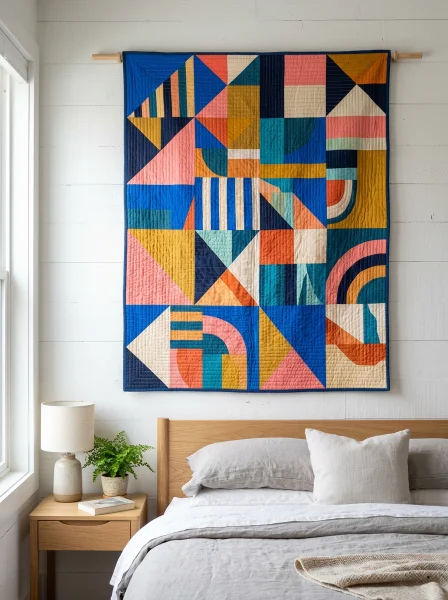
Traditional quilting is getting a modern makeover. Improv quilting — where you cut and sew intuitively without templates — is gaining a huge following. The results are raw, expressive, and completely one-of-a-kind.
Color blocking, oversized patchwork squares, and asymmetrical designs are replacing more traditional patterns. Modern quilters are also incorporating unexpected fabrics like silk, velvet scraps, and even recycled denim into their projects. These quilts double as incredible DIY handmade gifts — personal, thoughtful, and genuinely useful.
A hand-stitched quilt carries emotional weight that no store-bought item can replicate.
6. Fiber Art and Wall Hangings
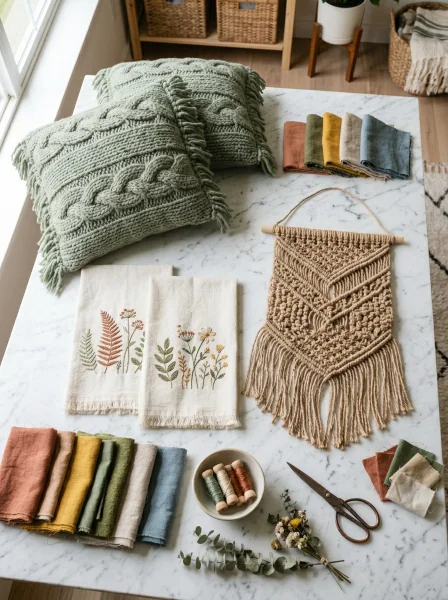
Macramé had its moment, and now fiber art wall hangings are evolving into something more complex and painterly. Weavers are combining natural fibers with dyed yarn, incorporating beads, dried botanicals, and even upcycled fabric strips. The demand for handmade home decor continues to grow, and fiber art fills a niche that mass-produced goods simply can’t match.
It’s tactile, warm, and brings a human element to any space.
How to Start With 2026’s Top Textile Trends Even as a Beginner
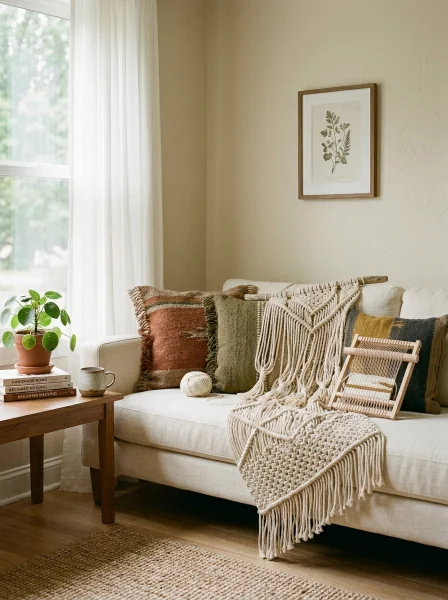
You don’t need a fancy studio or years of experience to jump into these trends. Many of the most popular projects this year are designed to be accessible, forgiving, and enjoyable for beginners. Start with a simple slow-stitching project using fabric scraps you already have at home.
Or pick up a punch needle kit — most come with everything you need. If you enjoy sewing, try a visible mending project on an old pair of jeans. The key is to start small and let creativity guide you.
For structured inspiration, exploring home craft projects quick can give you a curated starting point with step-by-step guidance — especially helpful if you’re juggling a busy schedule but still want to create. And if you’re thinking about making something for someone special, there’s no better category to explore than handmade gift craft ideas. Textile projects like embroidered pouches, hand-quilted coasters, or tufted keychains make incredibly thoughtful presents for any occasion.
Materials and Tools Worth Investing in for 2026
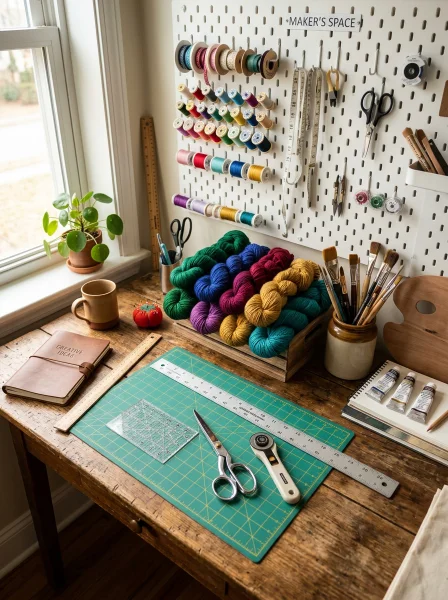
If you’re ready to level up, here are the materials and tools that serious stitchers are stocking up on this year:
- Monk’s cloth or linen — the go-to base fabric for punch needle and tufting
- Wool and cotton embroidery floss — especially in earthy, muted tones and bold jewel colors
- Water-soluble stabilizer — essential for freehand embroidery on stretchy or delicate fabrics
- Tufting gun or punch needle set — an investment that pays off quickly in creative output
- Quilting ruler and rotary cutter — for clean, efficient cuts when working on improv quilt projects
You don’t need all of this at once. Start with what aligns with the trend you’re most drawn to and build from there. Most of these tools are reusable for years, making them a smart long-term investment.
Conclusion: Embrace the Fabric of the Future
The Textile and Fabric Craft Trends for 2026: What Stitchers Are Making Now all share something in common: they prioritize intention, sustainability, and personal expression. From slow stitching and visible mending to tufting and modern quilting, these trends invite you to slow down, use your hands, and make something that matters. Whether you’re crafting for yourself, your home, or the people you love, textile art offers an endlessly rewarding creative outlet.
The best part? You can start with materials you already have, learn as you go, and make something genuinely beautiful in the process. The crafting world in 2026 isn’t about perfection — it’s about making.
So pick up that needle, choose your fabric, and start creating. The trend you’ve been waiting to try is closer than you think. Ready to get started?
Share your current textile project in the comments below, or tell us which 2026 trend you’re most excited to try. Your next favorite craft might be just one stitch away!
Frequently Asked Questions
Q: What are the biggest Textile and Fabric Craft Trends for 2026: What Stitchers Are Making Now? A: The top trends include slow stitching, upcycled fabric projects, punch needle and tufting art, visible mending inspired by Boro, improv quilting, and fiber art wall hangings. Each trend emphasizes sustainability, creativity, and personal expression — making them accessible to both beginners and seasoned crafters.
Q: Is textile crafting beginner-friendly in 2026? A: Absolutely. Many of the trending techniques — like slow stitching, punch needle, and visible mending — are designed to be approachable for beginners.
You don’t need expensive tools or prior experience to get started. Starting with basic materials and a simple project is the best way to build confidence quickly. Q: How can I incorporate Textile and Fabric Craft Trends for 2026 into gift-giving?
A: Textile crafts make exceptional handmade gifts. Quilted coasters, embroidered pouches, tufted keychains, and hand-stitched tote bags are all popular options. These projects combine current trends with personal meaning, making them far more memorable than anything you could purchase in a store.
Q: What fabrics are most popular for 2026 textile trends? A: Natural, sustainable fabrics are leading the way. Linen, organic cotton, monk’s cloth, and upcycled or thrifted textiles are all highly favored.
Crafters are also experimenting with velvet scraps, denim, and even repurposed household fabrics like old curtains or tablecloths to add unique texture and character to their projects. Q: Do I need a lot of money to follow 2026 textile craft trends? A: Not at all.
Many trending techniques like visible mending and slow stitching require minimal materials — often just fabric scraps, thread, and a needle. Upcycling thrifted items is also a core part of these trends, which means you can create stunning work on a tight budget without compromising on quality or creativity.