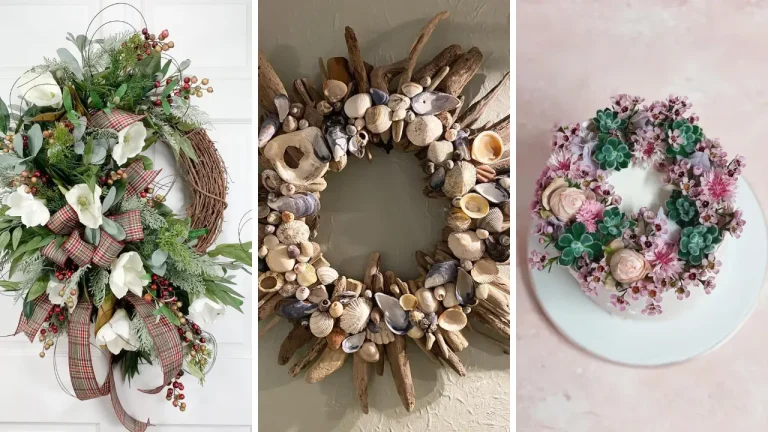
Home Crafts for Beginners: What to Make First in 2026
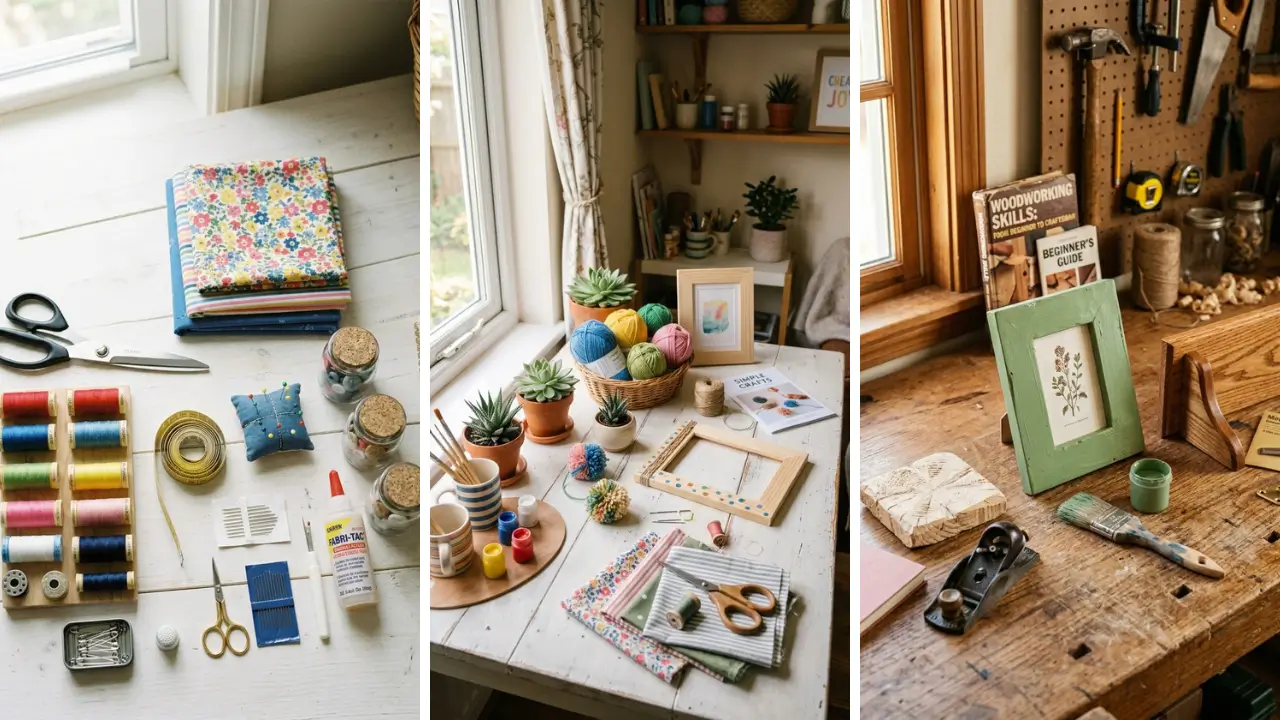
Have you ever scrolled through Pinterest, amazed by beautiful handmade creations, wondering if you could ever make something like that? Here’s the truth: every skilled crafter started exactly where you are now. The secret isn’t natural talent—it’s simply knowing where to begin.
Home crafts for complete beginners: what to make first is the question that stops most people from ever picking up crafting supplies. But today, that changes. Starting a new hobby can feel overwhelming when you don’t know the right first step.
Should you try knitting? Maybe painting? What about jewelry making?
The options seem endless, and choosing wrong might lead to frustration and wasted money. This guide will walk you through the perfect beginner-friendly projects that build confidence, require minimal supplies, and deliver satisfying results from day one. By the end of this article, you’ll have a clear roadmap of exactly what to make first, what supplies to gather, and how to progress without feeling lost.
Let’s turn that crafting curiosity into your new favorite hobby.
Why Starting with the Right Craft Project Matters for Beginners
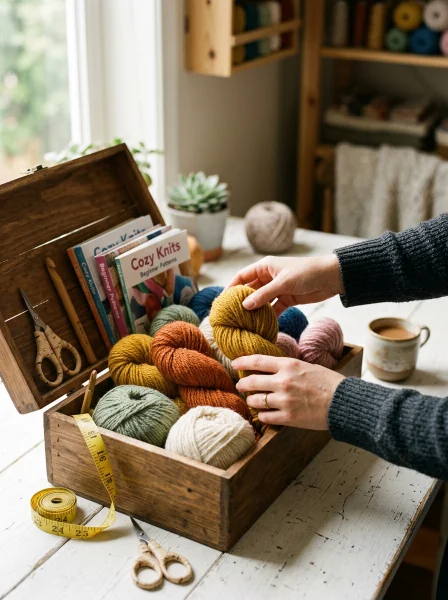
Choosing your first craft project isn’t just about making something pretty—it’s about building a foundation. The wrong first project can crush your motivation before you even get started. Imagine trying to knit a sweater when you’ve never held yarn, or attempting watercolor portraits without understanding basic brush strokes.
The ideal beginner project has three characteristics: it’s forgiving of mistakes, it can be completed in one sitting, and it produces something you’ll actually want to keep or give away. These quick wins create momentum that carries you forward into more challenging projects. Research shows that adults learning new skills need immediate feedback and visible progress to stay motivated.
That’s why many people who explore fun crafts to make at home stick with simpler projects initially—they understand the power of building confidence through achievable goals.
Essential Supplies Every Beginner Crafter Needs
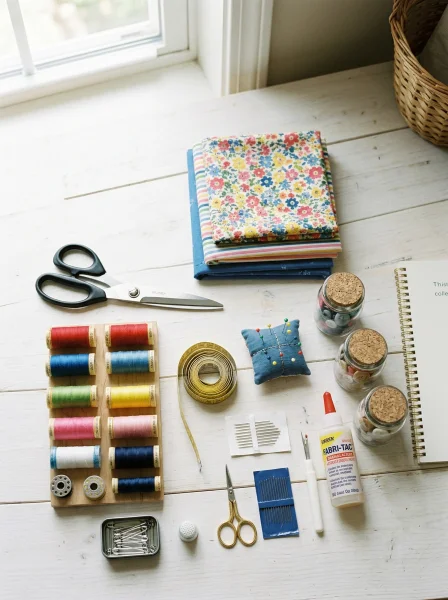
Before diving into specific projects, let’s talk about building a basic craft kit. You don’t need to spend hundreds of dollars. In fact, starting small is smarter—it lets you test different crafts before committing to expensive supplies.
The Starter Kit Basics
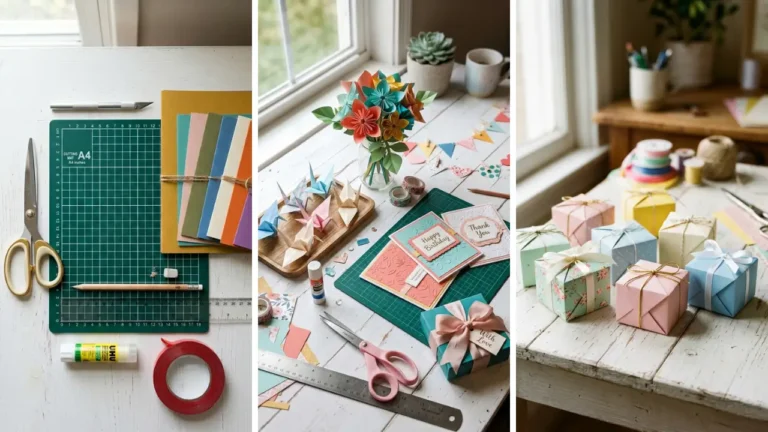
Your beginner toolkit should include: quality scissors, a cutting mat, basic adhesives (both glue stick and craft glue), a ruler, pencils, and basic paints or markers. These versatile supplies work across multiple craft types. Many beginners find incredible value shopping at discount stores.
You’d be surprised how many dollar store crafts ideas can produce impressive results without breaking the bank. Budget-friendly supplies let you experiment freely without the pressure of expensive materials. Consider organizing your supplies in clear containers from the start.
Being able to see your materials makes crafting more inviting and keeps everything accessible.
Home Crafts for Complete Beginners: What to Make First
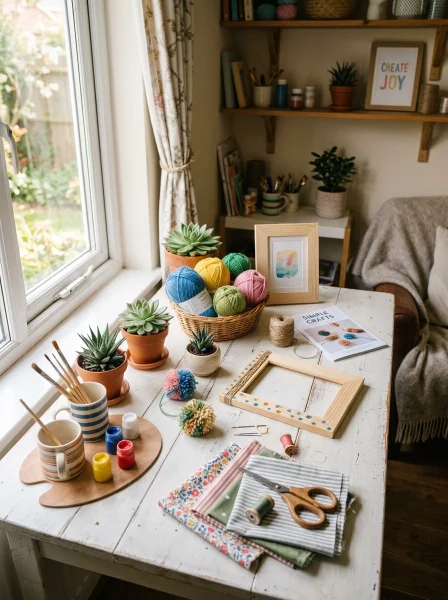
Now for the exciting part—your first actual projects. These recommendations are specifically chosen because they teach fundamental skills while being genuinely enjoyable to create.
Paper Crafts: The Perfect Starting Point
Paper is incredibly forgiving and inexpensive. If you make a mistake, you simply start over without any guilt. Greeting cards are the ultimate first project because they combine several basic skills: measuring, cutting, folding, and decorating.
Start with a simple folded card. Cut cardstock to size, fold it cleanly, then decorate with stamps, stickers, or hand-drawn designs. You’ll learn precision cutting and develop an eye for layout—skills that transfer to virtually every other craft.
Bookmarks are another excellent choice. They’re small, quick to complete, and make wonderful personal gifts. Experiment with layering papers, adding ribbons, or using punches to create decorative edges.
Painted Mason Jars and Glass Projects
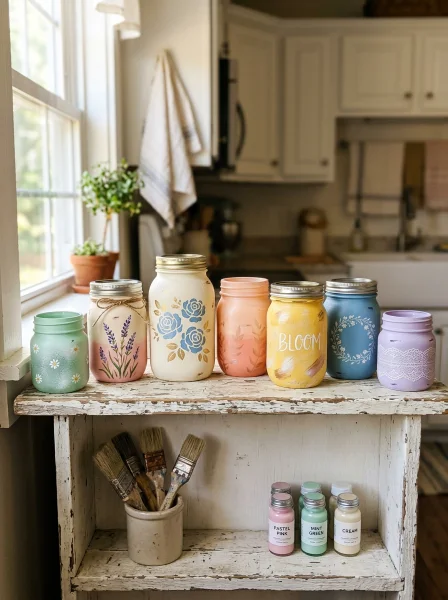
Transforming ordinary glass jars into decorative pieces is satisfying and practical. You’ll need acrylic paint (which is beginner-friendly), basic brushes, and clean glass containers you probably already have at home. Start with simple designs: solid colors, ombre effects, or basic geometric patterns.
These projects teach brush control and color mixing without requiring drawing skills. The finished products become vases, candle holders, or storage containers you’ll actually use.
Simple Macramé Projects
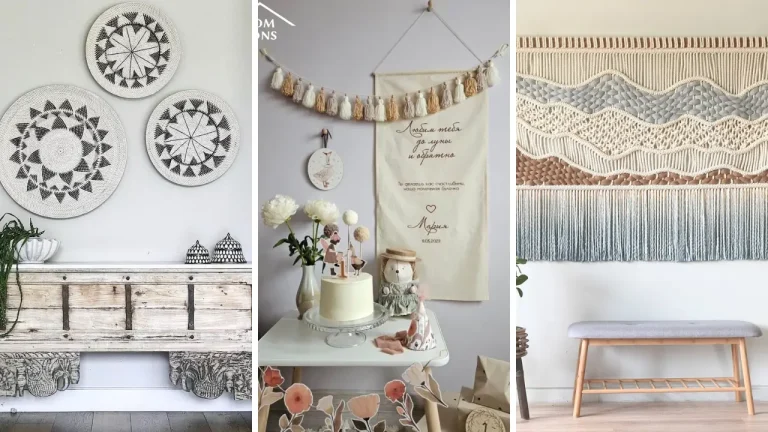
Macramé has experienced a massive revival, and for good reason. The repetitive knot-tying process is almost meditative, and even basic pieces look impressively artistic. Plant hangers are the classic beginner project.
You only need to learn two or three basic knots to create beautiful results. The materials are inexpensive—just macramé cord and something to hang your work from while you create. Once you master these techniques, you can quickly move on to home craft projects quick enough to complete in an afternoon.
Crafts That Double as Meaningful Gifts
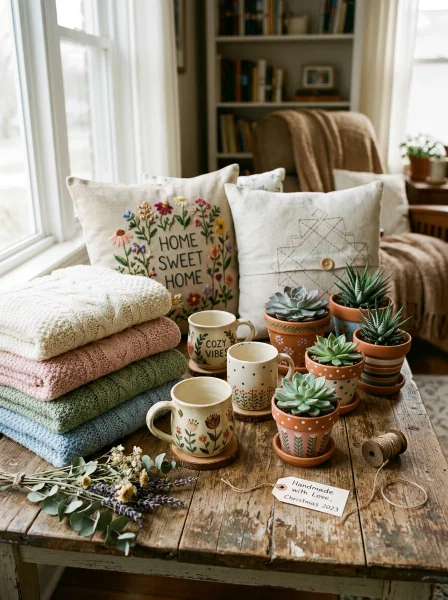
One of the most rewarding aspects of crafting is creating gifts for people you love. Handmade presents carry emotional weight that store-bought items simply can’t match. Starting with gift-worthy projects adds purpose to your practice.
Consider these beginner-friendly gift ideas: decorated photo frames, hand-stamped fabric napkins, personalized bookmarks, or painted plant pots. Each teaches valuable skills while producing something genuinely useful. Many crafters discover their passion through creating DIY handmade gifts for special occasions.
There’s something deeply satisfying about seeing someone’s face light up when they receive something you made with your own hands. The gift becomes more than an object—it’s a tangible expression of care.
Personalization Techniques for Beginners
Adding personal touches elevates simple projects into cherished keepsakes. Basic techniques include: using letter stickers or stamps for names, incorporating favorite colors, or adding meaningful dates or quotes. Hand-lettering might seem intimidating, but starting with simple block letters or tracing templates makes it accessible.
Practice on scrap paper first, then transfer your designs to final projects with confidence.
Building Skills: Your First Month Progression Plan
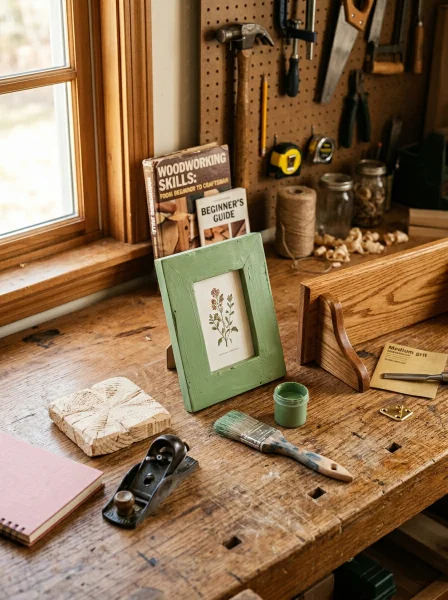
Success in crafting comes from strategic progression. Here’s a realistic timeline for your first month: Week 1: Focus entirely on paper crafts. Make at least three greeting cards and two bookmarks.
Learn clean cutting and folding techniques. Week 2: Try glass painting. Complete two to three painted jars, experimenting with different techniques each time.
This introduces you to brush work and paint consistency. Week 3: Attempt your first macramé project. Start with a simple keychain or small wall hanging before tackling plant hangers.
Learn the square knot and spiral knot. Week 4: Combine skills. Create a gift set incorporating multiple techniques you’ve learned.
Maybe a painted jar filled with homemade bookmarks, wrapped with macramé cord. This progression ensures you’re constantly learning while building upon previous skills. By month’s end, you’ll have genuine confidence and a clearer sense of which craft types resonate most with you.
Common Beginner Mistakes and How to Avoid Them
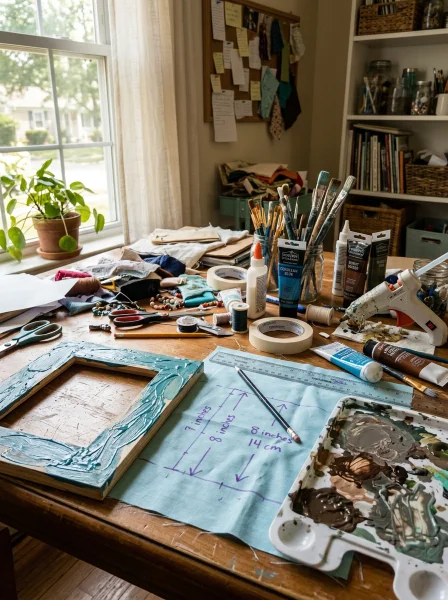
Learning from others’ mistakes accelerates your progress. Here are the most frequent pitfalls new crafters encounter: Buying too many supplies too soon. It’s tempting to purchase everything at once, but this often leads to overwhelm and wasted materials.
Buy supplies for one project at a time until you know what you actually enjoy. Comparing yourself to experienced crafters. Those stunning Pinterest projects represent years of practice.
Your first attempts won’t look like those—and that’s completely normal. Focus on progress, not perfection. Skipping instructions.
Many beginners try to improvise before understanding basics. Read tutorials completely before starting. Watch video demonstrations at least once through before picking up materials.
Giving up after one failed project. Every crafter has pieces that didn’t work out. These “failures” are actually valuable teachers.
Analyze what went wrong, adjust your approach, and try again.
Ignoring Drying Times
Rushing through drying and curing times ruins more beginner projects than almost any other mistake. Paint smears, glue fails, and layers blend together when you move too fast. Each adhesive, paint, and finish has specific drying requirements listed on the packaging. Set a timer and work on two projects at once so you always have something productive to do while waiting.
Quick Tip: When in doubt, double the recommended drying time. Overnight drying almost always produces better results than the minimum suggested time.
Working Without Proper Tools
Using household scissors for everything, or substituting random items for proper tools, creates frustration and poor results. You do not need to buy every tool at once: start with versatile essentials like a self-healing cutting mat, a metal ruler and a sharp craft knife, which work across many different project types. Proper tools also keep you safer, because dull blades and makeshift solutions cause more accidents than sharp, purpose-built equipment.
Quick Tip: Build your tool collection gradually by buying one quality item each month rather than everything cheaply at once.
Not Preparing Your Workspace
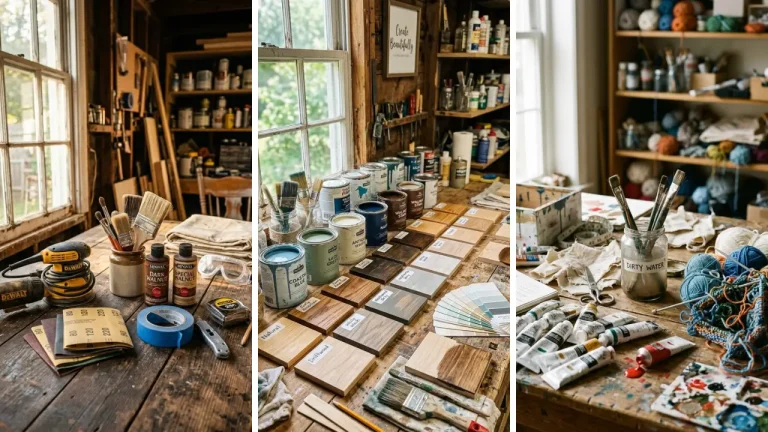
Crafting on the kitchen table without protection, or working in dim lighting, creates problems you never needed to have. Set up a dedicated area with a drop cloth and lighting positioned to eliminate shadows on your work surface. Natural light works best, but a bright desk lamp is an excellent alternative. Organize your supplies within arm’s reach before you start, because searching for materials mid-project breaks your concentration and increases the chance of mistakes.
Quick Tip: Use a shallow box lid as a portable workspace boundary that catches scraps and keeps small items from rolling away.
Skipping the Planning Stage
Jumping straight into a project without mapping out your vision leads to wasted materials and disappointing results. Sketch your design and write down each step before you touch any materials. Planning also helps you spot the awkward parts before they turn into expensive mistakes.
Quick Tip: Spend at least 10 minutes visualizing the finished project before touching any materials.
Finding Inspiration and Expanding Your Skills
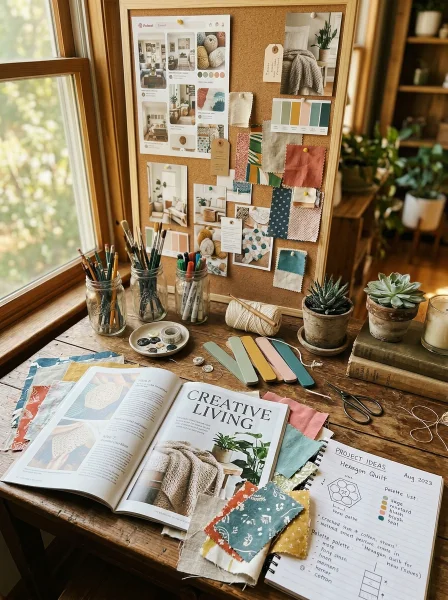
Once you’ve completed several beginner projects successfully, you’ll naturally want to explore further. The craft world is wonderfully vast, with endless possibilities for growth. For your next phase, consider exploring handmade gift craft ideas that introduce slightly more complex techniques.
This might mean learning basic sewing, trying resin crafts, or experimenting with clay work. Join online communities where beginners share their work and experienced crafters offer guidance. These groups provide accountability, inspiration, and answers to questions that inevitably arise.
Local craft stores often host free workshops—perfect opportunities to try new techniques with expert guidance before investing in supplies. Libraries frequently offer crafting programs as well.
Conclusion: Your Creative Journey Starts Now
Understanding home crafts for complete beginners: what to make first transforms overwhelming possibilities into an exciting, manageable path forward. The key is starting simple, building confidence through achievable projects, and gradually expanding your skills. Remember these core principles: paper crafts teach fundamentals perfectly, glass painting introduces brush skills without pressure, and simple macramé creates impressive results quickly.
Combine these experiences, and within weeks you’ll have developed genuine crafting confidence. The crafting community welcomes everyone, regardless of artistic background. Your first project doesn’t need to be museum-worthy—it just needs to be started.
Every beautiful handmade piece you’ve ever admired began with someone’s first awkward attempt. What will you make first? Pick one project from this guide, gather your basic supplies this week, and create something with your own hands.
Share your first project in the comments below—we’d love to celebrate your creative beginning with you. And if you found this helpful, pass it along to someone else who’s been wanting to start crafting but didn’t know where to begin.
FAQ
What is the easiest craft for complete beginners with no artistic skills? Paper crafts, specifically greeting cards and bookmarks, are the easiest starting point. They require no drawing ability—just cutting, folding, and arranging.
You can use stamps, stickers, and pre-made embellishments to create beautiful results without any artistic background. How much should I spend on craft supplies when starting home crafts for complete beginners? Start with $20-30 for basic supplies.
This covers scissors, glue, basic paints, and materials for your first few projects. Avoid buying specialty items until you’ve confirmed which craft types you actually enjoy. Dollar stores are excellent resources for budget-friendly supplies.
What to make first when learning home crafts as a complete beginner? Begin with greeting cards or decorated bookmarks. These projects teach essential skills—measuring, cutting, composition—while being quick to complete.
The sense of accomplishment from finishing something useful builds confidence for more complex projects. How long does it take to become good at crafting? Most people notice significant improvement within their first month of regular practice.
Basic competency in any single craft type typically develops within 10-15 projects. Remember, “good” is subjective—your skills will continuously grow as long as you keep creating. Can I make money from beginner crafts?
Yes, but focus on skill-building first. Once you’re consistently producing quality work, platforms like Etsy welcome handmade items. Greeting cards, bookmarks, and simple jewelry are popular beginner-friendly products.
Build a small portfolio before launching any selling efforts.