Canvas vs Wood vs Paper Wall Art: Which Surface is Best for DIY Wall Art?
Have you ever stood in a craft store, staring at shelves of canvas panels, wood boards, and cardstock, completely unsure which one to grab for your next project? You’re not alone. Choosing the right surface is one of the most common pain points for beginner and intermediate crafters alike.
The question of Canvas vs Wood vs Paper: Which Surface is Best for DIY Wall Art? doesn’t have a single answer — but it does have a smart one, depending on your goals, budget, and style. In this guide, you’ll learn the real differences between these three popular surfaces, when to use each one, and how to make the best choice for your next wall art project.
Let’s break it all down.
Why Your Surface Choice Matters More Than You Think
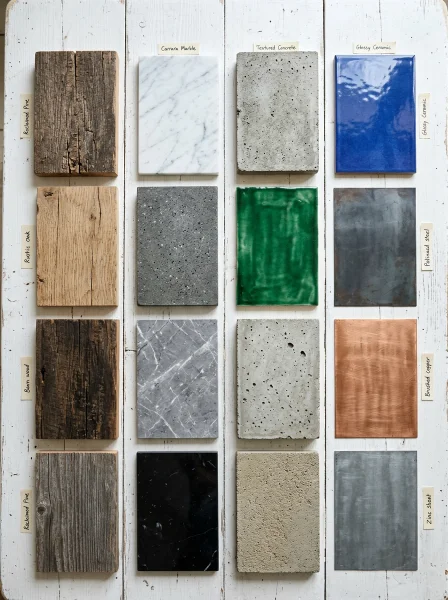
Most people focus on paint colors or design ideas, but the surface you choose can make or break the final result. The wrong surface causes paint to bleed, warp, or crack — wasting your time and materials. The right surface makes your art look polished, professional, and ready to hang.
Each material — canvas, wood, and paper — responds differently to paint, ink, and mixed media. Understanding those differences helps you work smarter, not harder. Whether you’re creating DIY handmade gifts or decorating your own walls, surface choice is a foundational decision.
Beyond aesthetics, your surface also affects durability, cost, and the type of medium you can use. Let’s look at each one in depth.
Canvas: The Classic Choice for DIY Wall Art
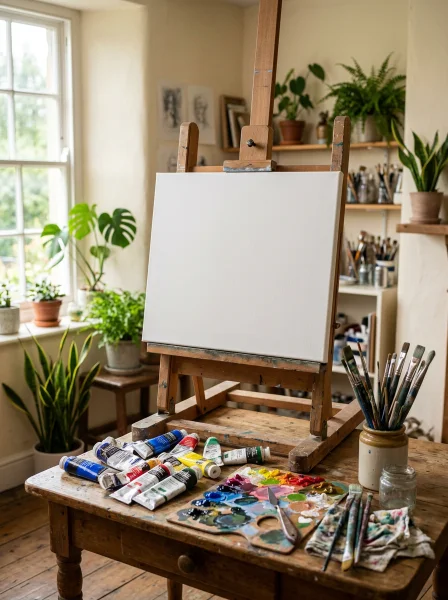
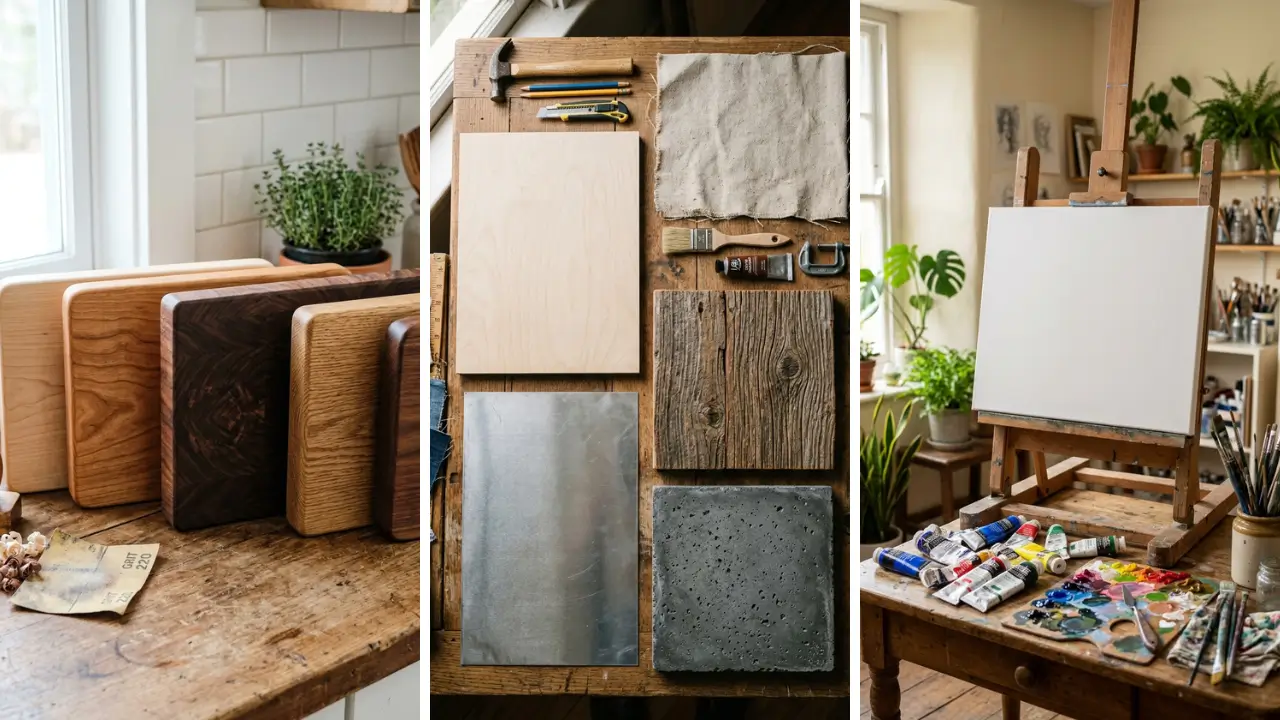
Canvas is arguably the most popular surface for wall art — and for good reason. It has a slight texture that grips paint beautifully, making it ideal for acrylics, oils, and even mixed media. Stretched canvas is lightweight, easy to hang, and comes in dozens of sizes.
Pros of Using Canvas
- Versatile medium compatibility: Works well with acrylics, oils, fabric paint, and even some watercolors with gesso primer.
- Professional appearance: The clean edges and gallery-wrapped style instantly elevate any space.
- Lightweight and easy to hang: No need for heavy-duty hardware.
- Forgiving surface: You can paint over mistakes easily once the layer dries.
Cons of Using Canvas
- Can be more expensive than paper, especially larger sizes.
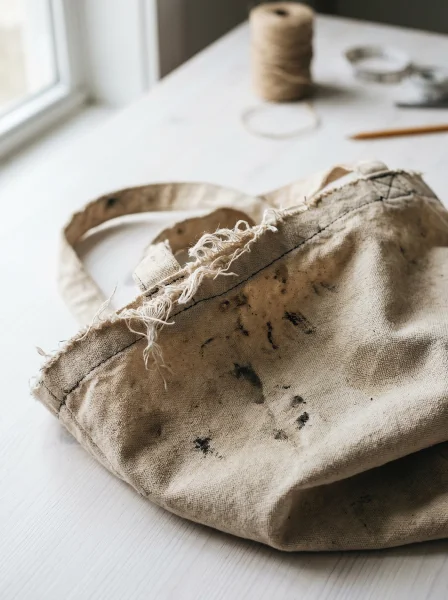
- Watercolors tend to bleed unless you apply gesso or use a canvas pad specifically designed for watercolor.
- Not ideal for detailed pen or pencil work without a smooth primer coat.
Canvas is a top pick for projects like abstract paintings, botanical prints, and motivational quote art. If you love exploring fun crafts to make at home, canvas gives you the most room to experiment without frustrating limitations.
Wood: The Bold, Rustic Alternative
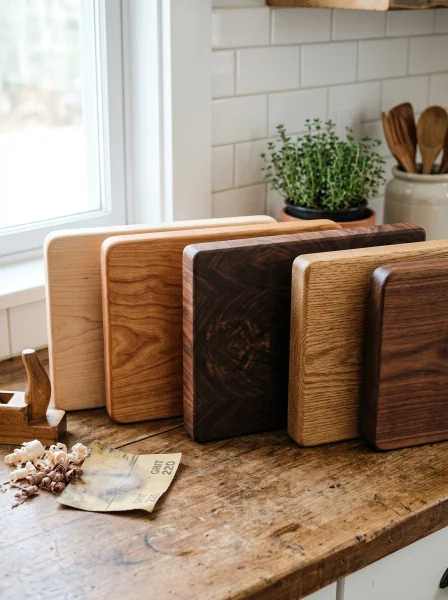
Wood panels and slices bring a warmth and texture that canvas simply can’t replicate. From birch panels to reclaimed pallet boards, wood adds a natural, tactile quality to wall art that feels grounded and intentional. It’s a surface that suits farmhouse, boho, and modern rustic aesthetics particularly well.
Pros of Using Wood
- Sturdy and durable: Wood won’t warp or buckle under heavy paint layers the way paper can.
- Unique texture: Grain patterns add organic beauty even before you add a single brushstroke.
- Great for burning, carving, and mixed media: Wood supports techniques beyond painting, like pyrography and wood burning.
- Budget-friendly options exist: Pallet boards and craft store wooden plaques are often very affordable.
Cons of Using Wood
- Heavier than canvas or paper, requiring sturdier hanging hardware.
- Needs proper sealing and priming to prevent paint from soaking in unevenly.
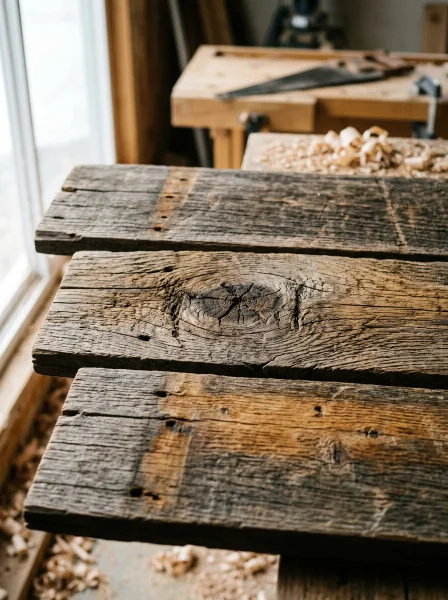
- Natural knots and grain can interfere with clean, detailed designs.
Wood is an excellent surface when you want art that feels like a statement piece. Many crafters combine wood with other elements — rope, metal accents, or dried florals — for layered, dimensional wall decor. If you’re working on home craft projects quick to refresh your space, a simple painted wood sign can be done in an afternoon.
Paper: The Accessible, Beginner-Friendly Surface
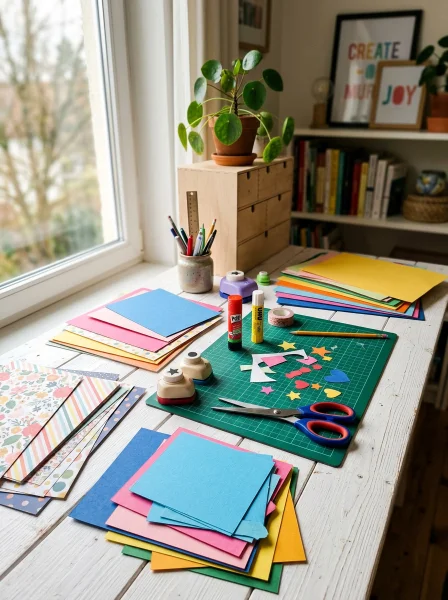
Paper is often underestimated as a wall art surface, but it’s actually incredibly capable — especially at higher weights and qualities. Watercolor paper, cardstock, and art paper can all produce stunning results when framed properly. Paper is also the most affordable starting point for anyone new to wall art creation.
Pros of Using Paper
- Highly affordable: Even premium watercolor paper costs a fraction of canvas or wood.
- Ideal for detailed work: Smooth paper surfaces are perfect for fine-line illustration, calligraphy, and pen art.
- Easy to frame: Standard paper sizes fit off-the-shelf frames, saving money.
- Great for digital printing: If you design digitally, printing on quality art paper creates beautiful gallery-ready pieces.
Cons of Using Paper
- Can warp or buckle when wet, especially with watercolor or heavy acrylic application.
- Less durable long-term without proper framing and UV-protective glass.
- Thinner papers can tear or crinkle during mixed media work.
Paper is perfect for printable art, watercolor botanicals, hand-lettered quotes, and collage-style wall displays. It’s also the go-to surface when you want to create handmade gift craft ideas that are thoughtful but budget-conscious — a custom illustrated portrait or hand-lettered poem in a pretty frame makes a deeply personal gift.
Canvas vs Wood vs Paper: A Side-by-Side Comparison
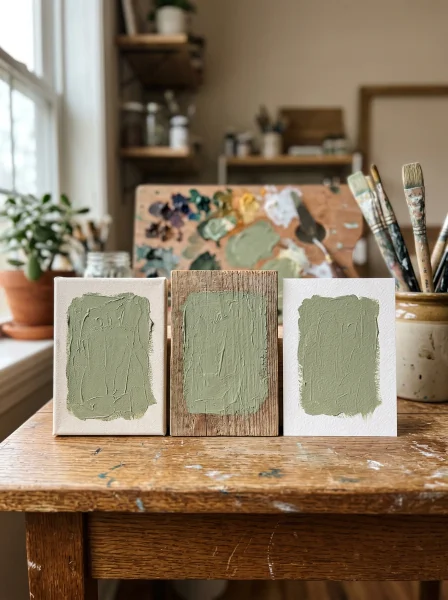
Still unsure which to pick? Here’s a quick breakdown to help you decide at a glance:
| Feature | Canvas | Wood | Paper |
|---|---|---|---|
| Best for | Painting, mixed media | Rustic/boho decor, burning | Illustration, printing, calligraphy |
| Cost | Moderate | Low to moderate | Low |
| Durability | High | Very high | Moderate (with framing) |
| Beginner-friendly | Yes | Moderate | Yes |
| Medium compatibility | Acrylic, oil, mixed | Acrylic, oil, pyrography | Watercolor, ink, pencil |
How to Choose the Right Surface for Your Project
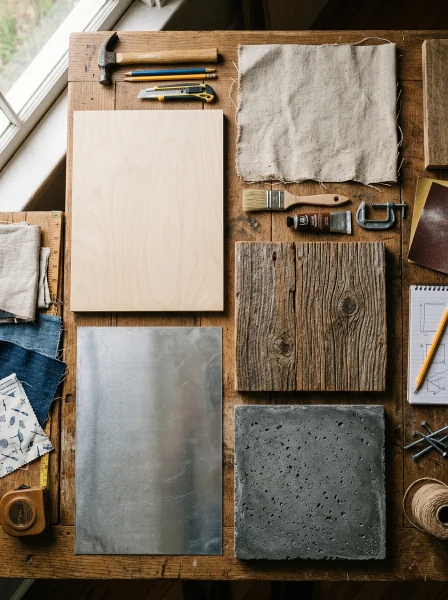
The best surface depends on three things: your chosen medium, your design style, and your budget. If you’re painting with acrylics and want something that looks great without framing, canvas wins. If you love a natural, rustic look or want to incorporate burning techniques, go with wood.
If you’re doing watercolor, illustration, or calligraphy, paper is your best friend. Budget matters too. Paper is the most accessible option, especially if you’re just starting out.
You can even find great materials at discount stores — many crafters are surprised by how much you can achieve with dollar store crafts ideas when you know what to look for. Don’t be afraid to mix and match surfaces across projects. Building experience with all three will make you a more versatile and confident creator.
Many experienced crafters keep all three surfaces on hand for different types of projects.
Tips for Getting the Best Results on Each Surface
For canvas: Always apply a coat of gesso before painting, even on pre-primed canvas. This ensures better paint adhesion and a more vibrant final result. Use a palette knife for thick, textured effects that look stunning on this surface.
For wood: Sand the surface lightly before painting to remove any rough patches. Apply a wood sealer or primer to prevent paint from soaking in unevenly. Finish with a clear varnish to protect your work and enhance the natural grain.
For paper: Use at least 140 lb (300 gsm) watercolor paper if you’re working with wet mediums to minimize warping. Tape your paper to a board before painting to keep it flat. Once dry, press it under heavy books overnight for a perfectly smooth finish.
Conclusion: Which Surface Should You Choose?
When it comes to Canvas vs Wood vs Paper: Which Surface is Best for DIY Wall Art?, the honest answer is that each surface shines in different situations. Canvas is your all-rounder for paint-based projects.
Wood brings character, durability, and a rustic charm that’s hard to beat. Paper is the most accessible, detail-friendly option that punches well above its price point when used correctly. The smartest approach?
Start with what fits your current project and skill level, then gradually experiment with all three. Over time, you’ll develop a natural instinct for which surface to reach for. Creating beautiful wall art is less about having the perfect materials and more about understanding what you’re working with.
Whether you’re decorating your home or creating thoughtful DIY handmade gifts for the people you love, choosing the right surface will make the process more enjoyable and the results more impressive. Now go create something beautiful! Ready to start your next wall art project?
Drop a comment below and tell us which surface you’re planning to try — canvas, wood, or paper! And if you found this guide helpful, share it with a fellow crafter who could use the inspiration.
Frequently Asked Questions
Q: Is canvas or wood better for beginners making DIY wall art? A: Canvas is generally better for beginners because it’s pre-primed, lightweight, and compatible with the most common paints like acrylics. Wood can require more preparation steps like sanding and sealing, which can feel overwhelming at first.
Start with canvas, and once you’re comfortable, experiment with wood for a different look and feel. Q: Can you use watercolor on canvas for DIY wall art? A: Watercolor on canvas is possible but requires extra preparation.
You’ll need to apply a watercolor ground or a specific watercolor canvas panel, as standard canvas doesn’t absorb water-based paint the way paper does. For traditional watercolor techniques, 140 lb watercolor paper gives far more predictable and beautiful results. Q: In the debate of Canvas vs Wood vs Paper: Which Surface is Best for DIY Wall Art on a tight budget?
A: Paper is the most budget-friendly surface by a significant margin. High-quality watercolor or drawing paper costs very little, and the finished artwork can be framed using affordable frames from discount stores. You can create stunning, gallery-worthy pieces without spending much at all — especially when you source materials creatively.
Q: How do I prevent wood panels from warping when painting DIY wall art? A: To prevent wood from warping, always seal both the front and back of the panel with primer or gesso before you begin. Applying paint to only one side creates uneven moisture absorption, which causes warping.
Birch wood panels from craft stores are typically the most stable and warp-resistant option for wall art projects. Q: Which surface works best when Canvas vs Wood vs Paper: Which Surface is Best for DIY Wall Art? comes down to gift-giving?
A: For gifting, canvas and paper are typically the most practical choices. Canvas pieces don’t require a frame and look polished as-is, while paper art in a beautiful frame feels thoughtful and curated. Both are lightweight and easy to package.
Wood makes a wonderful gift too, especially for rustic or personalized signs, but requires more care during transport due to its weight and fragility at edges.