Crochet Dishcloth Beginner Pattern: Easy Step-by-Step Guide
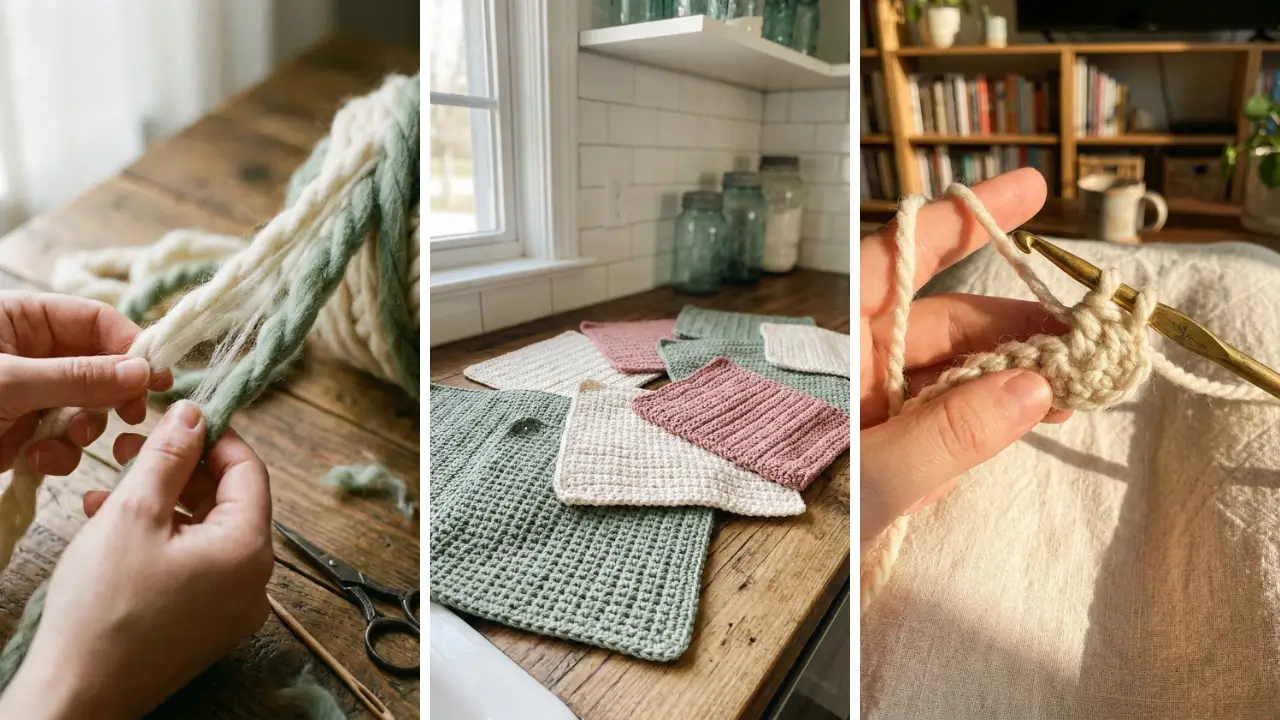
There’s something incredibly satisfying about creating useful items with your own hands—and learning how to crochet a simple dishcloth is the perfect gateway into this rewarding craft. Whether you’re completely new to crocheting or looking to add charming handmade touches to your kitchen, this beginner pattern delivers beautiful results without overwhelming complexity. These versatile cloths aren’t just practical for daily kitchen tasks; they also add a cozy, personalized aesthetic to your space that store-bought options simply can’t match.
I remember crocheting my first dishcloth years ago, fumbling with yarn tension and counting stitches obsessively. Now, after countless projects, I can confidently tell you that this simple pattern is exactly where every beginner should start. It builds fundamental skills while producing something genuinely useful—a win-win that keeps motivation high.
Why Crochet Dishcloths Are Perfect for Beginners
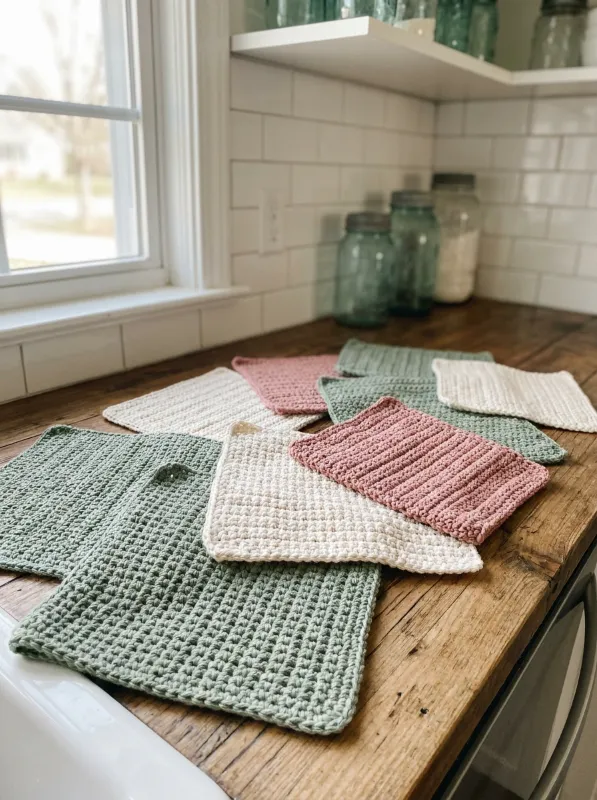
Dishcloths represent the ideal beginner project for several compelling reasons. They’re small enough to complete in one sitting, forgiving of minor mistakes, and immediately usable once finished. Unlike complex garments where errors become glaringly obvious, slight inconsistencies in a dishcloth add handmade character.
The repetitive stitch patterns help muscle memory develop naturally. You’ll find yourself counting stitches automatically and maintaining consistent tension without conscious effort. This foundation transfers directly to more advanced projects later.
Additionally, dishcloths let you experiment with different yarn colors and textures without significant investment. You can explore fun crafts to make at home while building genuine skills that last a lifetime.
Essential Materials for Your First Crochet Dishcloth
Gathering the right supplies before starting ensures a smooth crocheting experience. Quality materials make a noticeable difference in both the process and finished product.
Yarn Selection Guide
Cotton yarn is the undisputed champion for dishcloths. It’s absorbent, durable, machine-washable, and actually improves with each wash cycle. Look for 100% cotton in worsted weight (also called medium or #4 weight) for the easiest handling.
Popular brands include Lily Sugar’n Cream, Bernat Handicrafter, and Peaches & Crème. These cost approximately $3-5 per skein and yield 2-3 standard dishcloths each. Choose colors that complement your kitchen decor for an instantly cohesive look.
Hook and Accessories
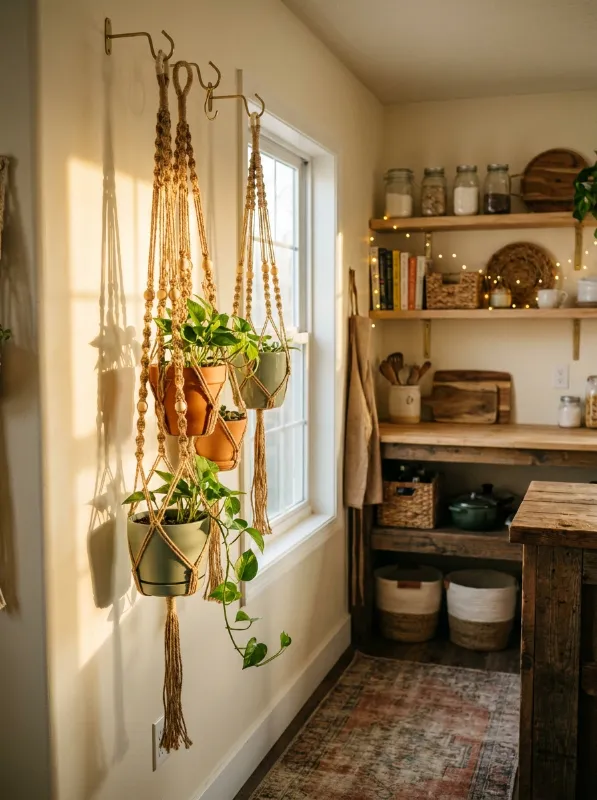
For worsted weight cotton, a 5mm (H/8) crochet hook works perfectly. Beginners often prefer ergonomic hooks with cushioned grips that reduce hand fatigue during longer sessions. You’ll also need scissors, a yarn needle for weaving in ends, and optionally, stitch markers.
| Material | Recommended Option | Approximate Cost |
|---|---|---|
| Yarn | 100% Cotton, Worsted Weight | $3-5 per skein |
| Crochet Hook | 5mm (H/8) Ergonomic | $5-10 |
| Yarn Needle | Large Eye, Blunt Tip | $2-3 |
| Scissors | Small Craft Scissors | $3-5 |
Basic Crochet Stitches You Need to Know
Before diving into the pattern, let’s establish the fundamental stitches. Mastering these three techniques gives you everything needed for countless future projects.
Chain Stitch (ch)
Definition: The chain stitch is the foundation of most crochet projects, creating a series of interlocking loops that form the base row. It’s the first technique every crocheter learns and appears in virtually every pattern. Create a slip knot, place it on your hook, then yarn over and pull through the loop.
Repeat this motion, keeping tension consistent but not too tight. Aim for chains that slide easily along your hook.
Single Crochet (sc)
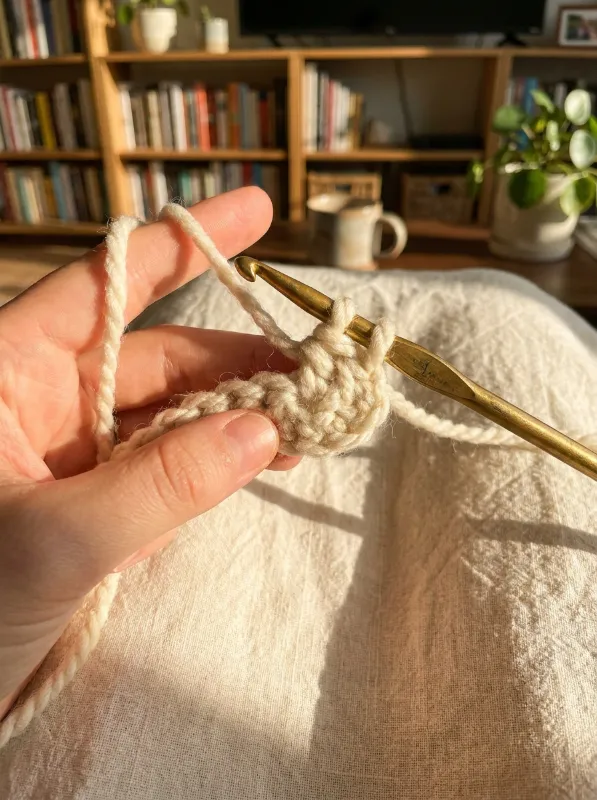
Single crochet creates a dense, sturdy fabric ideal for dishcloths. Insert your hook into the designated stitch, yarn over and pull through (two loops on hook), yarn over again and pull through both loops. Practice this rhythm until it becomes automatic.
Half Double Crochet (hdc)
Slightly taller than single crochet, half double crochet adds texture variety. Yarn over first, insert hook into stitch, yarn over and pull through (three loops on hook), yarn over and pull through all three loops simultaneously.
Step-by-Step Beginner Dishcloth Pattern
This pattern produces an approximately 8-inch square dishcloth—perfect for kitchen tasks and decorative display. The simple construction makes it ideal among home craft projects quick enough to complete in an evening.
Getting Started
Foundation Row: Chain 29 stitches. This creates approximately 8 inches of foundation, though individual tension affects final measurements. Don’t stress about perfection—slight size variations won’t impact functionality.
Row 1: Single crochet in the second chain from hook and in each chain across. You should have 28 single crochet stitches. Chain 1 and turn your work.
Building the Body
Rows 2-28: Single crochet in each stitch across (28 sc), chain 1, turn. Repeat this row until your piece measures approximately 8 inches tall, forming a square shape. Most crocheters need 26-28 rows depending on tension.
Count your stitches every few rows to ensure consistency. Accidentally adding or losing stitches changes your rectangle into a trapezoid—a common beginner mistake that’s easily prevented with regular counting.
Finishing Touches
After completing your final row, cut yarn leaving a 6-inch tail. Pull the tail through the last loop to secure. Thread your yarn needle and weave the tail through several stitches on the back, then reverse direction.
This prevents unraveling during use and washing.
Creative Variations for Kitchen Decor
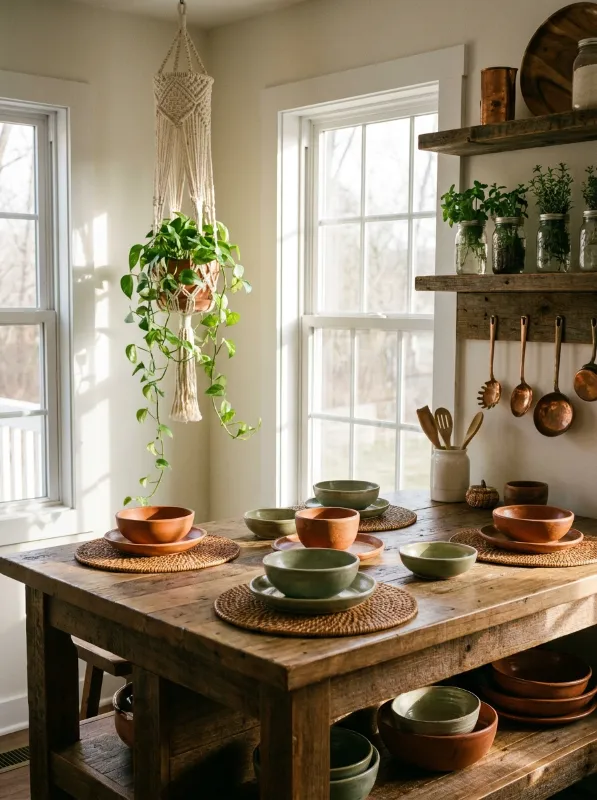
Once you’ve mastered the basic pattern, endless customization possibilities emerge. These variations transform simple dishcloths into stunning handmade gift craft ideas perfect for housewarmings, holidays, or just-because presents.
Color Techniques
Striped Patterns: Change yarn colors every 2-4 rows for eye-catching stripes. Simply cut your current color, leaving a tail, and join the new color with a slip stitch. Weave in all ends securely when finished.
Variegated Yarn: Self-striping or ombré yarns create beautiful color transitions automatically. These eliminate the need for multiple yarn balls while producing visually complex results.
Texture Additions
Alternate between single crochet and half double crochet rows for subtle texture variation. Or try the “lemon peel” stitch—alternating sc and hdc within the same row—for a bumpy surface that’s excellent for scrubbing. Adding a simple border elevates plain dishcloths dramatically.
Work single crochet evenly around all four edges, placing 3 sc in each corner to maintain the square shape. This creates a finished, professional appearance.
Troubleshooting Common Beginner Mistakes
Every crocheter encounters challenges initially. Recognizing and solving these common issues accelerates your learning curve significantly.
Edges Aren’t Straight
Wavy or slanted edges usually indicate inconsistent stitch counts. You’re either missing the last stitch of each row or accidentally adding extra stitches. Place a stitch marker in your first and last stitches each row to track your edges precisely.
Fabric Too Tight or Loose
Tension issues plague beginners universally. Too-tight stitches make crocheting laborious and create stiff fabric; too-loose stitches produce floppy, holey results. Practice relaxing your yarn hand while maintaining control.
Consider sizing your hook up or down if problems persist.
Yarn Splitting
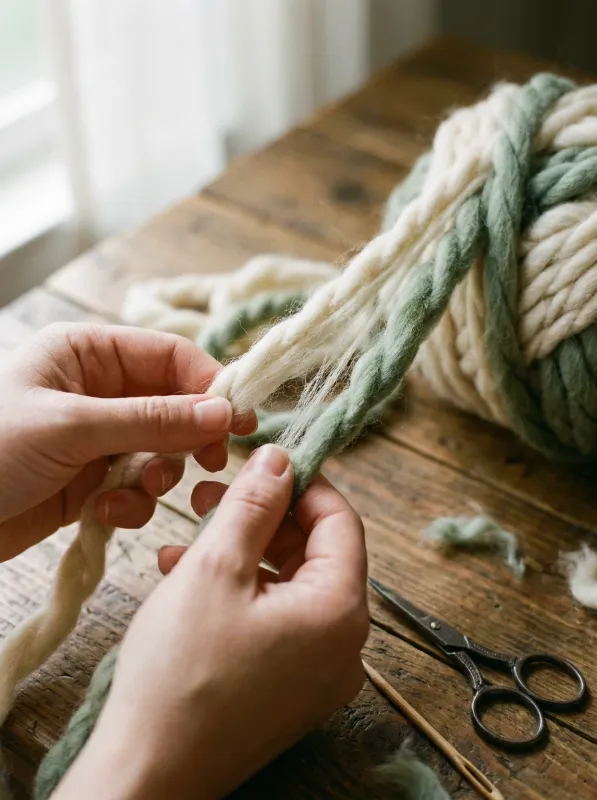
If your hook catches individual yarn plies rather than the complete strand, try a hook with a rounder, less pointed tip. Some cotton yarns split more easily than others—experimenting with different brands helps identify your preference.
Caring for Your Handmade Dishcloths
Proper care extends the life of your crocheted creations significantly. Cotton dishcloths actually become softer and more absorbent over time with correct maintenance. Machine wash in warm or hot water with regular detergent.
Hot water sanitizes and removes grease effectively. Tumble dry on medium heat or air dry—cotton tolerates heat well. Avoid fabric softeners, which reduce absorbency.
Replace dishcloths when they develop persistent odors, visible wear, or stretched-out areas. Most handmade cotton cloths last 6-12 months of regular use, far outlasting cheap store alternatives. This sustainability aspect makes crocheting dishcloths an environmentally conscious choice.
Taking Your Skills Further
Completing your first dishcloth builds confidence for progressively challenging projects. The techniques learned here apply directly to potholders, washcloths, scarves, and eventually blankets. Many crafters discover that kitchen textiles become an ongoing creative outlet—experimenting with new patterns, colors, and stitch combinations becomes genuinely addictive.
Consider exploring thrift store furniture makeover ideas to complement your handmade kitchen textiles. Coordinating DIY elements throughout your space creates a cohesive, personalized aesthetic that reflects your unique style. You’ve now learned how to crochet a simple dishcloth for kitchen decor using a beginner-friendly pattern.
This foundation opens doors to endless creative possibilities while producing genuinely useful items. Start with one dishcloth, notice how quickly your skills develop, and soon you’ll have a collection worthy of display—or gifting. The satisfaction of using something you created yourself never diminishes, no matter how many projects you complete.
Grab your hook, choose your favorite cotton color, and begin your crocheting journey today!
Frequently Asked Questions
How long does it take to crochet a simple dishcloth as a beginner?
Most beginners complete their first dishcloth in 2-4 hours, though this varies with individual pace and available practice time. Speed increases dramatically after your first few projects as muscle memory develops. Don’t rush—enjoying the process matters more than finishing quickly.
What’s the best yarn for crocheting dishcloths for kitchen use?
100% cotton yarn in worsted weight is universally recommended for kitchen dishcloths. Cotton offers superior absorbency, durability, and machine-washability. Avoid acrylic yarns, which don’t absorb water effectively and can melt if accidentally placed on hot surfaces.
Can I use a different crochet hook size for this beginner dishcloth pattern?
Yes, but expect size variations. Larger hooks create looser, more open fabric; smaller hooks produce denser, stiffer results. The recommended 5mm hook balances absorbency with durability for most crocheters.
Adjust your foundation chain count if switching hook sizes significantly.
How do I fix mistakes without starting over completely?
Remove your hook and gently pull the yarn to “un-crochet” (called frogging) back to your mistake. Reinsert your hook into the correct loop and continue working. For errors several rows back, you’ll need to frog multiple rows—frustrating but educational.
Experienced crocheters still make and fix mistakes regularly.
Are crocheted dishcloths hygienic for kitchen use?
Absolutely, when maintained properly. Rinse thoroughly after each use, wring out excess water, and allow to air dry between uses. Wash in hot water weekly to sanitize completely.
Cotton’s natural properties resist bacterial growth better than synthetic alternatives, making handmade dishcloths a hygienic choice.