How to Install Pendant Light Cord Kit Without an Electrician
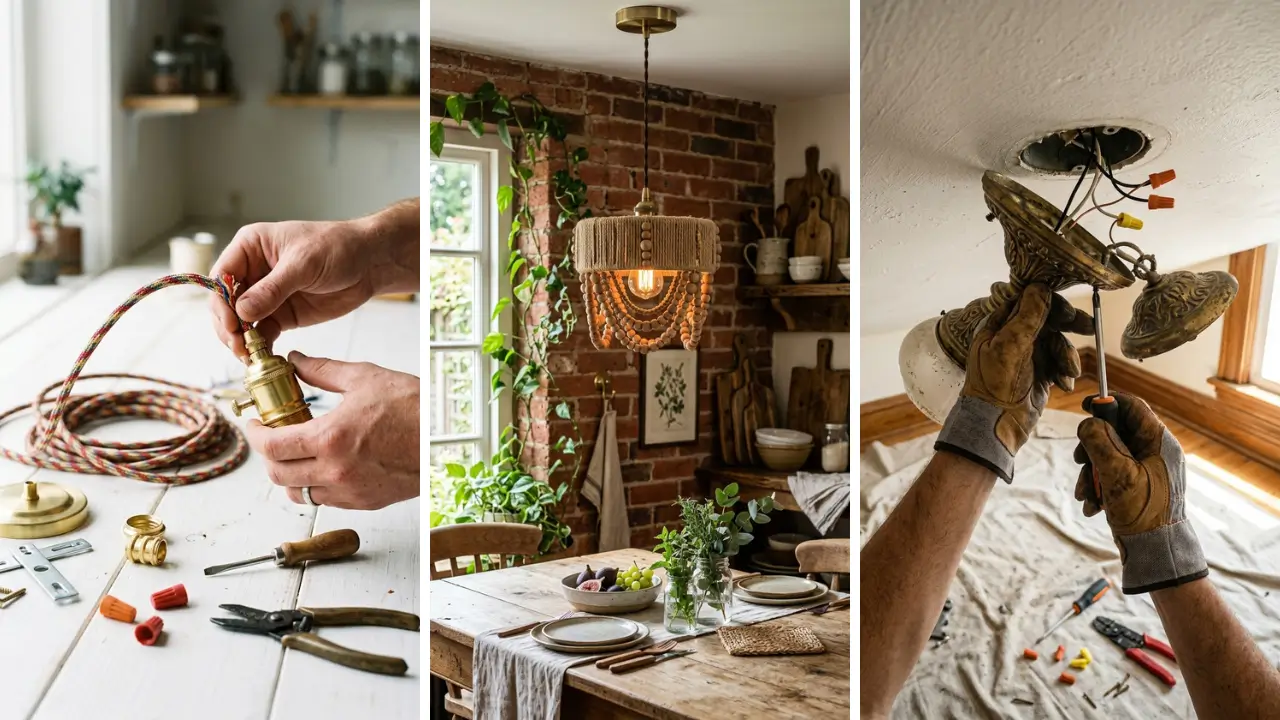
Have you ever looked up at a bare bulb hanging from your ceiling and thought, “There has to be a better way”? Good news — there is. Learning how to install a pendant light cord kit without an electrician is one of the most rewarding home improvement projects you can tackle on a weekend.
No licensed electrician, no expensive service call, and no complicated wiring knowledge required. With the right cord kit, a few basic tools, and this step-by-step guide, you can transform a dull ceiling fixture into a stunning focal point that looks professionally done. Whether you’re updating a dining room, bedroom, or kitchen island, this guide walks you through everything you need to know — from gathering your materials to flipping the switch on your finished installation.
What Is a Pendant Light Cord Kit and Why Use One?
A pendant light cord kit is a pre-wired electrical cord set that allows you to hang a light fixture from your existing ceiling junction box without rewiring your home. It typically includes a fabric-wrapped or plastic cord, a canopy cover that attaches to the ceiling box, a strain-relief connector, and sometimes a socket or bulb holder. These kits are designed specifically for DIYers.
They make it possible to swap out an outdated fixture or add decorative pendant lighting without touching the home’s main wiring. Most kits are plug-in or hardwire-ready, and they’re widely available at hardware stores for under $30. The appeal goes beyond cost savings.
Installing your own pendant light gives you complete control over the style, cord length, and finish — details that matter when you’re trying to match a specific room aesthetic. If you enjoy home craft projects quick upgrades that deliver big visual impact, this project checks every box.
Tools and Materials You’ll Need Before You Start

Before you begin, gather everything in one place. Stopping mid-project to search for a screwdriver is a frustrating time-waster.
- Pendant light cord kit (hardwire or plug-in style)
- Flathead and Phillips screwdrivers
- Wire stripper (if hardwiring)
- Voltage tester / non-contact circuit tester
- Wire nuts (usually included in the kit)
- Ladder or step stool
- Electrical tape
- A compatible light bulb
Always check that your pendant cord kit is rated for the wattage of the bulb you plan to use. Most decorative kits support up to 60W incandescent or equivalent LED. Using a higher-wattage bulb can create a fire hazard, so read the label carefully before purchasing.
How to Install a Pendant Light Cord Kit Without an Electrician: Step-by-Step
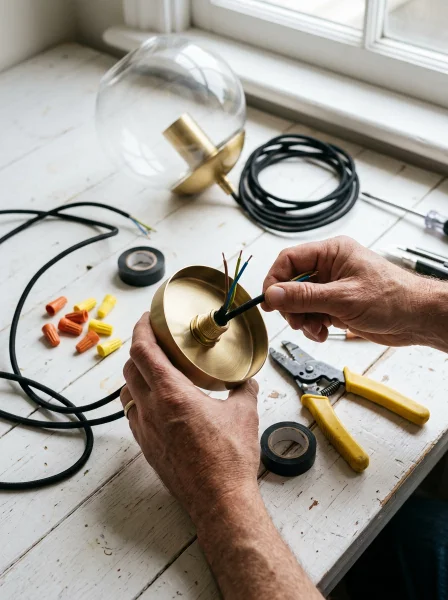
This section covers the full installation process for a hardwire pendant cord kit — the most common type used when replacing an existing ceiling fixture. If you’re using a plug-in version, steps 3 through 6 are simplified since there’s no wiring involved.
Step 1: Turn Off the Power
This is non-negotiable. Go to your breaker box and flip off the circuit that controls the room where you’re working. Then use a non-contact voltage tester at the ceiling box to confirm there’s no live current.
Don’t rely on just turning off the wall switch — always verify at the source.
Step 2: Remove the Existing Fixture
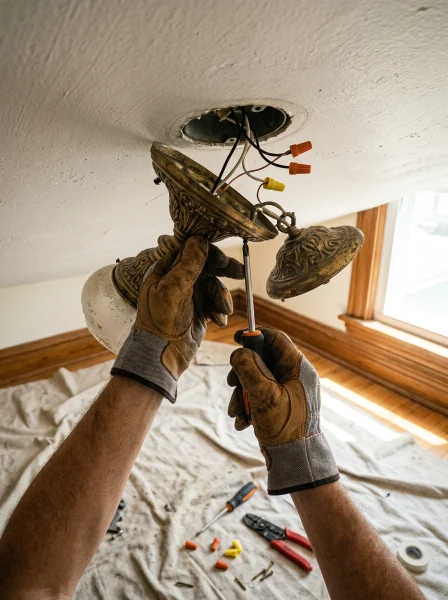
Unscrew the canopy of your old fixture from the ceiling. Most canopies are held by two screws or a mounting nut. Once the canopy is down, you’ll see the wiring connections — typically two or three wires connected with wire nuts.
Carefully unscrew the wire nuts and separate the wires. Set the old fixture aside.
Step 3: Inspect the Ceiling Junction Box
Check that the existing junction box is rated to support a hanging fixture. Boxes rated for ceiling fans are usually fine. If the box is old or damaged, replace it before proceeding — this is a safety step you don’t want to skip.
Most pendant kits include a mounting bracket that attaches directly to standard junction boxes.
Step 4: Attach the Mounting Bracket
Thread the mounting bracket from your cord kit onto the junction box using the provided screws. Make sure it’s snug and level. This bracket is what supports the weight of the pendant, so a secure fit matters.
Tug it gently after tightening to confirm it doesn’t shift.
Step 5: Connect the Wires
Your cord kit will have two or three wires: black (hot), white (neutral), and sometimes green or bare copper (ground). Match each wire from the cord kit to the corresponding wire in the ceiling box. Twist the matching wires together and secure them with wire nuts.
Wrap each connection with electrical tape for extra security. If you’re unsure which wire is which, the ribbed or marked wire in the cord set is typically neutral (white). Always double-check the kit’s included instructions, as configurations can vary slightly by brand.
Step 6: Attach the Canopy and Hang the Cord
Fold the wires carefully into the junction box, then slide the canopy up along the cord and secure it to the mounting bracket. Most canopies twist-lock or screw into place. Feed the cord through any included strain-relief fitting to prevent tension on the wire connections.
Step 7: Attach the Bulb Socket and Test
Screw in your bulb, restore power at the breaker, and flip the wall switch. If the light turns on, congratulations — you’ve successfully completed the installation. If it doesn’t, turn off the breaker again and recheck your wire connections.
A loose wire nut is the most common culprit.
Design Tips: Making Your Pendant Light Look Intentional

Installing the fixture is only half the fun. The real payoff comes from styling it well. Here are a few design principles that make a pendant light look custom rather than DIY:
- Cord length: Over a dining table, hang the bottom of the shade 30–36 inches above the table surface. In a bedroom or entryway, adjust for the ceiling height.
- Bulb choice: Edison-style or globe bulbs add warmth and visual interest, especially in exposed-cord setups.
- Cord color: Fabric cords in black, gold, or braided patterns become part of the decor. Match your cord color to hardware finishes in the room.
- Shade or no shade: A bare decorative bulb works in industrial or minimalist spaces. A drum or bowl shade softens the look for traditional or farmhouse interiors.
If you love projects like this, you’ll also enjoy exploring fun crafts to make at home that require no special skills but deliver seriously impressive results.
Safety Rules You Should Never Skip
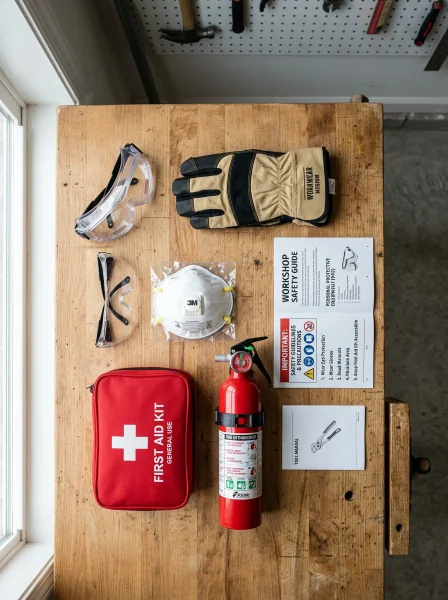
Even though this project doesn’t require a licensed electrician, electrical safety is still serious business. Follow these rules every single time:
- Always verify power is off with a voltage tester before touching any wires.
- Never exceed the wattage rating on the cord kit.
- Use wire nuts rated for the wire gauge you’re working with.
- Don’t leave exposed wire connections unwrapped.
- If your home has aluminum wiring (common in homes built before 1972), consult a licensed electrician — this changes the safety rules significantly.
When in doubt, stop. The cost of a quick consultation with an electrician is far less than a house fire or electrical injury.
Budget-Friendly Ways to Elevate Your Pendant Lighting

You don’t need to spend a fortune to get a high-end look. Many of the most stylish pendant setups use affordable materials creatively. Thrift stores often sell interesting glass bowls, wire baskets, or ceramic pieces that can be converted into shades using a $5 socket adapter kit.
This kind of creative repurposing overlaps nicely with the world of DIY handmade gifts — where thoughtful design beats expensive materials every time. You might be surprised how many low-cost items can be transformed into beautiful lighting with just a little creativity. If you’re looking for even more inspiration, browsing dollar store crafts ideas can spark some genuinely clever lighting shade concepts that cost almost nothing to execute.
Common Mistakes to Avoid

Even a simple project has its pitfalls. Here’s what trips up most first-timers:
- Skipping the voltage test: Don’t assume the power is off just because you flipped a switch. Always verify.
- Over-tightening the canopy: This can crack plastic components or strip screws. Snug is enough.
- Mismatching wire gauges: If your home wiring is 14-gauge and your cord kit is 18-gauge, use wire connectors rated for mixed-gauge connections.
- Ignoring strain relief: Without it, the cord’s weight eventually pulls on the wire connections, which can loosen them over time.
- Forgetting to check the box rating: A junction box rated for only a ceiling-mounted fixture may not support a hanging pendant safely.
Conclusion: Light Up Your Space the DIY Way
Now you know exactly how to install a pendant light cord kit without an electrician — and it’s far less intimidating than it sounds. With the right kit, a voltage tester, and a careful approach to wire connections, you can upgrade any room’s lighting in under two hours. The result is a custom fixture that looks like it cost ten times more than it actually did.
Projects like this are proof that you don’t need professional help for every home improvement task. The more you take on, the more confident you become — and the more your home starts to reflect your personal style. If you want to keep that DIY momentum going, check out these handmade gift craft ideas for more creative projects that are just as satisfying to complete.
So grab your cord kit, turn off that breaker, and get to work. Your room deserves better lighting — and now you know how to make it happen yourself.
Share Your Project!
Did you install a pendant light using this guide? We’d love to see it! Drop a photo or comment below sharing how it turned out, which cord kit you used, or any tips you’d add for fellow DIYers.
Your experience might be exactly what someone else needs to take the leap.
Frequently Asked Questions
Q: Is it safe to install a pendant light cord kit without an electrician? A: Yes, it is safe as long as you follow proper precautions. Always turn off the circuit breaker and verify the power is off with a voltage tester before touching any wires.
Pendant light cord kits are designed for DIY installation and come with clear instructions. If your home has unusual wiring or you’re unsure at any point, consult a licensed electrician before proceeding. Q: How to install a pendant light cord kit without an electrician if there’s no existing ceiling fixture?
A: If there’s no existing junction box, you’ll need to add one — which typically involves running new wiring through the wall or ceiling. This goes beyond a simple cord kit swap and may require a permit or licensed electrician depending on your local code. However, if you’re in a space where a plug-in pendant works (near an outlet), you can avoid this issue entirely by choosing a plug-in cord kit instead.
Q: What type of pendant light cord kit should I buy for a first-time installer? A: For beginners, a plug-in pendant cord kit is the easiest option because it requires zero wire connections — you simply plug it into a wall outlet. If you’re replacing an existing hardwired ceiling fixture, look for a hardwire pendant cord kit that includes a mounting bracket, wire nuts, and clear wiring instructions.
Brands like Kichler, Westinghouse, and Globe Electric offer reliable beginner-friendly options. Q: Can I use any light bulb with a pendant cord kit? A: Not any bulb — you need to match the wattage and base type to the cord kit’s socket specifications.
Most pendant cord kits use a standard E26 medium base and support up to 60W incandescent or an equivalent LED (which would be about 8–10W). Always check the label on the socket or kit packaging before choosing your bulb to avoid overheating or voiding any warranty. Q: How long does it take to install a pendant light cord kit without an electrician?
A: For most people replacing an existing fixture, the entire process takes between 30 minutes and 2 hours. First-timers should expect closer to 2 hours since you’ll want to move carefully and double-check each step. Once you’ve done it once, subsequent installations typically take under an hour.
Having all your tools ready before you start makes the process significantly faster and less stressful.