Furniture Upcycling Trends 2026: What Styles Are Getting Flipped
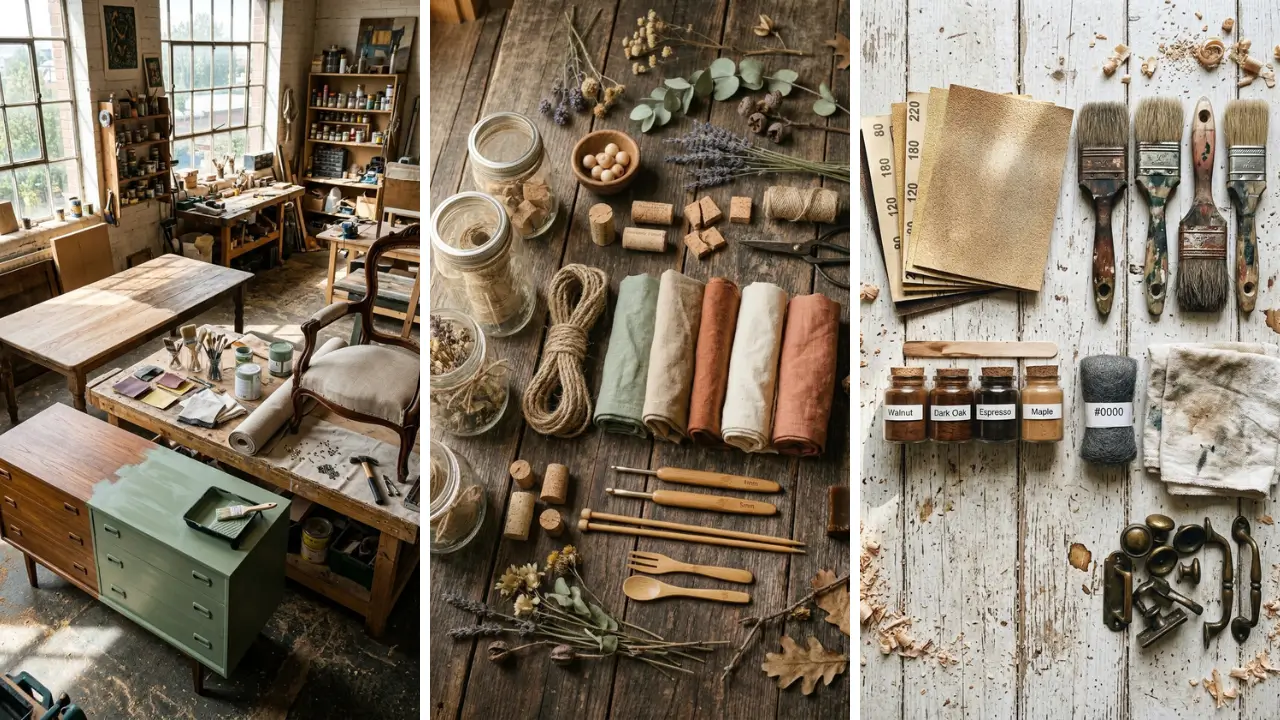
Have you ever walked past a worn-out dresser at a yard sale and wondered what magic you could create with it? Furniture upcycling trends for 2026 are reshaping how we think about old, discarded pieces. Instead of sending grandma’s vintage cabinet to the landfill, creative minds are transforming these forgotten treasures into statement pieces that rival high-end designer furniture.
The upcycling movement has exploded in recent years, and 2026 promises even more exciting developments. From bold color blocking to sustainable material integrations, the styles getting flipped are more diverse and innovative than ever before. Whether you’re a seasoned DIY enthusiast or just starting your creative journey, this guide will walk you through the hottest trends, techniques, and furniture styles that are dominating the upcycling scene.
Ready to discover which furniture pieces are worth rescuing and how to transform them into showstopping decor? Let’s dive into the trends that will define furniture upcycling in 2026.
Why Furniture Upcycling Trends for 2026 Are Taking Off
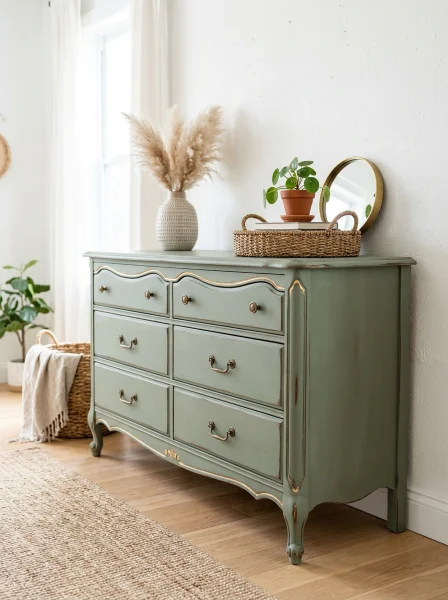
The surge in furniture upcycling isn’t just a passing fad. Several factors are driving this creative revolution into overdrive. Environmental consciousness plays a massive role, with more people seeking ways to reduce waste and extend the lifecycle of existing items.
Economic factors also contribute significantly. With furniture prices climbing steadily, upcycling offers an affordable alternative to buying new pieces. You can score a solid wood dresser for $20 at a thrift store and transform it into something worth hundreds.
Social media platforms have amplified the movement tremendously. Before-and-after transformations rack up millions of views, inspiring countless others to try their hand at flipping furniture. If you’re looking for fun crafts to make at home, furniture upcycling offers the perfect blend of creativity and practicality.
The personalization aspect cannot be overlooked either. Mass-produced furniture lacks soul. Upcycled pieces tell a story, carry history, and reflect your unique personality in ways factory-made items never could.
Top Furniture Styles Getting Flipped in 2026
Mid-Century Modern Revival
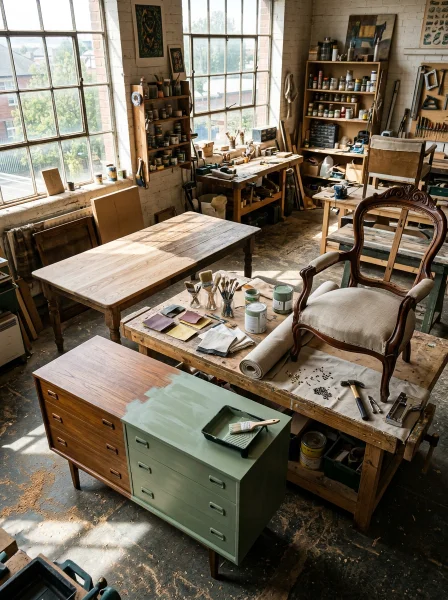
Mid-century modern furniture continues its reign as the most sought-after style for upcycling projects. Those clean lines, tapered legs, and organic curves are incredibly versatile. Dressers, credenzas, and side tables from the 1950s through 1970s are getting major makeovers.
What’s new in 2026? Creators are mixing MCM pieces with unexpected finishes. Think walnut tones paired with matte black hardware, or teak surfaces contrasted with brass accents.
The goal is honoring the original design while adding contemporary twists.
Farmhouse and Rustic Pieces
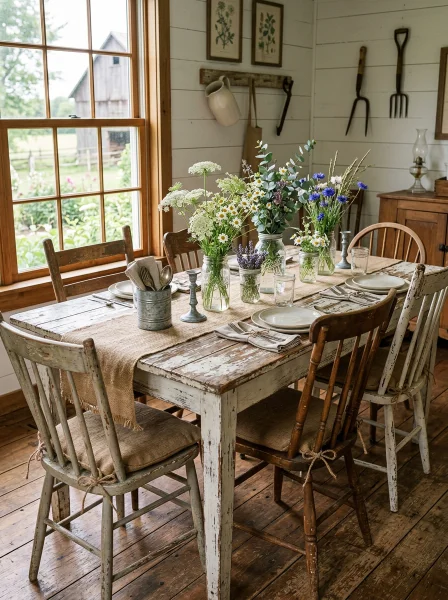
Chunky farmhouse furniture remains incredibly popular for flipping. Solid wood hutches, harvest tables, and ladder-back chairs offer excellent bones for transformation. The trend is moving away from the all-white distressed look that dominated previous years.
Instead, 2026 favors more sophisticated finishes. Deep greens, rich navy blues, and warm terracotta tones are replacing the stark whites. Natural wood grain is being celebrated rather than covered, with strategic paint applications highlighting rather than hiding the wood’s character.
Victorian and Ornate Antiques
Here’s a surprising trend: ornate Victorian furniture is making a massive comeback. Those carved details, curved cabriole legs, and decorative moldings that once seemed dated are now highly desirable for bold upcycling projects. Creators are painting these intricate pieces in dramatic colors like emerald green, deep burgundy, or even matte black to create striking contrasts.
The ornate details pop beautifully against solid colors, creating conversation pieces that blend historical charm with modern sensibilities.
Color and Finish Trends Dominating Furniture Upcycling
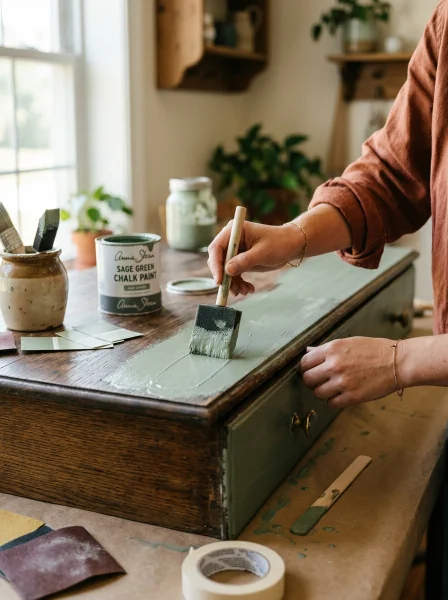
Color choices in furniture upcycling trends for 2026 reflect broader interior design movements while maintaining their own distinct personality. Understanding these trends helps you make choices that feel current yet timeless.
Earth Tones and Nature-Inspired Hues
Sage green, warm terracotta, dusty rose, and mushroom gray are leading the color palette. These nature-inspired tones create calming, grounded pieces that complement various interior styles. They work beautifully with both modern minimalist spaces and cozy bohemian environments.
The application technique matters as much as the color choice. Milk paint finishes are trending for their slightly imperfect, lived-in appearance. Chalk paint remains popular but is being used more strategically, often paired with wax or oil finishes for depth.
Bold Color Blocking
For those who want more drama, color blocking is huge. This technique involves painting different sections of furniture in contrasting colors. Picture a dresser with navy blue drawers and a mustard yellow frame, or a bookshelf where alternating shelves sport different complementary colors.
This approach works exceptionally well for creating DIY handmade gifts that feel personalized and thoughtful. A color-blocked side table or jewelry box makes a unique present that store-bought items simply cannot match.
Natural Wood Celebrations
Stripped and restored natural wood finishes are trending strongly. Rather than covering wood grain entirely, upcyclers are removing old paint to reveal the beautiful patterns underneath. Danish oil, tung oil, and natural waxes enhance the wood’s beauty without hiding it.
The two-tone approach is particularly popular. This involves stripping the top surface to showcase natural wood while painting the base or body in a complementary color. The contrast creates visual interest while celebrating both the wood’s natural beauty and creative paint techniques.
Sustainable Materials and Techniques in 2026 Upcycling
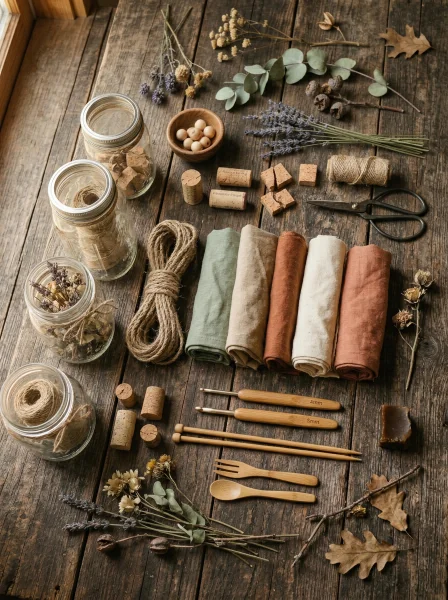
Sustainability isn’t just a buzzword—it’s driving innovation in furniture upcycling. The most forward-thinking upcyclers are incorporating eco-friendly materials and techniques that extend beyond simply rescuing old furniture.
Low-VOC and Natural Paints
Traditional paints contain volatile organic compounds that harm air quality. The 2026 trend strongly favors low-VOC and zero-VOC options. Milk paint, made from milk protein, lime, and natural pigments, is experiencing a renaissance.
Chalk paint manufacturers are reformulating products to reduce environmental impact. Natural dyes and stains derived from plants, minerals, and even food waste are gaining traction among eco-conscious upcyclers. These options require more skill to use effectively but produce unique, organic finishes that synthetic products cannot replicate.
Hardware Swaps and Sustainable Accents
New hardware can transform a piece completely. The trend favors sustainable options: reclaimed vintage hardware, brass and copper pieces that age beautifully, or handmade ceramic knobs from local artisans. If you enjoy exploring dollar store crafts ideas, you’ll find that creative hardware alternatives can elevate affordable finds into expensive-looking pieces.
Leather pulls made from upcycled belts, rope handles from natural fibers, and wooden knobs carved from reclaimed timber all support the sustainability mission while adding character.
Where to Find Furniture Worth Flipping
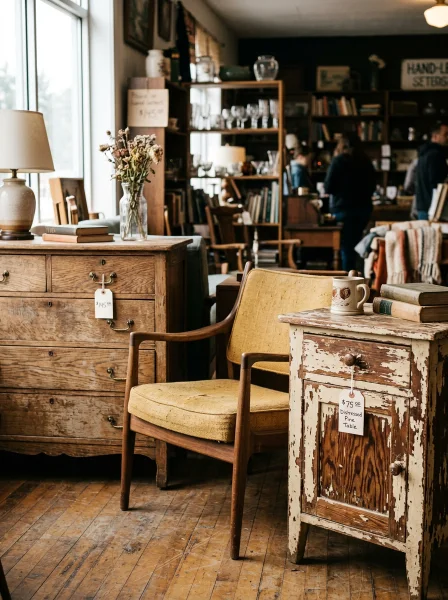
Sourcing quality pieces is half the battle. Knowing where to look—and what to look for—separates successful upcyclers from frustrated beginners.
Best Hunting Grounds
Estate sales typically offer the best quality pieces at reasonable prices. Unlike yard sales, estate sales often feature well-maintained furniture from established households. Arrive early for the best selection.
Thrift stores require patience but reward persistent hunters. Build relationships with staff who might alert you when interesting pieces arrive. Check regularly, as inventory turns over constantly.
Facebook Marketplace and Craigslist remain goldmines for furniture flippers. Search for keywords like “free furniture,” “moving sale,” or “curb alert” to find pieces people are desperate to offload. Many excellent pieces end up free because owners simply want them gone quickly.
What to Look For
Solid wood construction is non-negotiable for serious upcycling projects. Particle board and laminate pieces rarely transform well and often aren’t worth the effort. Check drawer construction, joint quality, and overall structural integrity.
Don’t fear surface damage—scratches, stains, and even minor water damage can often be resolved. Do avoid pieces with major structural issues, deep wood rot, or excessive warping that affects functionality. Interesting shapes and details add value.
Unique curves, carved elements, or distinctive silhouettes make transformed pieces more striking than basic rectangular furniture.
Essential Techniques for Successful Furniture Flips
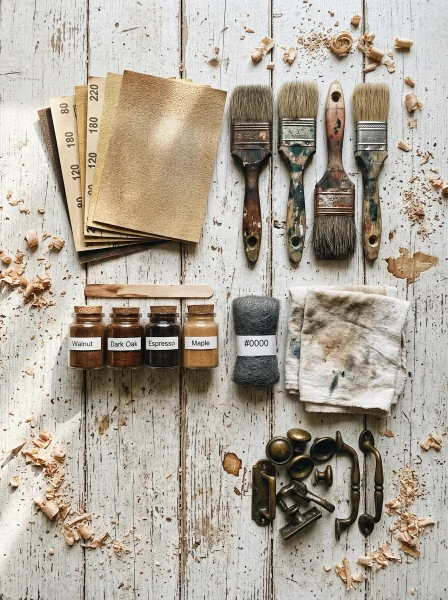
Understanding core techniques ensures your upcycling projects succeed. These skills apply across various furniture upcycling trends for 2026 and beyond.
Proper Preparation
Preparation determines project success more than any other factor. Clean thoroughly using TSP (trisodium phosphate) or a strong degreaser to remove decades of grime, oils, and residues that prevent paint adhesion. Sanding creates the “tooth” that paint needs to grip.
For previously painted surfaces, 150-grit sandpaper provides enough texture without being excessively labor-intensive. Remove glossy finishes completely—paint won’t adhere to shiny surfaces. Prime appropriately based on your paint choice.
Shellac-based primers seal odors and stains from vintage pieces. Bonding primers help paint stick to slick surfaces. Skipping primer often results in peeling, chipping, or staining through the topcoat.
Finishing for Durability
Beautiful paint jobs mean nothing if they chip within weeks. Proper sealing extends your project’s lifespan dramatically. Clear wax provides a soft, hand-rubbed appearance ideal for decorative pieces.
Polycrylic offers stronger protection for high-use items like tables and dressers. Curing time differs from drying time. Paint may feel dry in hours but takes weeks to cure fully.
Handle newly painted furniture carefully during this period to avoid marks and damage. For those who enjoy quick creative projects, consider checking out home craft projects quick guides that complement your furniture upcycling journey with smaller, faster wins.
Monetizing Your Furniture Upcycling Skills
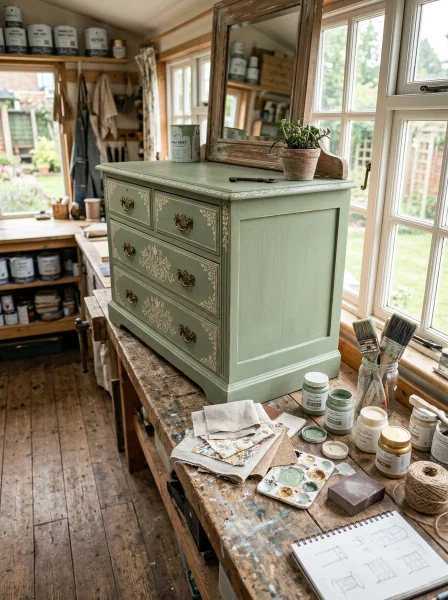
Many hobbyists wonder whether their upcycling passion could generate income. The market for flipped furniture is robust, with several viable paths to profitability.
Selling Locally
Facebook Marketplace dominates local furniture sales. Quality photos showing before-and-after transformations attract buyers and justify premium pricing. Be prepared to deliver—offering delivery service increases sales significantly.
Consignment shops work well for higher-end pieces. They handle sales logistics while you focus on creating. Expect 40-60% of the sale price, with the shop retaining the remainder.
Local craft fairs and markets provide opportunities to build brand recognition and meet customers directly. These events work best for smaller pieces that customers can transport easily.
Building an Online Presence
Instagram and Pinterest drive traffic for furniture flippers. Document your process, share tips, and showcase finished pieces. Consistent posting builds audience trust and establishes expertise.
Consider creating handmade gift craft ideas content alongside furniture projects. Smaller items sell more easily online and help maintain content consistency between larger furniture projects.
Flipping Furniture as a Gift Instead of a Sale
Not every flip has to be sold. A piece matched to one person turns the same work into a present no store-bought item can match, and the sourcing, prep and finishing steps above do not change.
Matching the Piece to the Recipient
- For the book lover: paint the interior backs of a bookshelf in a contrasting color, or line them with vintage book pages, then add small LED lights for a reading-nook glow.
- For the jewelry enthusiast: convert an old silverware drawer into an organizer. Line the compartments with velvet and add small hooks for necklaces.
- For parents and grandparents: restore a family piece and give it a new job. A grandmother’s vanity can become an entryway table, and a small plaque noting its history makes the connection explicit.
- For kids and teens: bright colors and bold patterns. A plain dresser becomes a gaming storage station, or a desk gets painted in their school colors.
Resist over-personalizing. A piece that does not fit the recipient’s existing decor gets stored rather than used, so stick with versatile colors and classic styles when you are unsure.
Budget and Timeline for a Gift Flip
Budget $30-100 for most gift projects: $0-50 for the piece itself from a thrift store, $15-30 for paint and primer, and $10-25 for new hardware. Allow 2-4 weekends of working time, plus 1-2 weeks of curing before you wrap or deliver anything. Starting too late is the most common way these projects go wrong.
Presenting the Finished Piece
Put together a short “before” photo album showing the original piece and the work in progress, since recipients only appreciate the transformation once they can see what you started with. Include a care card explaining how to maintain the finish, along with a small jar of touch-up paint for future repairs. If you can, deliver and set the piece up yourself.
Conclusion
Furniture upcycling trends for 2026 reflect our collective desire for sustainability, creativity, and individuality. From mid-century modern revivals to Victorian statement pieces, the styles getting flipped demonstrate that virtually any well-made furniture deserves a second chance. The techniques and trends we’ve explored—earth-toned color palettes, bold color blocking, natural wood celebrations, and sustainable materials—provide a roadmap for your own upcycling adventures.
Whether you’re transforming a single piece for your home or building a side business flipping furniture, the opportunities are endless. Remember that every piece of furniture you rescue from the landfill contributes to a more sustainable world while expressing your unique creative vision. The best projects combine proper technique with personal style, creating pieces that are both beautiful and meaningful.
Ready to start your furniture upcycling journey? Share your project ideas or recent transformations in the comments below. We’d love to see what styles you’re excited to flip in 2026!
FAQ
Q: What are the most popular furniture upcycling trends for 2026? A: The biggest furniture upcycling trends for 2026 include earth-toned color palettes, bold color blocking techniques, natural wood celebrations with two-tone finishes, and sustainable materials like low-VOC paints. Mid-century modern, farmhouse, and ornate Victorian pieces are the most popular styles being transformed.
Q: Is furniture upcycling actually profitable in 2026? A: Yes, furniture upcycling can be profitable with the right approach. Successful flippers focus on solid wood pieces purchased inexpensively, apply trending finishes, and sell through platforms like Facebook Marketplace or local consignment shops.
Profit margins of 100-300% are achievable on quality transformations. Q: What furniture styles are getting flipped most often right now? A: Mid-century modern furniture leads the pack, followed closely by farmhouse pieces and ornate Victorian antiques.
Solid wood dressers, credenzas, side tables, and chairs offer excellent transformation potential. The key is finding pieces with good bones and interesting design elements. Q: How do I know if a piece of furniture is worth upcycling?
A: Look for solid wood construction, sturdy joints, and interesting shapes or details. Surface damage like scratches and stains is usually fixable. Avoid pieces with major structural damage, deep wood rot, or severe warping.
The piece should be functional before you invest time in cosmetic improvements. Q: What paint types work best for furniture upcycling in 2026? A: Chalk paint and milk paint remain popular for their easy application and vintage-friendly finishes.
Low-VOC and zero-VOC options are increasingly preferred for health and environmental reasons. Always seal painted furniture with appropriate topcoats like clear wax or polycrylic for durability.